

On July 22, Palo Alto Networks threat intelligence team, Unit 42, released our first report on the evolution of “Silver Spaniel” 419 scammers. Of particular note is how these actors use a Remote Administration Tool (RAT) named NetWire (part of the NetWiredRC malware family). This RAT gives a remote attacker complete control over a Windows, Mac OS X, or Linux system through a simple graphical user interface.
To better understand this RAT, our team reverse engineered the communication protocol that NetWire uses. Today we have released a tool that decrypts NetWire traffic and outputs any commands issued by the attacker.
NetWire Encrytion Protocol
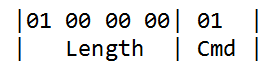
NetWire uses a custom, TCP-based protocol. The producer of the NetWire WorldWiredLabs, states that the tool uses 256-bit AES encryption, which we found to be accurate. The tool generates two encryption keys using a static password that the attacker chooses when creating the NetWire binary. Each packet has the following structure:
< 4 Byte Little-Endian length > < 1 Byte Command > < Data >
The shortest possible packet is the “HeartBeat” command, which NetWire generates every 10 seconds.



 Get updates from Unit 42